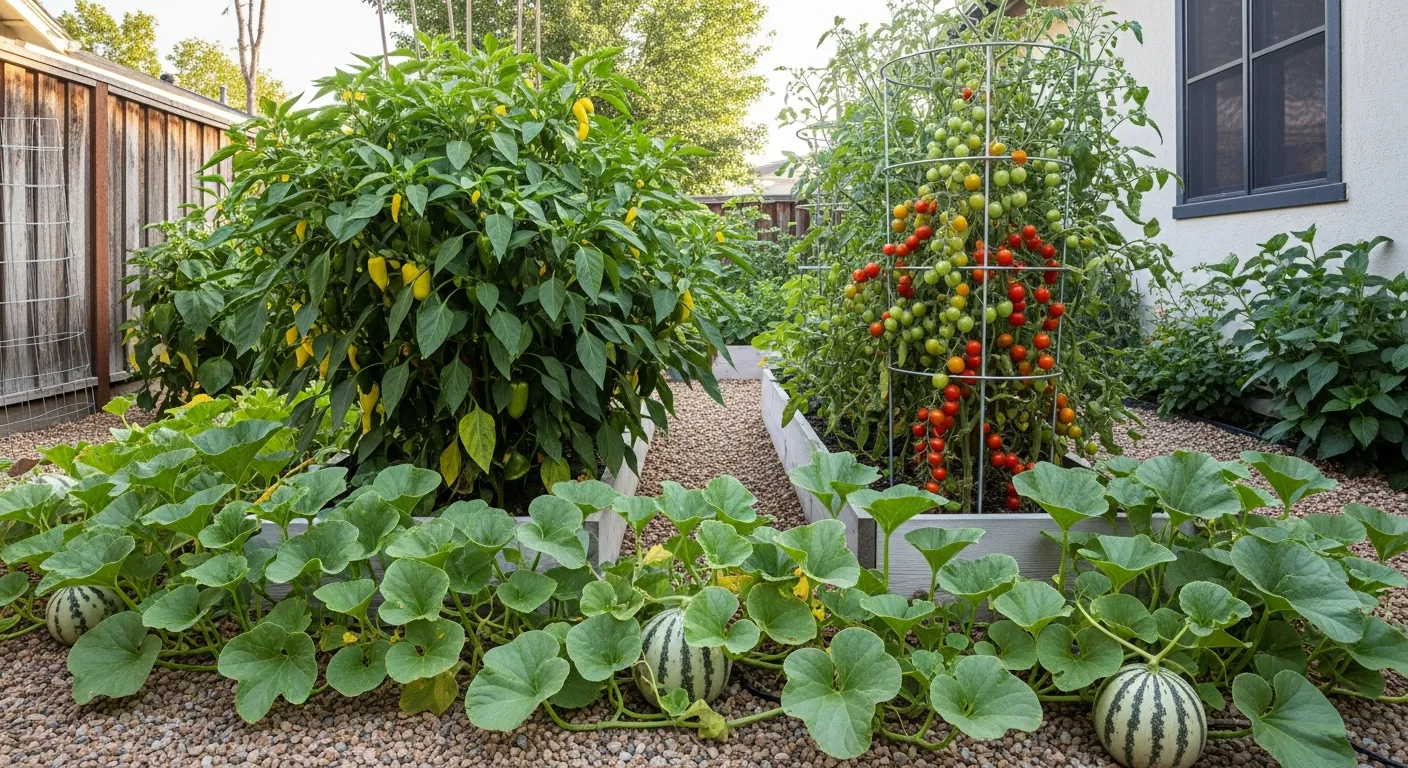
Cantaloupes are a summertime favorite, known for their sweet flavor. Though they are not difficult to grow, it needs to be ensured that they receive sufficient sunlight, nutrients, and space. So, if you are searching for companion plants to grow with cantaloupe, remember not to plant it with potatoes, cucumbers, eggplants, or watermelons. However, other plants, such as cilantro, beans, marigolds, lettuce, garlic, etc., are the best companions for cantaloupes. They repel harmful pests and provide enough nutrients to the cantaloupe to grow and thrive.
To help you make an informed decision, this blog discusses the plants that you must avoid growing with cantaloupes.
What Are the Requirements for Planting Cantaloupe?
Cantaloupes are a warm-season crop and should be planted when the weather is not too cold. This fruit needs a long time to grow, so many gardeners start with a melon transplant indoors, 3-4 weeks before the expected outdoor planting date. Get the fundamentals down, starting with the best time to plant cantaloupes in your area.
To plant indoors, sow 3-4 seeds in each container, and once they sprout, sort out 2 of the best and strongest seedlings. Move them out and place them in a shaded area. When they develop 1 or 2 true leaves to adjust to the outside temperature, transplant them. Slowly increase their exposure to sunlight to reduce the transplant shock.
Cantaloupes should be planted in well-fertilized and well-drained soil, with a pH of 5.5-7.0. It requires at least 6 hours of bright sunlight every day. However, if the soil in your garden is poorly drained, you can add compost or well-rotted manure to it. Also, when planting, ensure to keep a space of 1.5 to 2 feet between each seedling and 5-6 feet between the rows.
4 Plants That Should Never Be Planted With Cantaloupes
Not all plants benefit cantaloupes in their growth. Instead, it can hurt them and limit their growth. Here are some plants to avoid planting with your cantaloupe -
Watermelon

Watermelon does not pair well with cantaloupes, as both are vining plants and need plenty of room to grow. If planted side by side, they may crowd each other and compete for nutrients and light. Thus, leading to limited growth, as they won’t be able to get enough nutrients and sunlight. Wondering if there's any way to make it work anyway? We cover that question directly in can you plant watermelon and cantaloupe together.
Also, as they belong to the same family, they may attract the same insects, such as squash bugs and pickleworms. These pests can cause severe infestations and crop damage. Many gardeners plant them together, thinking they’ll cross-pollinate. But the chances are highly unlikely.
Eggplant

Cantaloupe, which is a heavy feeder, does not do well with eggplant, which is also a heavy feeder. This is because they compete with each other for nutrients, which may lead to their struggle and eventually dying. Eggplants have moderately deep roots and prefer slightly moist soil. On the other hand, cantaloupes have shallow roots and thrive in evenly moist soil.
They also attract the same insect pests as cantaloupe, mainly aphids, wireworms, and flea beetles. Planting them near each other makes it easier for the pests to spread. So, it is better to incorporate companion plants with cantaloupe that can help with pest control.
Cucumber

Growing cucumber and cantaloupe together is not a good idea, as both grow on vines. Both plants need enough space and might compete for the available space to grow. This may result in overcrowding, suffocation, and stunted growth.
Cucumbers and cantaloupes will also struggle to retain the natural resources, such as sunlight, water, and nutrients. Also, like watermelon, cucumber also falls in the same cucurbit family, which attracts the same pests - squash bugs and pickleworms. Out of these, pickleworms are the worst enemy, as they hide inside crops and damage them.
Potato

Potatoes are heavy feeders, and when planted with cantaloupe, they can draw a large amount of nutrients from the soil, which can leave the cantaloupe malnourished. In addition to competing for nutrients, potatoes are prone to diseases like blight, which can spread to cantaloupe plants.
Another major concern is space. This is because potatoes grow underground and require a lot of space for their roots to expand. It can disrupt the root system of cantaloupes and limit their ability to grow properly, affecting overall plant growth.
In our own trial beds, we've watched a cantaloupe vine planted where potatoes grew the season before wilt and yellow from the bottom up almost overnight, even with plenty of water. That's usually Verticillium wilt at work, a soil-borne fungus that can persist for years and has a wide host range that includes both potatoes and melons. Washington State University's Hortsense program specifically warns against following potato or tomato with melons in your crop rotation for exactly this reason. If you've grown potatoes in a bed recently, give it at least two to three years before planting cantaloupe there instead.
What Are the Best Companion Plants for Cantaloupes?
Cantaloupe companion plants are part of companion gardening, where plants help each other grow. Here are some of the great companion plants for cantaloupes -
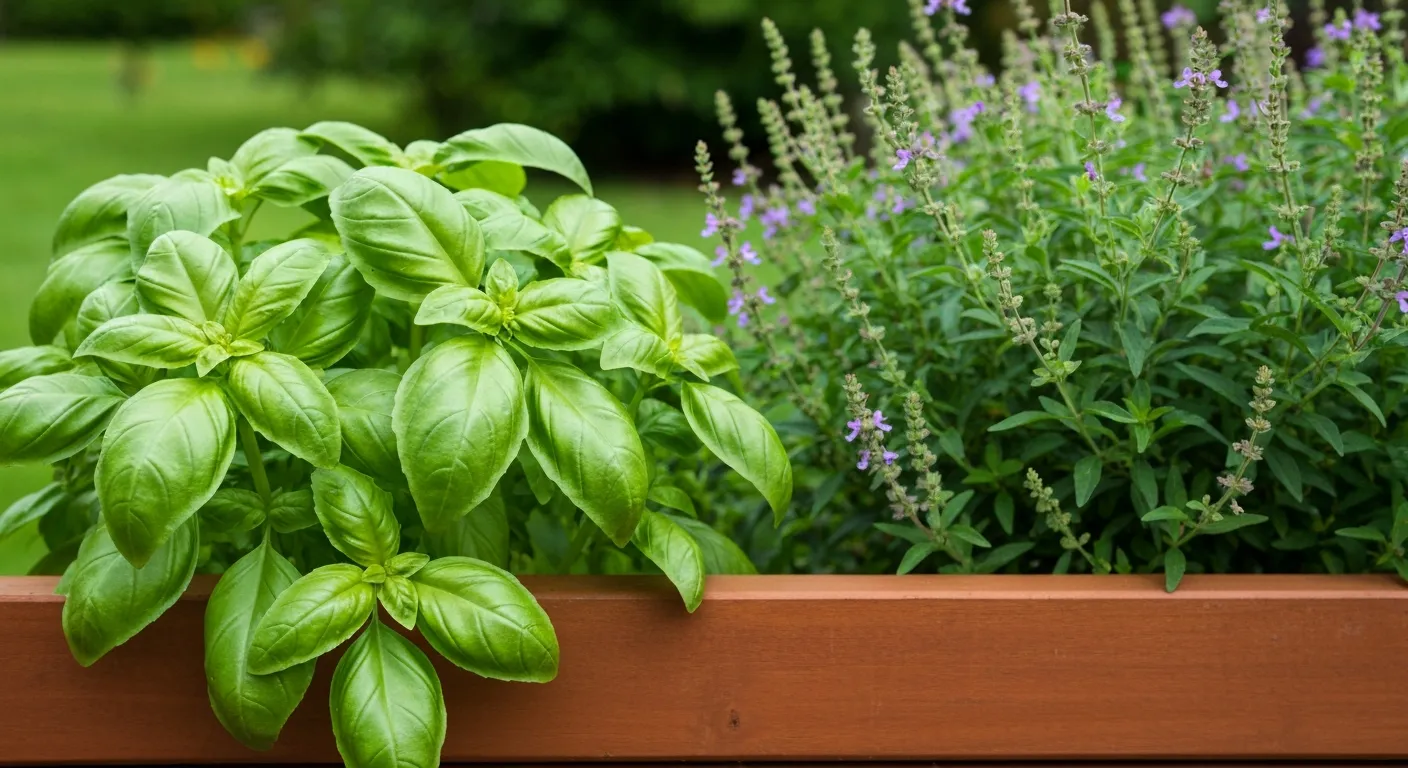
Basil

Basil is an aromatic herb whose strong scent can deter pests, like thrips, which can stunt the growth of the cantaloupe and cause discoloration. Basil can grow quite tall because of its fast-growing nature. However, if it is maintained and pruned regularly, it won't be an issue for the cantaloupes growing next to it.
Basil has a shallow root, which does not compete with cantaloupe. But if you have any doubt, plant them in a container and place them next to the melon patch for fewer pests.
Beans

Beans are known to fix nitrogen in the soil. As cantaloupes are heavy feeder plants, they can greatly benefit from having beans in the area. While they're growing, beans take nitrogen from the air and store it in their roots. After the beans die and are cut at the soil level, their roots break down and release the stored nitrogen into the soil. This provides ample nutrients to the cantaloupe plants.
You can consider planting pole and bush beans with cantaloupes in alternate rows. For pole beans, use trellises, cattle panels, or even corn as a natural trellis to guide them to grow upward, as cantaloupes will be spreading on the ground.
| Some Tips | Cut the old plants at the soil level when rotating bean plants. Leaving their roots in the ground can enrich the soil and feed your cantaloupes. |
Cilantro

Cilantro is a cool-season plant and does not handle heat well. But it still can be grown in a container or shaded region near the cantaloupes to reap maximum advantages. It can attract pollinators such as bees and butterflies, along with beneficial insects like hoverflies and beneficial pollinators that support the garden. It also draws predatory insects, such as lacewings, ladybugs, and parasitic wasps.
Additionally, it helps repel harmful bugs such as beetles, spider mites, and aphids, to help cantaloupes grow without any harm.
Herbs

Herbs like oregano, mint, and tansy are some of the best cantaloupe companion options, as their fragrance helps repel common garden pests that attack the melon and damage it. Also, you can consider planting mint with cantaloupe, as it helps deter whiteflies that are considered the worst pest for cucurbit plants.
If you are interested in combining herbs with other garden plants, you can also learn more about lemongrass companion plants to understand which crops can be positioned alongside this aromatic herb.
Several herbs grow in a compact manner, which can help prevent them from shading cantaloupe vines during the growing season. However, mint can spread aggressively, so growing it in a container is often a practical way to prevent it from taking over the garden bed.
Marigolds

Marigold is another one of the great companion plants for a healthy cantaloupe crop. They have a pungent odor that repels pests, such as aphids, whiteflies, and cucumber beetles. They also attract beneficial insects for added pest control. Their flowers can also draw pollinators to nearby melon plants and support melon vines. Also, the beautiful orangish color of marigolds makes them a charming addition to the garden.
However, it must be noted that marigolds should never be planted in the same garden bed or container. Consider planting them in a container next to the melon patch, or along the edge of the garden bed.
Carrots

Carrots, being root vegetables, help loosen the soil, which is helpful before you plant cantaloupe seeds. Carrots break up the soil and make it easier for cantaloupe roots to establish and grow. Low, early crops nearby can provide ground cover in the cantaloupe patch and suppress weeds before the vines spread. Also, the timing works well because by the time you plan to plant cantaloupes, carrots are usually ready to harvest.
Tips for Companion Planting for Cantaloupes
When growing companion plants, there are some considerations and planning to be made. Here are some essential tips to follow -
Spacing and Timing
When planting cantaloupes with companion plants, give enough room for both to grow without overcrowding. Also, be sure to plant them at the right time, as some companion plants need to go in earlier or later, depending on their growth cycles.
If you're gardening in a small outdoor space, companion planting can still be possible with careful container placement. Learning how to start a balcony garden can provide useful ideas for organizing plants when traditional garden beds are not available.
Low-growing companions can also serve as ground cover without crowding cantaloupes, provided they do not compete excessively for water, nutrients, or sunlight.
Monitoring and Maintenance
Ensure to check the plants regularly. This is because some companion plants may grow too aggressively, while others are better used as a trap crop that draws pests away from cantaloupes. Nasturtiums or similar flowers can be a great trap crop by luring aphids and other pests from the main planting, while also attracting predatory insects. Depending on the situation, you may need to make changes to the setup.
If grasshoppers become a problem in the garden, consider targeted approaches such as natural grasshopper spray rather than applying broad or unnecessarily harsh treatments around food crops. Always check the product label to ensure it is appropriate for edible plants.
Observation and Adjustments
Observe the garden to see if the companion plants are growing well, or if they are affecting the growth of the cantaloupes. If so, consider changing the plant and replacing it with easy to grow flowers as better options that can support the garden while you grow your own food. For the full picture of soil, sun, and watering needs, our guide on how cantaloupes grow covers everything alongside these companion planting tips.
Conclusion
It’s not very hard to grow cantaloupes, as they need only three things to grow - sufficient sunlight, water, and proper nutrients. And once harvest time comes around, you might find yourself asking can dogs eat cantaloupe, since homegrown melons are hard to keep to yourself.Also, they don’t need to be grown in seclusion. Though some plants are not suitable for them, there are other options you can incorporate. Gardening requires good research to make sure the plant you are incorporating with the cantaloupe will help it grow, not weaken.
They also don’t need to be grown in seclusion. Though some plants are not suitable for them, there are other options you can incorporate into the garden. Gardening requires good research to make sure the plant you are incorporating with the cantaloupe will complement its growing conditions rather than create unnecessary competition.
Good garden management also means dealing with unwanted plants safely. If weeds become a problem around the melon patch, avoid experimenting with hazardous substances. For example, before considering fuel as a homemade weed treatment, understand the risks associated with the question will gasoline kill weeds and choose a safer weed-control method instead.
With proper spacing, timing, monitoring, and plant selection, companion planting can help you make better use of your garden space while creating a diverse and productive growing environment.