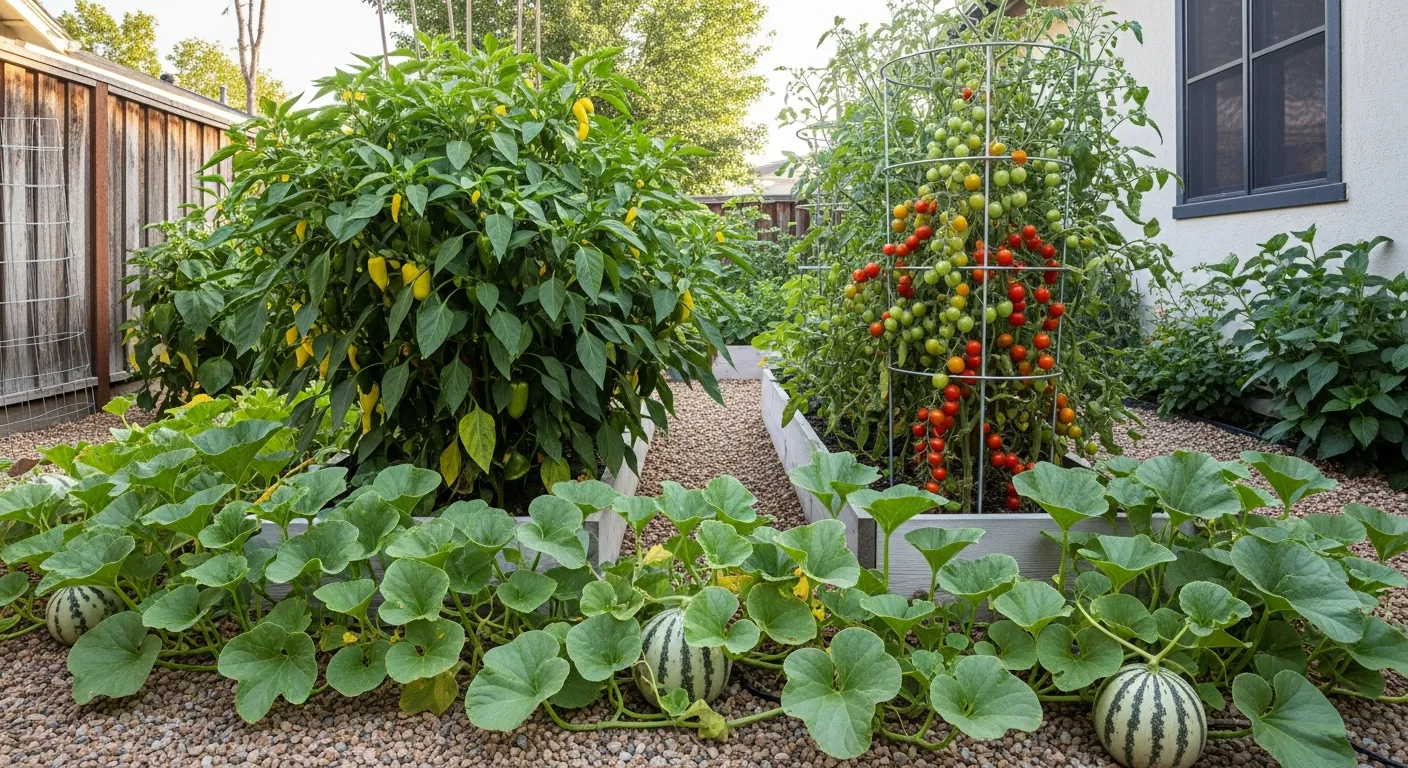
Watermelon and cantaloupe are a type of melon that belongs to the cucumber family, Cucurbitaceae. They grow under plenty of sunlight and warm temperatures, providing vitamin K, dietary fibre and potassium. Many homeowners and gardeners prefer to plant them in their outdoor garden, but these plants tend to take up a lot of space due to their long, widespread roots.
Since these similar vining plants come from the same family, you can consider planting them together. Watermelon and cantaloupe are both backyard favorites, and once you know how cantaloupes grow, it's tempting to just tuck a watermelon vine in right beside it. Here's why that's not always a good idea. However, it can be the reason for the same pest-related issues in them, because they attract the same bug - spider mites, which may cause the same pest infestation. Thus, watermelon and cantaloupe shouldn't be planted together.
Reasons Not to Plant Watermelon and Cantaloupe Together
The following are multiple reasons not to plant watermelon and cantaloupe together.
Lack of Space
A small space could be an issue when it comes to planting both watermelon and cantaloupe together. Both consist of long watermelon vines; they can spread 6 to 20 feet, and cantaloupe also needs significant room to gain more sunlight. This can result in a lack of light, soil moisture and nutrients for both the plants. Additionally, dense vegetation may cause a humid environment on the soil surface, leading to potential fungal diseases. Giving each plant enough room and preventing overcrowding also helps protect fruit quality and yield.
Cross-Pollination Concerns
Some close-related vegetables like pumpkins (Cucurbita pepo) and Squash (Cucurbita) cross-pollinate with each other's flowers, but melons have separate male and female flowers on the same plant, so watermelon and cantaloupe don't cross-pollinate or produce hybrid fruits. Insect pollination is still essential for both crops, because bees must carry pollen from male flowers to female flowers for fruit set. But, different varieties of cantaloupes, honeydews and muskmelons can cross-pollinate with each other, if planted within a closed range in the garden.
Considering the genetics of these plants, cross-pollinating may produce fruits with different qualities, which may not taste good. Therefore, it's better to plant different types of melons separately.
Pest Infestation
Both watermelon and cantaloupe are attacked by many of the same pests. Thus, growing them together could be an issue for your garden. For instance, if stem borers attack watermelon and are not treated, the pest will gradually shift toward cantaloupe vibes, harming the plant as well.
There are many diseases that can be threats to these plants. For example, alternaria blight, bacterial wilt, fusarium wilt, leaf spot, powdery and downy mildews could be potentially harmful. These plants can also be attacked by cucumber beetles, squash vine borers, pickleworms and squash bugs. For example, cucumber beetles spread bacterial wilt around the entire garden. Avoid planting cucumbers nearby because they attract striped cucumber beetles that can harm watermelon. Zucchini is also a poor neighbor because it attracts pests that can spill over and damage the crop. Tomatoes are another bad companion since tomatoes compete for nutrients and can block sun. Potatoes can also draw melon aphids that harm watermelon plants.
We've also noticed that watermelon and cantaloupe don't handle bacterial wilt the same way, and that difference matters more than most gardeners realize. According to University of Maryland Extension, watermelon is almost immune to bacterial wilt, while cantaloupe is far more susceptible once striped cucumber beetles start feeding. That means a bed of watermelon can quietly host beetles carrying the bacteria without showing any symptoms, while a cantaloupe vine planted right next to it picks up the infection and wilts within days. If you've dealt with bacterial wilt in cantaloupe before, that asymmetry is one more reason to keep the two crops in separate beds rather than side by side.
Hence, it's wise to plant both watermelon and cantaloupe in different garden beds to decrease the risk of diseases and pest infestation. Before finalising the location, gardeners should also check what not to plant with cantaloupe so that incompatible crops are not placed nearby.
How to Grow Watermelon and Cantaloupe Together?
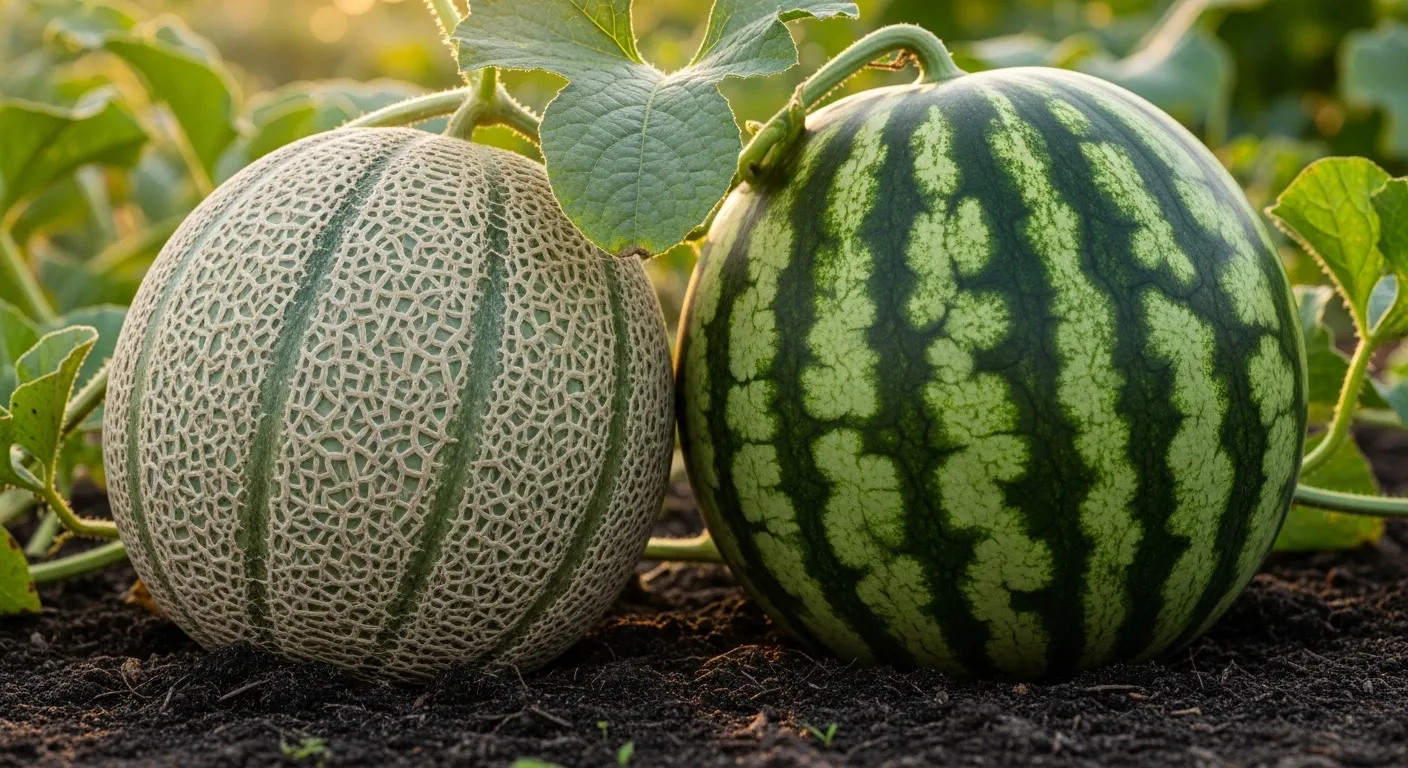
It's not practical to grow them together. However, you can still plant them side-by-side in the same garden bed if the area is spacious enough to incorporate both plants, and a trellis can help save space for cantaloupe if needed while improving air circulation. Both crops also need consistent moisture during active growth and fruit setting. Additionally, the ideal way to grow and produce these plants is to plant them in separate garden beds or on two different ends of a huge garden.
Moreover, gardeners must stay alert and keep a watchful eye on the plants to avoid and treat weeds, disease, pests or other major issues. Also, opt for a chemical-free and bee-friendly garden so that bees can pollinate the melon flowers by moving pollen between male and female flowers.
Getting the best time to plant cantaloupes right becomes even more important when you're fitting two space-hungry vines into the same season.
You can also place growing melon fruits on a scrap of plywood to avoid surface contact with the moist garden soil. It can prevent rotting and avoid potential insect issues in the ripening fruits.
Alternative Way to Grow Watermelon and Cantaloupe
It is clear to say that watermelon and cantaloupe aren't a suitable pair of companion plants, as it's risky and difficult to grow them together. But you may achieve it with proper monitoring sessions and other suggestions. However, if you prefer a less risky plant growth, opt for suitable companion plants of both watermelon and cantaloupe.
Companion plants can also include herbs and flowers that help diversify the garden. For example, gardeners researching lemongrass companion plants can find options that may be incorporated into a broader companion-planting strategy, depending on the growing conditions and available space.
What is Companion Planting?
Companion planting is an appropriate way to fulfil the desirable niches of two or more plants, which prioritises their health and contributes positively to the garden's ecosystem.
Hence, plant watermelon and cantaloupe with the best companion plants, including suitable watermelon companion plants, to gain better plant health and increase productivity by supporting beneficial organisms, including preferable insects, fungi and bacteria. Also, it can help deter pests and prevent pests around these crops and other plants in the garden while limiting the access of potential diseases.
Watermelon isn't the only crop cantaloupe doesn't get along with, so before you finalize your garden bed, check out what not to plant with cantaloupe for the full list.
Companion Plants for Watermelon
- Plant marigolds as they naturally repel aphids, and their flowers attract pollinators, while adding some colour and variety.
- Plant herbs with radishes and lettuce, where lettuce can grow faster than a watermelon and helps keep the soil moist while suppressing weeds around it, which easily protects the plant. Radishes can deter pests like aphids by drawing damage onto their own leaves. It is also beneficial for watermelon seeds as it helps them grow better.
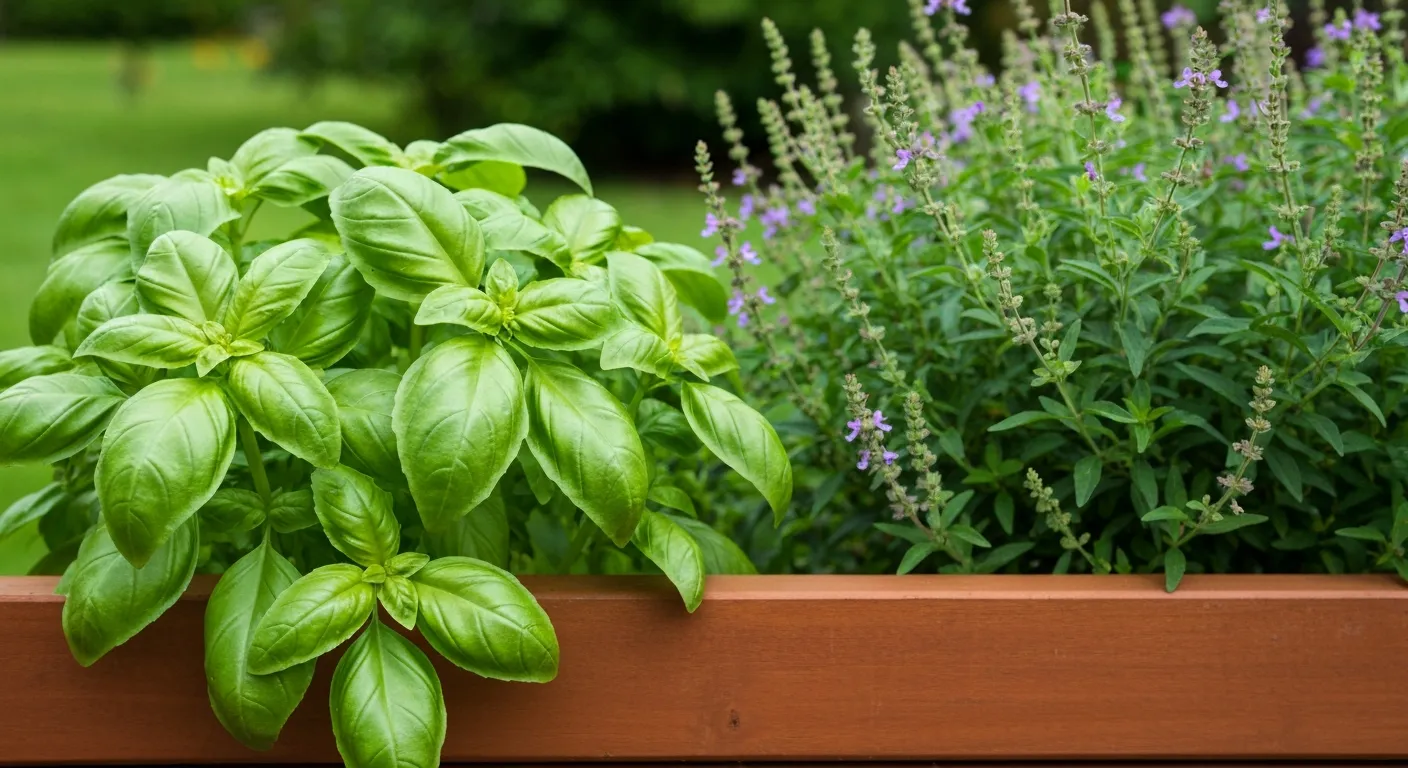
- Plant basil nearby, as it helps deter pests such as mosquitoes and flies around watermelon.
- Once your cantaloupe and watermelon are both ready to pick, you might find yourself with more than you can eat, and if the dog is giving you those eyes, here's can dogs eat cantaloupe to find out how much is safe to share.
Companion Plants for Cantaloupe
- Plant bush beans, as they add nitrogen to the soil for nearby crops while staying low enough not to shade cantaloupe.
- Plant collard greens, as they can attract aphids and catch them to protect the cantaloupe.
Cantaloupe is among the heavy feeders and does best in rich, well-draining soil.
If you are gardening in a small outdoor space, growing melons may require additional planning because their vines need room to spread. Learning how to start a balcony garden can help gardeners understand how to make better use of limited growing areas, although full-size watermelon and cantaloupe may require more space than a typical balcony can provide.
Since watermelon and cantaloupe could be risky to plant together, their companion plants make the task easier and offer a tasty, ripened fruit. Cantaloupe often takes about 90 days to mature and ripen before harvest.
For weed management, avoid relying on harsh methods without considering their impact on nearby crops. Gardeners may come across questions such as will gasoline kill weeds, but using gasoline around edible crops or garden soil is not an appropriate weed-control method.