Sipping on a glass of fresh home-grown cantaloupe juice is one of the most refreshing things to do on a summer afternoon. A part of the melon family, Cantaloupe is a common plant grown by many people in the US for its sweet orange flesh. Also, apart from being juicy, this fruit is a storehouse of several healthy elements, including vitamin A, vitamin C, beta carotene, potassium, and folate. If you are planning to plant Cantaloupe in your garden, this guide can help you in many ways.
What is the Best Time to Plant Cantaloupe?
Cantaloupe is a summer plant and is extremely sensitive to frost. Usually, it is recommended to plant Cantaloupe seeds in soil when the temperature rises above 60 degrees Fahrenheit. So, if you reside in a warmer location, you can plant the seed outdoors and start nourishing it. If you live in a colder region, plant seeds 4-6 weeks before the last spring frost date. If you want the exact dates and soil temperatures to watch for in your area, our guide on the best time to plant cantaloupe breaks it down step by step.
How to Choose the Best Location to Grow Cantaloupe?
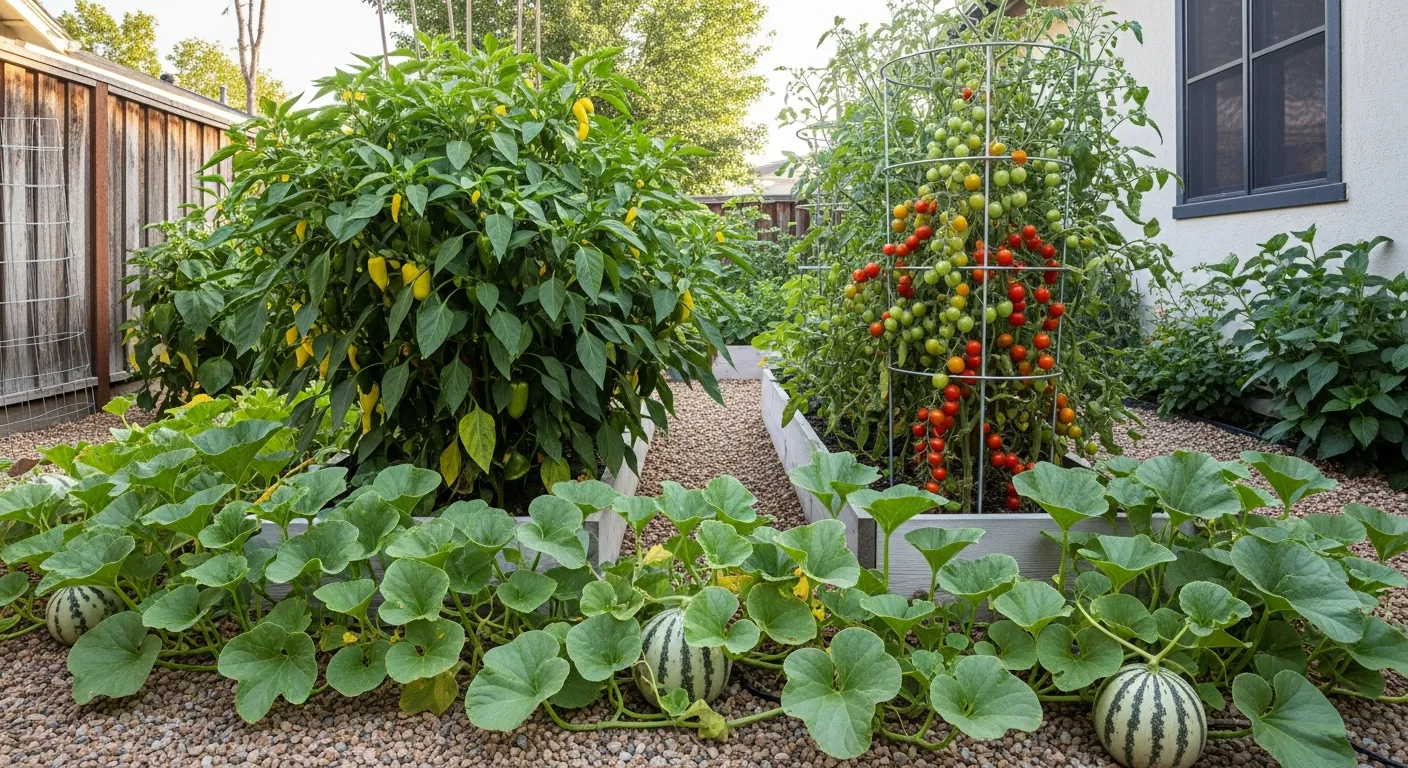
As Cantaloupe is a summer plant, you must always choose a sunny spot for the plant. At the same time, pick a location with well-drained soil. Many people even plant cantaloupes in containers. In that case, make sure you use a large container to allow the plant to grow well. One important point is that you must not plant Cantaloupe anywhere near watermelons, as Cantaloupe can attract diseases and pests from watermelons. Before you settle on a spot, it's worth checking what not to plant with cantaloupe, since a few common garden crops can stunt its growth or invite the same pests.
How to Plant Cantaloupe?
You will require proper planning to grow Cantaloupe in your garden. Whether you directly sow the seeds in your garden or first wish to grow it indoors, following these steps will help.
Preparing the Soil
Till the soil almost a foot deep, mixing rough soil after removing all the hard bits such as stones. Cantaloupe grows on mounds. Replace the excavated earth with a combination of manure and compost to create bulges. You can also place a weed matting or a plastic film before planting to warm the soil a bit.
Sowing the Seeds
If you wish to sow the seeds directly outdoors, the ideal time is 10 days before the last frost date and when the soil temperature has reached at least 65 degrees. However, if you wish to start indoors, you can sow the seeds in a biodegradable seedling pot. Ensure it has rich planting soil, and give it enough moisture without flooding it. Once you notice a few leaves after a month, you can transplant the pot outdoors without disturbing the roots.
Spacing Between Each Mound
Cantaloupes grow in mounds. However, the spacing between each mound will depend upon whether you want to grow the plant vertically or on the ground. If you want to grow the plant on a trellis, you must keep 12 inches between each mound in the same row. However, if you want your plants to grow on the ground, you must keep 36 to 42 inches between each mound.
Planting the Cantaloupes

Once the soil temperature is 70 degrees Fahrenheit or so, you can plant rows of several mounds with Cantaloupes. If you are transplanting a plant that you have grown indoors, you must carefully plant the biodegradable pot at the center of each mound. If you are sowing the seeds directly, you must place 5 Cantaloupe seeds at a depth of 1 inch in each mound. Make sure that there is a gap of about 18 inches between two rows. While planting, make sure that you have provided enough moisture to the soil.
How to Care for a Cantaloupe Plant?
Just sowing the seeds or planting the Cantaloupe plants carefully will not be enough to get sweet orange fruits. You must show intensive care to the plants, which will include several factors.
Proper Sunlight
Cantaloupe is a summer plant, so that it will require enough sunlight. It should get at least 6 hours of direct sunlight for healthy growth and to keep the foliage dry and free from fungal diseases.
Right Amount of Water
Cantaloupes require a good amount of water throughout their lifespan. You must ensure that the plant gets 2 gallons of water every week during its period of blooming and setting fruits. Watering in the morning is the best practice to ensure that the leaves do not dry up by noon. However, aim to slow down watering at the final stage, as dry conditions are highly suitable for producing the sweetest Cantaloupes.
Correct Amount of Fertilizer
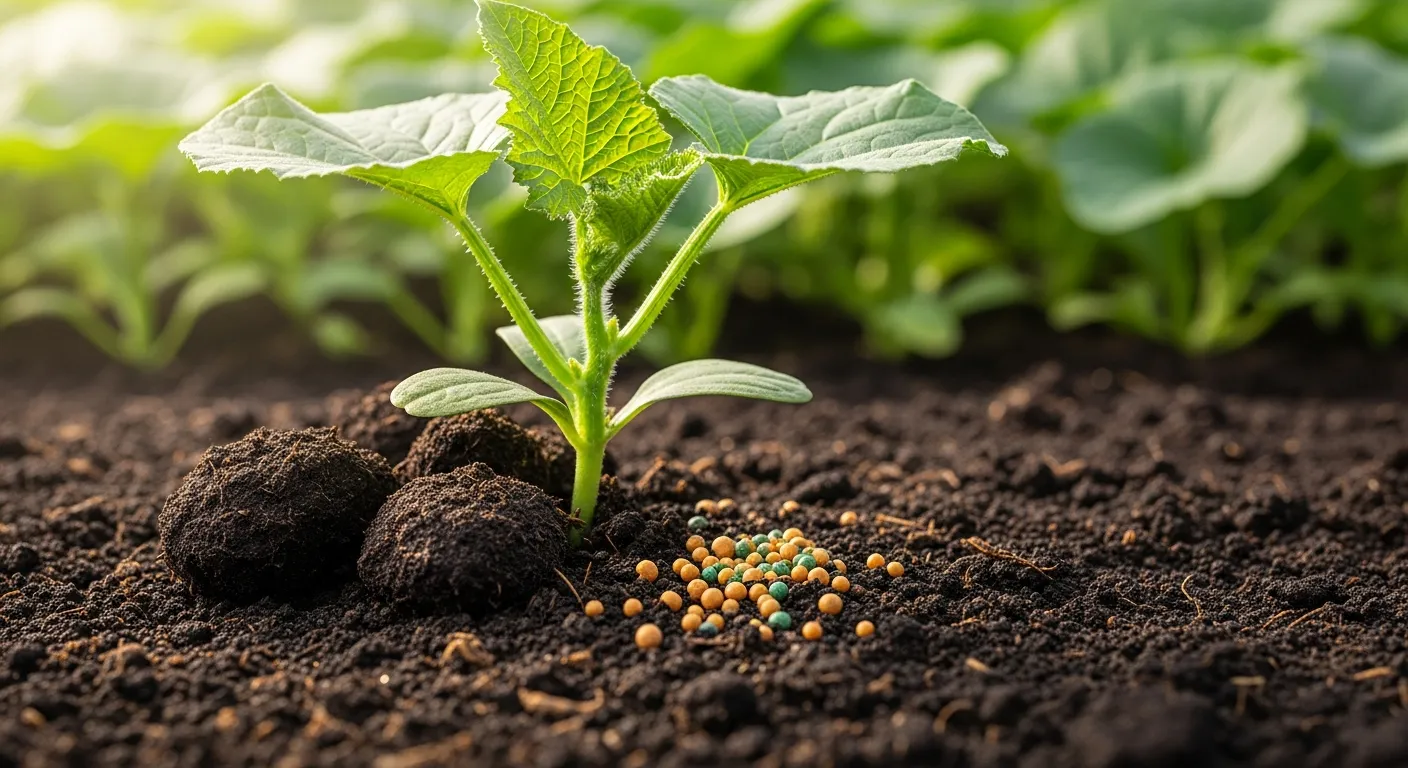
Always run a soil test before using fertilizer for cantaloupe, as excessive nitrogen can damage the foliage. However, if the soil quality is poor, you can add composted manure during planting, followed by a balanced organic fertilizer every few weeks.
Pollination
Often, bees and wind help pollinate the Cantaloupe plants. However, if you notice that the vines are not producing fruit, it means you may have to help the plant pollinate. Take one of the male blossoms with thin stems and take off the petals, keeping the stamen untouched. Now, take this stamen to one of the female flowers and shake it to cover the flower with pollen. Follow this same method throughout the plant.
I've found that hand pollination usually becomes necessary on cool, overcast mornings when bees aren't as active, or in smaller urban gardens with fewer pollinators around. Before you start, it helps to know how to tell the flowers apart: male blossoms sit on thin, plain stems, while female flowers have a small swollen bulge at the base, which is the immature fruit waiting to be fertilized. Utah State University Extension confirms this pattern, noting that the first flowers to open on the vine are male, with female flowers following later and identifiable by that same swelling at the base. Cantaloupe flowers are only open for a few hours each day, so hand pollinate as early in the morning as you can.
What Are the Common Problems While Growing Cantaloupe?
Growing Cantaloupes can get problematic sometimes if you do not follow the basic rules. Here are some of the common problems that you might face.
No Fruits on the Vines
Your plant might be flowering, but you cannot see any fruits. Stress and low pollination are two of the prime reasons for this. Apart from this, there can be other diverse causes, including planting in a small container, excessive heat, and inconsistent watering.
Solution: Perform hand pollination to encourage flowering. Similarly, offering shade during excess heat and regular watering are some of the fixes.
This is also why so many gardeners ask about growing watermelon and cantaloupe together, since the two vines can cross-pollinate and compete for the same space.
Cracked Fruits
Sometimes you might notice that the fruits on the plant are cracking. This happens when the soil moisture suddenly changes, such as a heavy rain after drought.
Solution: Mulching, balancing moisture, and harvesting at the right time are some of the possible solutions to this problem.
Insects
Insects can attack ripened Cantaloupes if you do not pay proper attention.
Solution: Make sure to harvest the fruit as soon as it ripens. Also, check regularly to remove cracked or damaged fruit as soon as possible, as these most commonly attract insects.
What Are the Common Pests and Diseases That Affect the Cantaloupe Plant?
Have you suddenly noticed your plant withering? Pests and some common diseases can be one of the causes you must pay attention to.
Pests That Affect the Cantaloupe Plant
When you are growing a plant, one thing that you must surely pay attention to is the pests attacking the plant.
Aphids
These little pests are easily visible and feed on leaves to turn them from green to yellow. You can spray insecticidal soap on the leaves infested by Aphids to get rid of them.
Cucumber Beetles
These brightly colored bugs can damage anything from the vines, leaves, or even the fruits. Application of kaolin clay or neem oil on the infested area is one of the best options to treat such pests.
Cutworms
These worms are the most dangerous pests to Cantaloupe plants, as they can damage the seedlings and fruits. The best way is to handpick them at night and then spray insecticidal soap or neem oil on the infected area.
Squash Bug
This is another dangerous pest that damages the entire vine. While diatomaceous earth is a natural solution to these bugs, many people also consider cleaning these away using a wet-dry vacuum.
Common Diseases in Cantaloupe Plant

The Cantaloupe plant can catch some common diseases that you must know about.
Alternaria Leaf Blight
This is a fungal infection in which you can notice yellow spots on older leaves that spread to new leaves. The best remedy to prevent the fungal growth is by avoiding overhead watering and covering the crops with a rainproof tarp.
Downy Mildew
This is another fungal infection identified with brown spots on the leaves that slowly kill the leaves. The best treatment is to stop overhead watering and apply fungicide.
Fusarium Wilt
This is caused by a soil fungus that can damage the entire plant. Rotating the plants every four years or applying fungicide are some of the prevention methods to avoid this disease.
Mosaic Virus
Aphids spread mosaic virus, which is identified by a yellow pattern on the leaves, resulting in stunted growth or killing the leaves.
Powdery Mildew
These diseases usually cause a white layer on the leaves. This will not damage the plant but can alter the flavor of the fruit. Sanitizing your gardening tools before use is one of the effective ways to prevent powdery mildew.
Conclusion
Cantaloupes are known to be one of the sweetest melons, offering various health benefits. While growing your own Cantaloupe vines is a great idea, there are several rules that you must follow to enjoy sweet and fleshy fruit. A warm temperature, just the right moisture, and correct sowing of seeds are some of the common factors to take care of. If you follow these guidelines, you can surely enjoy your refreshing glass of cantaloupe juice from your garden this upcoming summer. Once your melons are ready to eat, the whole family can enjoy them, dog included; just check can dogs eat cantaloupe first to see how much is safe to share.