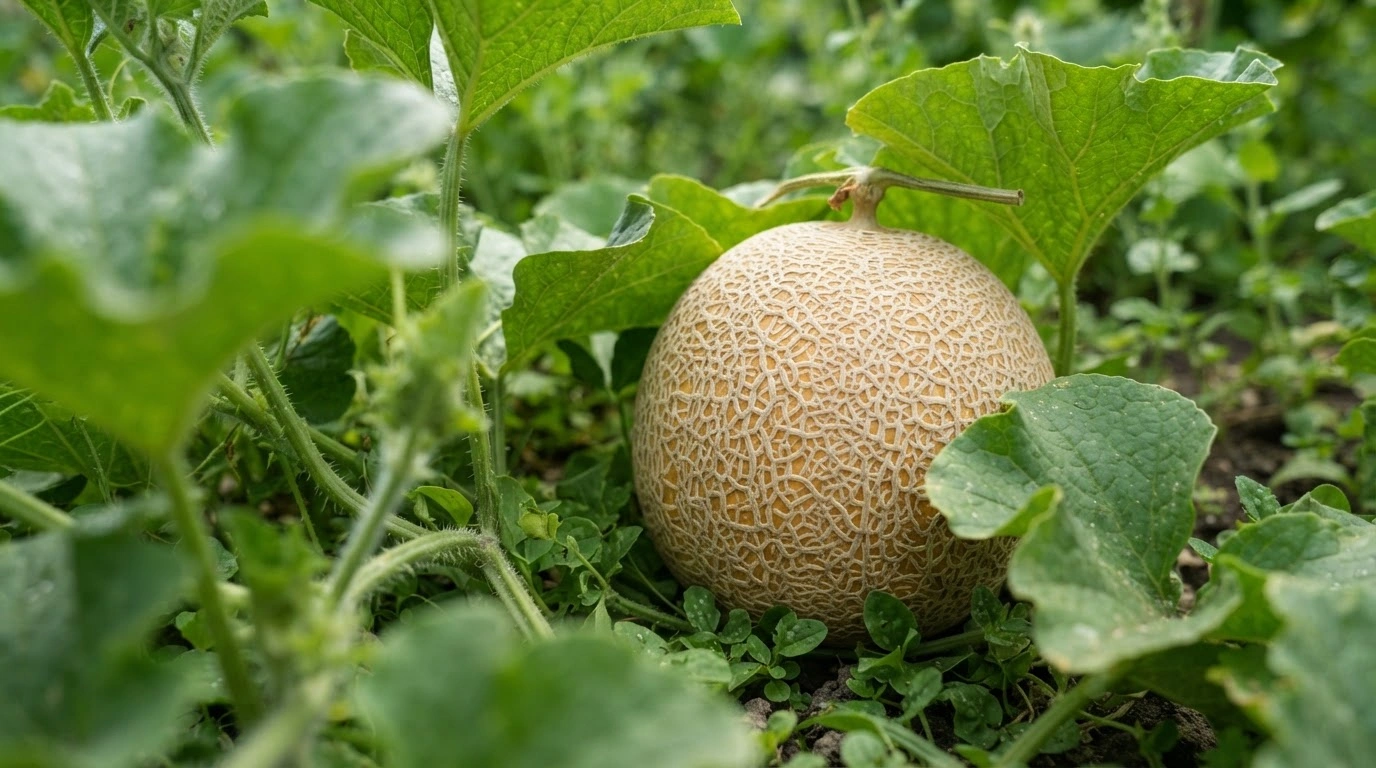
Cantaloupes, or muskmelons, are juicy fruit which many homeowners love to enjoy. They grow in summer, usually after the last frost. It is the type of melon with a tan-green rind covered with a spiderweb-like pattern and sweet orange flesh inside. Though it's available in the market, consuming a homegrown cantaloupe is a pleasure for any homeowner. However, the concern is how to grow cantaloupe and when to plant it. This blog covers it all, including the right growing time and the basic requirements to get healthy and juicy fruit.
When is the Right Time to Plant Cantaloupe?
Cantaloupes love warm seasons and hence thrive in hot weather with extended growing seasons. If you live in a warm climate, planting cantaloupe from seed is the best way to grow them outdoors. Once the last frost of the year is gone, you can sow seeds directly in the outdoor area, but only when the soil temperature reaches a minimum of 60°F (21°C).
If you live in a colder region and want to grow cantaloupe, the best time to grow them is 4-6 weeks before the last spring frost date. 2-3 weeks after the last spring frost has passed, transplant them outdoors, but check if the soil temperature has reached 60°F (21°C).
Basic Tips to Grow Cantaloupes
Just like any other plant, cantaloupe also requires proper sunlight, fertile soil, right spacing, and many more. Here is the detailed information:
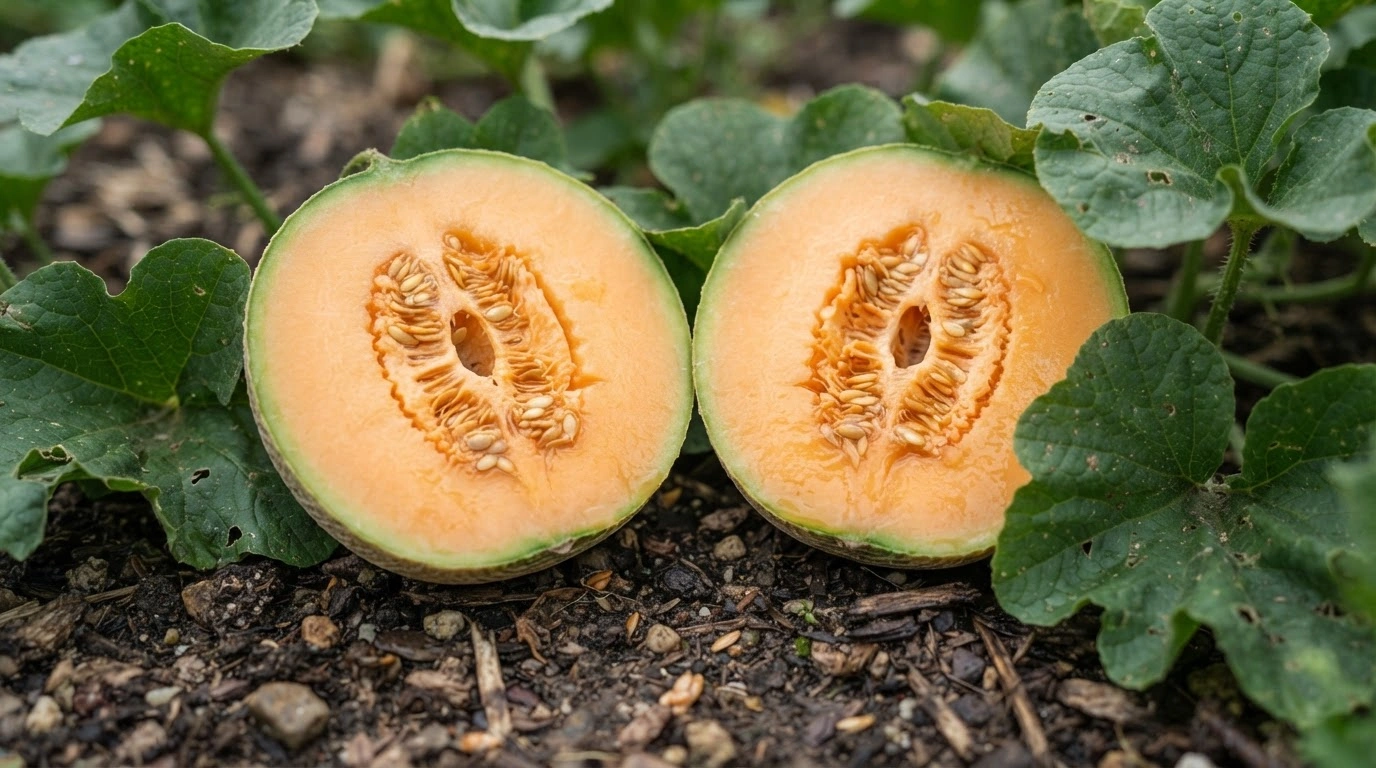
Right Timing
Timing impacts the growth immensely; hence, sow seeds when the soil is as warm as 60°F (21°C) and the nighttime temperature is above 55°F. These temperatures may vary based on the location and the weather conditions.
Proper Sunlight
Cantaloupe plants need a minimum of 6-8 hours of direct sunlight, as they thrive in full sun.
Enough Spacing
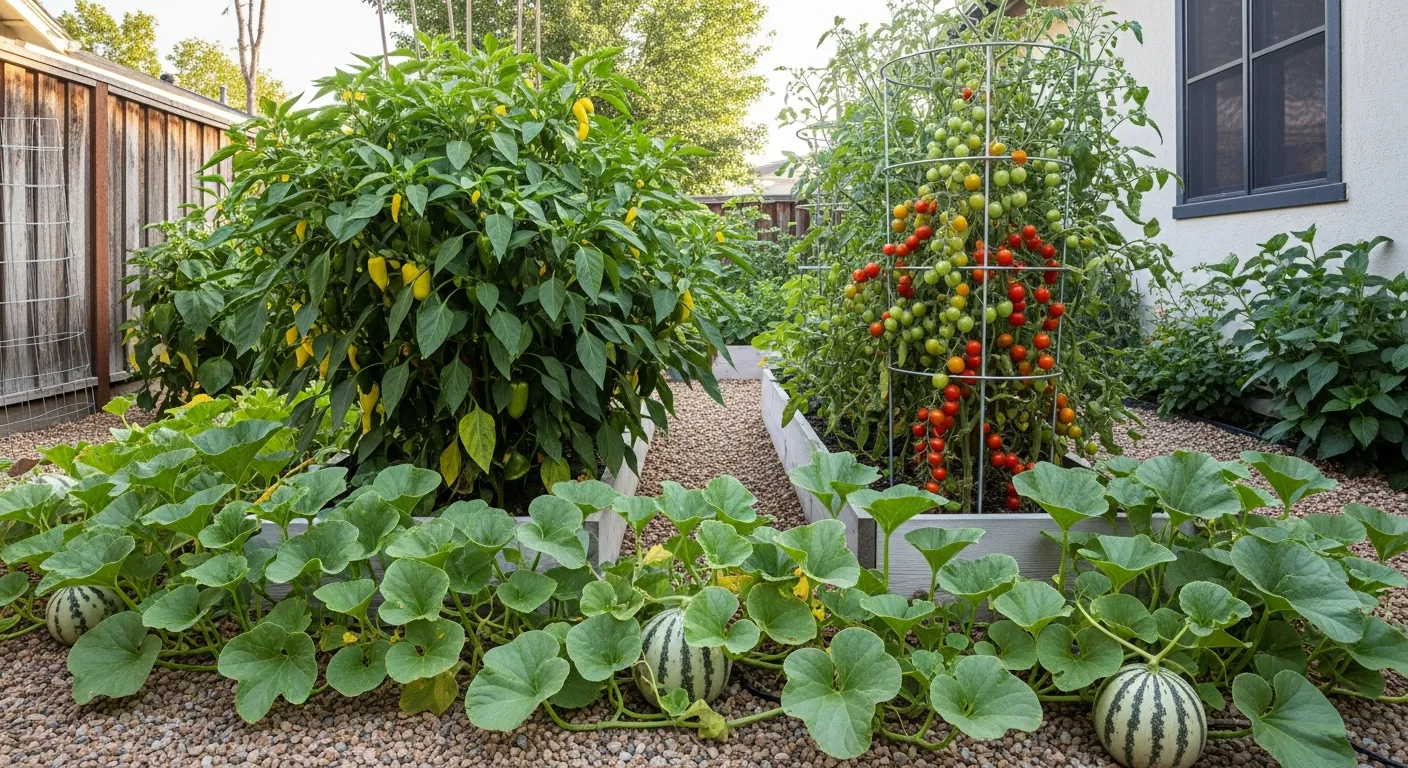
When growing a few cantaloupes, 6’ spacing in 360° directions of the seeds or plants is needed. Whereas, in case of row planting in a large garden, maintain space rows of 6’ and 18” space between the plants. It is for this reason that cantaloupes are mostly grown in hilly regions. However, to imitate the height of the hills, these plants can be grown on raised beds. Spacing isn't just about giving vines room to sprawl either; it also matters which crops you put nearby, so take a look at what not to plant with cantaloupe before you finalize your layout.
Soil Depth
The soil depth depends on the type of soil in your region. Usually soil depth of 10-12” or deeper is recommended, but if the native soil is heavy and you often face drainage issues, plant them in raised beds.
Soil Amendments
The best way to add nutrients to the soil is by adding organic compost or soil conditioner to the soil to a depth of 8-10”. It helps loosen up the heavy soil and hold more moisture.
Balanced Fertilizer
There are two ways to add fertilizer: mix granular fertilizer into the soil before planting cantaloupe for healthy growth of the plant. However, follow the instructions carefully before applying. The other method is to apply diluted liquid fertilizer.
Plenty of Water
The plant requires frequent watering when they are in the process of getting established. While developing foliage, the plant needs deep watering of 6” every week. Once the plant gets established and starts developing fruits, water it lightly but frequently. When fruits are on the verge of maturity, ensure the plant doesn’t get excess moisture.
Steps to Plant Cantaloupe
- Identify the spot where you want to grow the plant. Start digging multiple holes 3-4 feet apart, 6 inches deep and 12-18 inches wide.
- Mix compost or soil with essential nutrients in the dug-out soil. Then, fill the hole with the soil above the edge to ensure it forms high hills.
- Plant the seeds and water them to maintain moisture.
- Add mulch around the plants once it grows a few inches high and start to sprout. Mulch helps in preventing weed growth.
If watermelon is also on your list this season, read up on planting watermelon and cantaloupe together before you decide where each one goes.
| Tip | It can grow up on a trellis if there's a dearth of space. |
How to Protect the Plant From Pests?
Pests like cucumber beetles are the worst enemy of cantaloupe. These pests infect the plant with “bacterial wilt”, hampering the growth of cantaloupe. They can be identified by their small, yellow shape and size with black dots or stripes. The best ways to avoid them are:
- Delay the planting by 2-3 weeks because delayed time will give pests more time to emerge and find another place. However, this method won’t allow enough time for the plant to mature.
- The alternate method is to cover the young plants with insect netting or grow them under a transparent plastic polytunnel. This method imitates the greenhouse effect for better growth.
- Remove the cover to let pollinators do their work, but once flowers are formed.
What is the Right Time to Harvest and How to Harvest?
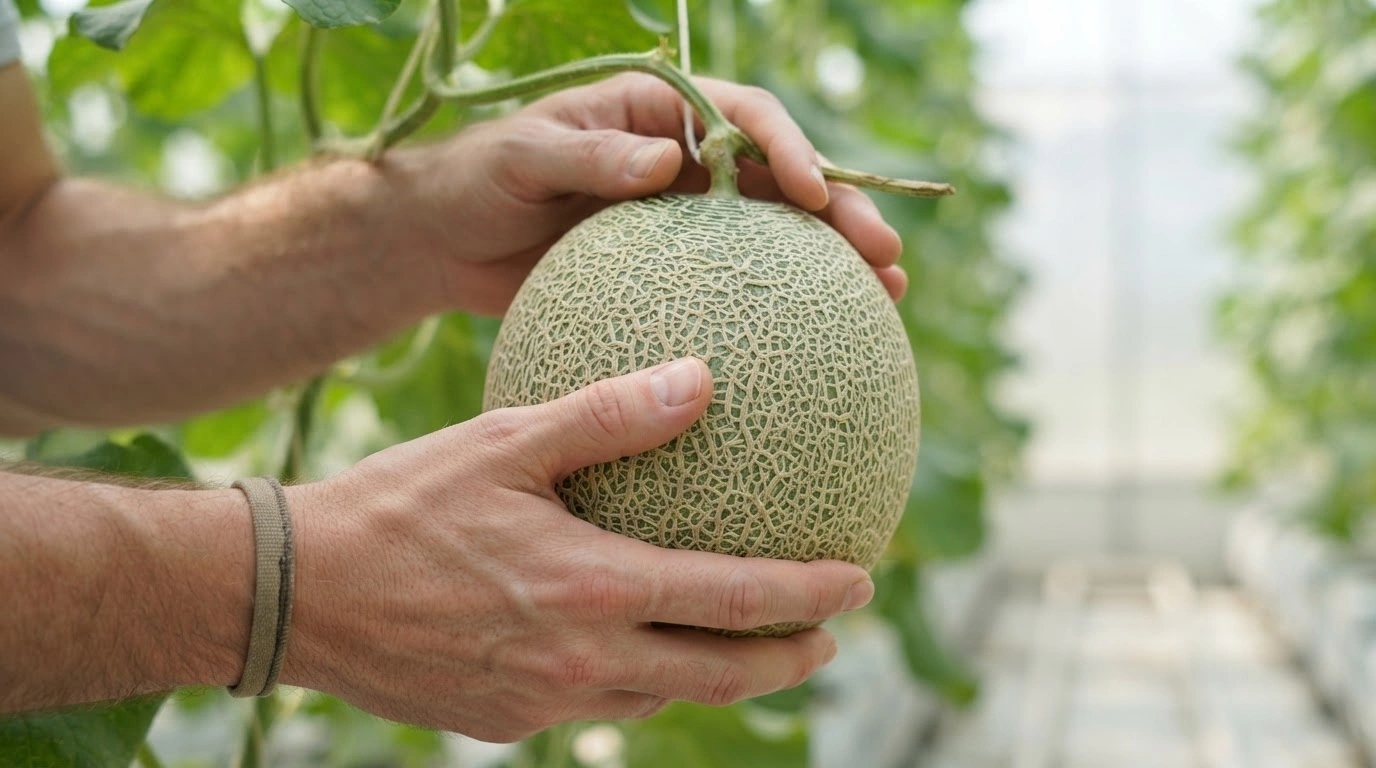
- When the fruit smells fruity and fragrant.
- When the outer surface of the fruit turns tan or yellow, it means it is ready to harvest.
- If you notice any crack in the stem where it is attached to the fruit, it’s an indication of ripeness. However, if the fruit falls on its own, it is a sign of over ripenness.
- When vines are dry, harvest the fruit without damaging them.
- Once you've harvested your cantaloupe, you might wonder if can dogs eat cantaloupe is something you can share with the whole family, pets included.
- You can store the uncut fruit for 5 to 6 days and cut fruit for 3 days.
One mistake I made in my first few seasons was waiting until the melon slipped completely off the vine on its own, thinking that meant peak ripeness. In reality, by the time a cantaloupe reaches what growers call 'full slip,' it's often already past its best and headed toward mealy. According to University of Maryland Extension, cantaloupes should actually be harvested a little earlier than full slip, once the netting has turned tan or yellow and the stem has started to crack but hasn't let go entirely. Picking a day or two ahead of what feels 'ready' almost always gives you a sweeter melon.
Conclusion
Planting cantaloupe is not a tough task if you plant it at the right time to enjoy the juicy fruit. There are a few basic requirements for the plant, such as full sunlight, balanced fertilizer, sufficient watering, and many more. The right harvesting time also matters; overripe fruit may come off the vine.