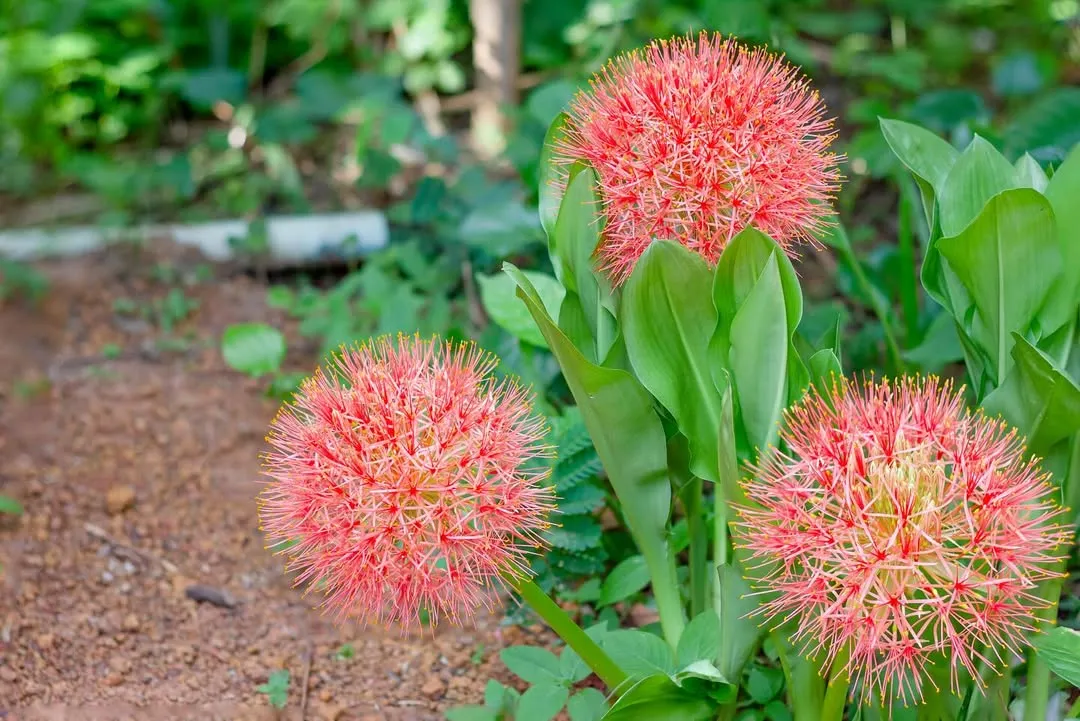
Blood lily, a native to South Africa, is a tropical perennial often grown in the garden or in the living room in a pot because it offers beautiful blooms. Blood lilies are poisonous to pets and humans, so just like me, many of you may be concerned about the toxicity of the plant. If any part of the plant, especially the bulb, is ingested, it can prove fatal as it contains toxic alkaloids. To avoid accidental ingestion, it’s good to know the toxicity level of the plant and what the basic tips are to consider. I have collated information that will help you know the dos and don'ts.
Which Parts of the Blood Lily Are Poisonous?
Though the plant is best known for its ornamental value owing to stunning flowers and foliage, the toxicity is a major concern for many like me. The bulb of the plant is most toxic, as it contains alkaloids that can be harmful when chewed and swallowed. The risk is doubled when kids or pets have access to the plant during planting or repotting.
My pet, Joey, once ingested a bulb, and I got scared like hell. Took him to his vet, and with God's grace, he was fine within a day. I could save him because he got Medicare immediately. Even the other parts of the plant, like leaves, flowers, or stems, can be toxic; hence, it should not be used as food at home. Though there is no evidence that other parts are toxic, be cautious.
What Happens If Someone Eats Blood Lily?
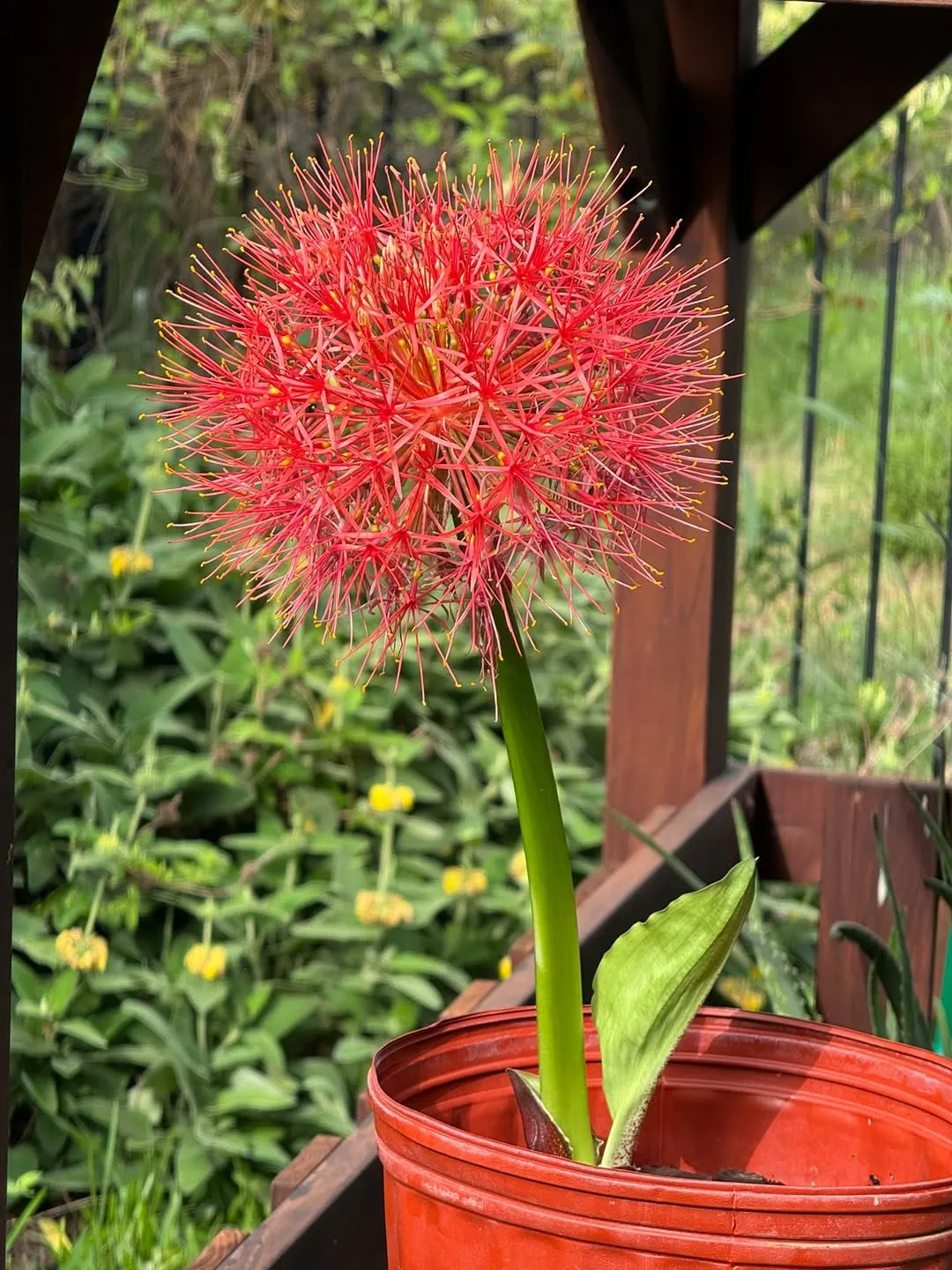
If somebody eats blood lily, it can be poisonous and can cause symptoms like nausea, excessive salivation, and more. The impact depends on the amount of plant consumed and the level of immunity of an individual. To some, even a small amount of ingested plant can be dangerous, while for others, even a considerable amount won’t affect much. Here are the signs of poisoning:
Nausea and Vomiting: Once the plant is ingested, it can cause sickness, which is the impact caused by consuming toxic compounds.
Stomach Pain: It can also cause abdominal discomfort, like cramping or pain in the stomach.
Excess Saliva: Plant toxicity can increase saliva production.
Diarrhea: Loose bowel movements are a sign of an upset digestive system, which is caused when blood lily parts are consumed.
Is Blood Lily Poisonous to Dogs and Cats?
Yes, it is toxic to dogs and cats if they ingest a part of the plant. Pets are highly curious about the things around them, and eating part of the plant(fallen flowers or bulbs) is part of their curious nature. As blood lilies contain toxic alkaloids, they can cause harm to pets. As per the North Carolina State Extension Plant Toolbox, parts of the plant, especially the bulbs, are toxic, causing nausea, excessive salivation, loss of appetite, gastrointestinal problems, vomiting, and diarrhea.
How To Handle and Grow Blood Lily Safely?
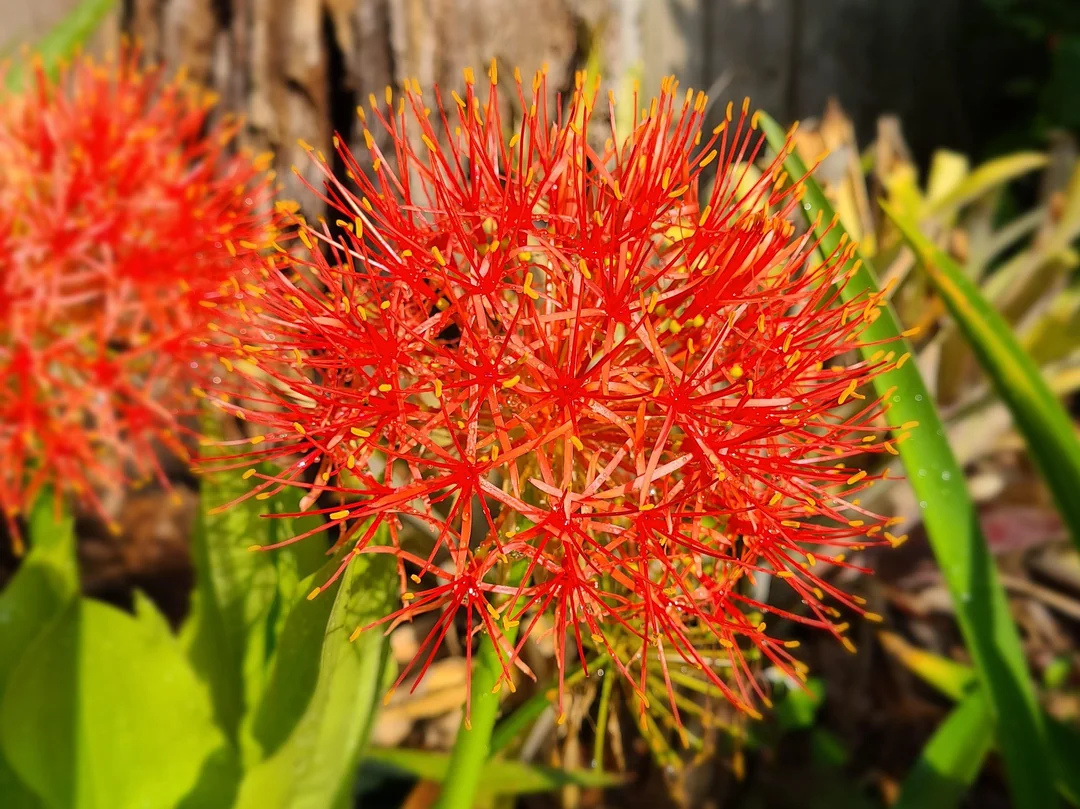
A few precautionary measures while growing blood lilies can reduce the chances of accidental poisoning. Blood lilies are grown mainly for ornamental reasons, so growing them and handling them safely can enable you to enjoy the sight of the plant in your garden or yard. Here is the list of precautions to consider:
Wear Gloves: Wear gardening gloves when planting, repotting, dividing, or while cleaning the plant material and damaged bulbs.
Wash Hands Thoroughly After Planting: As soon as the gardening work is finished, wash your hands properly with soap and water. Don’t touch your mouth until your hands are clean.
Keep Pets and Kids Away From the Plant: Select a safe place to keep the plant so that kids and pets don’t reach it. The best place is a high shelf or an enclosed area indoors and garden beds outdoors.
Safe Storage of Bulbs: Store dormant bulbs meant for future use in a safe place away from food, pet supplies, or toys.
Maintain Clean Tools: Once cutting and dividing work is completed, clean the gardening tools. Also, dispose of the discarded pieces away from the access of kids and pets.
What Should You Do If Blood Lily Poisoning Is Suspected?
Once you notice that a blood lily plant has been ingested, don’t wait for symptoms to develop and follow the steps below:
- Whether it’s a human or a pet, the first thing to do is remove the remaining part of the plant safely from their mouth.
- Without instruction from a professional, don’t induce vomiting.
- Contact a healthcare professional for humans and a veterinarian for pets at the earliest.
- Carry the plant to the vet or the healthcare professional for identification. This will help the professionals give the right care.
Final Verdict
Blood lily has undoubtedly a higher ornamental significance, but it contains alkaloids, which raise concern because once ingested, it can be fatal to pets, kids, and even adults. The only way to prevent accidental ingestion is to follow a few precautions discussed in this blog. Yet, if someone consumes the plant, take them to a professional for immediate care.