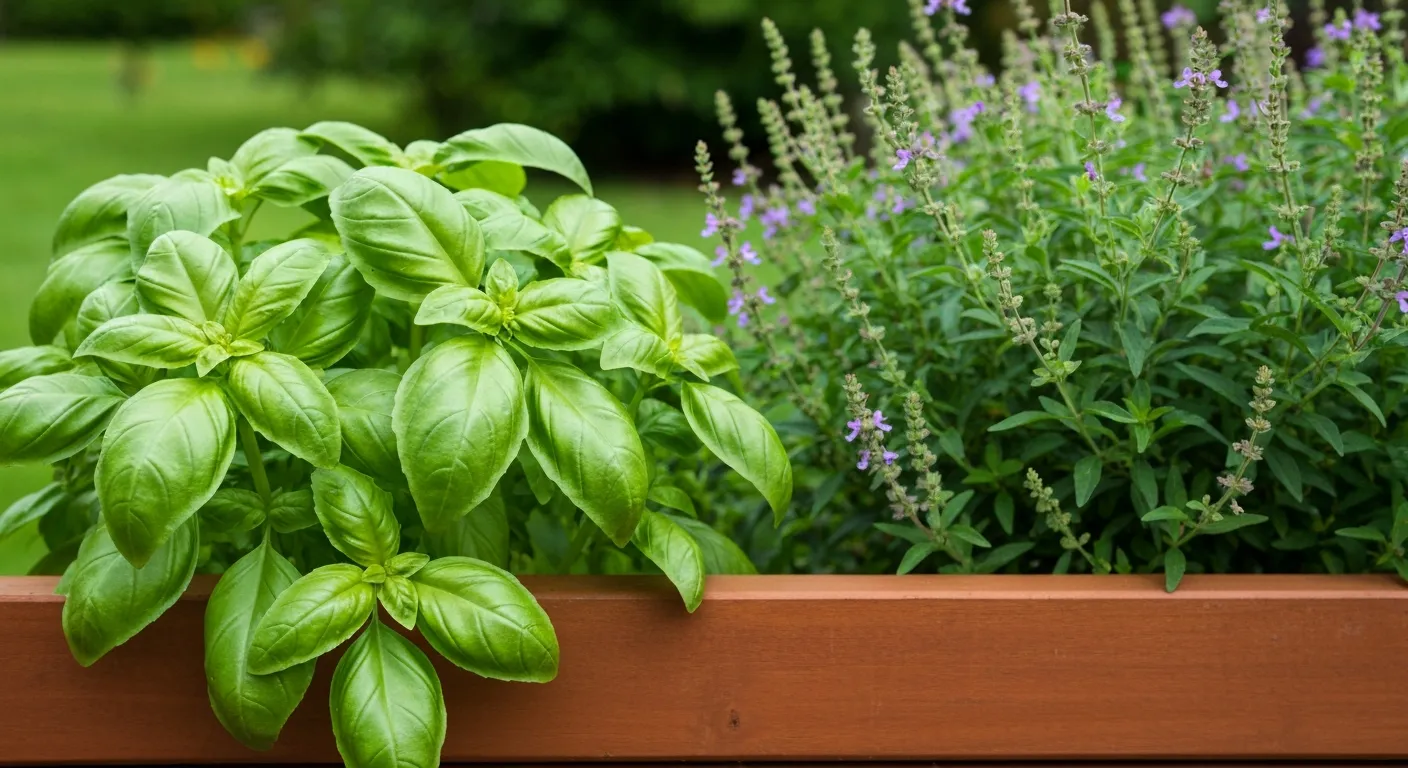
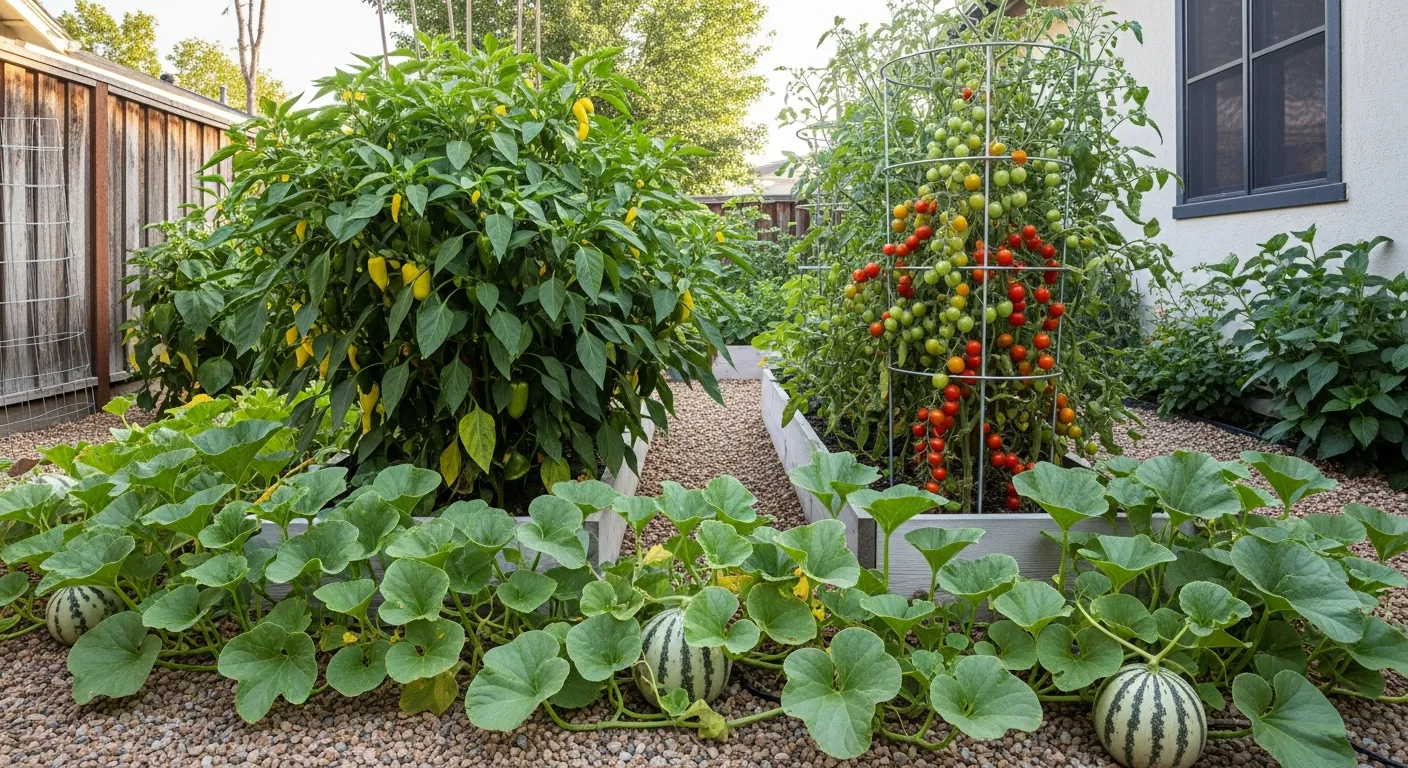
Lemongrass, also known as Cymbopogon citraus, is a tropical plant native to Southeast Asia. It is recognized for its citrus-like smell and taste. It also looks magnificent in gardens with its vibrant green foliage and strappy structure.
Lemongrass is also a sun-loving plant; therefore, companion plants for lemongrass should be selected with similar needs, i.e., plants that thrive in plenty of heat and light. Gardeners interested in growing several useful plants together may also want to learn how to plant a sprouted onion and incorporate kitchen staples into their home garden. This blog covers lemongrass, its companion plants, and places to grow them.
The Companion Plants of Lemongrass?
Lemongrass grows across Central America, South America, Guatemala, India, Paraguay, England, Sri Lanka, Africa, China, and other parts of Indochina. Lemongrass reaches up to 2 to 6 feet (60.9 cm-1.5 m). You can use herbs as companion plants, which also thrive in full sun and well-drained soil, just like lemongrass. These herbs could be cilantro, basil, thyme, mint, lemon verbena, echinacea, and marigolds.
All these plants have culinary and medicinal properties and can be used in many kinds of recipes.
12 Lemongrass Companion Plants
Here is a tabular list and details of lemongrass companion plants for your herb garden:
| Herbs | Fruits | Flowers | Vegetables |
| Basil | Lemons | Calendula | Legumes |
| Coriander | Mangoes | Chamomile | Nightshades |
| Thyme | Oranges | Marigold | Rhizomes |
| Some Tips | Before selecting a companion plant for lemongrass, ensure to check that those plants are not considered environmental weeds in your area. |
1. Basil
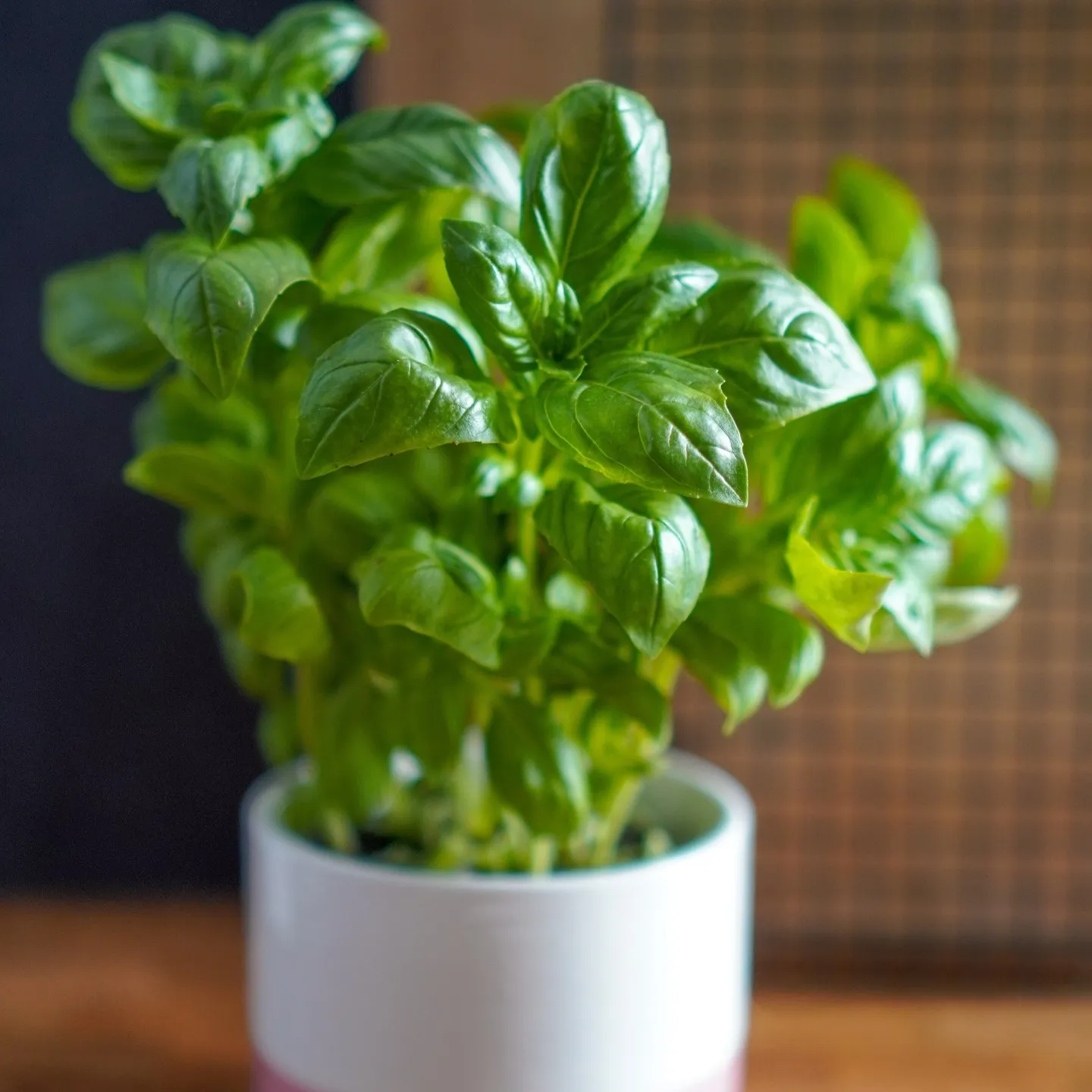
Basil is a sun-loving plant like lemongrass, as it thrives well in sunny areas and emits a strong smell that keeps the pests at a distance. Its strong scent can trick bugs and hide the delightful fragrance of nearby plants.
2. Oregano
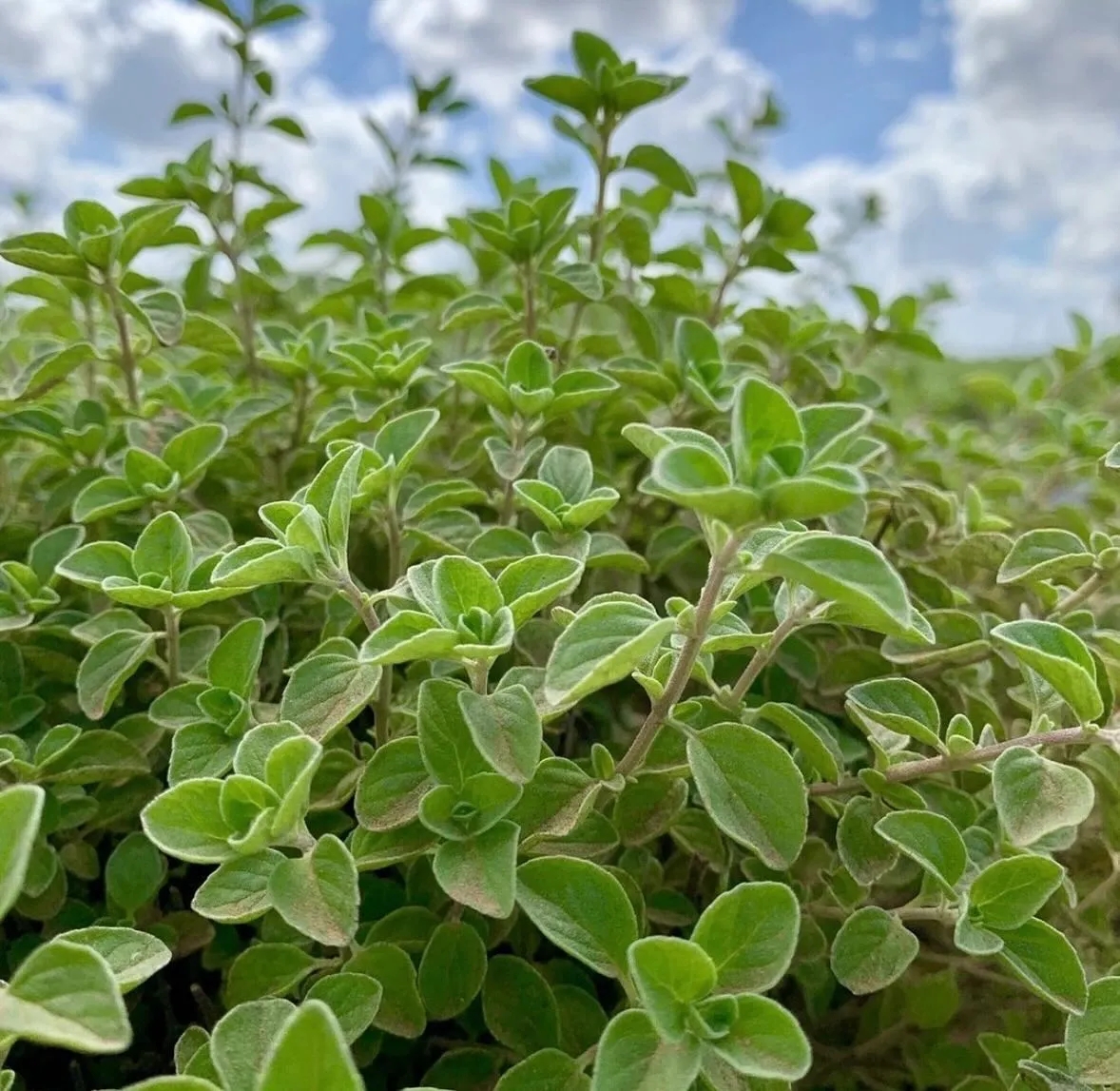
Oregano is a robust culinary herb that can grow well in similar climatic conditions to lemongrass. It can also repel pests due to its strong smell.
3. Mint
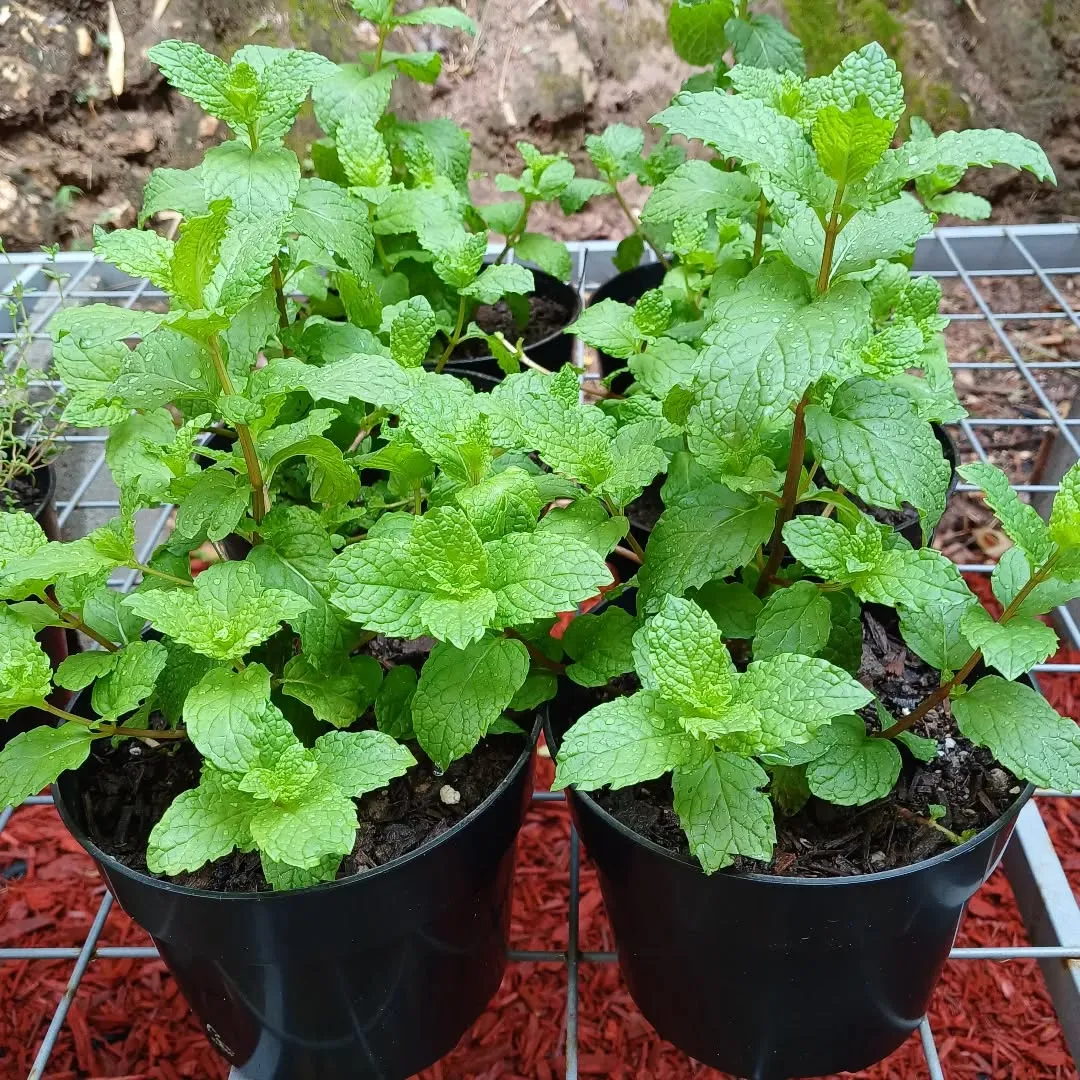
Mint is one of the natural deterrent plants used as pest control, as it emits intense and pleasant smells. It tends to grow vigorously but can be controlled with nearby lemongrass, stopping it from spreading over the entire garden.
4. Rosemary
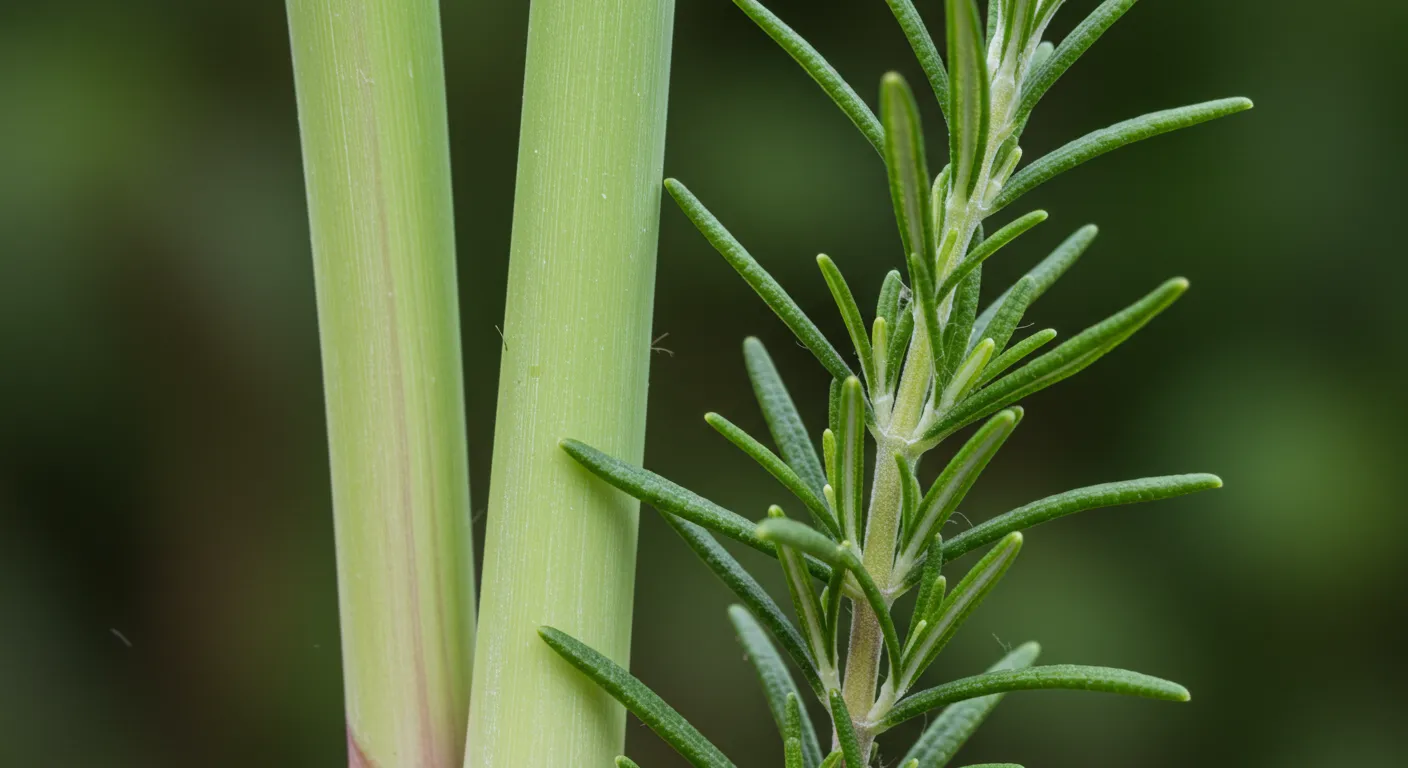
Rosemary possesses similar qualities to mint, as it can also be used for pest control. Its woody scent complements lemongrass and keeps various insects at bay.
5. Lavender
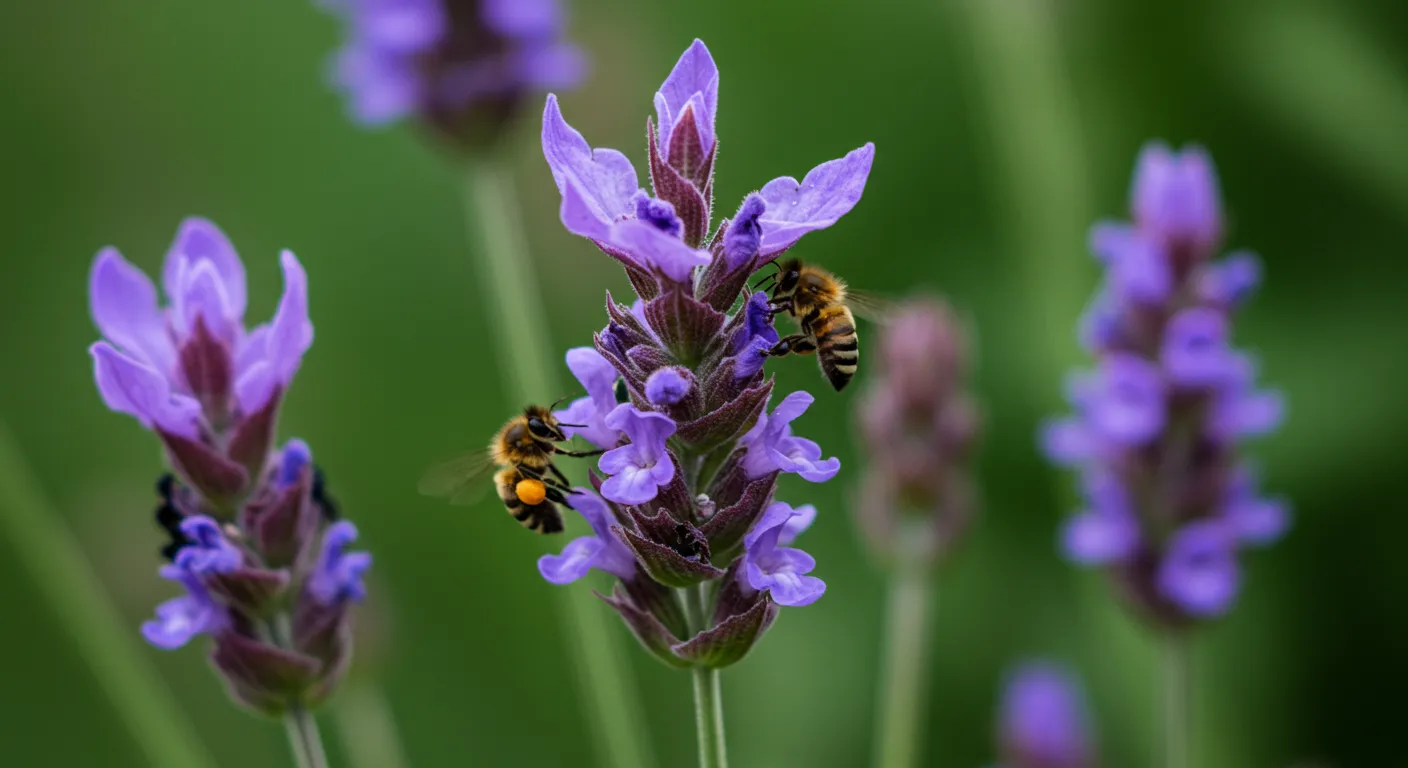
Lavender is a colorful plant that uses its sweet fragrance to attract pollinators. Its purple flower seamlessly adds a vibrant vibe while the strong scent repels the unwanted bugs.
6. Lemon Balm
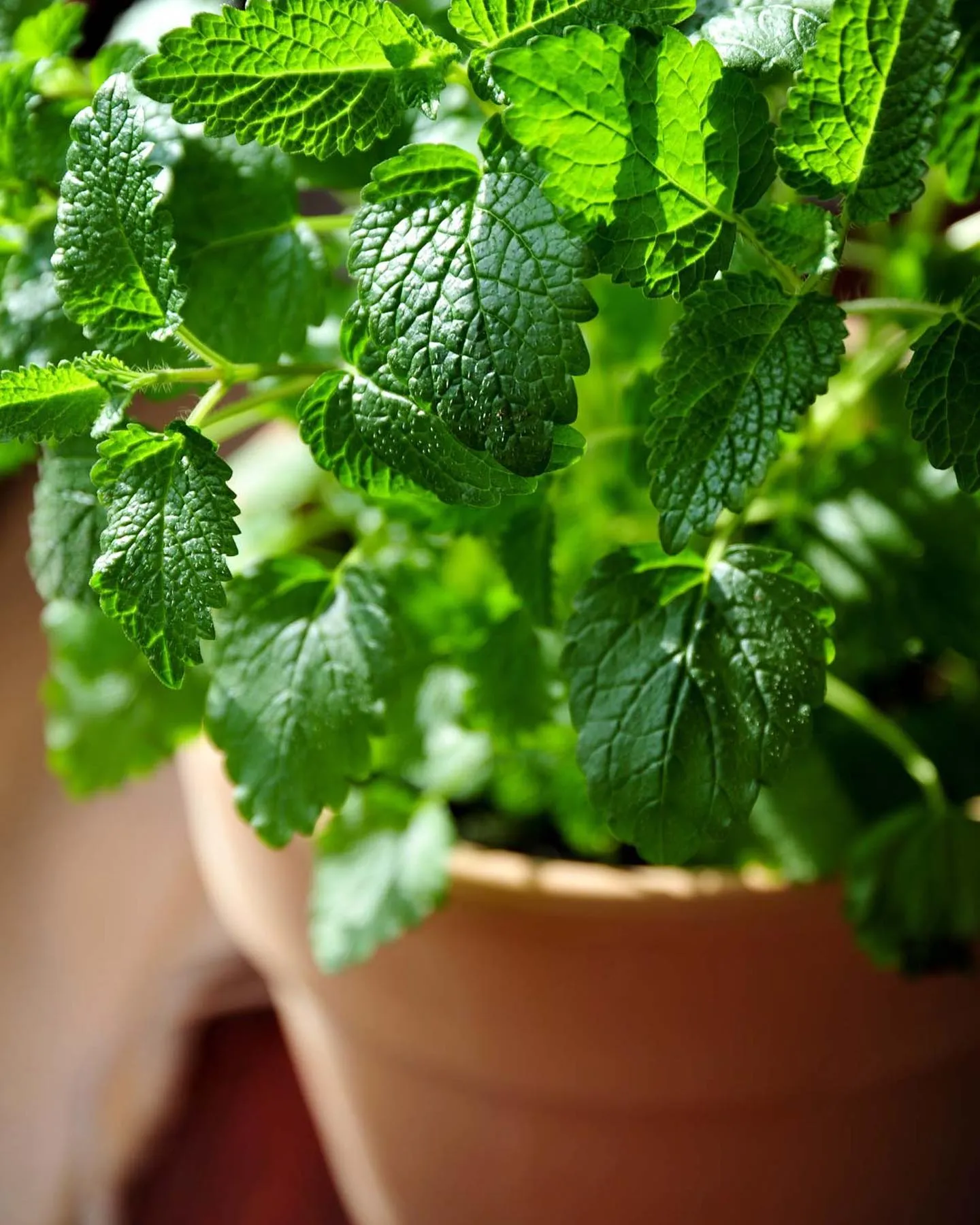
Lemon balm has a pleasant lemon-like fragrance and produces flowers that can attract pollinators. Since it can spread readily under favorable conditions, keeping it in a container can make its growth easier to control.
Container growing is particularly useful if you are learning how to start a balcony garden, as both lemongrass and several of its herb companions can be grown in appropriately sized pots.
7. Thyme
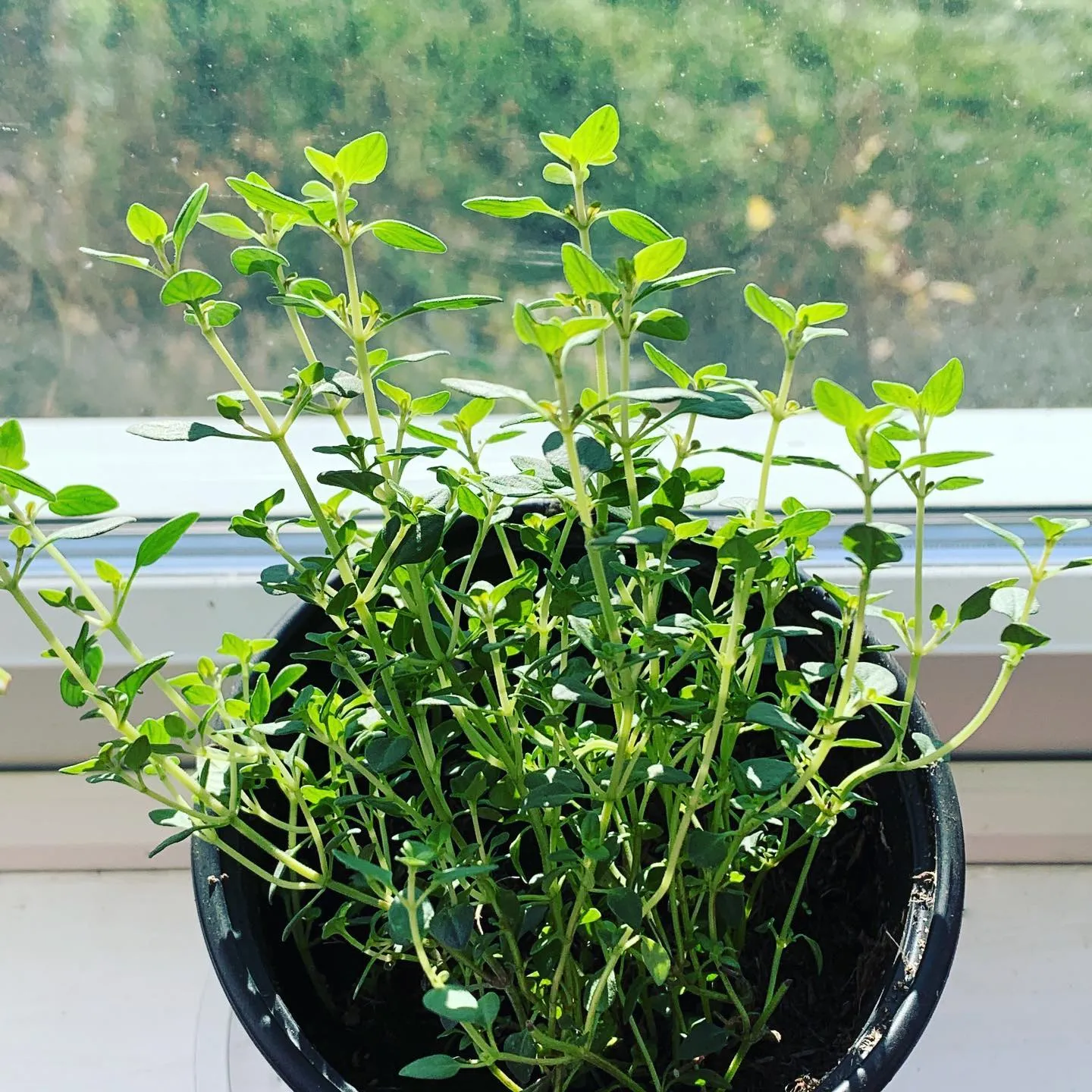
Thyme is one of the aromatic plants that comprises a robust flavor and provides an additional layer of pest protection. It can repel pests with its strong aroma, which makes it a better choice for lemongrass.
8. Chives
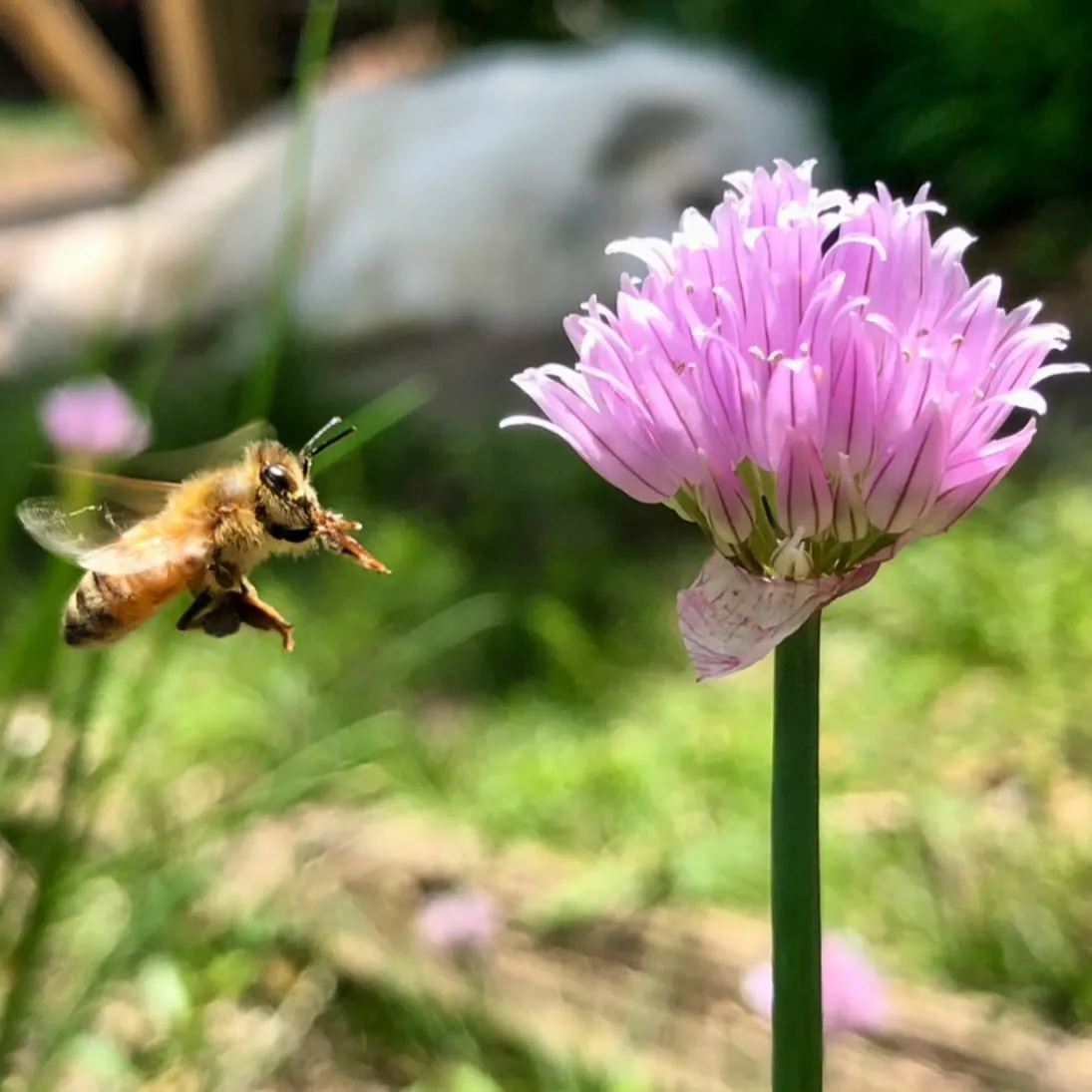
Chives follow a similar pattern to thyme when it comes to resisting pests. It consists of a mild onion scent that can keep the pest away. Additionally, it helps in enhancing the aesthetic beauty of the garden.
9. Nasturtiums
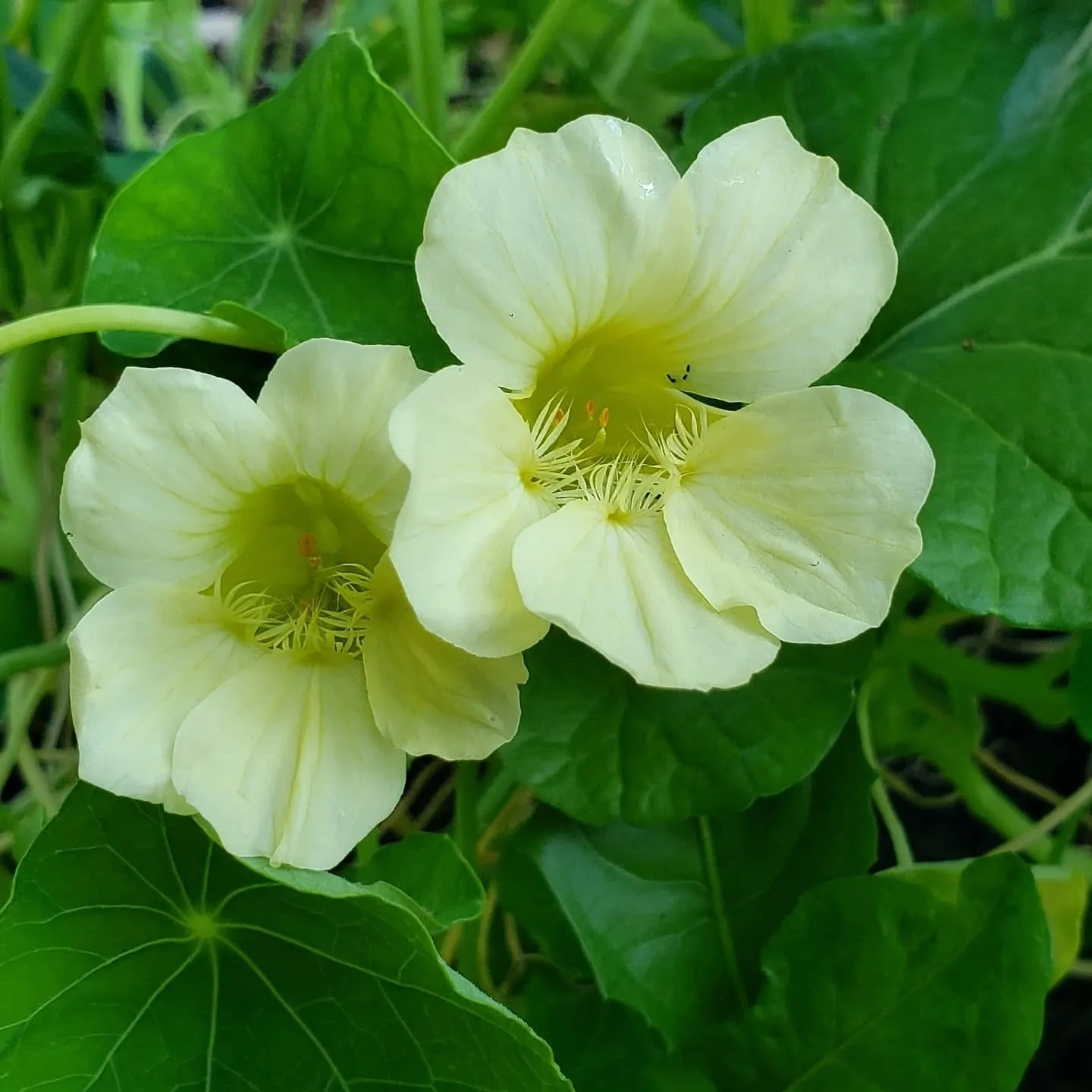
Nasturtiums are breathtaking plants with bright blooms that can attract pollinators and other insects. Aphids may also gather on nasturtiums, which is one reason they are sometimes used as trap crops in vegetable gardens.
Companion planting alone, however, may not solve every pest problem. If insects such as grasshoppers begin damaging several plants, gardeners can consider targeted control methods, including an appropriate natural grasshopper spray, alongside routine monitoring.
10. Coriander
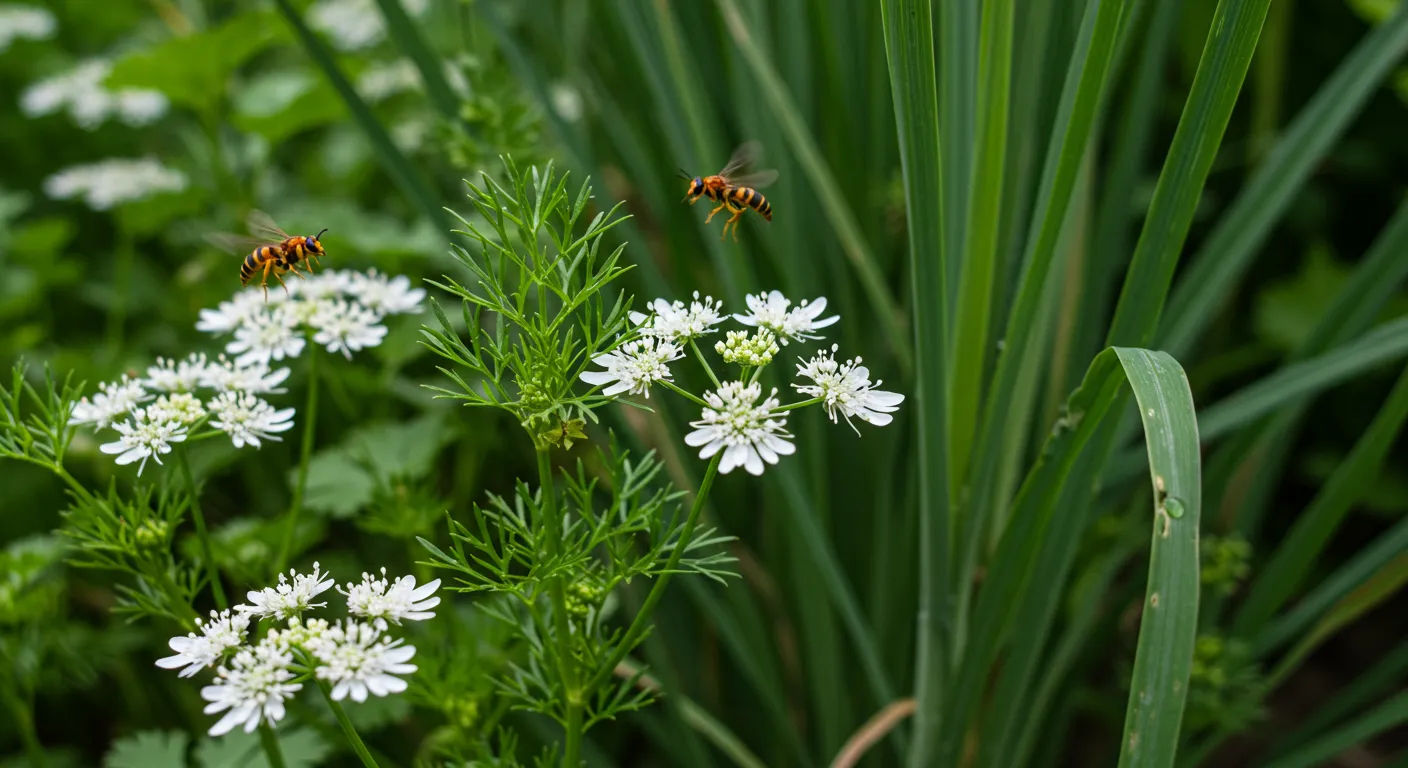
Coriander planted with lemongrass plants creates a beautiful herb garden. Its foamy white or pale pink flowers seamlessly blend against lemongrass’s green foliage. Additionally, it attracts parasitic wasps that fly around on garden pests. These pests are beneficial for lemongrass.
Moreover, you can grow coriander in between lemongrass clumps to save space. In exchange, lemongrass leaves hide coriander from the afternoon heat.
11. Marigold
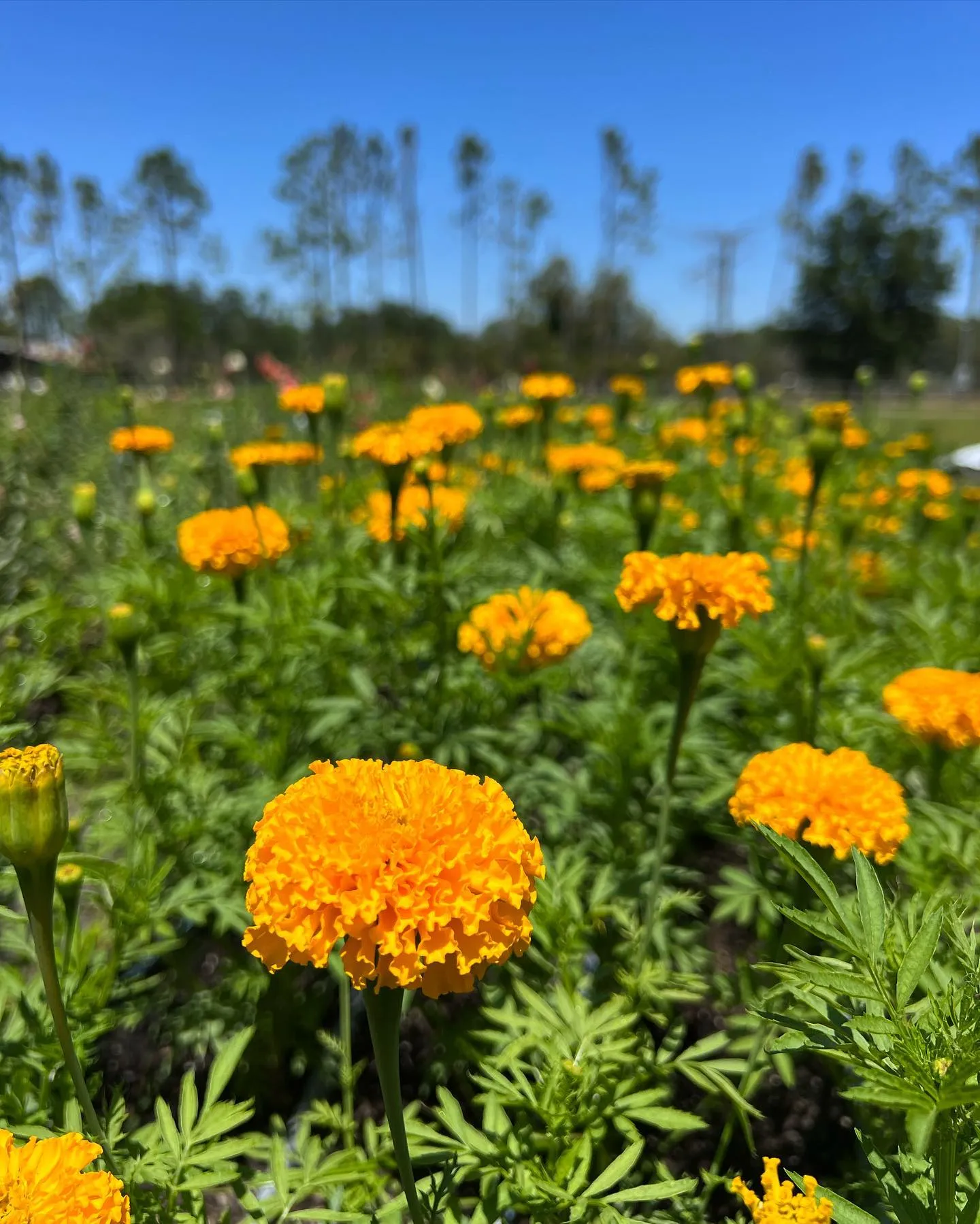
Marigold is a colorful bloom of orange, red, or yellow. They repel pests and add visual aesthetics to a garden. Some varieties of marigold can reach up to 1m. It thrives well as a border plant or in between lemongrass rows. Once this flower is planted, it requires watering only when the soil dries out.
Why is Lemongrass a Great Companion Plant?
Lemongrass is a unique plant that provides so much to a garden. For example, its leaves contain citronella, which can naturally deter the pests and protect nearby plants. Additionally, lemongrass smells like queen bees’ pheromones, which attract bees and other pollinators that help other plants to grow.
When and Where to Grow Lemongrass Plants?
Lemongrass isn't a tough plant to grow. You can easily plant them in your garden as well as in indoor containers. It mostly takes 2 to 4 feet of space in height and width.
Lemongrass must be planted in warm and sunny places where it receives 6-8 hours of sunlight every day. The soil should be well-drained with a pH of 6.0-7.8. In other words, the soil necessarily needs to be slightly acidic, neutral, or slightly alkaline.
When growing other plants nearby, watch their leaves for signs of stress rather than assuming every problem is caused by companion planting. Yellow foliage, for example, can result from watering, nutrient, soil, or environmental issues. Similar troubleshooting is important when evaluating home remedies such as gardenia yellow leaves vinegar, since the underlying cause should be identified before attempting to alter soil conditions.
When and Where to Grow Lemongrass Companion Plants?
When considering lemongrass companion plants, look for plants that share similar growing requirements as lemongrass plants, such as a sunny climate, well-drained soil with a pH of 6.0-7.8. This helps both lemongrass and companion plants to grow and care for each other.
Additionally, select companion plants that are of different root lengths to reduce the competition for water and nutrients. Lemongrass has deep roots, and it thrives well with shallow-rooted neighbors. Moreover, if you are unsure of a particular companion plant, ask for advice from an expert gardener in your area.