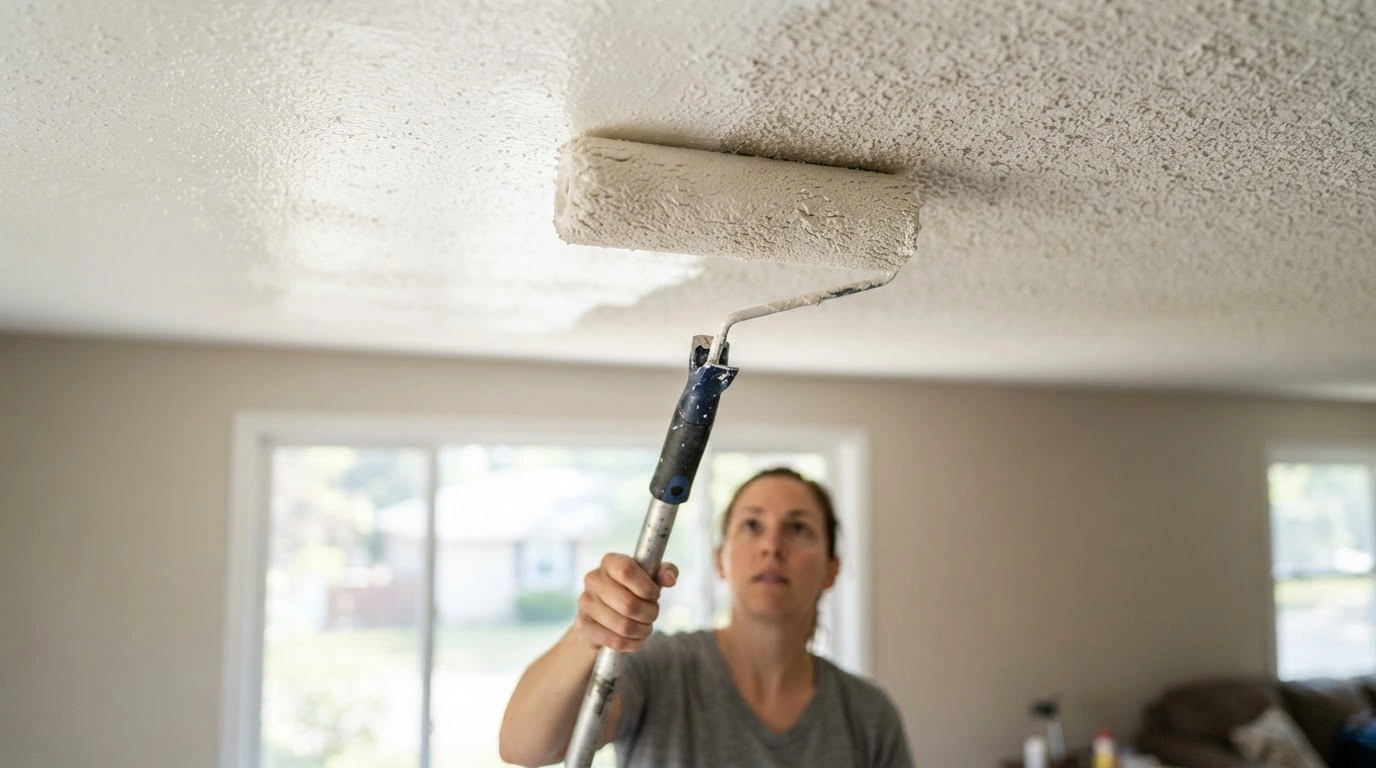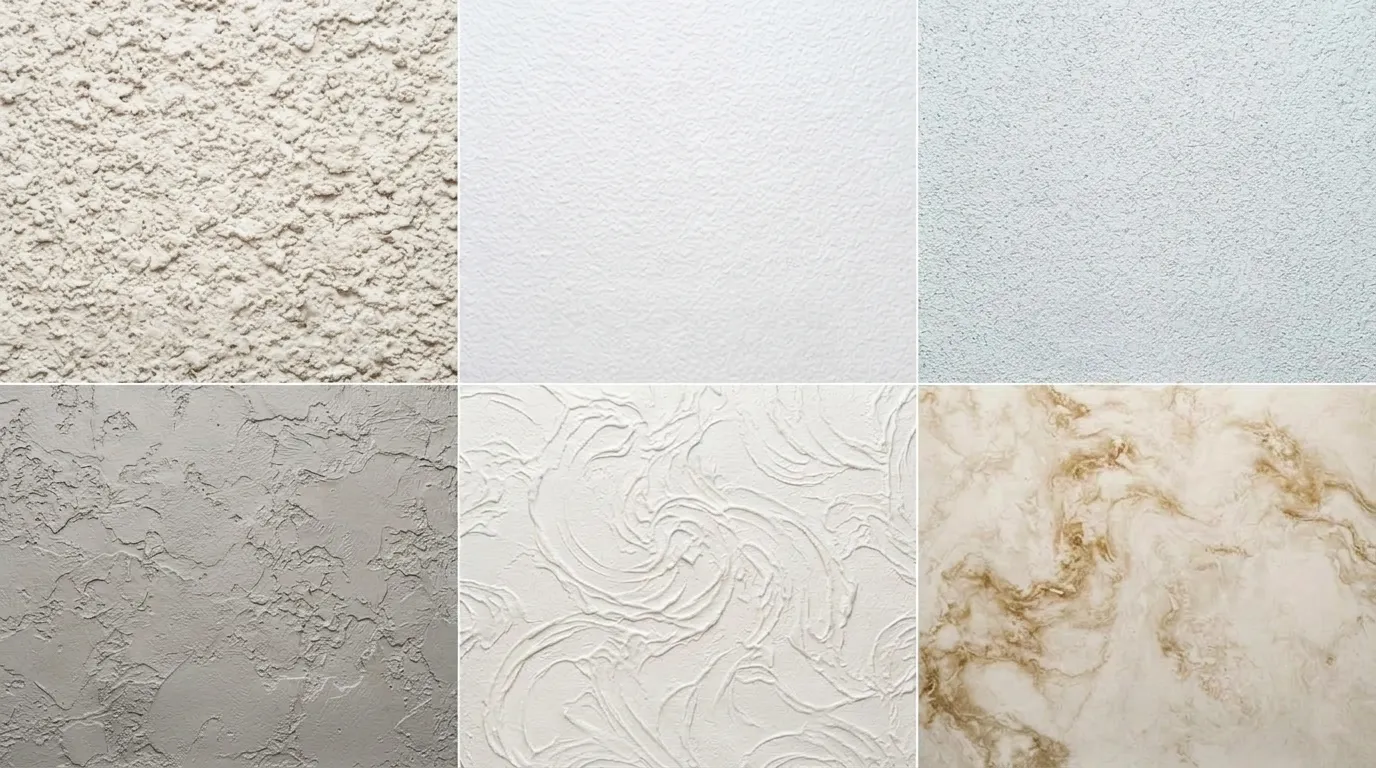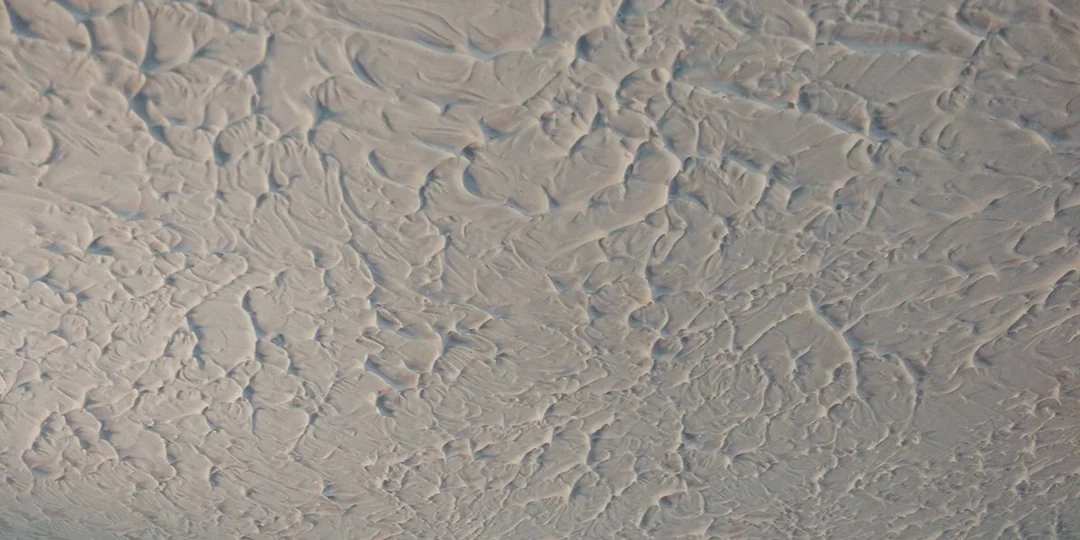
Textured ceilings, such as popcorn ceilings, were common in homes built before 2000. Often, asbestos was mixed into plaster to create the desired popcorn-like effect. However, while asbestos was most commonly found in popcorn ceilings, not every textured ceiling had it. Textured ceilings are available in several textures and appearances. So, one of the best ways to confirm whether a ceiling contains asbestos is to have a professional verify it.
Modern homeowners often don't want to add asbestos to their ceilings, so they prefer to renovate the ceiling design when buying a house built before 2000. However, it is essential to understand that the asbestos in ceilings will only start harming you when the ceiling starts chipping or cracking, and not otherwise.
How Can You Tell If a Textured Ceiling Contains Asbestos?
It is difficult to tell whether a textured ceiling contains asbestos. However, you can make a guess that houses built before 1980 may have asbestos in their ceilings. Asbestos fibers are almost 1200 times thinner than human hair and not visible to the naked eye. However, if these fibers are released into the air, they can have a toxic impact on health.
The only way to know whether a textured ceiling contains asbestos is to have a professional check it. When you hire a certified inspector to check your ceiling, don't disturb it by sanding, drilling, or scraping. Also, watch for signs of deterioration, such as water stains, which can increase the risk.
What Should You Do If You Suspect Asbestos in Your Textured Ceiling?
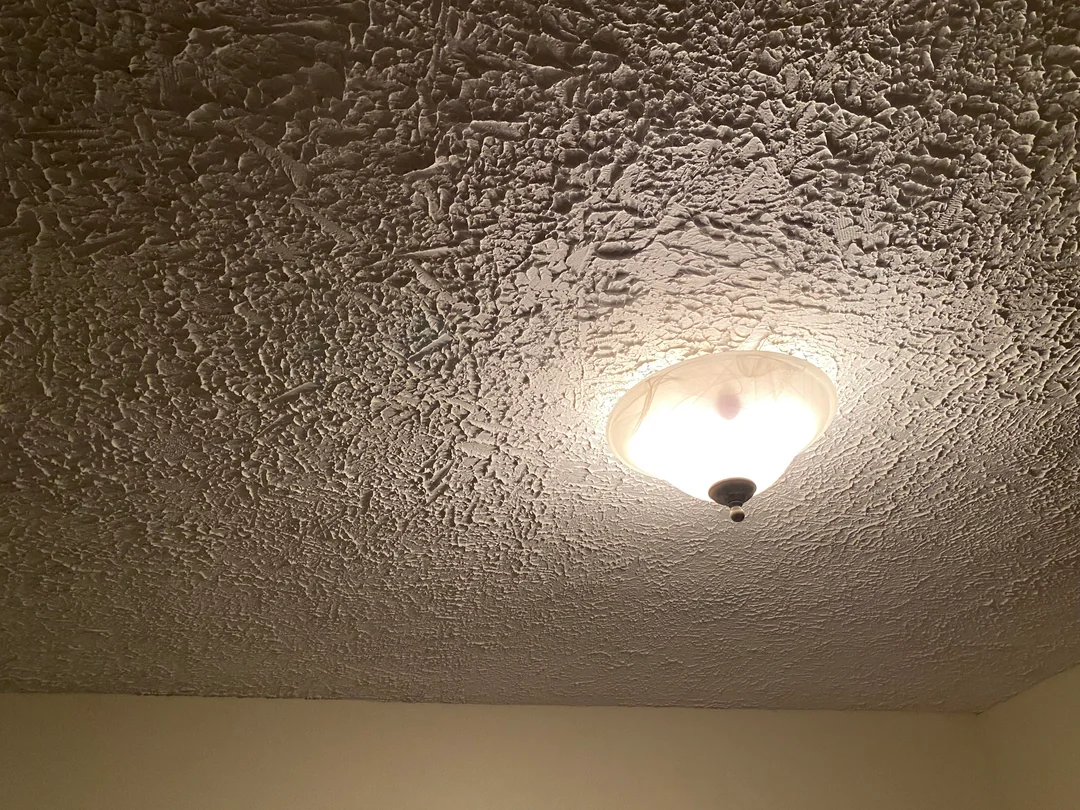
The first step is to call a certified inspector to determine whether the textured ceiling contains asbestos. Most modern homeowners prefer to renovate the textured ceiling to remove asbestos. However, you don't always need to remove asbestos from your ceiling. If the ceiling is in good condition and you decide to keep it as is, here are some simple tips for managing it.
- Maintain a management plan to keep track of whether the asbestos ceiling is in the house. Keep updating the condition of the asbestos ceiling and take necessary action as needed.
- You can also seal the asbestos-containing material with a sealant and then paint it to provide a cover.
- Do not disturb the ceiling with tape, screws, or nails. Do not let any object on a high shelf scrape the ceiling.
- Make sure the ceiling is out of reach of children and that they do not throw anything that could hit it.
- As soon as you notice ceiling damage, such as peeling, dampness, or similar conditions, contact professionals immediately to have it removed.
Is Asbestos Textured Ceiling Dangerous?
Asbestos is often called a sleeping monster because, although it is dangerous, it does not cause harm until it is disturbed. Asbestos has extremely thin fibers that mix with the air when the ceiling is disturbed by scraping or damaged in other ways, and anyone who inhales them or swallows them may be at high risk of deadly diseases like mesothelioma.
If you have a textured ceiling, such as a popcorn ceiling, in good condition, it is likely safe. However, if you notice any damage, you must call experts to remove it immediately to avoid health hazards.
Should You Remove an Asbestos Textured Ceiling Yourself?
If you have called verification inspectors and they have confirmed asbestos in your ceiling, the first decision is whether to remove it. You can leave it untouched because a textured ceiling with asbestos in good condition will not be harmful. However, if you have decided to remove it, it is not advisable to do it yourself. Asbestos removal experts follow proper steps to remove asbestos from the ceiling and dispose of it safely.
Step 1:
First, seal the room with the textured ceiling containing asbestos. This is done using negative air pressure.
Step 2:
Professionals then wet the ceiling to minimize dust circulation.
Step 3:
The experts will then carefully scrape the ceiling to remove asbestos and contain it immediately.
Step 4:
After scraping and containment, the experts will use HEPA-filtered cleanup and dispose of the waste at licensed facilities.
How Much Does Asbestos Testing or Removal Cost?
For textured ceiling testing, inspectors will take a small sample and send it to a laboratory. Testing costs may range from $500 to $ 2,500, depending on the size of the renovation area. Similarly, asbestos removal costs vary from one house to another depending on the size of the renovation project. It can range somewhere between $ 3,000 and $ 35,000.
Asbestos Vs. Non-Asbestos Textured Ceilings
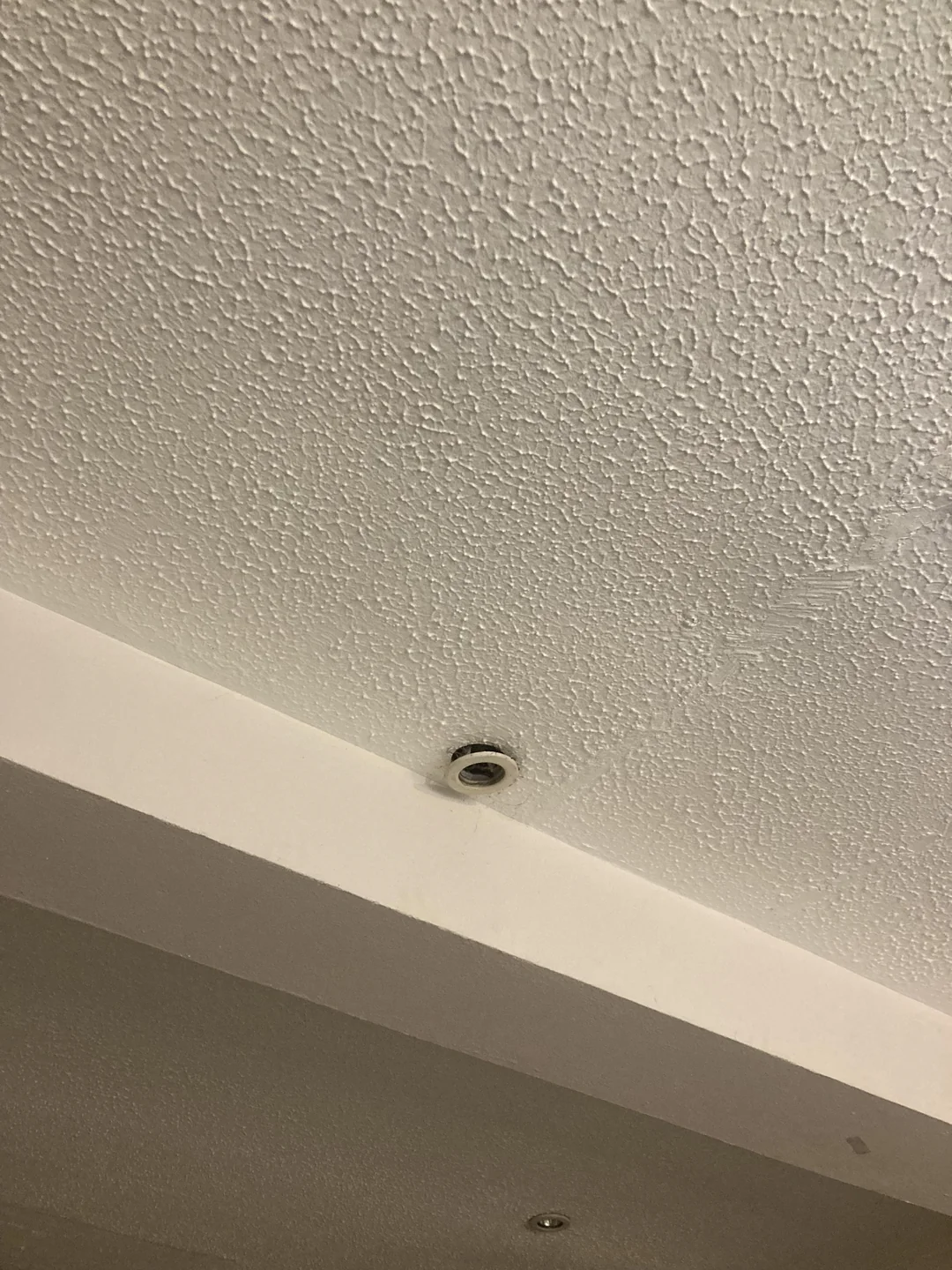
There is no visual difference between a textured ceiling with asbestos and one without it. Only lab testing can clarify the difference. One major difference between the two options is the timeline. Houses built before the 1980s are said to have textured ceilings with asbestos. Asbestos was banned after 1980, so houses built after this period will have textured ceilings free of asbestos. Another difference is that damaged textured ceilings with asbestos can harm health, while ceilings without asbestos pose no health threat.
Conclusion
Textured ceilings offer a unique aesthetic to a house's interior. However, homes built before the 1800s are known to contain asbestos. Asbestos ceilings aren't harmful if you don't disturb them, but they can become toxic if their condition deteriorates. So, the best idea is to contact professionals to check whether your house’s textured ceiling contains asbestos so you can act accordingly.