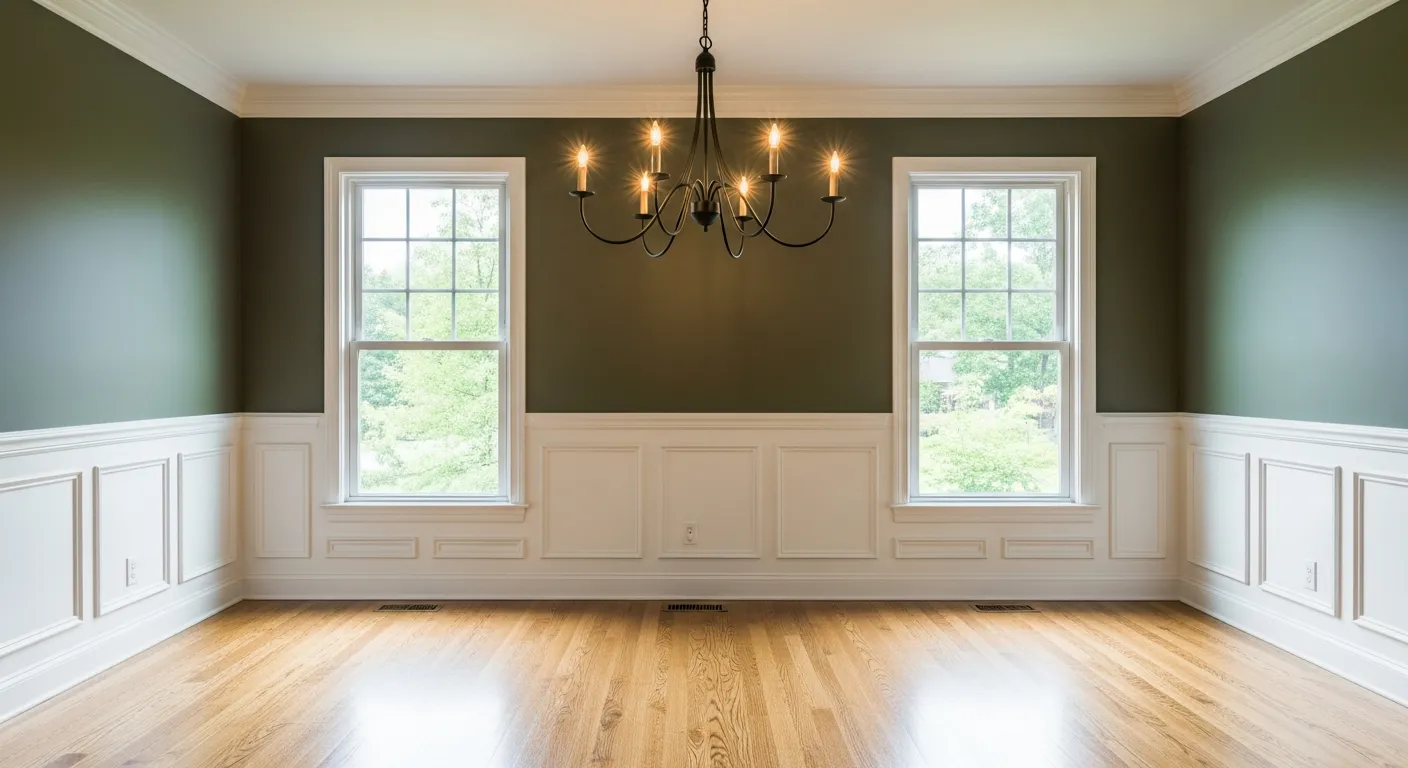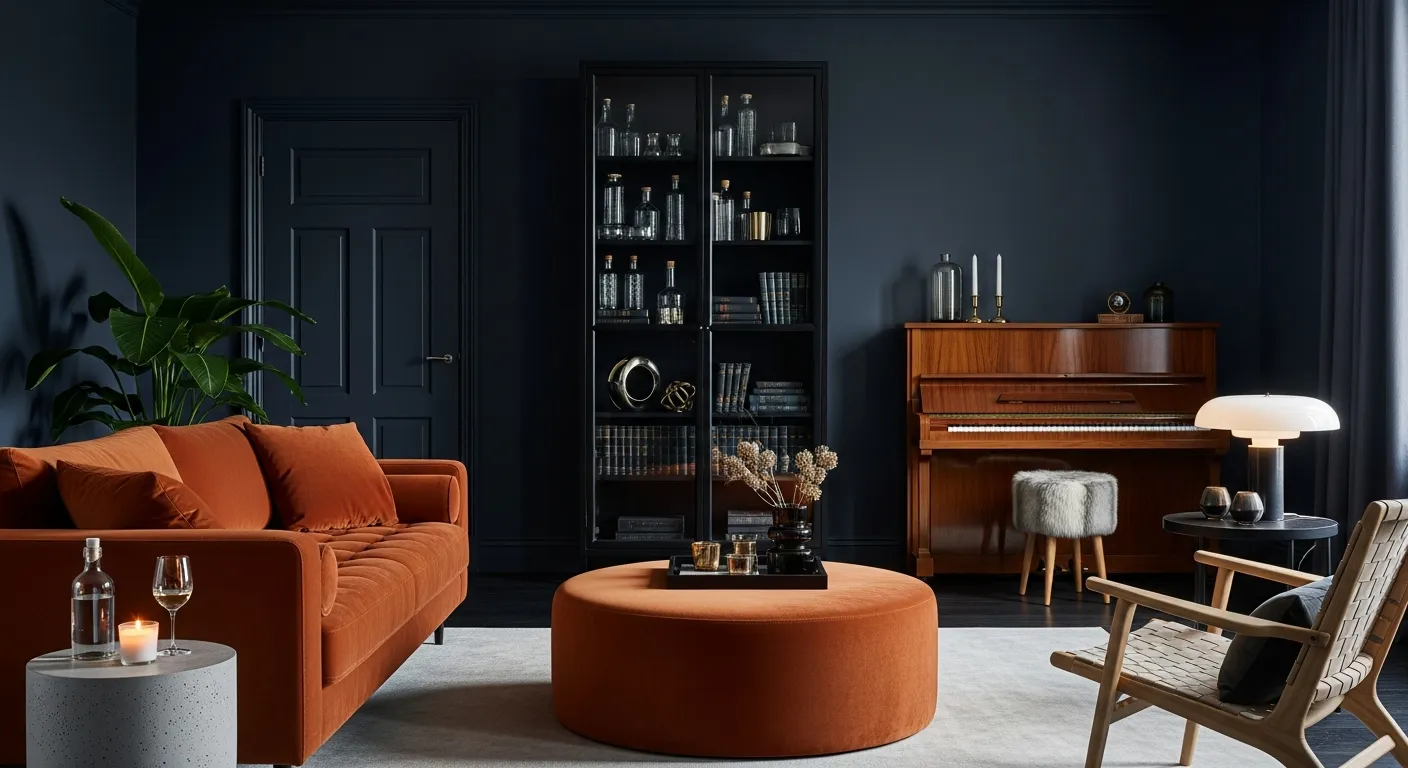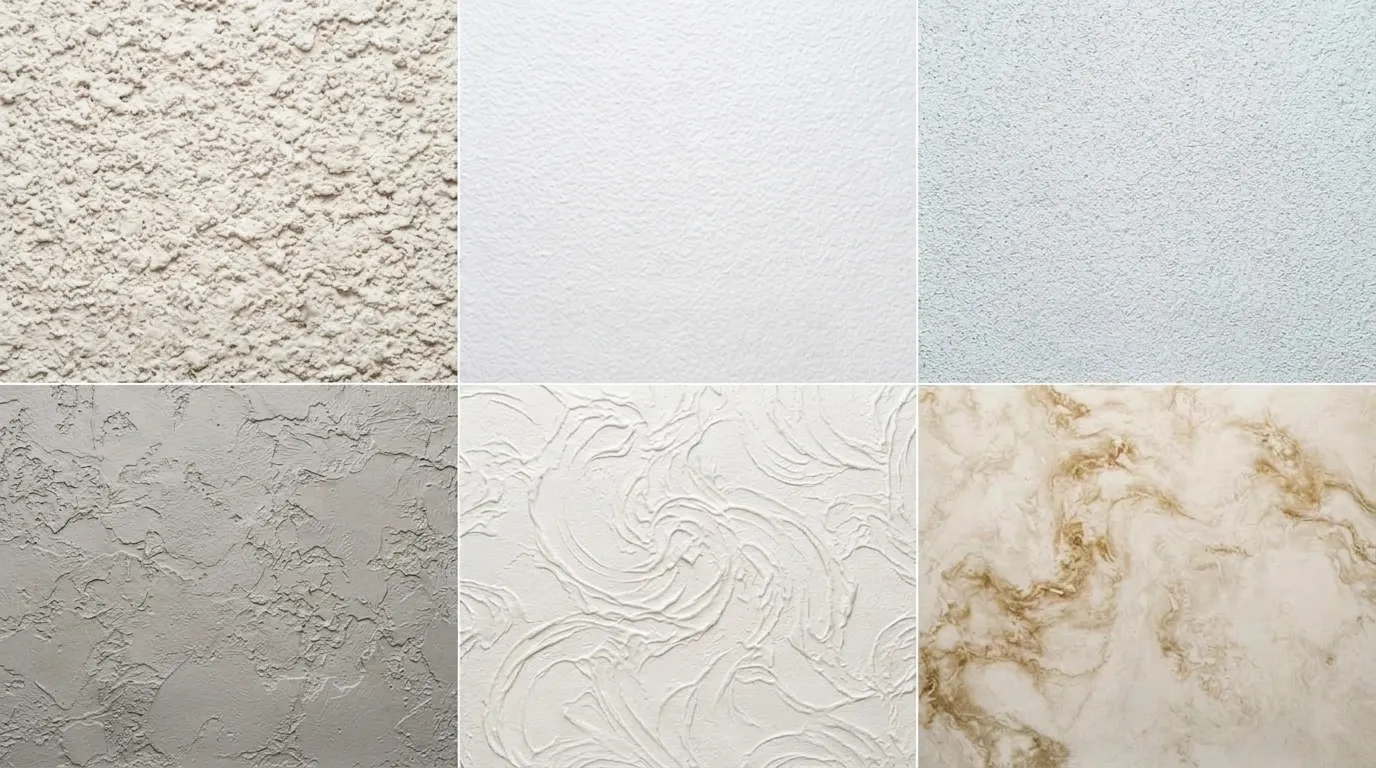
When you renovate your home, you may want to change your ceiling textures. But you may ask, “What kind of drywall texture to use?” Understanding your options helps you make informed decisions. The right texture depends on the room's style and purpose, maintenance needs, and, most importantly, your budget.
Some textures may create a smooth appearance, while others add depth and character to the space. On the flip side, some textures may also help hide imperfections. This blog explains several drywall ceiling texture options and where each works best.
What Are Drywall Ceiling Textures?
Drywall ceiling textures are decorative patterns applied to the ceiling using thinned drywall compound or plaster. You can apply them by spraying, rolling, or hand-troweling, and they're mostly used to conceal taping joints, cracks, and minor imperfections. This adds visual interest and dampens sound. In addition, ceiling textures -
- Increase the ceiling’s visual depth.
- Are best for blending patched areas with existing walls or ceilings.
- Can be used in several rooms, such as living rooms, hallways, and bedrooms.
- Are easy to apply, using a sprayer and aerosol.
Popular Types of Drywall Ceiling Textures
Knockdown Texture
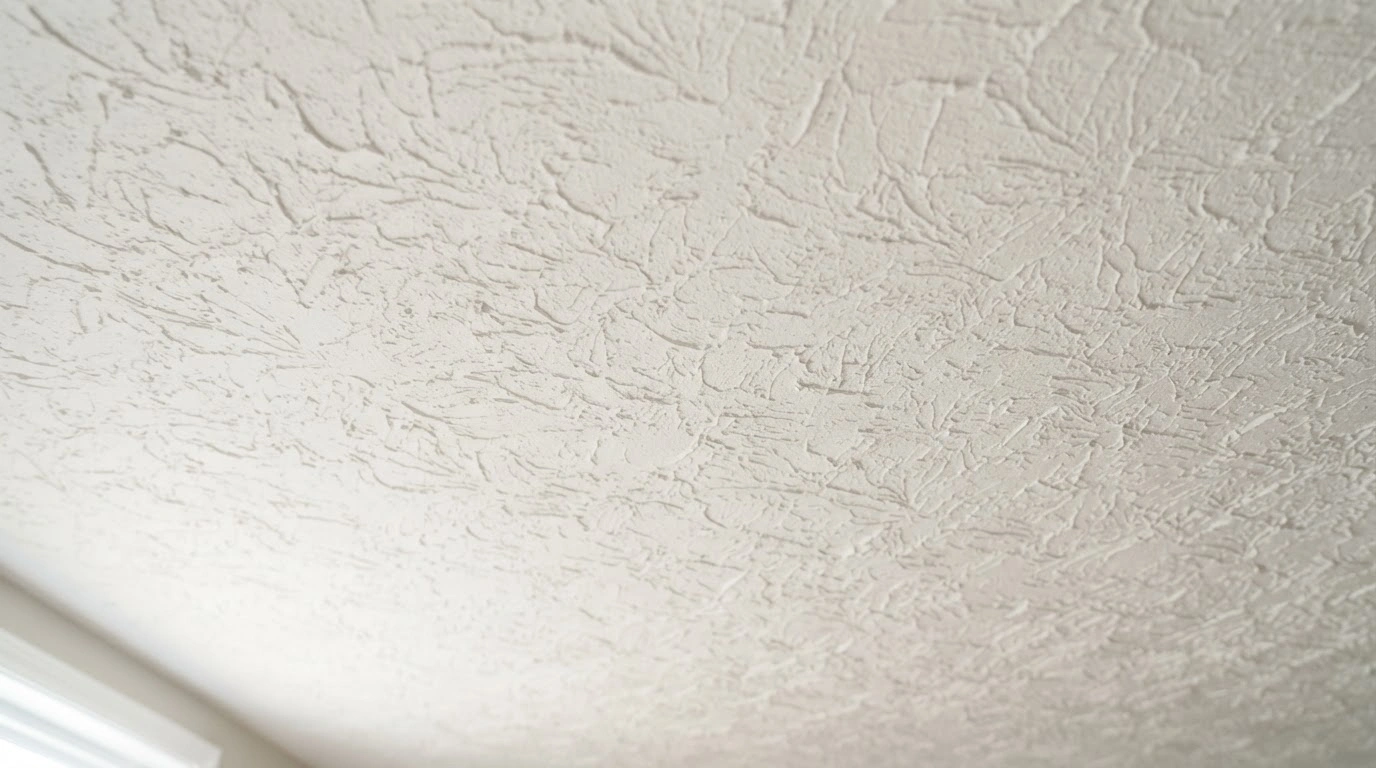
A knockdown ceiling has a lightly textured, flattened pattern that almost looks like stucco. It adds visual interest and depth to the room and also helps to hide small cracks, dents, or imperfections in the ceiling. The texture is created by spraying a thinned drywall compound onto the ceiling. Then lightly flatten the raised peaks with a knockdown knife once the compound begins to set.
Most people prefer DIYing the pattern, but it needs some experience and tools like an air compressor, hopper gun, and knockdown knife.
Pros:
- Can be painted easily.
- Easier to clean than textured surfaces.
- More modern than other options.
- Does not overwhelm the space and looks visually appealing.
Cons:
- May look dated as designs evolve.
- Reflects less light than a smooth ceiling finish.
- Matching the texture during repairs can be challenging.
- Can trap dust over time.
Orange Peel Texture
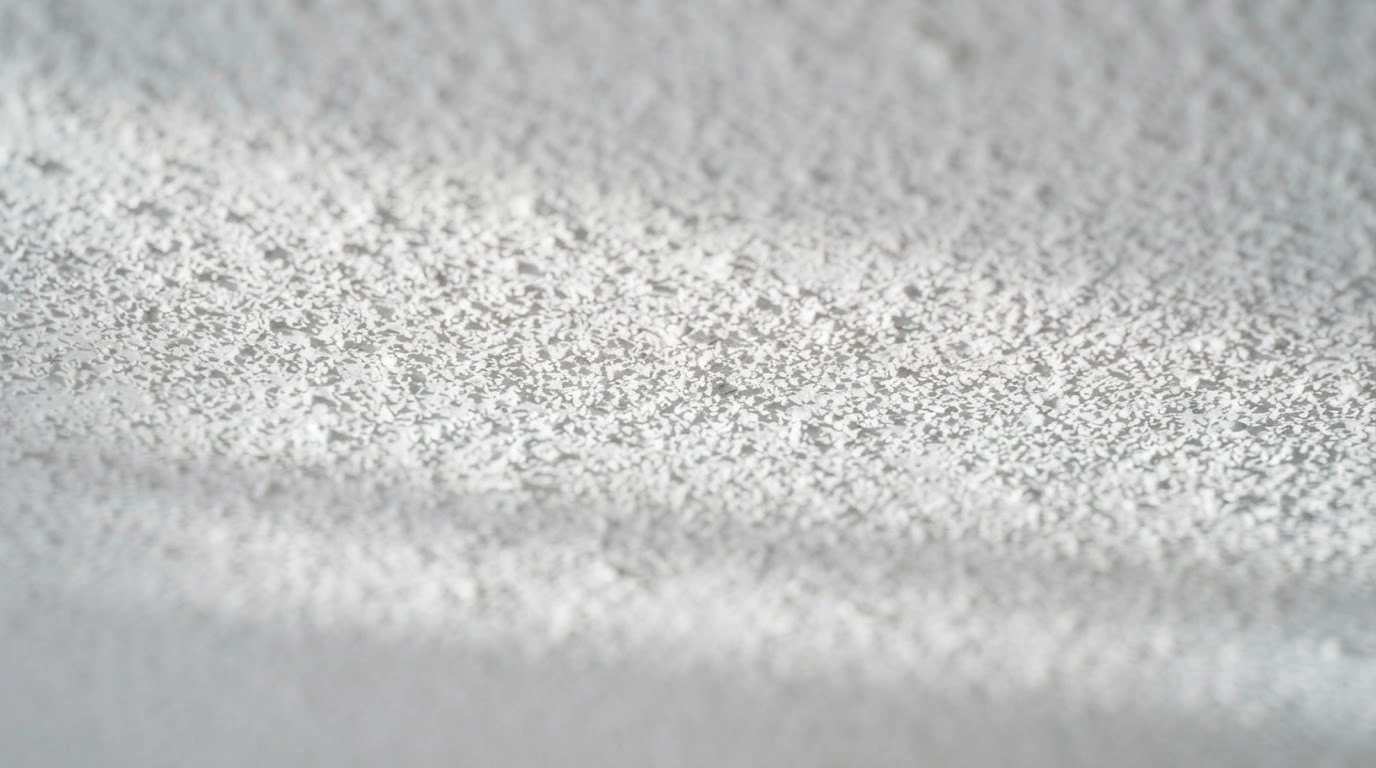
An orange peel ceiling texture feels slightly bumpy and looks softer than a knockdown texture. This design is popular in modern homes and is easy to clean. With the right tools, you can apply these textures easily. All you need to do is mix drywall compound with water and make sure it has a paint-like consistency.
Using a hopper gun, you can spray it onto the ceiling. Go slow, as this covers the surface well. To create the desired splatter, put some mixture on the surface.
Pros:
- It is easy to clean.
- Hides minor imperfections and works well with various designs.
- Cost-effective and easy to match during repairs.
- Has a subtle and contemporary appearance.
Cons:
- Can collect more dirt due to texture surface.
- Can make the surface look busy in certain lighting conditions.
- Reduces reflection and may make the surface look uneven.
Popcorn Texture
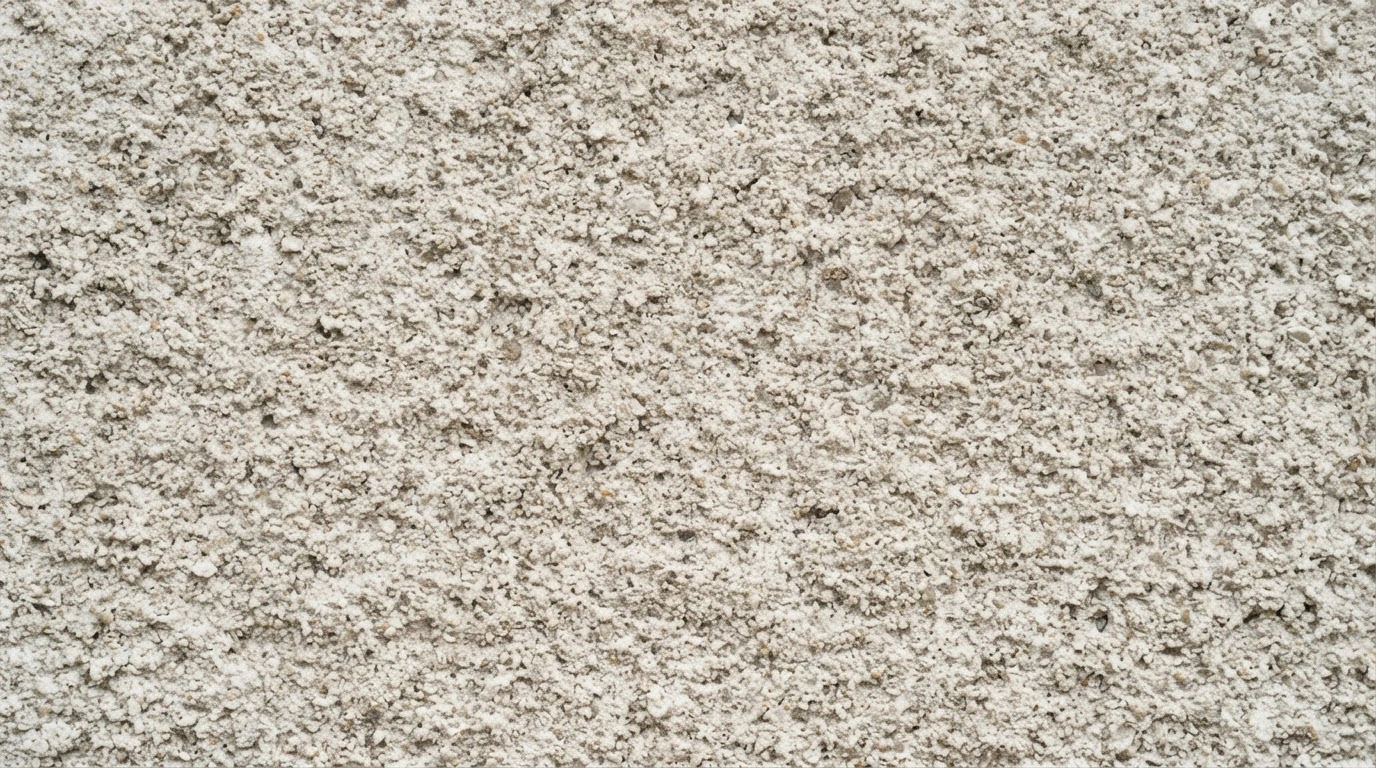
Popcorn texture, also known as acoustic, cottage cheese, or stucco ceilings, has a bumpy, irregular surface with raised nodules that look like popcorn kernels or cottage cheese. The texture is rough to touch and bright white in appearance. The design was popular from the 1950s to 1980s and was used to hide flaws or imperfections cost-effectively.
Pros:
-
Can absorb and muffle sounds.
-
Popular in family room or playroom.
-
Fire-resistant (when made with asbestos).
-
Doesn’t require high skills to apply.
Cons:
-
Asbestos may pose a health risk.
-
May collect dust due to its texture.
-
Water damage may increase the risk of fiber release.
Skip Trowel Texture
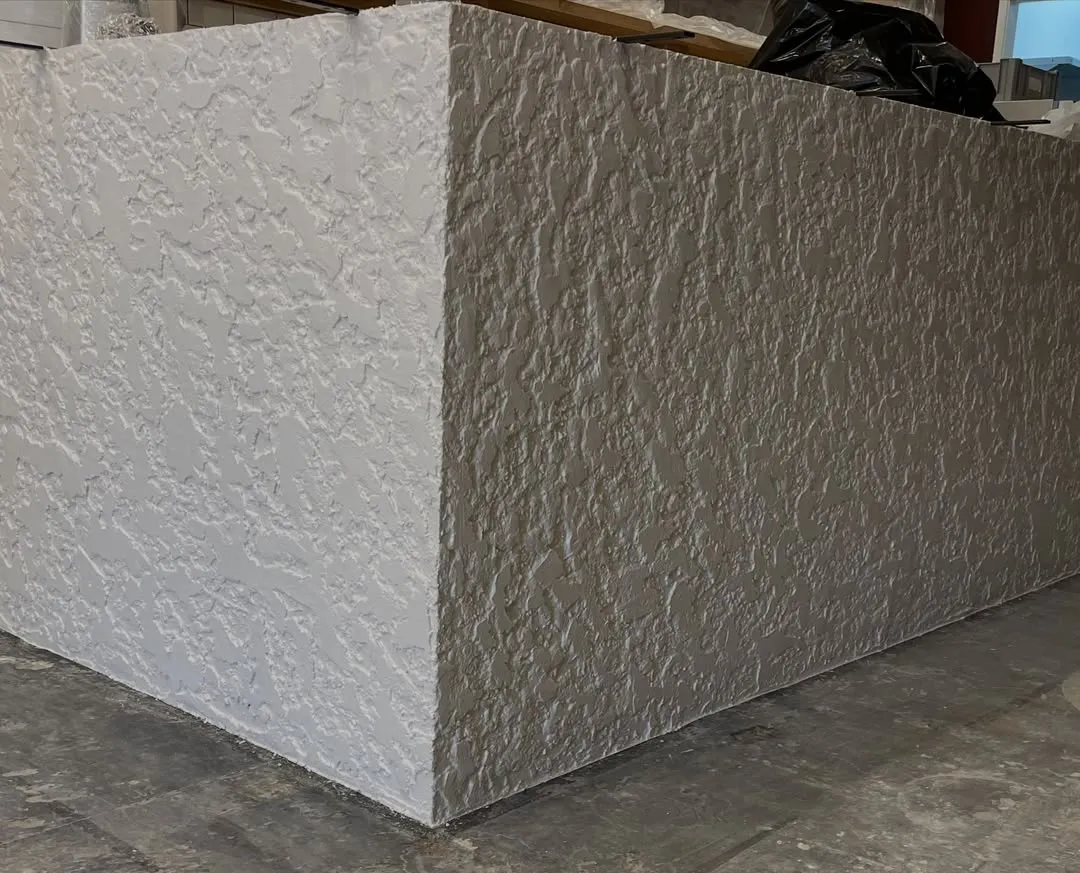
Because of its irregular, plastered look, skip trowel gives a handcrafted, Mediterranean or Old World look to the home. The patterns seem random, featuring flat sections and raised areas. The hand-applied plaster looks like aged plaster or Venetian stucco. You can create it by spreading drywall compound and then dragging a clean trowel across the surface at an angle. You can create several sections to form raised patterns, and it looks great in high-ceiling rooms or entryways.
Pros:
-
Looks artistic, unique, and premium.
-
Can hide imperfections easily.
-
Works beautifully in Spanish, Tuscan-style homes.
-
Can enhance the bold visual contrast through dramatic light and shadow effects.
Cons:
-
Expensive to apply and can be time-consuming.
-
May be difficult to match and repair.
-
Can overwhelm if used in a small space.
Stomp Texture
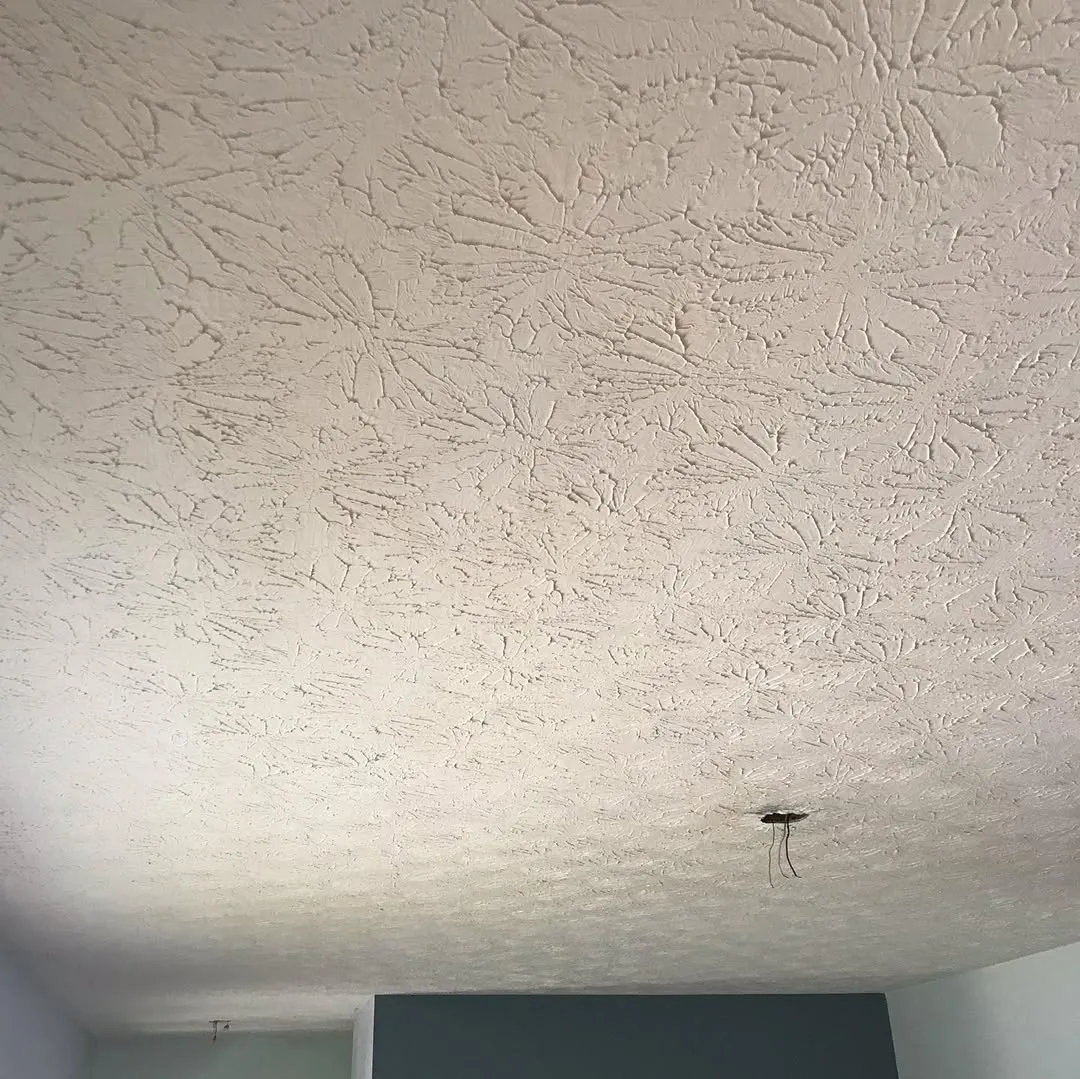
To create a stomp drywall texture, you need a stomp brush, which is also known as a drywall texture brush. It has long, soft bristles to create uneven shapes. To create a stomp texture, apply the compound, then gently use a stomp brush.
Pros:
- Helps dampen sound.
- Cost-effective and easy to apply.
- Looks unique and textured.
- Hides minor signs of imperfections.
Cons:
- Can be messy to remove.
- Makes the room feel dark and closed-in (not suitable for smaller rooms).
- Can catch on tall items during furniture moving.
Sand Swirl
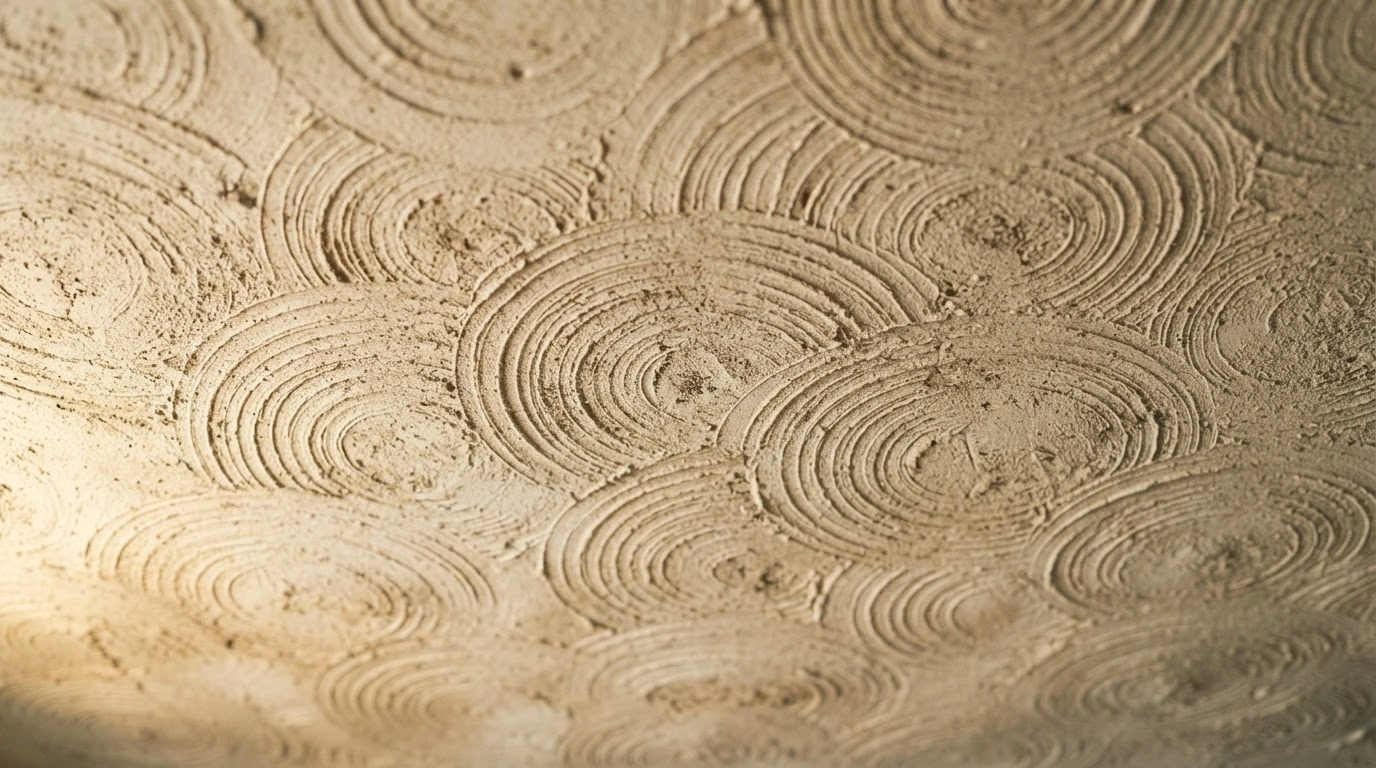
Sand swirl texture is best for a vintage aesthetic and to add dramatic patterns of full or half circles. You can make the design by mixing drywall compound or plaster with sand. Once the mixture is ready, apply it in a thin layer to the ceiling. Use a medium-bristle brush, a sanding sponge, or a small-notched trowel to create the patterns.
If you have a vintage interior, this pattern fits perfectly, helps hide minor flaws, adds depth to the room, and improves sound insulation between floors.
Pros:
- Has good sound absorption capabilities.
- Relatively easy to apply.
- Has subtle texture and is more durable than some other textures.
- Hides minor imperfections.
- Best for garage and utility areas.
Cons:
- May feel grainy, which may collect dust.
- Can be difficult to clean and maintain.
- Can be difficult to paint without thick priming.
Comb
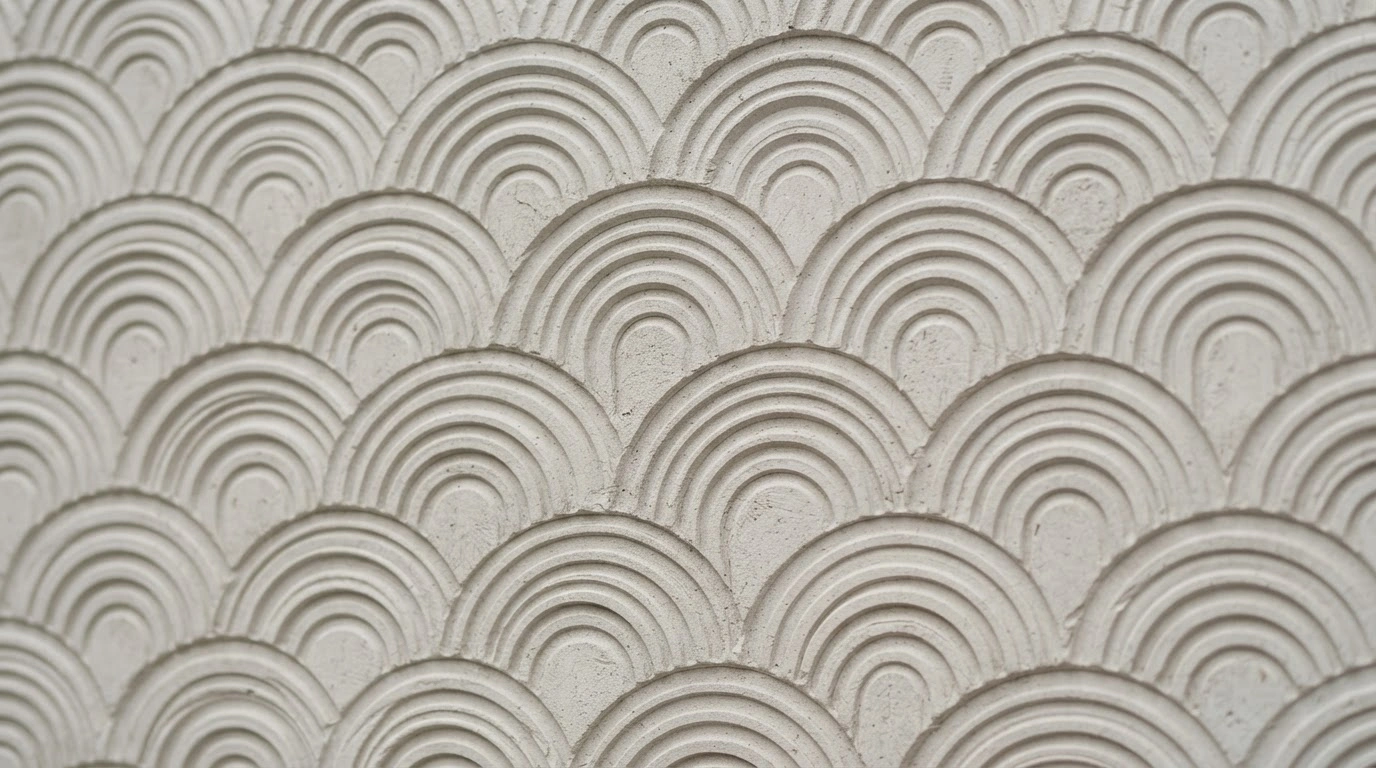
Comb texture is made using a toothed trowel that creates different patterns, such as parallel lines, straight lines, half-circle, fan-shaped geometric, etc. All you need to do is apply the wet joint compound and use the comb to make raised ridges and grooves.
Pros:
- Looks unique and can be used for decorative patterns.
- Makes the space look intentional and organized.
- Easy to apply and create designs.
Cons:
- At times, this design may look dated.
- In modern homes, the pattern may appear busy.
- Requires following the pattern so that the pattern looks intentional.
- Collects dust in the groove, which makes it challenging to clean.
Floral Texture
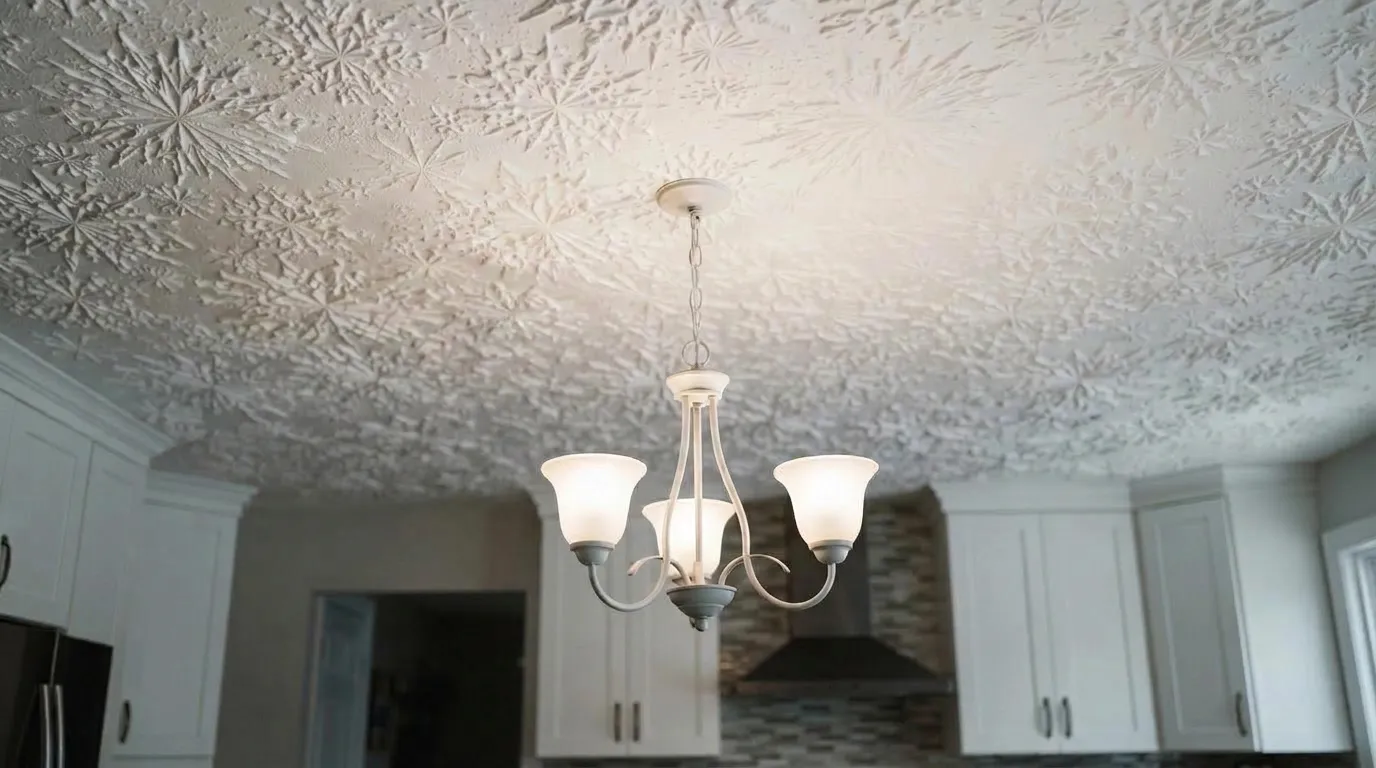
Floral ceiling textures look good as an accent and can be used in living rooms, dining rooms, or bedrooms, especially around a chandelier or other decorative fixture. This texture usually covers the entire ceiling and is not used to hide imperfections. It also requires a professional to do the job.
Pros:
- Enhances the room’s beauty because of its luxurious appearance.
- Serves as a beautiful architectural accent.
Cons:
- The intricate edge can be challenging to clean.
- Can be costly to make the designs, as they are labor-intensive.
- If one portion is damaged, repair can be costly.
Smooth Ceiling Finish
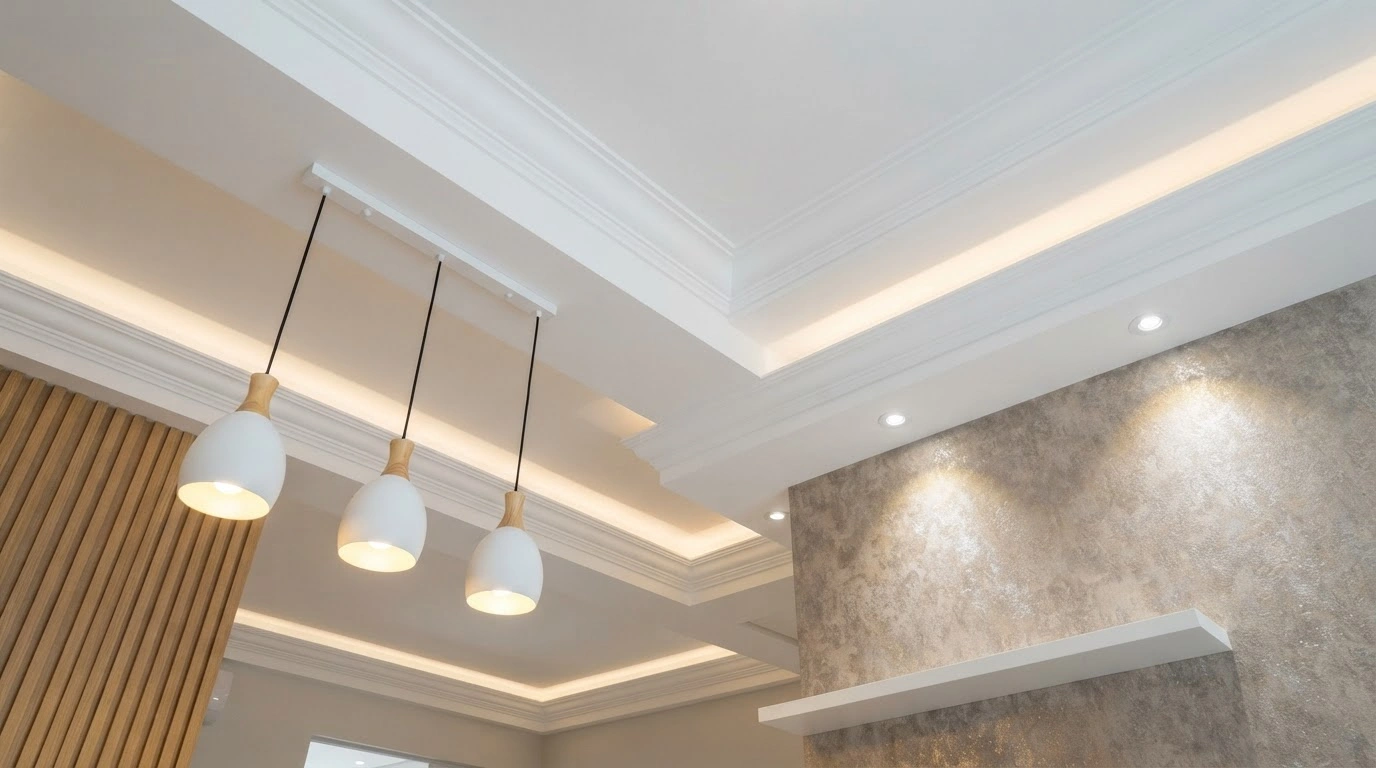
A smooth drywall texture is completely flat and seamless with no decorative patterns or textures. In the last 20 years, more people are moving toward smooth drywall because of increasing demand in minimalist home designs. If your ceiling is already smooth, you can apply the new texture with proper preparation, with no need to scrape off the old drywall.
Drywall Ceiling Textures Comparison Chart
Here is a table that helps you understand the difference in a better manner -
| Texture Type | Difficulty | Best Style | Maintenance | Hides Imperfections |
| Knockdown | Medium | Modern | Easy | Excellent |
| Orange Peel | Medium | Contemporary | Easy | Good |
| Popcorn | Easy | Older homes | Moderate | Excellent |
| Skip Trowel | Hard | Mediterranean | Easy | Excellent |
| Slap Brush | Medium | Traditional | Moderate | Good |
| Smooth | Hard | Modern | Moderate | Poor |
How to Choose the Best Drywall Ceiling Texture?
Drywall ceiling texture should be chosen depending on several factors, such as -
Room Size
For small rooms, consider a smooth or very fine orange peel texture. On the flip side, knockdown or skip trowel will suit large rooms, as they prevent the huge ceiling from looking flat.
Ceiling Height
If your ceiling is under 8 feet, then a smooth finish is preferred. However, for higher ceilings (above 9 feet), you can opt for sand swirl or heavy knockdown. The shadowing texture of heavy knockdown breaks up empty and cavernous spaces.
Home Style
A minimal home requires a level 5 smooth finish for a clean and modern appearance. Whereas skip trowel or knockdown can beautifully complement rustic/southwestern homes, such as Spanish, Mediterranean, or farmhouse.
Lighting
Avoid orange peel and popcorn texture if you have wall sconces or natural light filling the room. Instead, opt for a light knockdown or smooth ceiling finish. This avoids casting distracting shadows. However, you can use any texture type of down-lighting or recessed lighting.
Extent of Maintenance Needed
Smooth ceiling textures are easy to clean, so it requires little effort and are best for busy homes. If you want to hide imperfections or cracks, a knockdown or orange peel is considered the best.
Cost
Understanding which ceiling texture will fit in your budget should also be considered. The average cost of professional installation of texturing a ceiling is $840 for 500 square feet, which may also go up, depending on the complexity of the texture.
Common Mistakes to Avoid When Choosing Ceiling Texture
Here are a few mistakes you must avoid -
- Choosing outdated textures can make your home feel dull and bland.
- Never ignore room lighting, as harsh lighting can cast heavy shadows on a textured ceiling.
- Poor surface preparation can cause the compound to adhere poorly.
- Applying heavy texture to low ceilings can make the space feel cramped.
- Skipping the primer.
- If the joint compound isn’t mixed properly, the appearance may not be uniform.
- Not cleaning the tools can cause the compound to harden.
- Rushing the process can make the ceiling look poorly done.
Conclusion
When choosing the right drywall ceiling texture, it is important to consider appearance, functionality, maintenance, and budget. You can opt for options like orange peel, smooth finish, knockdown, and many more. Some textures can perfectly hide the imperfections, while others can make the space look luxurious. Take time to compare different ceiling options and then decide which one’s best for your home.