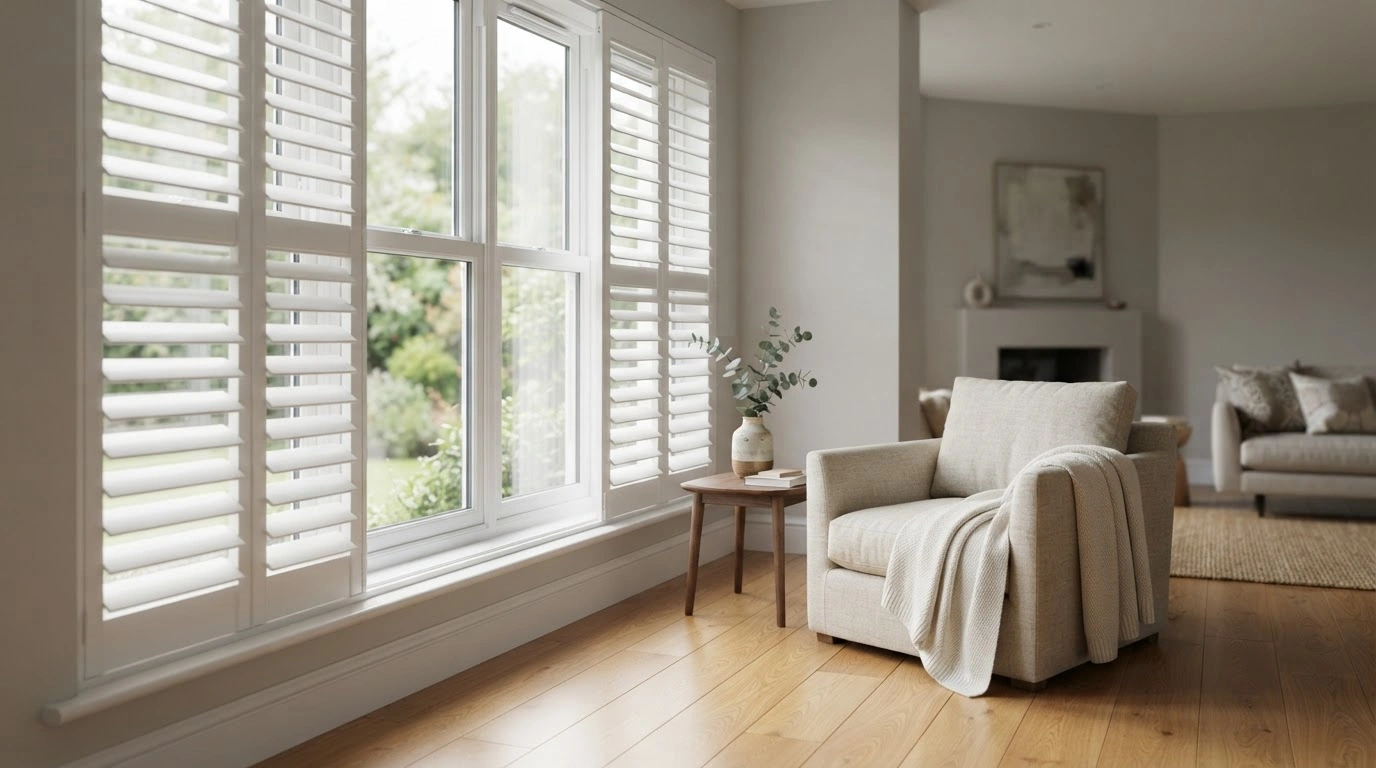
Replacing outdated window coverings can seem like a straightforward home improvement project until you start comparing the different shutter styles available. For homeowners in Perth, the choice can quickly expand from hinged and bi-fold shutters to sliding designs, timber, and more durable alternatives, making it difficult to know where to begin.
So, which factors actually matter when narrowing down the options? Looking beyond appearance and considering the room's function, window size, light control, privacy, material, and mounting style can make the decision much easier. With a few practical considerations in mind, it becomes possible to choose shutters that suit both the home's design and the way each room is used.
Why This Decision Genuinely Matters
It helps to understand just how much windows actually affect a home's comfort before assuming any shutter style will do. According to the U.S. Department of Energy's Building America Solution Center, operated under a DOE contract by Pacific Northwest National Laboratory, about 30% of a home's heating energy is lost through windows, and roughly 76% of sunlight hitting standard double-pane windows during cooling season enters and becomes unwanted heat.
That figure matters because it confirms a shutter isn't just a style decision, it genuinely affects a home's comfort and energy use depending on how well it's actually chosen for the room.
5 Things to Consider Before You Choose
With that context in mind, here are the five factors that genuinely shape which shutter style suits a specific room.
1. The Room's Actual Function
Start with what the room is genuinely used for, rather than choosing shutters based purely on appearance. Different spaces have different practical needs, so your choice should work with the way the room is used every day.
A bathroom or kitchen regularly experiences moisture and humidity, making durable materials important. A bedroom may benefit from shutters that provide strong privacy and light control, particularly if bright morning sunlight is an issue. A living room might place greater value on natural light, airflow, and a relaxed atmosphere. Think about what you need the shutters to achieve throughout the day. Choosing a style based on the room's actual function helps ensure they look good while remaining practical.
2. Material: PVC Versus Timber
Think next about what the material actually needs to withstand day to day. This is really the heart of the decision for most homeowners. Advanced polymer shutters, essentially PVC with an aluminium core for strength, resist warping, cracking, and fading even in harsh sun, making them genuinely suited to bathrooms, kitchens, and laundries. Timber shutters offer a lighter weight and natural grain, though they aren't recommended for genuinely wet areas.
Choosing a shutter style that suits almost any room becomes considerably easier once this material distinction is clear. My Direct Blinds' advanced polymer shutters feature an aluminium core for real strength alongside a paint process specifically designed not to discolour, warp, or crack over time, while their timber range suits homeowners after a natural wood finish in drier living spaces.
3. Opening Style: Hinged, Bi-Fold, or Sliding
Next, look at how the shutter will actually open and close, since this depends heavily on the window shape itself. A few common options each suit different situations:
- Hinged shutters remain the most popular and versatile choice, suiting the vast majority of standard windows
- Bi-fold shutters work well for wide windows or doorways, stacking neatly to one side on a track
- Sliding shutters suit sliding doors specifically, though they do project further into the room than other styles
Matching the opening style to the actual window shape, rather than defaulting to whatever looks most common, avoids a mismatch that's frustrating to live with daily. Corner windows, bay windows, and other non-standard shapes may also call for custom configurations most retailers only offer on request.
4. Louvre Size and Light Control
Consider, too, how much light and visual impact the room actually needs. Wider louvres create a cleaner, more substantial look, with fewer horizontal lines across the window and a clearer view when they are open. They can also allow more natural light into the room. Narrower louvres create a more detailed, traditional appearance and can offer finer control over privacy and light direction when partially open.
Neither option is automatically better. The right choice depends on the size of the window, the style of the room, and whether you want the shutters to make a stronger design statement or provide more precise control over light and privacy.
5. Mounting: Face-Fit or Recess-Fit
Finally, consider how the shutters will be mounted around the window. Recess-fit shutters sit inside the window reveal, creating a neat, built-in appearance that works particularly well when there is enough depth around the opening. Face-fit shutters are installed over the wall surrounding the window and can be a practical option when the recess is too shallow or has obstructions.
The mounting style can affect both the overall appearance and the amount of wall or window space the shutters cover. It also influences the measurements required for installation, so it is worth deciding on the approach before final measurements are taken. Getting this detail right early can help avoid sizing issues and ensure the finished shutters look properly integrated with the room.
A Quick Checklist Before Placing an Order
Once the five factors above are settled, a few final checks help avoid the most common ordering mistakes:
- Measure each window individually, since even windows that look identical often have small variations
- Confirm whether the room's actual humidity or moisture level rules out timber before falling in love with its look
- Check whether a specific window's shape, arched, corner, or bay, needs a custom configuration
- Order a physical sample where possible, since colour and finish can look noticeably different on a screen versus in the actual room's light
Running through this checklist before finalizing an order catches most of the small mistakes that otherwise turn up only after the shutters have already arrived.
Conclusion
Choosing the right shutter style means looking beyond appearance and considering how the room is actually used, how durable the material needs to be, the most suitable opening style, louvre size, and mounting method. Each of these factors can influence how well the shutters perform and how naturally they fit into the space.
Taking the time to consider these details before making a decision can help you avoid a style that looks good but does not work well for your needs. A thoughtful choice can provide the right balance of practicality, comfort, light control, privacy, and lasting visual appeal, making shutters a worthwhile long-term addition to your home.