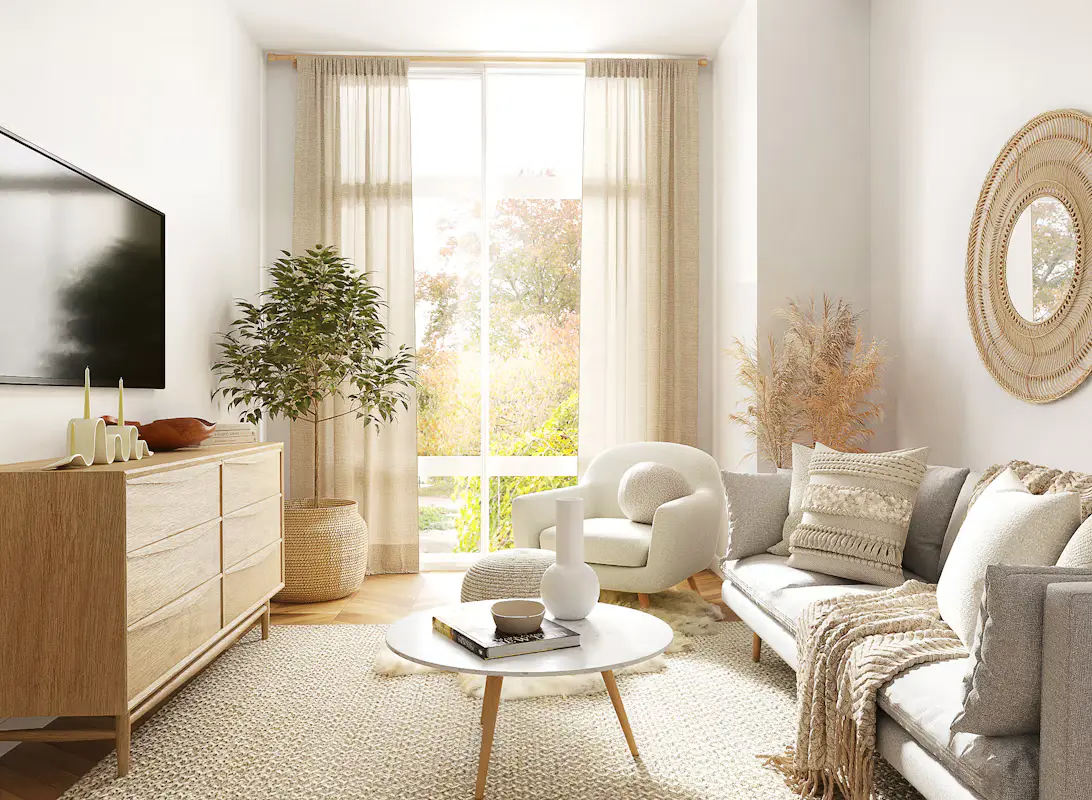
Natural light can change how a room looks, feels and functions throughout the day. It reveals true colors, creates a stronger sense of space and adds warmth that artificial lighting often struggles to match. Thoughtful furniture placement and a few practical updates can help you make better use of the daylight your home already receives. These natural light strategies work across decorating styles, from relaxed traditional rooms to clean contemporary interiors.
The Power of Sunlight in Interior Styling
Start by observing each room at several points during the day. A south-facing living room may stay bright for hours, while an east-facing breakfast area gets its best light before noon. Once you understand that pattern, place reading chairs, work surfaces and favorite decorative pieces where daylight supports their use.
Clean glass also makes a visible difference. Dust, fingerprints and outdoor residue scatter light and make a room appear duller. Regular home care may handle reachable panes, while professional window cleaning services can address interior and exterior glass, frames and sills when access or buildup becomes difficult. Clear windows allow colors and textures to look closer to how you selected them.
Selecting Mirrors and Reflective Surfaces
Place a mirror where it can catch daylight from a nearby window and send it deeper into the room. A large mirror across from a window can brighten a dim wall, though a position slightly off-center often produces a softer effect and less glare. Check the reflection before hanging it so you don’t accidentally highlight clutter or an unfinished corner.
Reflective surfaces don’t need to look flashy. A glazed ceramic lamp, glass coffee table or satin-finish metal tray can bounce small amounts of light around a space. The most useful home lighting tips also include pale paint colors and strategic furniture placement. Use reflective accents in moderation so the room retains visual depth.
Clear Panes Let Daylight Pour Inside
Window design affects how much usable daylight enters a room. Large panes with minimal divisions provide an open view, while tall windows carry light farther across the ceiling and floor. When choosing window treatments, consider how different shutter styles affect natural light and privacy. If you’re planning a renovation, compare how different window sizes will affect privacy, furniture placement and heat gain before making structural changes.
Existing windows can often perform better without replacement. Remove tall furniture that blocks the lower glass and keep deep decorations off the sill. Trim outdoor plants when branches press against the window or cast dense shadows indoors. In rooms with limited exposure, paint the window trim a light neutral color. This creates a brighter border and helps the opening feel larger, even when its actual dimensions stay the same.
Sheer Treatments That Soften Incoming Beams
Sheer curtains filter harsh sunlight while preserving the airy feeling that makes naturally lit rooms inviting. White and warm ivory fabrics spread light evenly, while soft beige or pale gray panels add gentle color. Hang the rod several inches above the frame and extend it beyond both sides so the fabric can clear most of the glass when open.
Layered treatments offer more control in bedrooms and street-facing rooms. Pair sheers with lined curtains or a simple shade, then adjust each layer as the sun moves. Before buying, hold a fabric sample against the window at midday. Some materials that look opaque in a store become surprisingly transparent in direct sun. That quick test helps you balance brightness, privacy and the room’s color palette.
Designing Around Golden Hour Views
Late afternoon light brings out warm wood tones, woven fabrics and earthy paint colors. Identify where those low beams land, then arrange the room so you can enjoy them without staring directly into glare. A dining table near a west-facing window may glow beautifully at dinner, while a television or computer screen in the same spot could become difficult to see.
Use movable pieces to respond to seasonal changes. A lightweight chair, floor cushion or small side table can create a temporary reading spot when golden light reaches a quiet corner. Plants with textured leaves also cast attractive shadows, adding movement without another decorative purchase.
Leave part of the view open. When the final light of the day falls across a clear pane, a calm wall and one well-placed chair may be all the room needs.