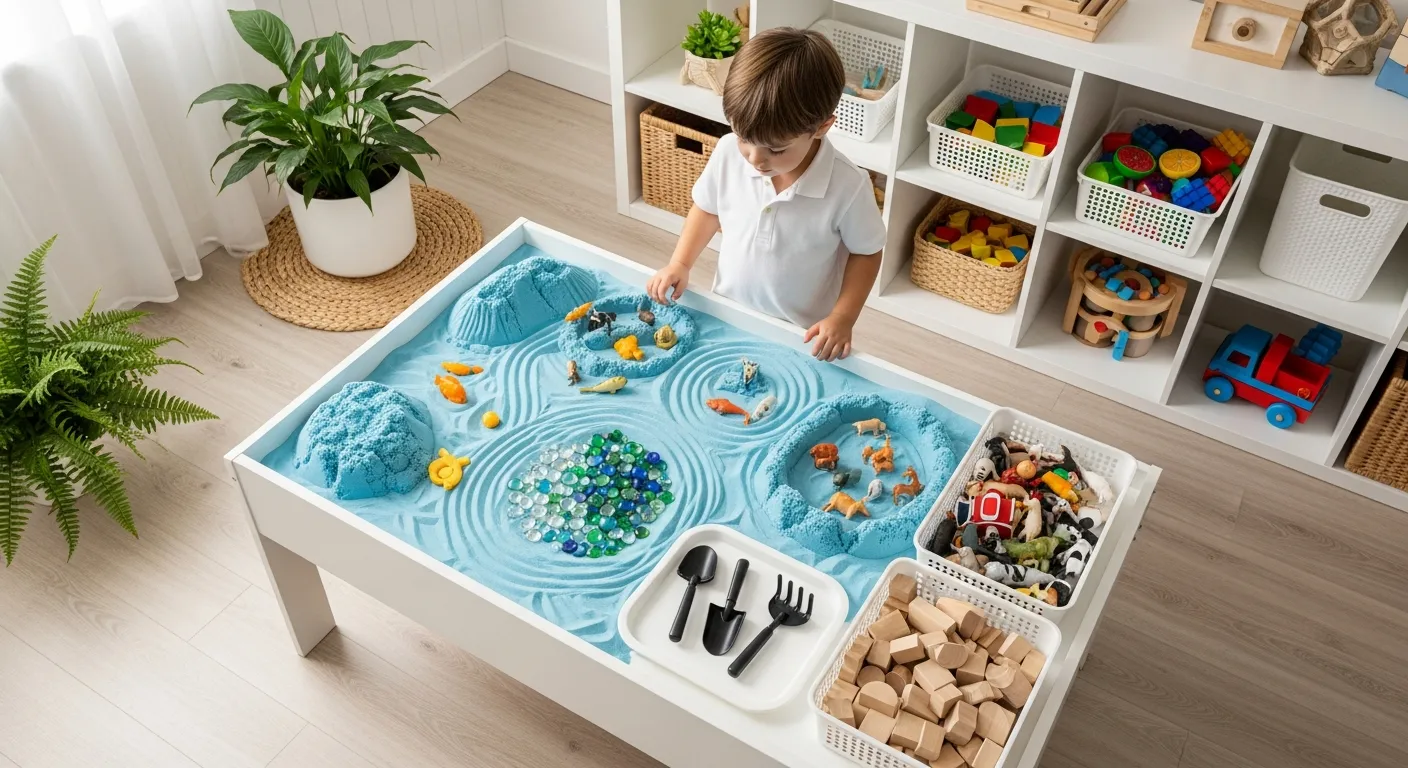
You might have heard the word ‘sensory room’, but if you are looking for ideas to set up such a room, it’s important to know different aspects of it. There are people with sensory processing problems who need a calm, focused, and comfortable environment. With the increasing awareness of sensory requirements, people look for different ways to create a sensory space for their loved ones, especially for someone who has autism spectrum disorder (ASD) or other sensory problems. This article highlights some of the best ideas to set up a sensory room.
What Does a Sensory Room Mean?
A sensory room is also termed a snoezelen room or a multi-sensory room. Sensory rooms are specially organized indoor rooms that are planned to help in sensory development. Such rooms relax the senses. You might find sensory rooms in schools or outpatient facilities.
A sensory room doesn't necessarily have to be a dedicated room. It can be any spot in a home that is quiet, safe, and calm, and where children can go for relaxation and to regulate their emotions and behavior.
Depending on the needs, calming or startling lights, fragrances, textures, and sounds can be included in sensory rooms.
How to Set Up a Sensory Room?
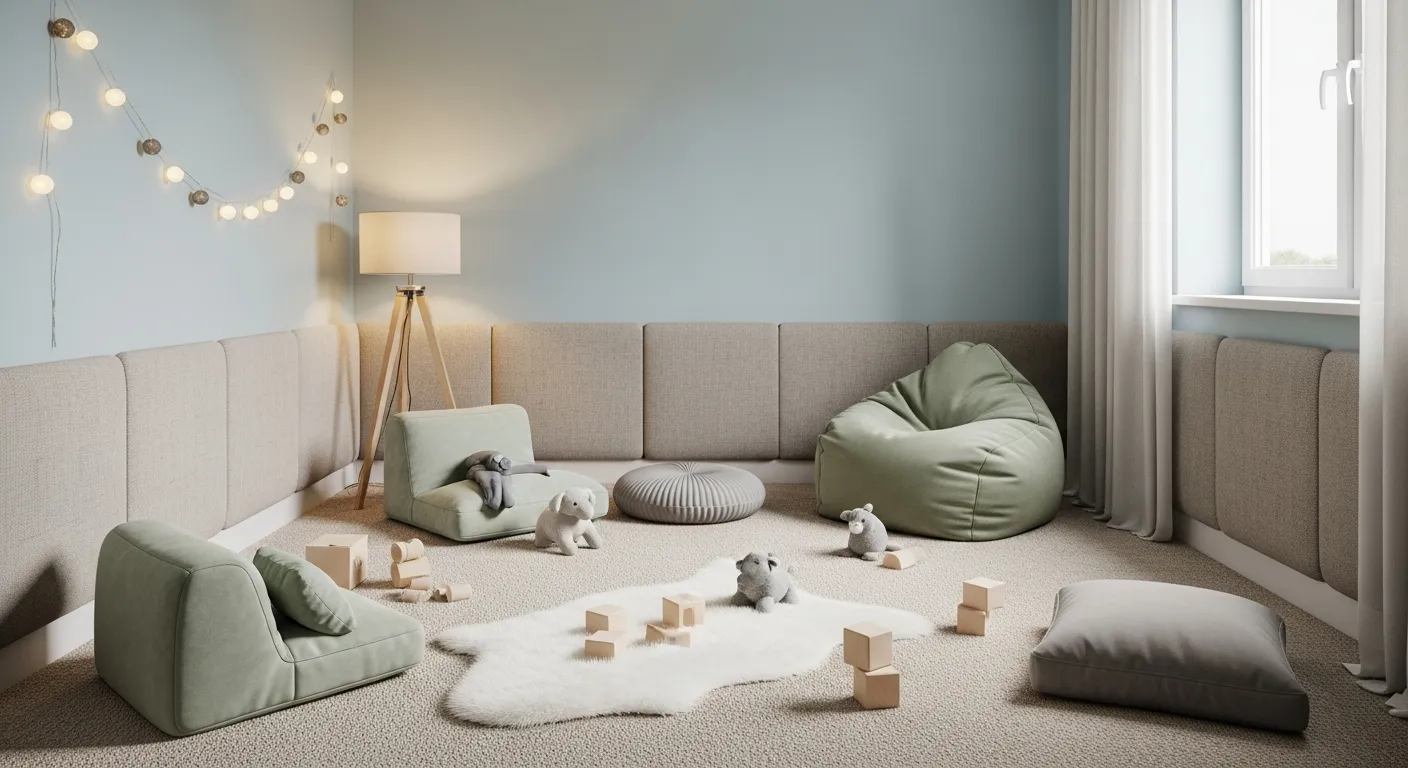
Here are a few ways to set up a sensory room at home.
1. Create a Safe Corner
The first and most important step in creating a sensory room is making the space safe for your child. Make sure to keep away any sharp objects or other things that could harm your child, especially if they are going through a lot. Sometimes, the child might be upset, and they might end up hitting others with harmful things or might try to harm themselves. Therefore, it's important to keep any harmful objects away from space.
2. Remove Any Fluorescent Light
Ensure that there are no fluorescent lights in the space that you want to transform into a sensory room. Fluorescent lights can irritate your child if they have visual or auditory sensitivities. If you cannot remove the light for any reason, turn it off or just cover the lights properly with heat-safe paper. This will help to minimize the glare. You can also consider different window types for sensory spaces to control the amount of natural light entering the room and create a more comfortable environment.
3. Soft Lighting
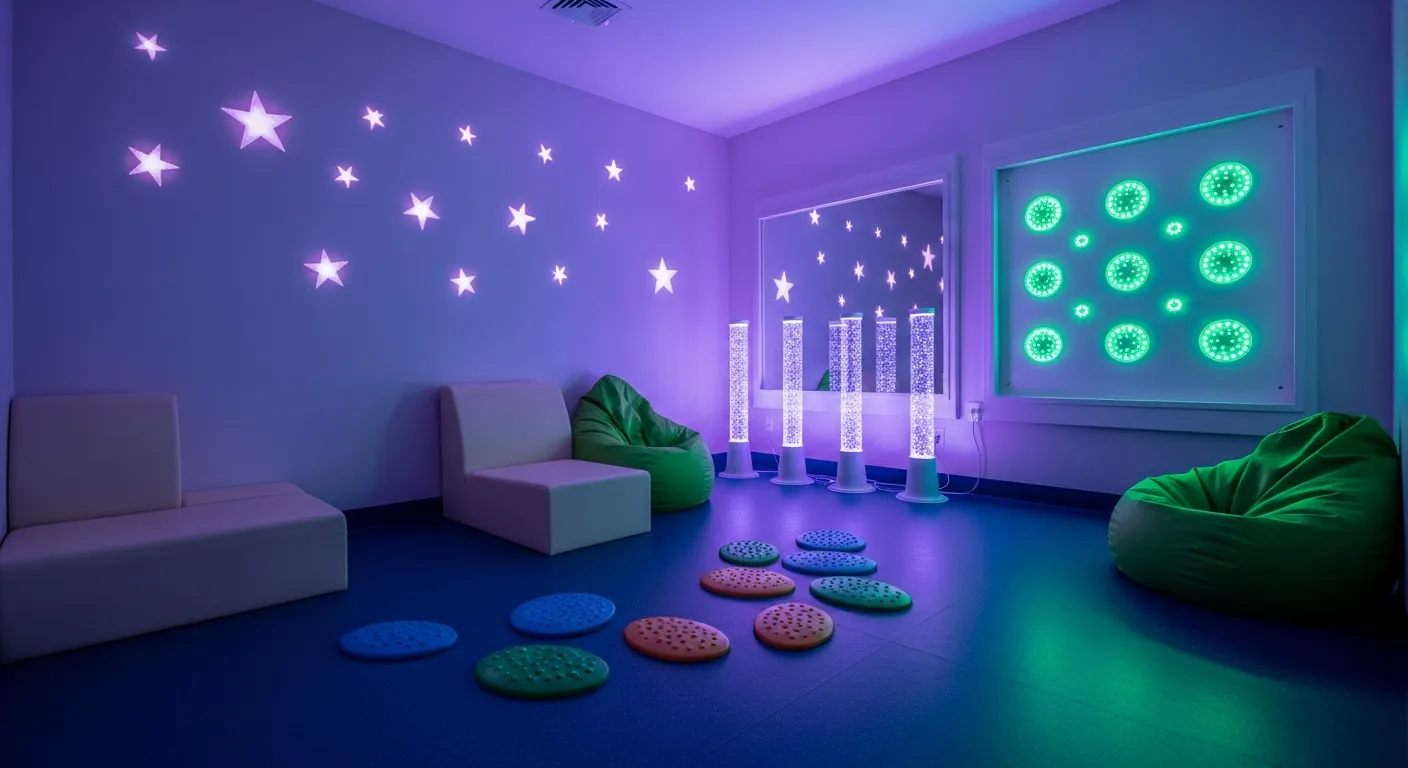
Many experts suggest that children with autism face difficulty concentrating under harsh lights. Hence, opt for soft lighting. A small study also reveals that some children experience physical discomfort, sleep disturbances, and anxiety from exposure to regular bright fluorescent lights.
However, this problem can be addressed by installing sensory lights or lamps, such as bubble or lava lamps. These soft lighting options ensure a restful sleep for children.
4. Calming Music
Some children like repetitive music while others like calming, soft music. Depending on their preference, create a sensory room with a regular CD player. There are various types of sensory equipment that can bring calmness to the room. If your child doesn't want to hear the noise that comes from outside, consider helping them with noise-reduction headphones.
5. Comfortable Seating Area
To create a welcoming space for your children, consider making the seating space comfortable.
- Opt for bean bag chairs for flexibility and comfortable seating.
- Add floor cushions to give your children choices for seating levels.
- Bring in weighted blankets to provide calming, deep pressure.
- Bring in rock chairs or hammocks to add a sense of equilibrium.
- Opt for body socks to provide tactual stimulation and to increase body awareness.
6. Choose the Right Colour Scheme
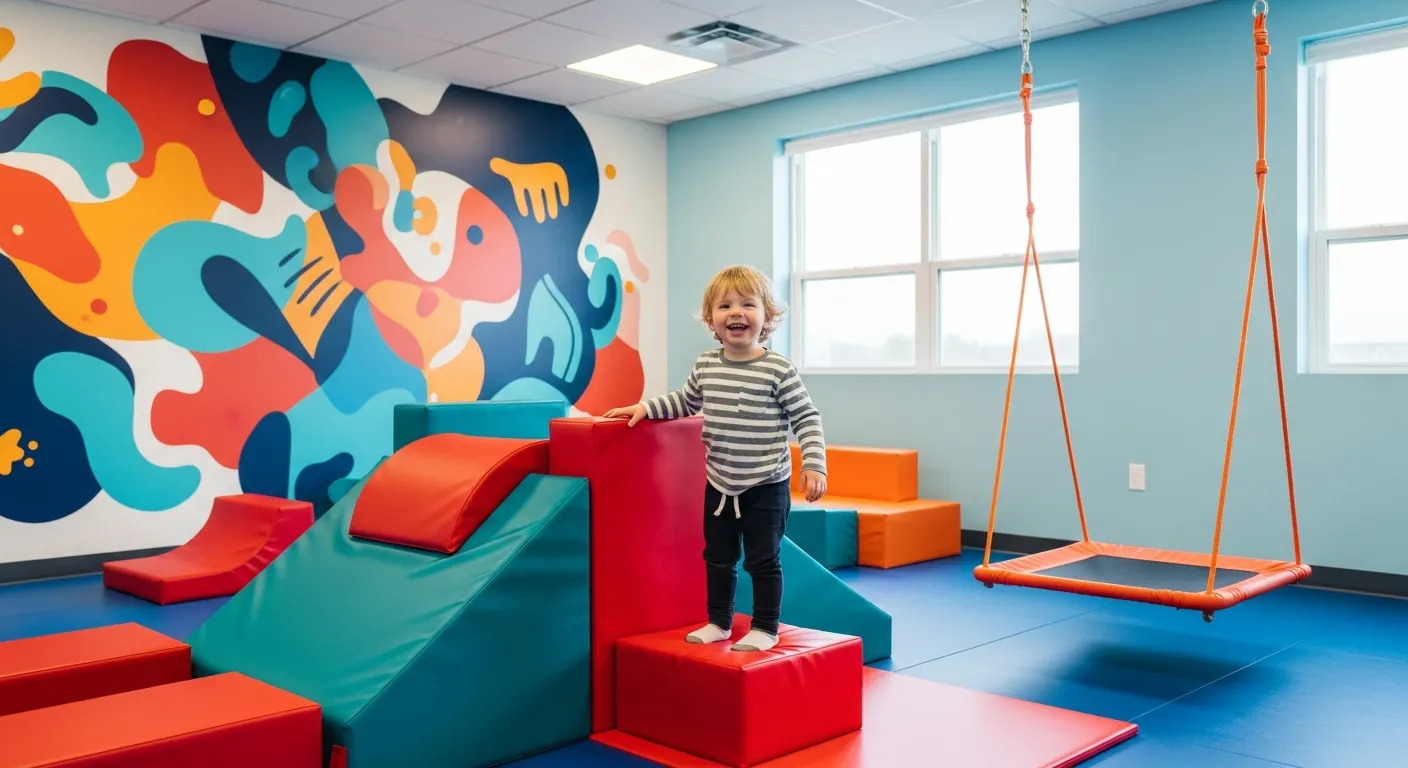
Research shows that children prefer muted tones of blue and green and dislike bright colors. Because blue and green have shorter wavelengths than other bright colors, they do not stimulate the brain as much. It is better to choose softer hues such as gray, beige, pastels, and cool colors (like blue and green).
These colors not only help reduce brain stimulation but also reduce chaos and promote restful sleep. Other design elements can also influence the room's atmosphere, so homeowners can consider different ceiling texture types when creating a visually comfortable and calming sensory space.
7. Aromatherapy and Relaxing Fragrances
To make your space more calm, spread some essential oils all over the room. Different oils can help in giving a different feel. For instance, lavender oil can aid in relaxation, whereas peppermint oil can help in enhancing concentration. Always take the sensitivity of your child into consideration when choosing an essential oil. This is because these oils may have unwanted reactions.
Things You Can Include in a Sensory Room
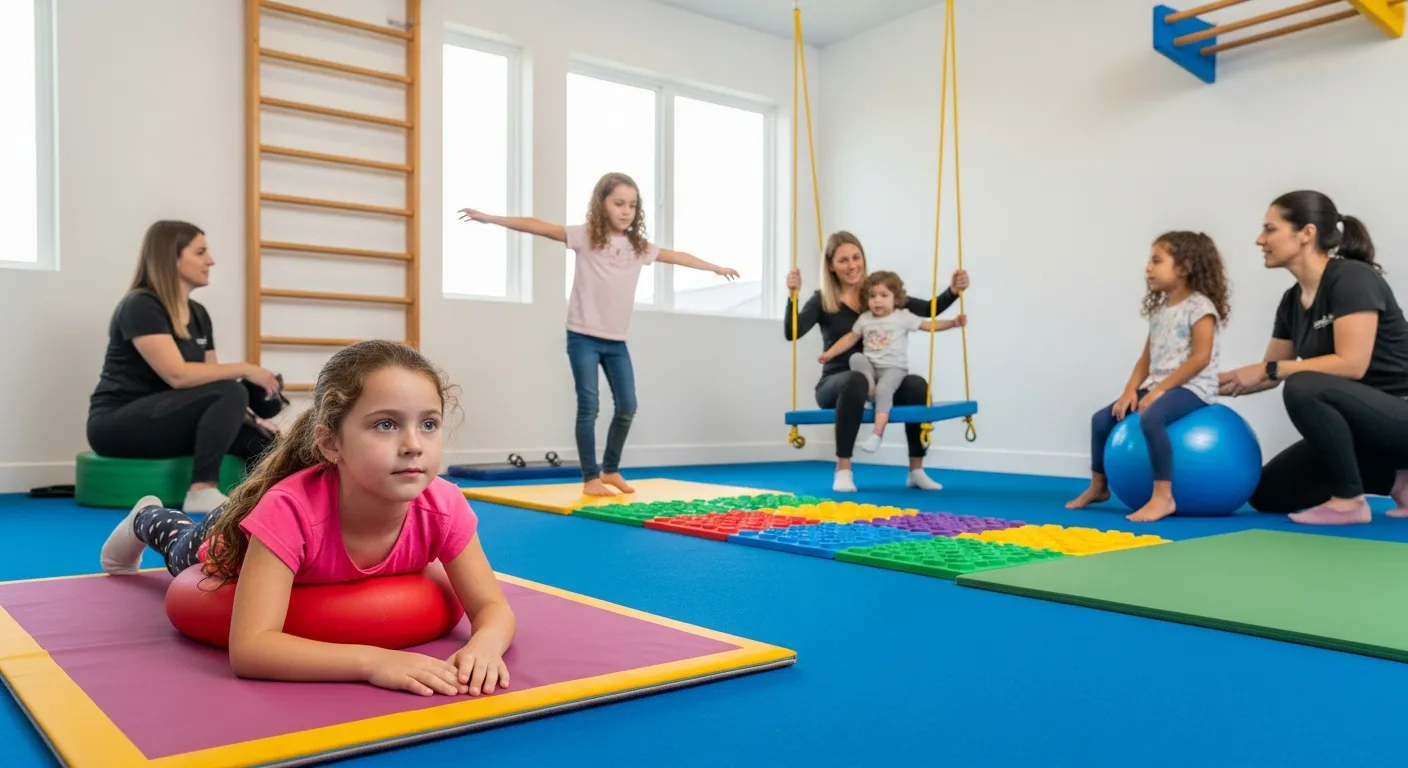
Here is a list of items that you can include in your sensory room for more comfort and relaxation.
- Big crash pillows or mats
- A net swing
- Therapy balls
- Sensory break cards
- Favourite Toys
- A bean bag chair
- Fidget items
Conclusion
Creating a sensory room is all about keeping in mind the sensitivity of your child towards particular colors or items. Considering all the factors to provide a calm and relaxing atmosphere for children, you can create a sensory room. There are different ideas discussed in this blog that may help you pick the best-suited ones for your child.