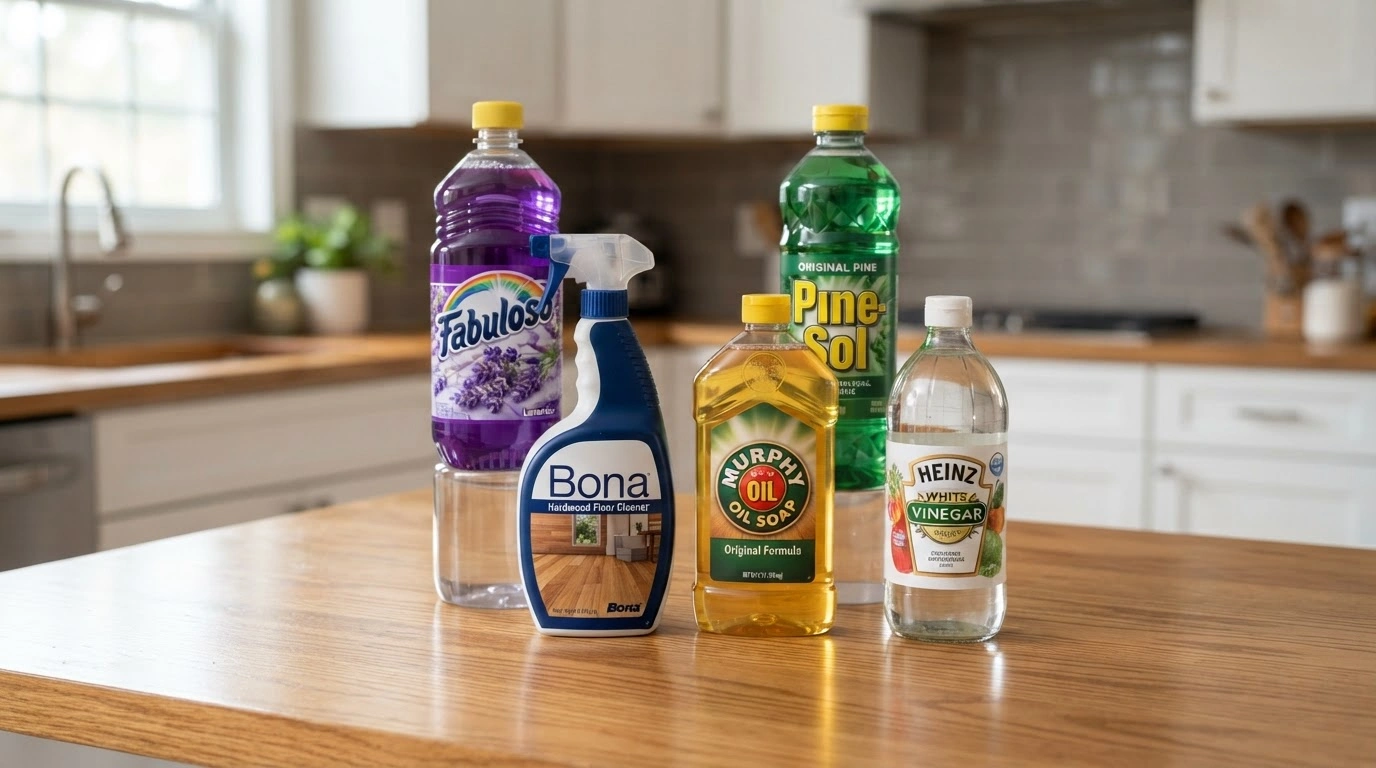
Cleaning the hardwood floor is easy if you use the right cleaning solution. Cleaning solutions like Fabuloso, Bona, Murphy, Pine-Sol, or vinegar can be used on hardwood. On a polyurethane-sealed floor, I'd keep a hardwood-specific cleaner like Bona under the sink, use Fabuloso or Pine-Sol occasionally and only diluted to the label, and treat Murphy Oil and vinegar as the two most likely to leave the dull, hazy look people blame on a "worn finish." I've already covered whether you can use Fabuloso on wood floors and whether Fabuloso is safe for real wood floors, and both land on "yes, if sealed and diluted." Neither addresses what happens after a month of repeated mopping, when the real damage shows up. So I ran the comparison.
How I Tested?
I used one sealed oak floor section and marked off six zones of about two by three feet each: one per cleaner, plus a control zone that only got dry-mopped. Each zone was mopped twice a week for 30 days, 54 sessions in all, using a damp microfiber mop and the dilution printed on each label. I never soaked anything, and I dried each zone with a clean microfiber cloth right after.
Photos are what make this useful. On day 0, 7, 14, 21, and 30, I shot each zone with the phone flash off and a bright lamp held low, almost level with the floor, so the light skims across the surface. Haze and dull spots that vanish in overhead light jump out at that angle.
I judged three things separately, because people lump them together:
- Dulling: the finish itself looks flatter than the control zone.
- Haze: a cloudy film that wipes off with a water-damp microfiber cloth.
- Residue: a tacky or slippery feel when I dragged a clean, dry palm across the boards.
Fabuloso
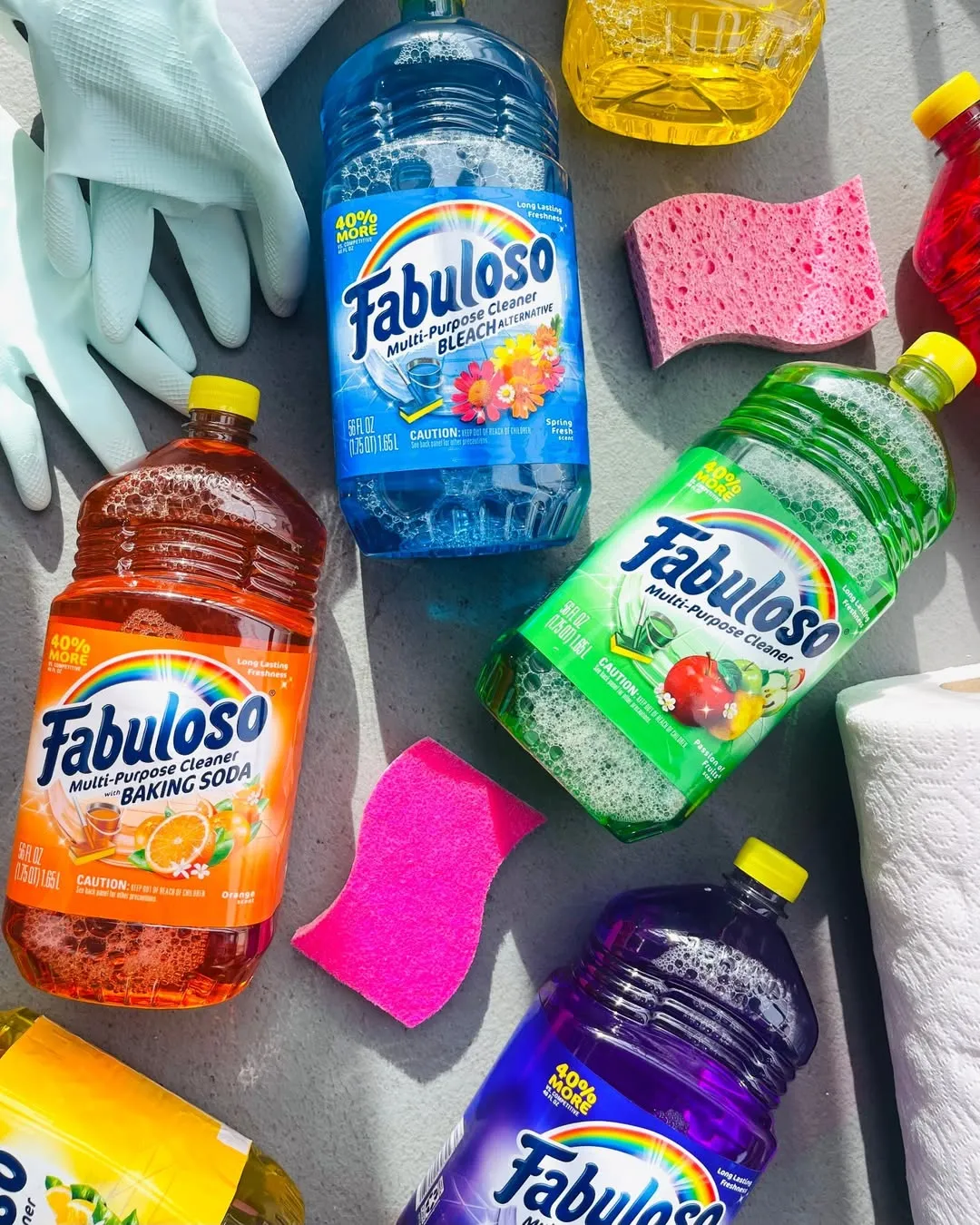
Fabuloso cleaned well and smelled strong, which is exactly why people overdose on it. Too much product in the bucket usually leads to a greasy film, and that matches the residue warning in our own safe-for-wood guide. In my 30 days of experience, the leftover residue layer traps dust and pet hair, and the fragrance oil buildup overshadows the shine of sealed oak. I only noticed product buildup after a couple of weeks, in areas with low foot traffic and no rinsing. One honest tradeoff is that the scent lingered on the floor for hours, which some people will love and some will not.
Pine-Sol
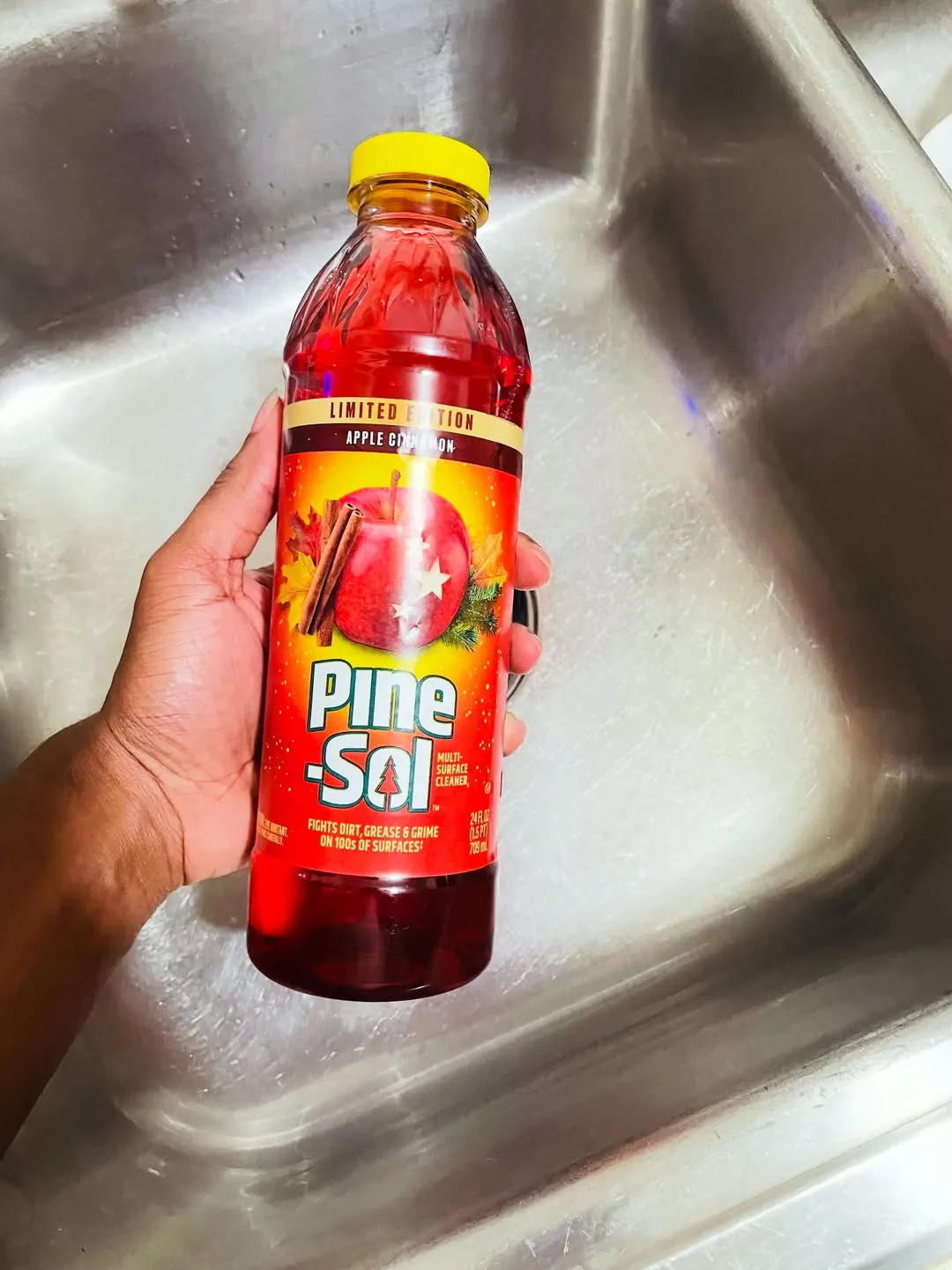
Pine-Sol is another multi-surface cleaner that needs dilution and is only suited to properly sealed wood. Like Fabuloso, this also made the sealed oak look dull as the layer formed. In low foot-traffic areas, as the residue formed, it attracted dust and dirt. After two weeks, I noticed a haze. The honest tradeoff is scent. I kept this one out of the same bucket as the vinegar, and if you're tempted to combine them, read this first: can you mix vinegar and Pine-Sol? Mixing household cleaners isn't worth the risk for a slightly cleaner mop pass.
Murphy Oil Soap
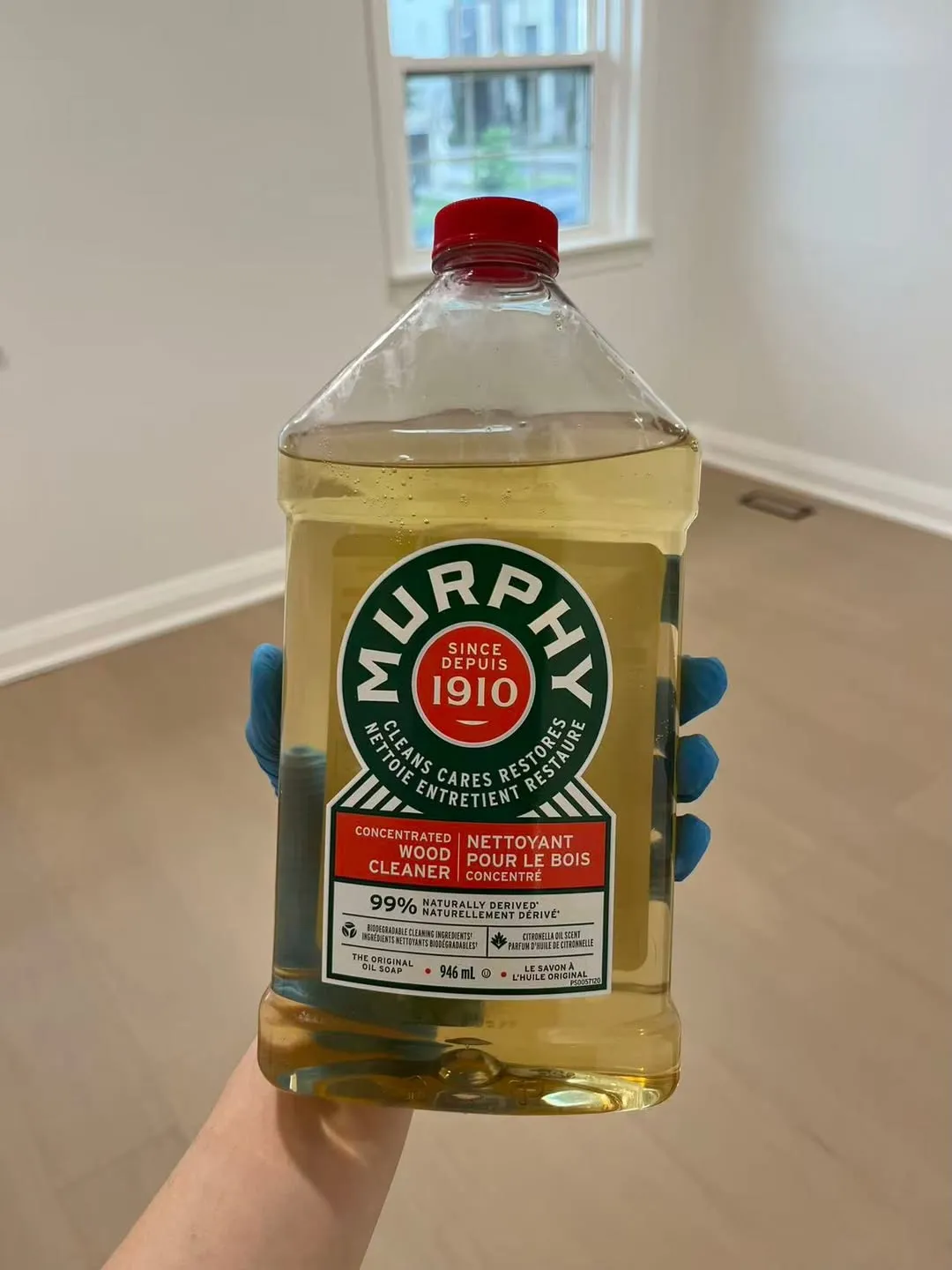
This was the one I expected to look worst, and not because it eats the finish. The concern flooring pros raise is the oily film it can leave behind, which builds up slowly and can interfere with the next maintenance coat. After using it for 30 days, I noticed a cloudy layer over the wood grain and a smooth film of residue. It took almost 3-4 weeks before I could notice the layer. The tradeoff is that even a single mop adds instant conditioning. The build-up part is the key point: a single mopping looks great, which is how people end up using it for three years before wondering why the floor looks cloudy.
Vinegar
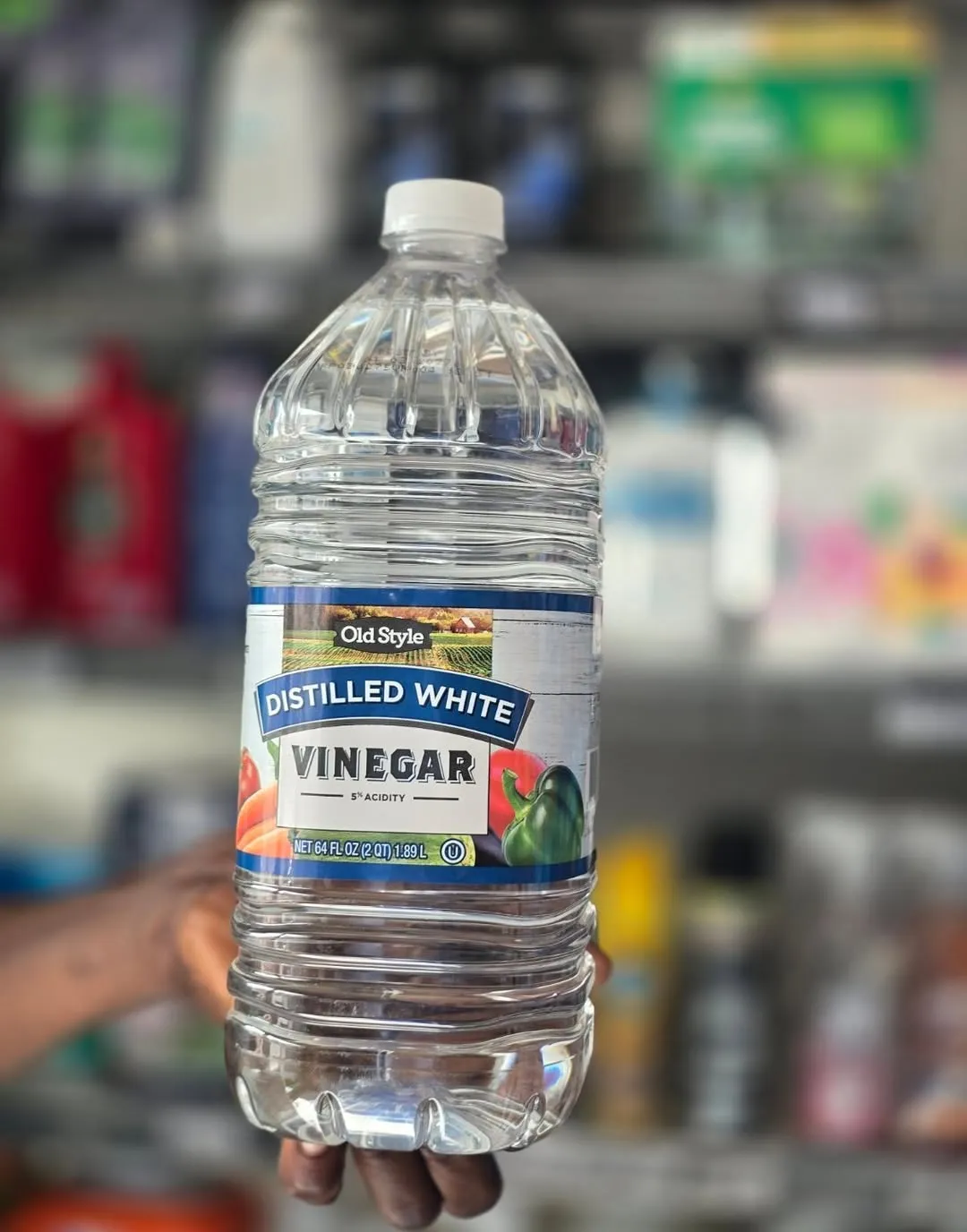
Here the advice genuinely disagrees. Most flooring sites and manufacturers say skip it, because acetic acid (roughly pH 2.5 to 3) is far from neutral and can dull a polyurethane finish over time. An NWFA education executive said in an Apartment Therapy interview that diluted vinegar is technically safe if it isn't concentrated or used often. Both can be true. I test-mopped twice a week, which is the "too often" scenario. After 30 days, I noticed the wood grain looked washed out, but there was no residue. I remember noticing damage at the end of week 3. A residue-free surface is the trade-off.
Bona Hardwood Floor Cleaner
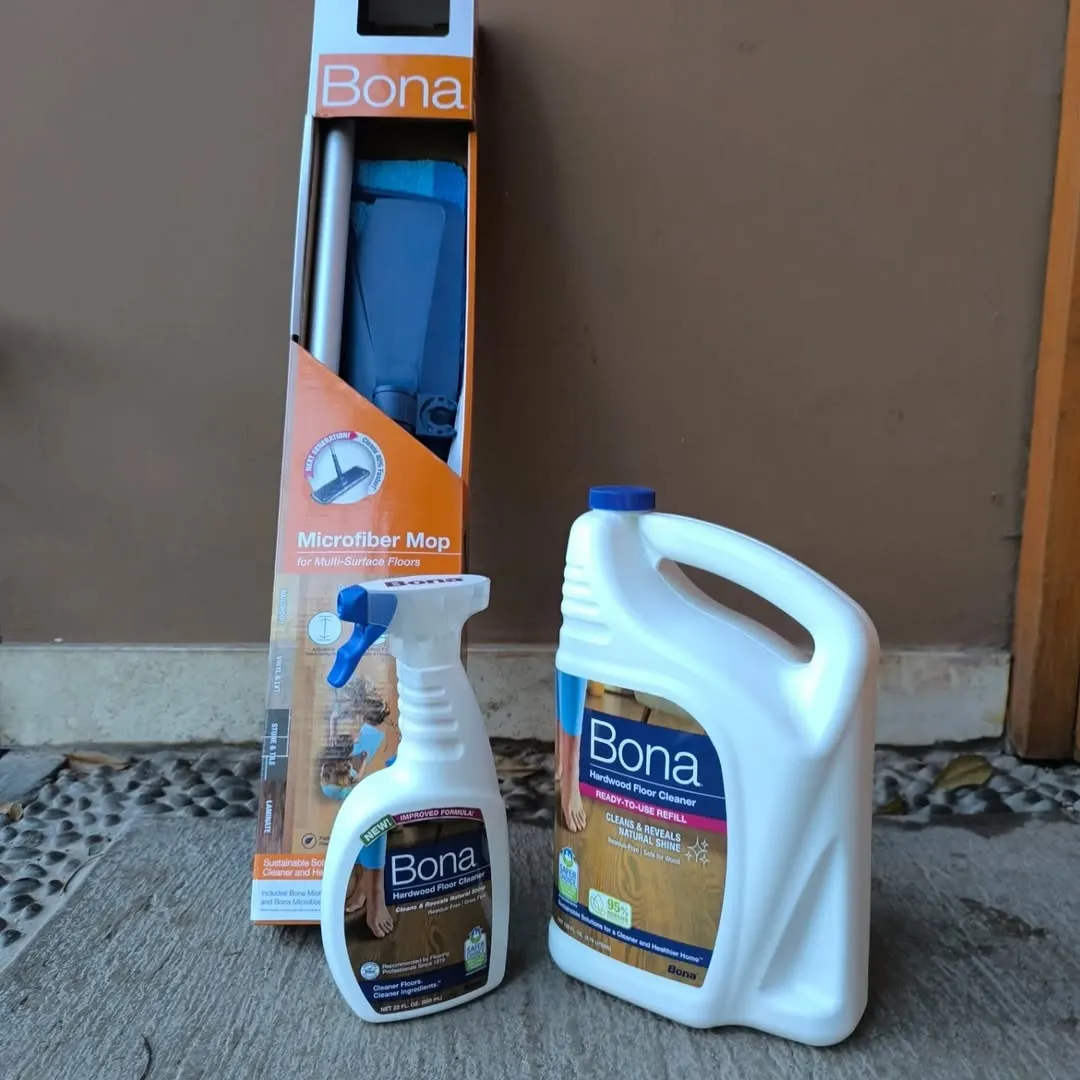
Bona is built for finished hardwood and is water-based, so on paper it's the safe pick. The friction nobody mentions is that some owners see streaks the first week, and one flooring-shop forum poster traced that to Bona lifting old residue left by a previous cleaner. If you switch from Murphy Oil or an all-purpose cleaner, expect an awkward first mop. I observed that, unlike other cleaners, Bona hardwood floor cleaner left no residue; the floor was dry and clean. However, it has no scent.
Side-by-Side Results
| Cleaner | Dulling | Haze | Residue |
| Control (dry mop only) | No | No | No residue is left |
| Bona | Yes, at times | Cloudy haze is formed | No residue is left |
| Fabuloso | Yes | Yes | Layer of cloudy residue is left |
| Pine-Sol | Yes | Yes | Residue is formed |
| Murphy Oil | Yes | Yes | A cloudy layer is formed on the wood grain |
| Vinegar | Severe dulling | Severe haze | No residue is left |
What the Industry Says About All of This?
My test can show you what a month looks like. It can't show you what the next recoat looks like, and that's where the National Wood Flooring Association's guidance matters. The NWFA's care tips for wood floors call for an appropriate wood floor cleaner about once a month, not twice a week as I did here, and advise skipping products that promise to restore luster or add shine. They also say to skip wet mops and steam mops, and to expect a professional recoat every three to five years. In its technical guidelines, the association also warns that a non-recommended cleaner can cause adhesion problems when the floor is recoated, so a film that looks harmless now can come back as a peeling or beading finish later.
What I'd Do If a Zone Looks Hazy?
Do a damp, not wet, pass with plain water and a clean microfiber mop, dry it right away, then recheck in angled light. Haze that lifts is residue. Haze that stays is likely the finish itself, and the fix is a professional recoat, not another cleaner. I wouldn't reach for vinegar or a stronger soap to strip it, since that's how you turn a residue problem into a finish problem.
Which One Would I Keep?
Based on this test and the guidance above, my pick is Murphy Oil Soap because there’s no haze or dulling, and any residue is temporary and can be cleaned. If you only want a rule, it's this. Check your flooring or finish manufacturer's care instructions first, use the least product that works, and mop monthly instead of weekly.