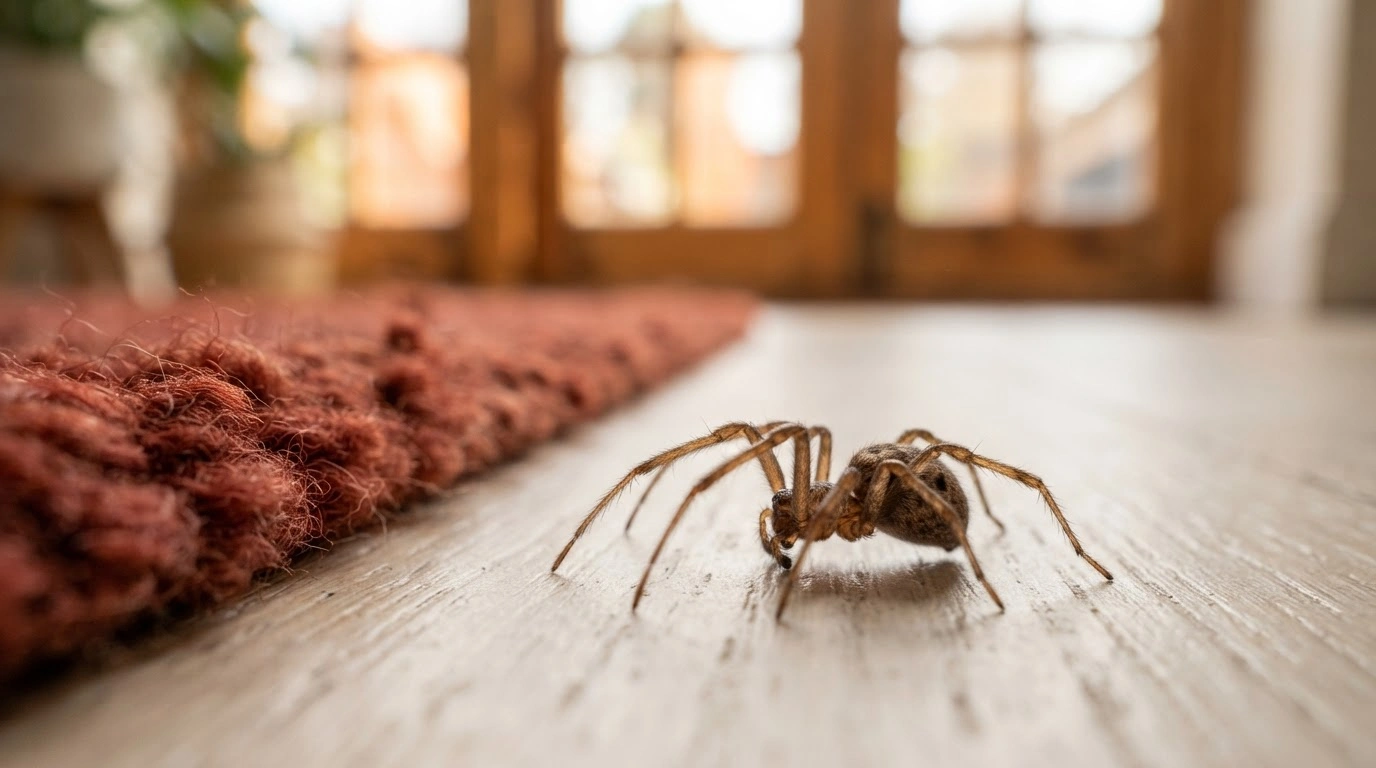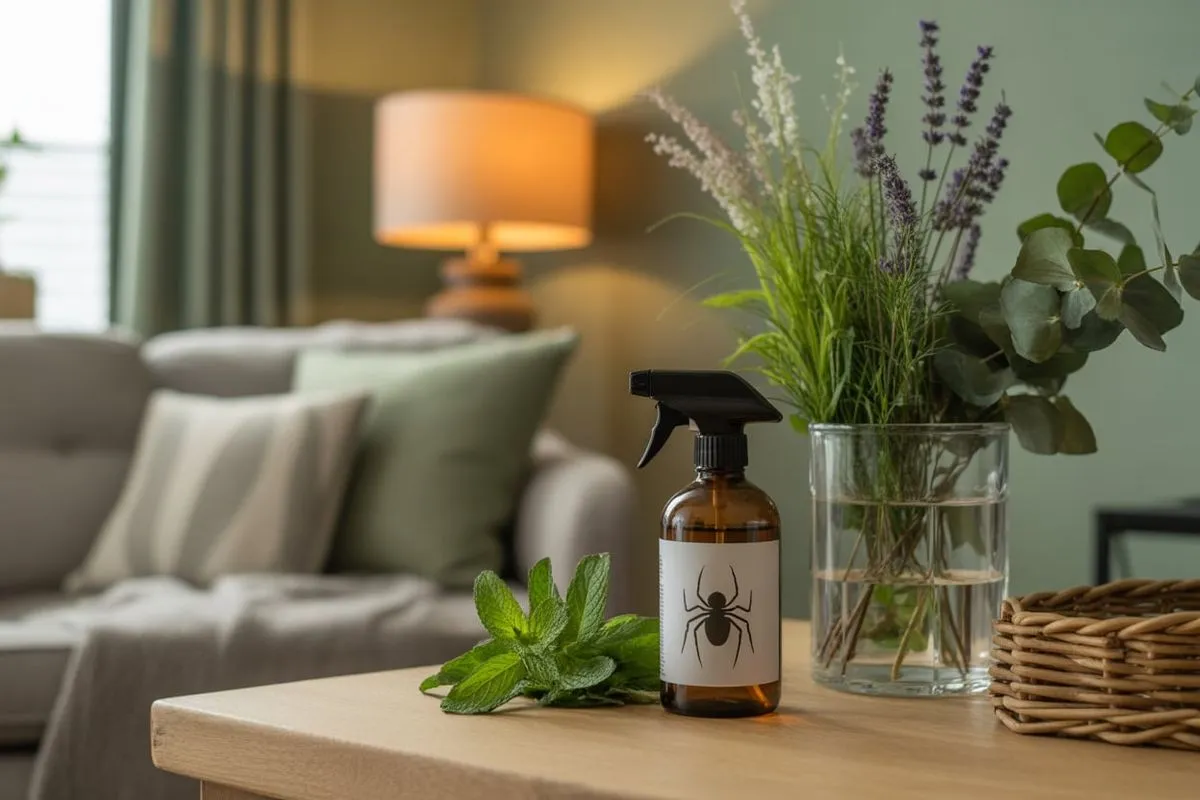
Search online or offline for a natural spider repellent, and you will find the same handful of repeated ingredients with almost no proof of their effectiveness. So I wanted to see for myself, and I ran a two-week test of five of the most common ingredients, then checked my results against the one published study that actually tested them.
How I Ran the Test?
I split my garage and the windows along one basement wall into six zones. Five zones got one repellent each: peppermint oil spray, horse chestnuts, lemon oil spray, a 50/50 white vinegar spray, and ground cinnamon. The sixth zone got nothing and served as my control. Every morning for 14 days, I counted live spiders and fresh webs in each zone, cleared the webs, and reapplied the sprays every three days.
This was one house, one season, and no lab. Treat my counts as a field report, not a study. That is why I lean on the published research below for the bigger and proven claims.
What the Research Says First?
Before my own numbers, here is the evidence. Researchers at Simon Fraser University tested lemon oil, peppermint oil, and chestnuts on three spider species and published the results in the Journal of Economic Entomology. Peppermint oil and chestnuts strongly repelled two of the three species, brown widows and European garden spiders. Lemon oil did not affect any of them. The third species, the false widow, barely reacted to anything. The researchers also tested spiders one choice at a time in a controlled setup, not across whole houses. So the results show a tendency to avoid a scent, not a guarantee that any particular spider in your home will leave.
Spiders do not have a nose. They pick up chemicals through sensory hairs on their legs, which I covered in how spiders actually smell. That matters because a scent has to reach those legs to work, and it fades within hours.
Peppermint Oil: The Only One With Real Backing

I mixed about 15 drops of peppermint oil into a cup of water with a squirt of dish soap and sprayed around the window sills, baseboards, and the door threshold. I logged its zone against the untreated control each morning.
The study explains why this is worth trying, but it also sets the limits. The effect was measured as spiders avoiding treated areas, so peppermint helps stop spiders from settling in. It will not push out a spider that has already built a web. The smell also fades quickly, so expect to reapply every few days, not once a month. If you have a cat, skip it because peppermint oil can be toxic to cats, so I kept my treated spots out of reach.
Horse Chestnuts: Odd, Free, and Surprisingly Backed
Chestnuts repelled the same two species as peppermint in the lab, so I tucked six into corners. The catch is practical. They dry out and shrivel, the scent weakens, and you need a source of fresh ones. Of everything here, they need the least effort and the least testing in real homes.
Lemon Oil: The Popular Myth
Lemon oil is the most recommended spider repellent online, and the Simon Fraser study found no effect on any species it tested. I also have to be upfront that a lemon oil tip appears in some of our older posts. Based on this research, I would no longer count on it for spiders.
White Vinegar: Plausible, Unproven
Vinegar sprays are everywhere in how-to lists, and the usual advice is a 50/50 mix with water, reapplied weekly. I could not find a controlled study showing vinegar repels spiders, so treat it as an open question. Vinegar does one useful thing: it cleans the surface, and a clean surface with no old webs makes it easier to see new activity. Do not mistake that for repelling.
Cinnamon: Mostly a Smell Test
I sprinkled ground cinnamon along a baseboard and a window track. Cinnamon gets blamed for drawing spiders in, and I looked into that separately in whether cinnamon attracts spiders. Short version: spiders show up for insects and shelter, not for spice. Cinnamon may be a mild, short-lived deterrent at best, and I found no controlled research on it.
What Didn't Work, and the Tradeoffs?
The biggest limit is how short the effect lasts. Every spray here needs constant reapplication because the scent fades fast. Scents also do nothing for a spider that is already settled, which is exactly the situation most people are in when they look for a repellent.
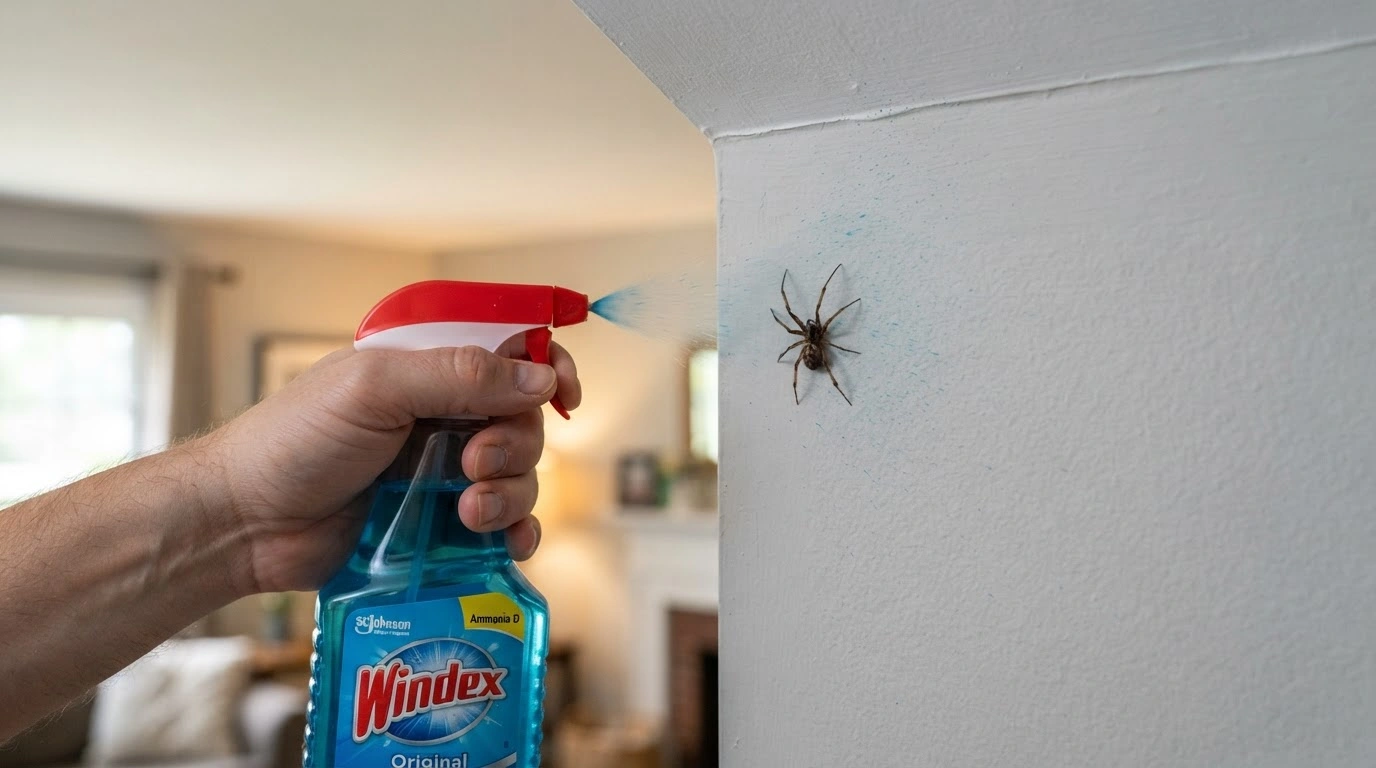
Cleaning products are different from repellents, and mixing them up wastes money. Lysol only works when it lands on the spider, and it takes hours to finish the job. Windex acts faster, in minutes, but the pros and cons of using Windex on spiders come down to the same point: contact sprays handle the spider you can see and do nothing about the next one.
What Actually Kept Spiders Out?
The most impactful steps are the uninteresting ones. Sealing the gaps around the garage door and window frames, clearing clutter, and wiping out webs every morning address why spiders come in, which no spray does. Spiders follow food, and the insects in a home are the reason they stay. If you are seeing spiders in large numbers despite all this, professional pest control can help by disrupting the insect supply and accessing entry points sprays never reach.
My Verdict
Use peppermint oil if you want a natural deterrent, treat chestnuts as a backup, and skip lemon oil. Think of all of them as help at the margins, not a fix. The real work is sealing the house and cutting off the food.
If you try peppermint, start small. Test the spray on a hidden patch of paint or wood first, since oils can mark some finishes. Focus on the places spiders actually cross, like window sills, door thresholds, and the gaps near the garage door, rather than misting whole rooms. Set a reminder to reapply, and keep a simple tally of webs for two weeks the way I did. A written count tells you far more than a gut feeling about whether the smell is working.