Spiders are a common concern for homeowners, especially when they start appearing indoors. These creatures can often be spotted in corners, basements, attics, and other quieter areas. Most spiders are harmless and even beneficial because they eat other insects.
However, certain spider species can pose health risks due to their venomous bites. Whether it's common house spiders or dangerous species like black widows or brown recluse spiders, it is natural to feel unsettled by their presence. This article explores the effectiveness of pest control in eliminating these unsettling spiders.
What Attracts Spiders to Homes?
Quiet and Undisturbed Areas
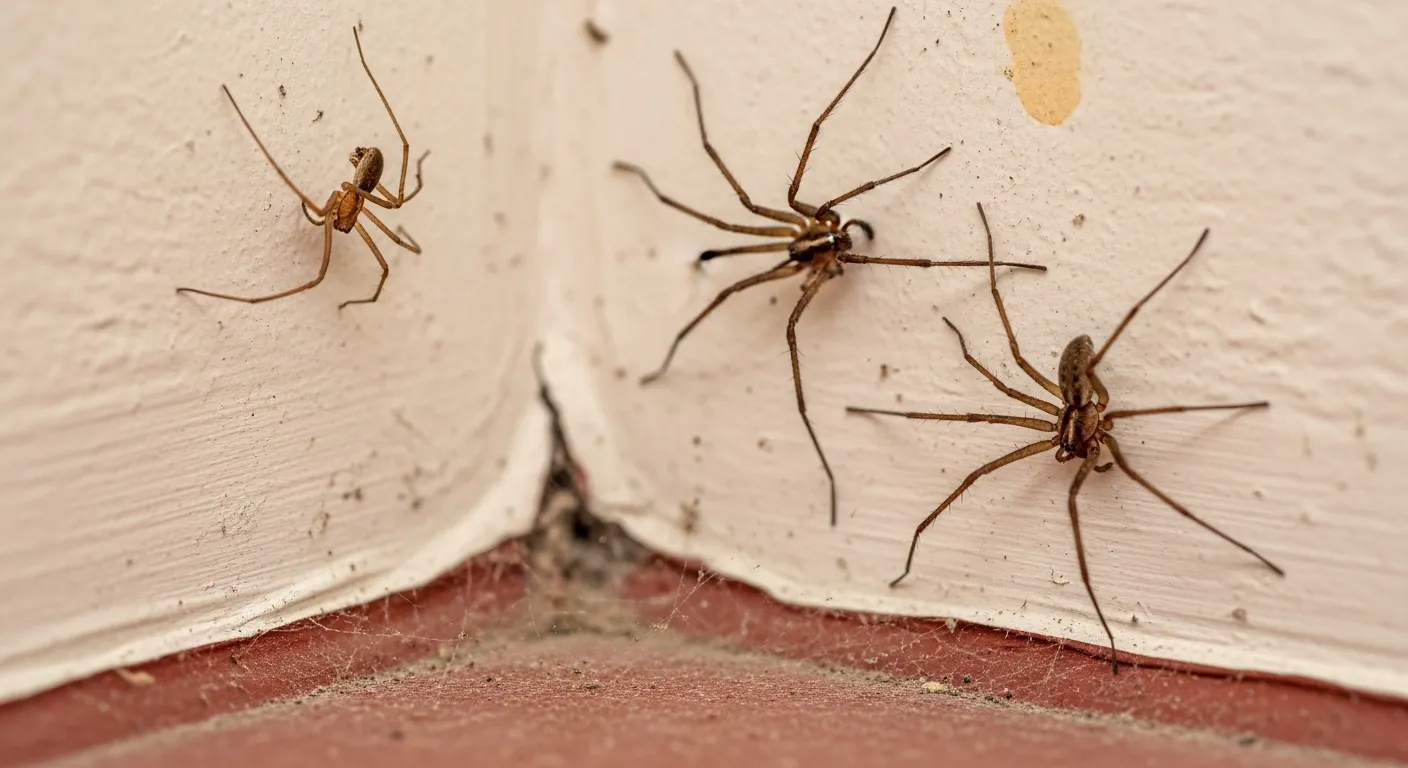
Spiders are especially drawn to quiet, undisturbed areas where they can hide without being disturbed. Their common hiding spots include basements, bathrooms, closets, and garages.
Food and Water Sources
Several other factors also contribute to attracting spiders to the home, including accessible water sources and food sources, such as other insects.
Weather Conditions
Changing weather conditions also often drive them indoors, thereby increasing the chance of infestation.
Easy Entry Points
They often get inside through cracks in walls or open windows. Spiders are very efficient at staying out of sight; professional spider control is often needed to locate them effectively.
Exterminators have the training to find hiding spots and identify the type of spider present. This helps them recommend an effective extermination and prevention plan depending on the situation.
How to Get Rid of Spider's Food Sources to Keep Them Away?

When you notice a large number of spiders in the home, it could be due to the easy availability of food sources in the space for the spiders, such as insects, which include moths, flies, and beetles. Spiders feed on these insects to survive.
Pest control can effectively eliminate spiders in such situations. Pest control professionals reduce the number of other insects present in the home through quarterly perimeter pest control treatments. This approach works by eliminating the spider’s food source. When the insects that spiders feed on are removed, spiders would naturally be forced to look for alternative food sources.
| Tips | Once spiders and their food sources are effectively removed, it is best to perform an exterior pest control treatment quarterly to act as a barrier, keeping these pests outdoors and allowing homeowners to enjoy a comfortable indoor environment. |
How to Prevent Spider Infestation?
Remove Favorable Conditions for Spiders

- The first and crucial step in spider control is to eliminate favorable conditions that attract spiders. This means getting rid of potential sources, such as yard clutter, crawl spaces, and any ground covers placed against the foundation walls.
- Eliminating other insects with a routine insecticide treatment should be given priority because insects are the spider’s main food source. When insect populations increase around the home, spiders are attracted because they mainly feed on them. By controlling these insects, homeowners can automatically keep a check on the spider infestation.
Keep the Home Tidy

It is important to clean the home regularly to reduce places where spiders can hide. Regular cleaning can help remove spider webs and, where accessible, egg sacs.
In addition, less frequently used storage areas can provide hiding spots for spiders. It is equally important to wipe down benches, wash dishes, and keep the kitchen free of food scraps when dealing with spider activity. Bugs are often attracted to leftover food, crumbs, and food scraps, so these should be cleaned up promptly. Reducing insect activity can also reduce the food available to spiders.
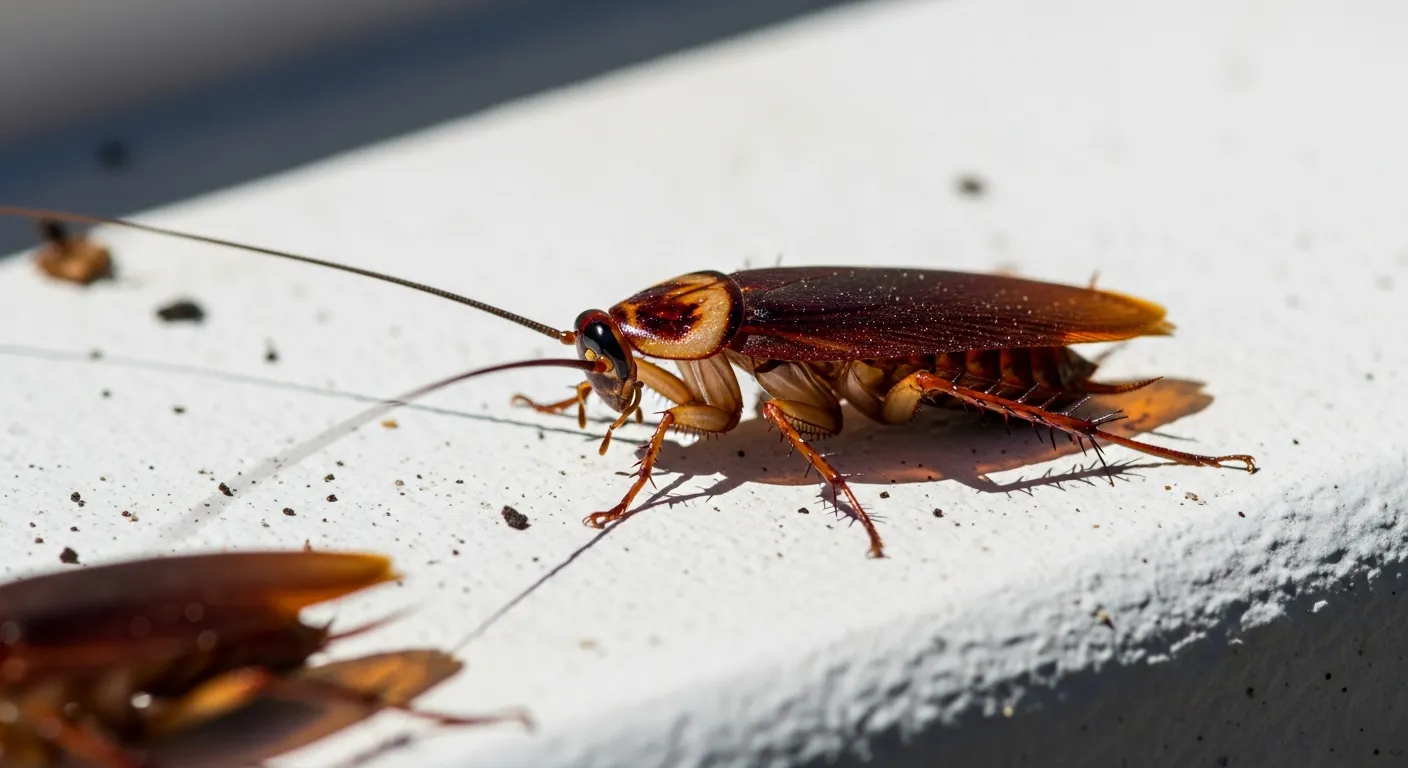
If you notice unfamiliar crawling insects around the home, learning about floor bugs can help you identify whether you are dealing with spiders, insects, or another type of household pest before choosing a treatment.
Try Natural Remedies

For those looking for a natural alternative to help discourage spiders, some homeowners use strongly scented products such as peppermint oil. However, these remedies should be viewed as deterrents rather than reliable solutions for eliminating an established infestation.
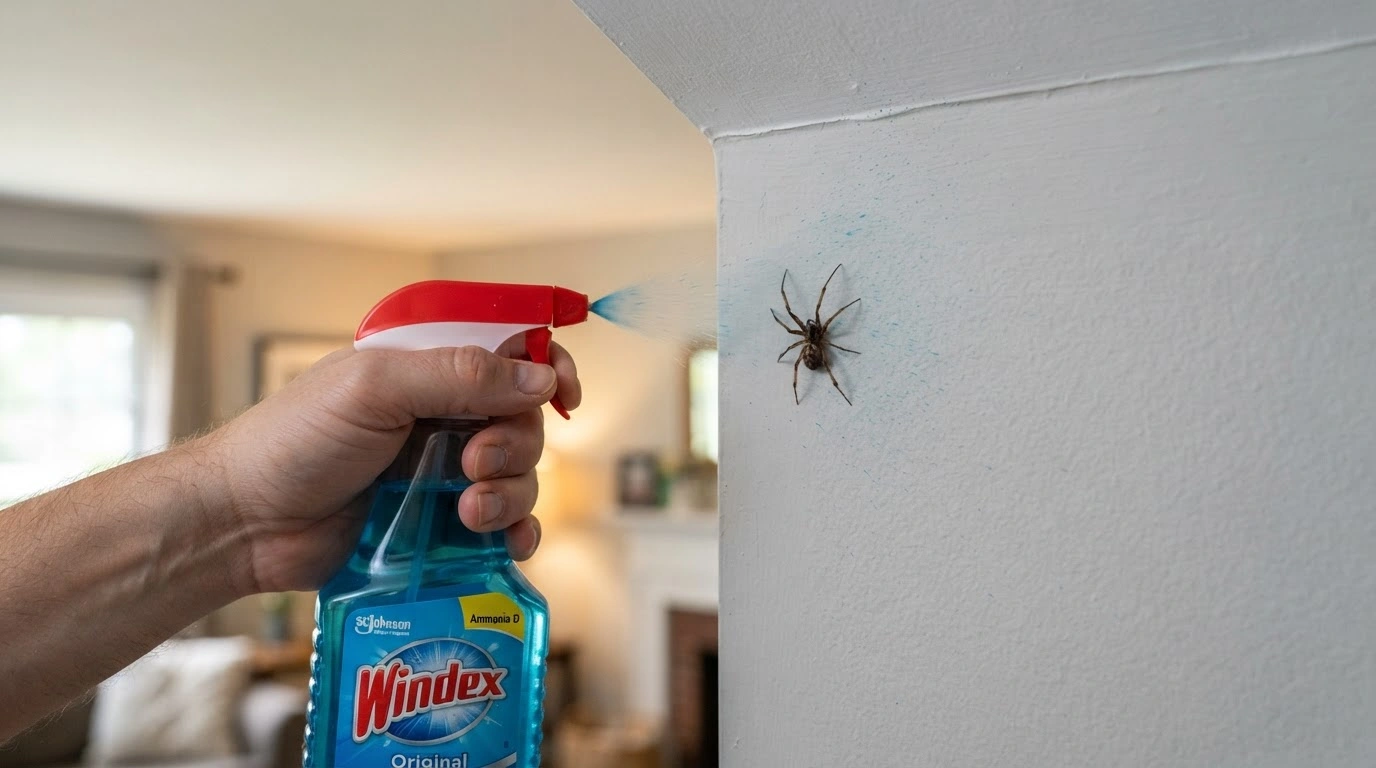
Before applying any homemade spray, check whether it is suitable for the surface and keep it away from children and pets. Never apply a substance directly to a spider unless the product label specifically indicates that it is intended for pest control.
Homeowners sometimes ask can you use lysol to kill spiders, but household disinfectants should not be treated as general-purpose pesticides. Use products according to their labels and choose a product specifically registered for the pest you are trying to control.
Vinegar is another commonly suggested household remedy. Although its strong odor may temporarily discourage some pests, there is limited evidence that vinegar provides reliable, long-term spider control. Rather than repeatedly spraying vinegar throughout the home, focus on removing webs, reducing insect activity, cleaning clutter, and sealing entry points.
Conclusion
Pest control can help manage spiders, but effective control usually involves more than simply trying to kill spiders directly. Reducing the insects that serve as their food source, removing webs and hiding places, keeping the home tidy, and limiting potential entry points can all help reduce spider activity.
Correct pest identification is also important because different insects require different control methods. For example, how to get rid of ground bees is a separate pest-control topic and should be approached differently from indoor spider management.
For homeowners dealing with persistent or potentially dangerous spider species, professional pest-control assistance can help identify the pest and determine an appropriate treatment and prevention plan.