Spiders bring psychological fear for many, along with hygiene concerns, so many homeowners want to kill them instantly. However, the real task is to find the instant spider killer. Most "instant" spider killers you read about online aren't instant. Over two weekends in my garage and basement, I tried six common household items on house spiders with a phone stopwatch running. Only two stopped a spider within a minute. A couple took far longer than I expected, and one barely worked at all. If there is a spider in your home right now and you want to get rid of it instantly, here is what you should do first.
What Is the Fastest Way to Kill Spiders?
The fastest methods are physical: a vacuum hose or a quick squish. Among sprays, 70 percent rubbing alcohol and soapy water worked best in my tests. Windex, Lysol, and vinegar all need a heavy, direct coating and can take minutes or even hours. None of them stop the next spider from showing up.
1. A Vacuum With a Hose Attachment
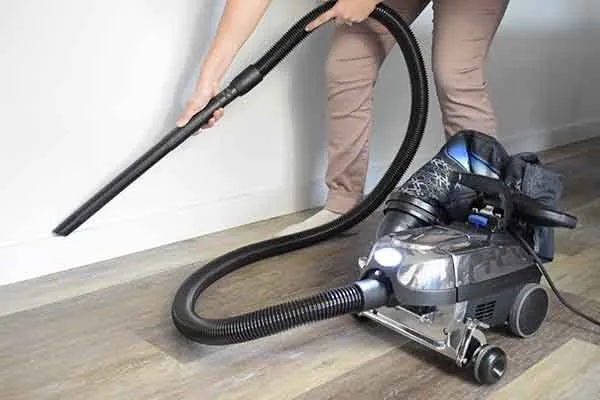
This was the fastest and the cleanest. The spider is gone the moment it enters the hose, and you can pull down the web and any egg sac in the same pass. Empty the canister or bag outside afterward, since a spider can survive the trip for a while.
My one complaint is noise because spiders escape when they hear the loud noise. Two of my test spiders ran away even before the nozzle got closer to them. Come in slowly and quietly from above and don't hover.
2. 70 Percent Rubbing Alcohol
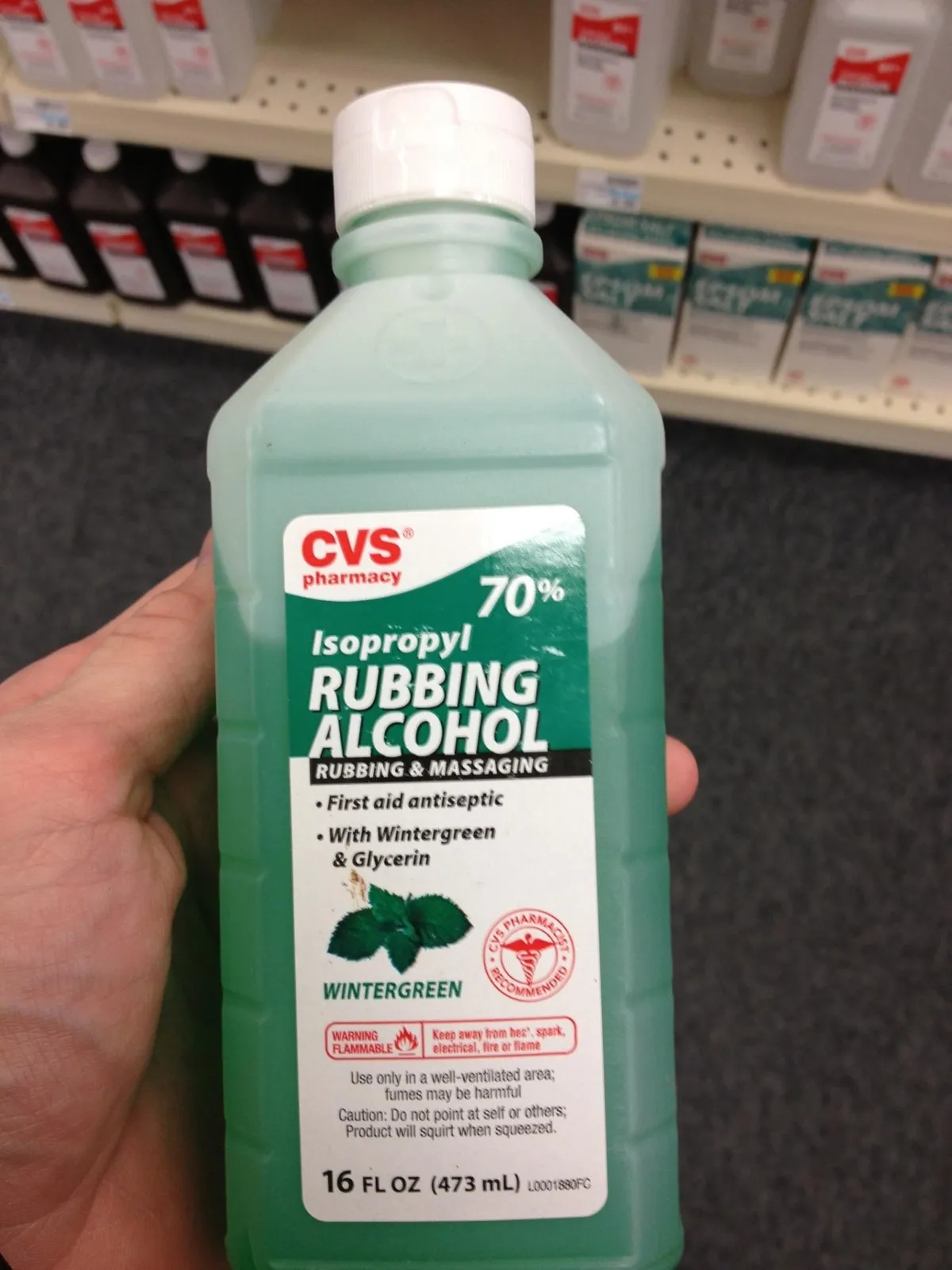
Fill a small spray bottle and give the spider one direct spritz. Every spider I sprayed stopped moving within about 30 seconds, and the alcohol evaporated without a sticky film. Two cautions. It is flammable, so keep it away from stoves, candles, and pilot lights. It can also dull some varnished wood, so spot test a hidden corner first.
3. Dish Soap and Water
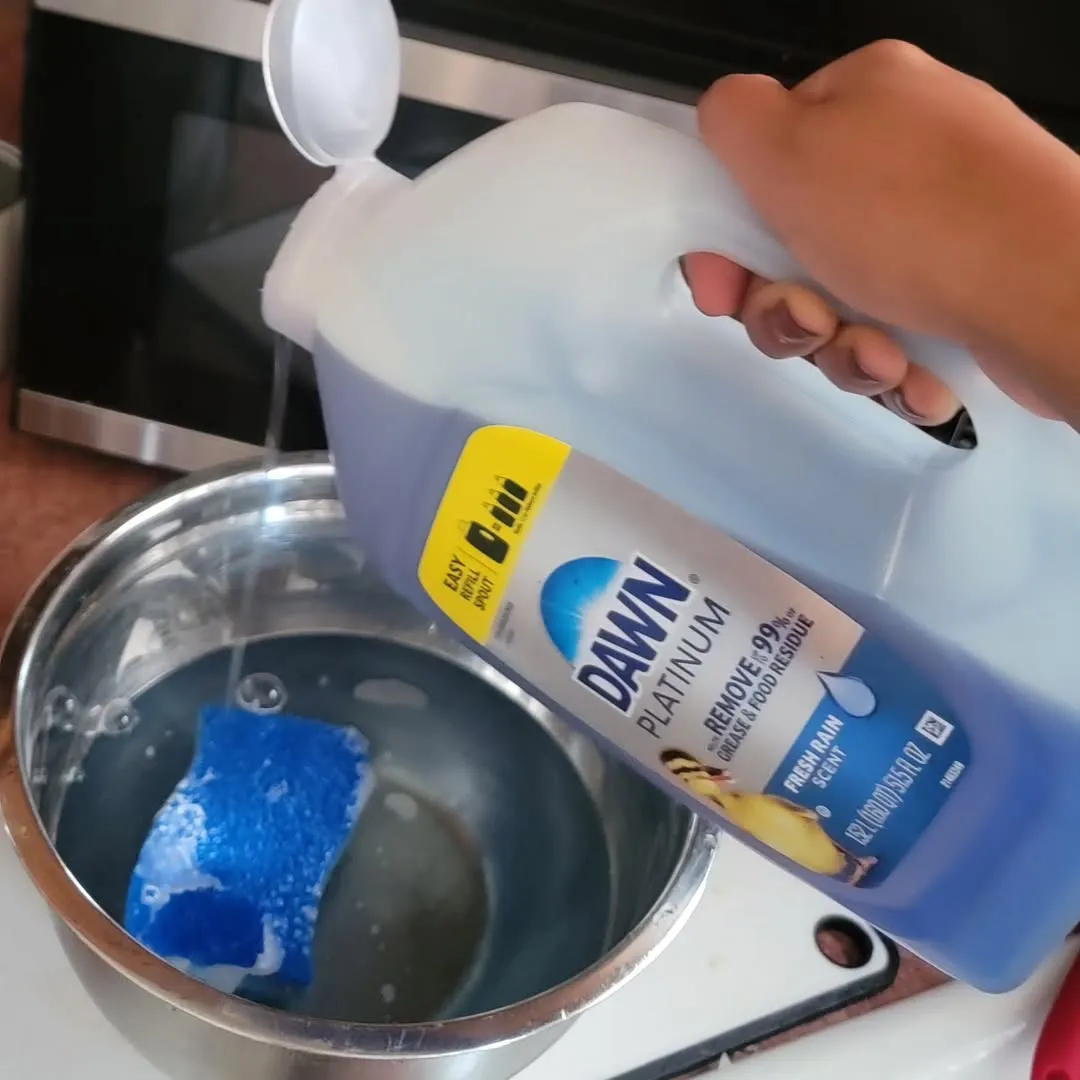
Stir a tablespoon of dish soap into a cup of water. Soapy water clings to the spider's body and clogs the tiny openings it breathes through. In my tests, it took one to three minutes, slower than alcohol, but it is cheap, easy to keep under the sink, and gentler around pets and kids. The downside is the slick, soapy patch it leaves on the wall or floor. Hence, wipe it up right away with a damp cloth, because on a tile floor that film turns into a slip hazard faster than you would think. If the spider is on fabric or a painted wall you care about, I would reach for the vacuum instead and skip the liquid entirely.
4. White Vinegar
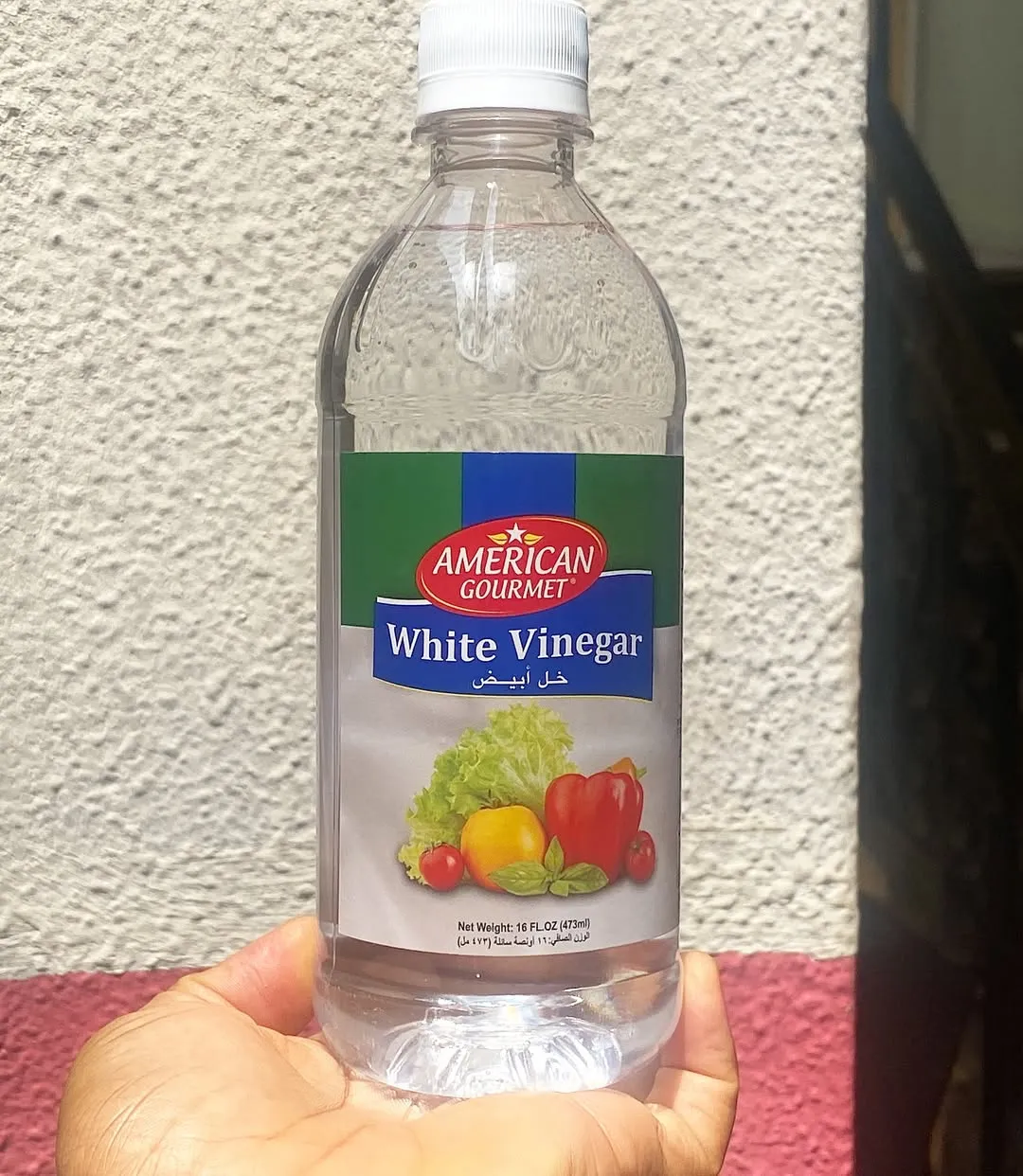
Plenty of articles say vinegar, diluted with water in a 50:50 ratio, sprays and kills spiders on contact. In my garage, it was the weakest performer. After five minutes, the spiders I coated were sluggish and clearly annoyed, but still moving. It may do better on very small spiders. The smell also hangs around, and vinegar can etch natural stone and damage some floor finishes. I would use it to wipe down surfaces, not as a killer.
5. Windex and Lysol (Slow, and Wasteful)
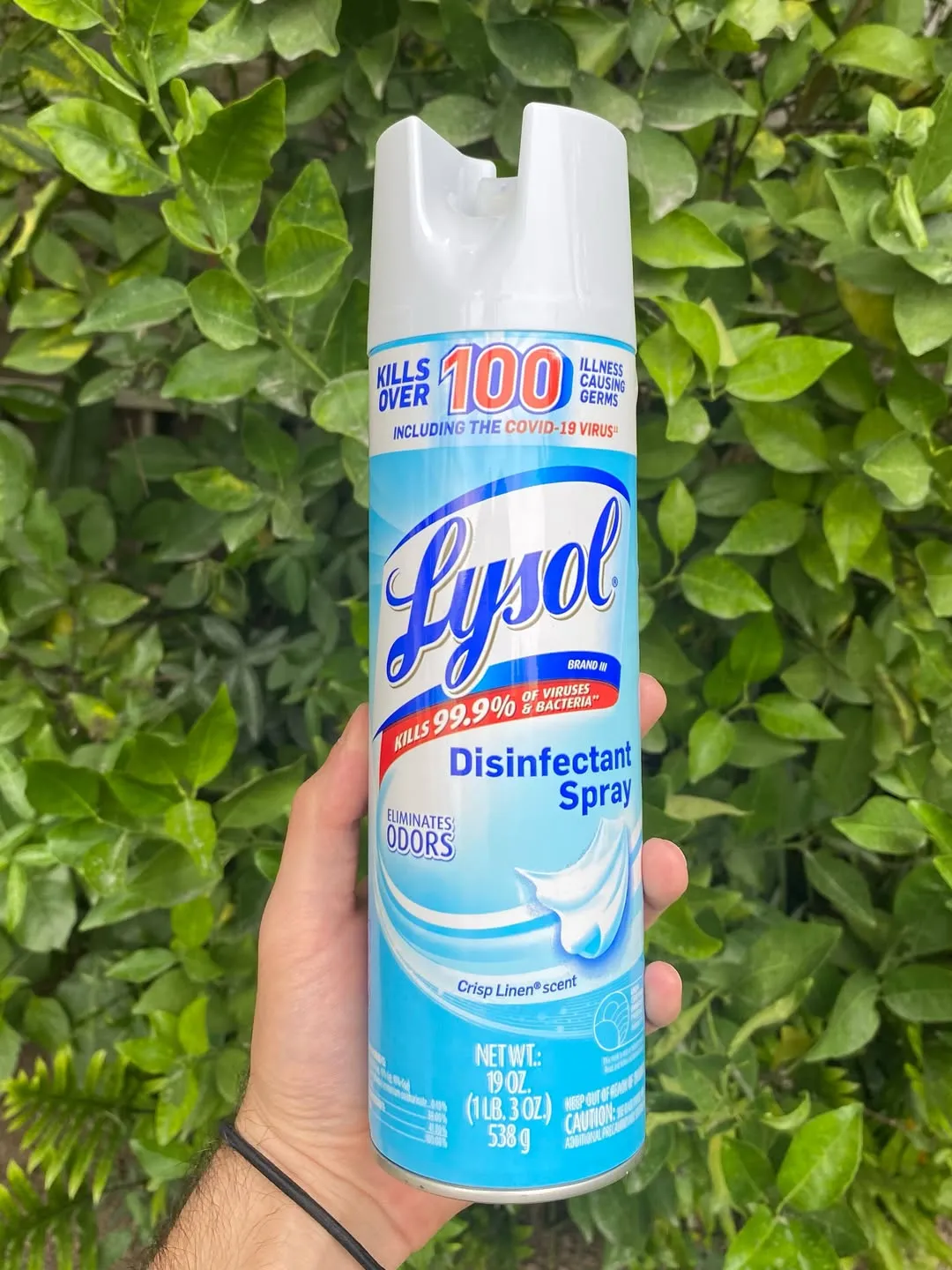
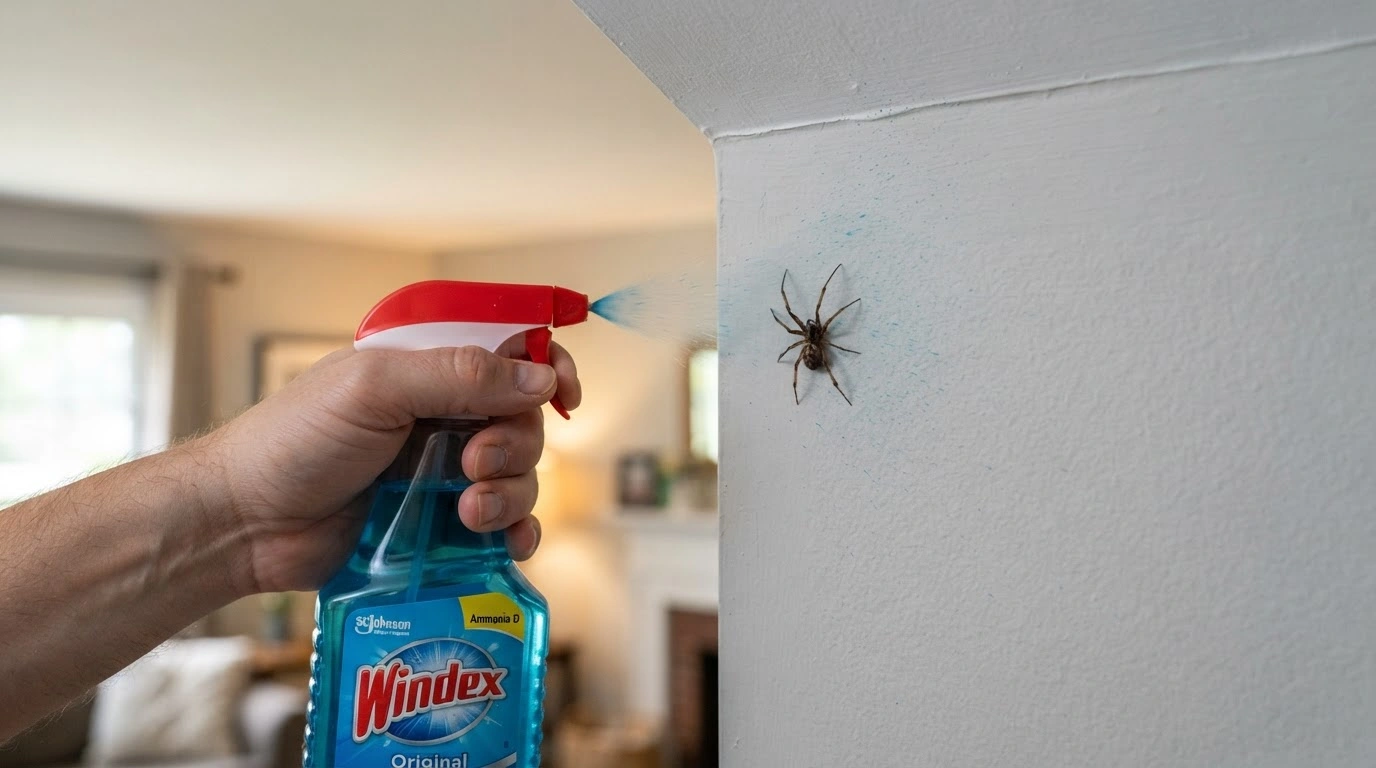
Both can kill a spider, but "instantly" is a stretch. Windex contains ammonia and a detergent that clog the spider's breathing openings, and it typically needs somewhere between 2 and 15 minutes to finish the job. Our full write-up on how long Windex really takes to work covers the timeline, and the pros and cons of using Windex on spiders cover the mess and the smell.
Lysol is slower. It can take hours, and it may take up to a quarter of a can to coat a single spider, which makes it an expensive fix. If you are wondering whether Lysol kills spiders, the answer is yes, eventually. Just don't expect a quick kill.
6. Freezing With a Canned Air Duster
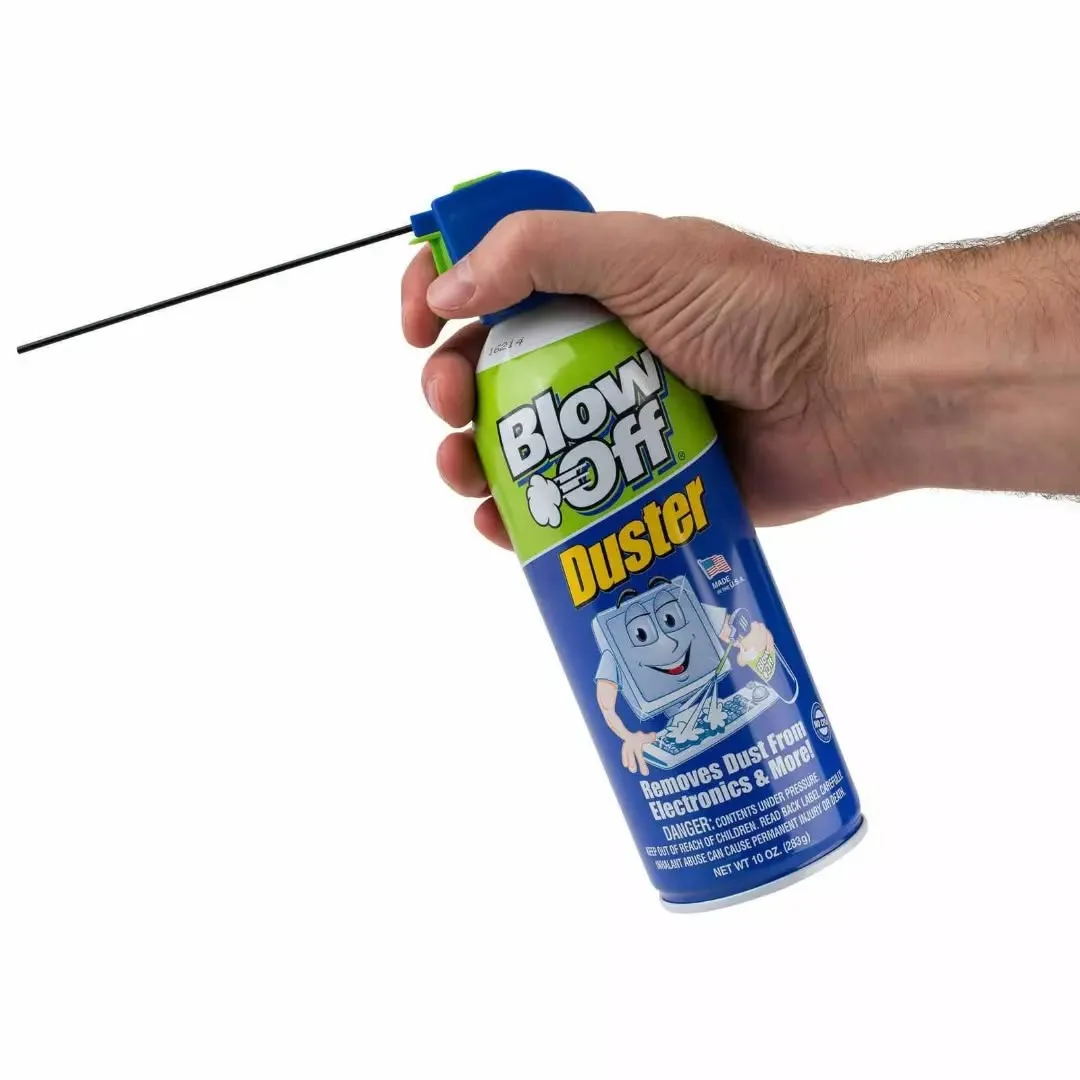
Some pest sites suggest holding a can of compressed air upside down and spraying the spider, which releases a freezing liquid. It is a clean, chemical-free option for people who can't stomach squishing. I tried it only a few times, so treat my notes as light. The spiders stiffened almost immediately, but the can runs out quickly, and you need to be close, which defeats the purpose if you are afraid of spiders.
What I Would Skip?
Bleach: It makes the fumes unpleasant, and it is dangerous if it ever mixes with an ammonia-based cleaner like Windex. Never combine the two.
Hairspray: It is flammable, sticky, and a pain to clean off walls.
Salt Water: It is so slow that the spider usually wanders off before it works.
| Notes | If you think the spider is a black widow or a brown recluse, don't get close with any of these. Back away and use a spray made for spiders from a distance, or call a professional. |
Killing One Spider Won't Fix the Infestation Forever
This is the part most "instant kill" lists skip. Spiders come indoors for insects and shelter through easy entry points. Remove those, and the spiders mostly leave on their own. Utah State University Extension recommends against spraying insecticide inside the home and suggests keeping corners vacuumed or swept and placing sticky traps in closets or corners that pets and children can't reach.
That matches my experience. After my test over the weekends, I vacuumed the corners, sealed a gap under the garage door, and put out a few sticky traps. The spider count dropped noticeably over the next month, and I never touched a spray bottle again.
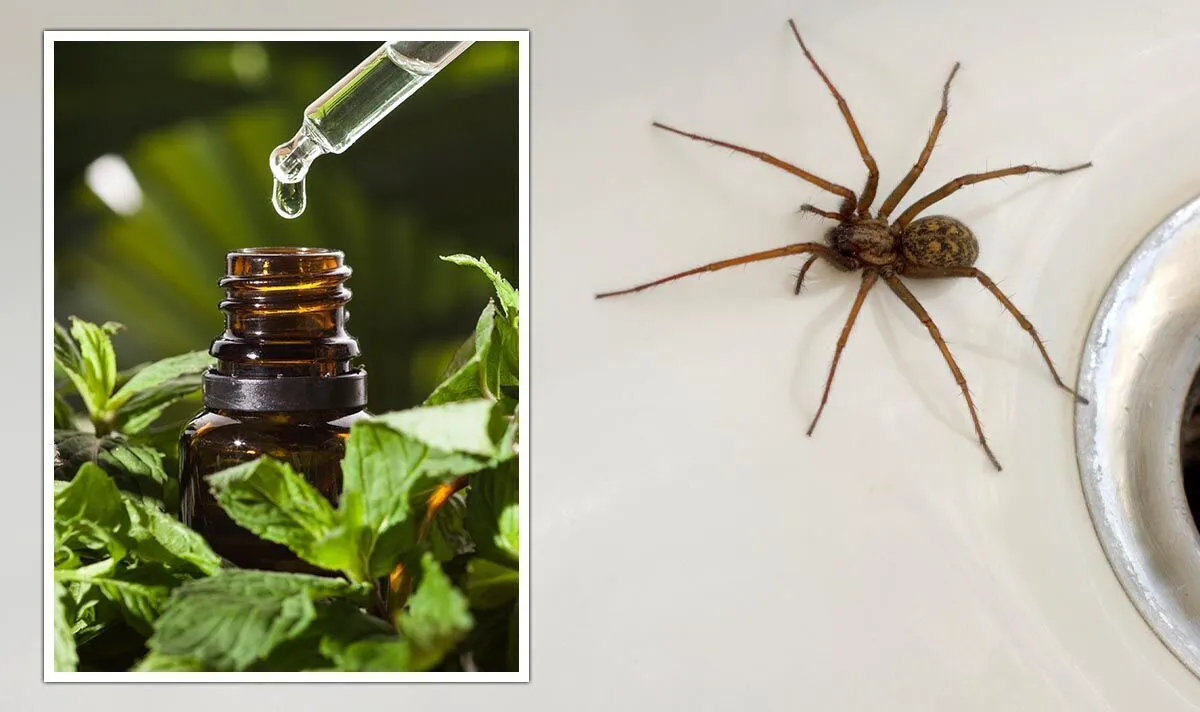
Scents are a mixed bag. Cinnamon and peppermint may nudge spiders away from a spot for a few days, but they are deterrents, not killers, and they wear off. Spiders also pick up chemicals through sensors on their legs, not through a nose, which is why the smell of Lysol doesn't scare them away the way people assume.
If you keep seeing spiders after a month of vacuuming and sealing, you likely have an insect problem feeding them. At that point, professional pest control that targets their food source will do more than any spray bottle.
My Bottom Line
For a single spider, I would use the vacuum first, rubbing alcohol second, and soapy water third. Save the Windex for your windows and the Lysol for your counters. Then spend ten minutes sealing gaps and clearing clutter, because that is what keeps the spiders from coming back.