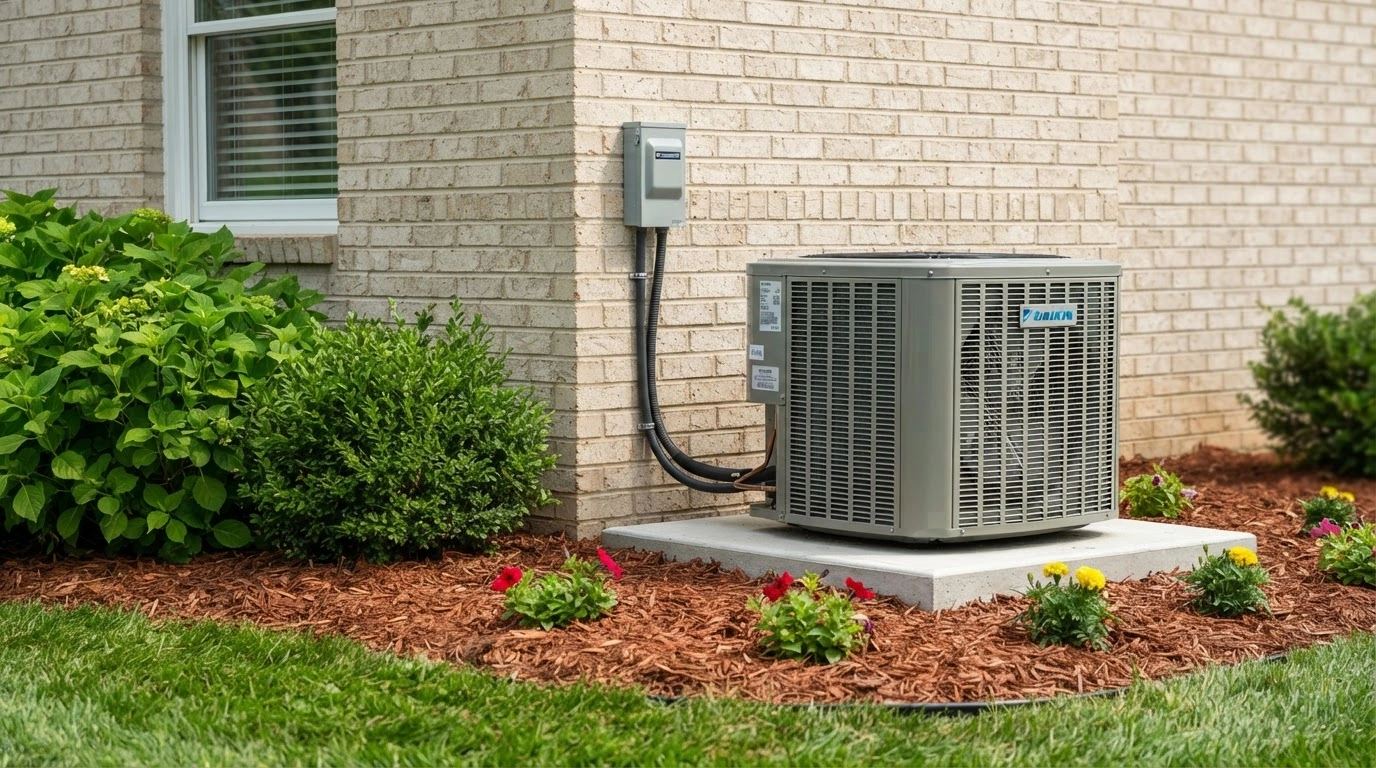
Most of the manufacturer brochures almost mention the same thing: quiet, efficient, built to last. However, more emphasis should be given on owner/users reviews. This is because someone who paid $780 for a Frigidaire unit that died after two summers will give you a better idea of the product. A hundred people saying the same thing about the same brand is worth more than any brochure. We went through ConsumerAffairs reviews, HVAC-Talk and DIYChatroom threads, and homeowner Q&A sites to find the brands that show up again and again in the complaints. Our closer look at six AC-specific problem brands covers the warning signs to watch for. This list widens things to full HVAC systems and lands on ten names.
1. Frigidaire
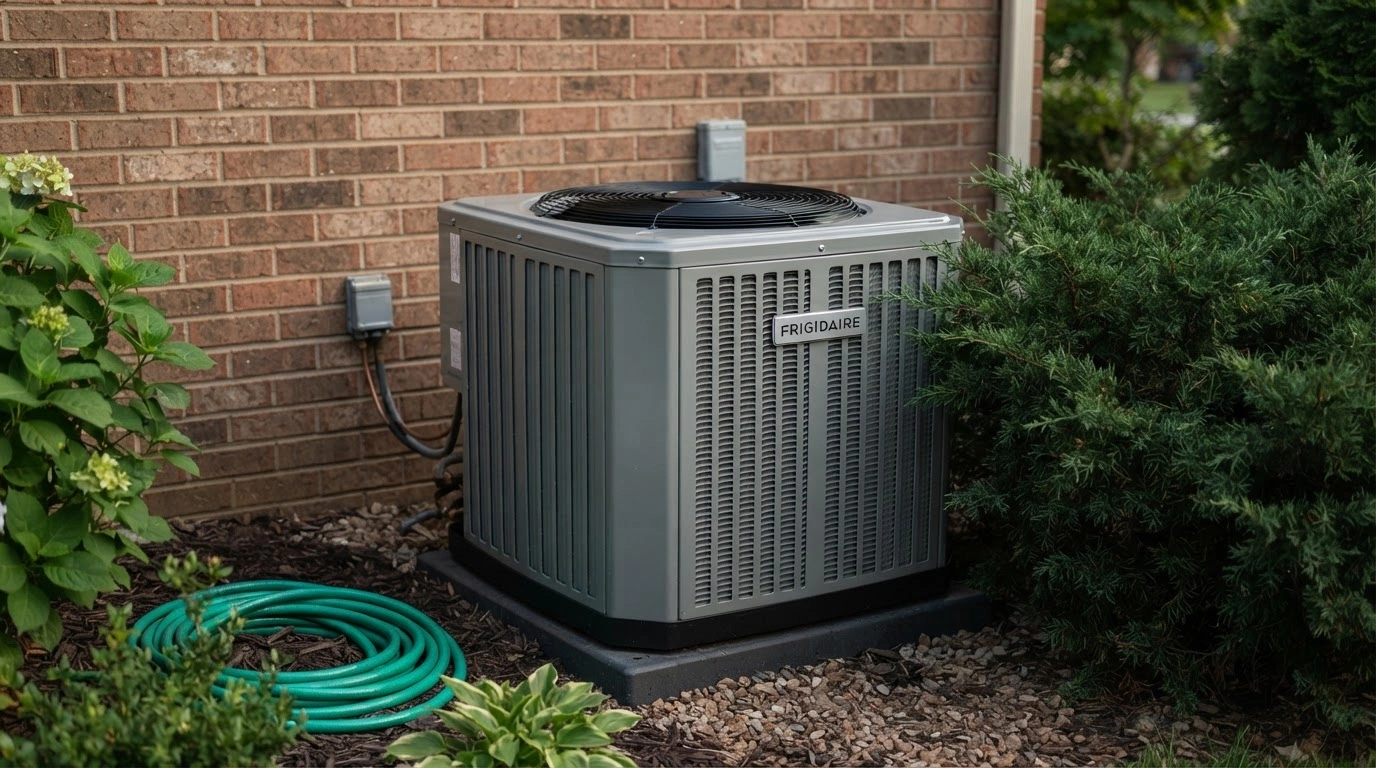
Frigidaire's HVAC line isn't built by the appliance company that makes the fridges and washers. A different manufacturer builds it and allows Frigidaire to use the name in lieu of some payment. Reviewers on ConsumerAffairs share that Frigidaire units quit cooling well before the warranty ran out, and mold builds inside window units even after less than two summers. One owner who paid $780 for a unit that died after two summers, writing that "for $780 this should have lasted longer." Getting a replacement approved took over a week in several cases, with customers describing repeated calls and only scripted responses back.
2. Westinghouse
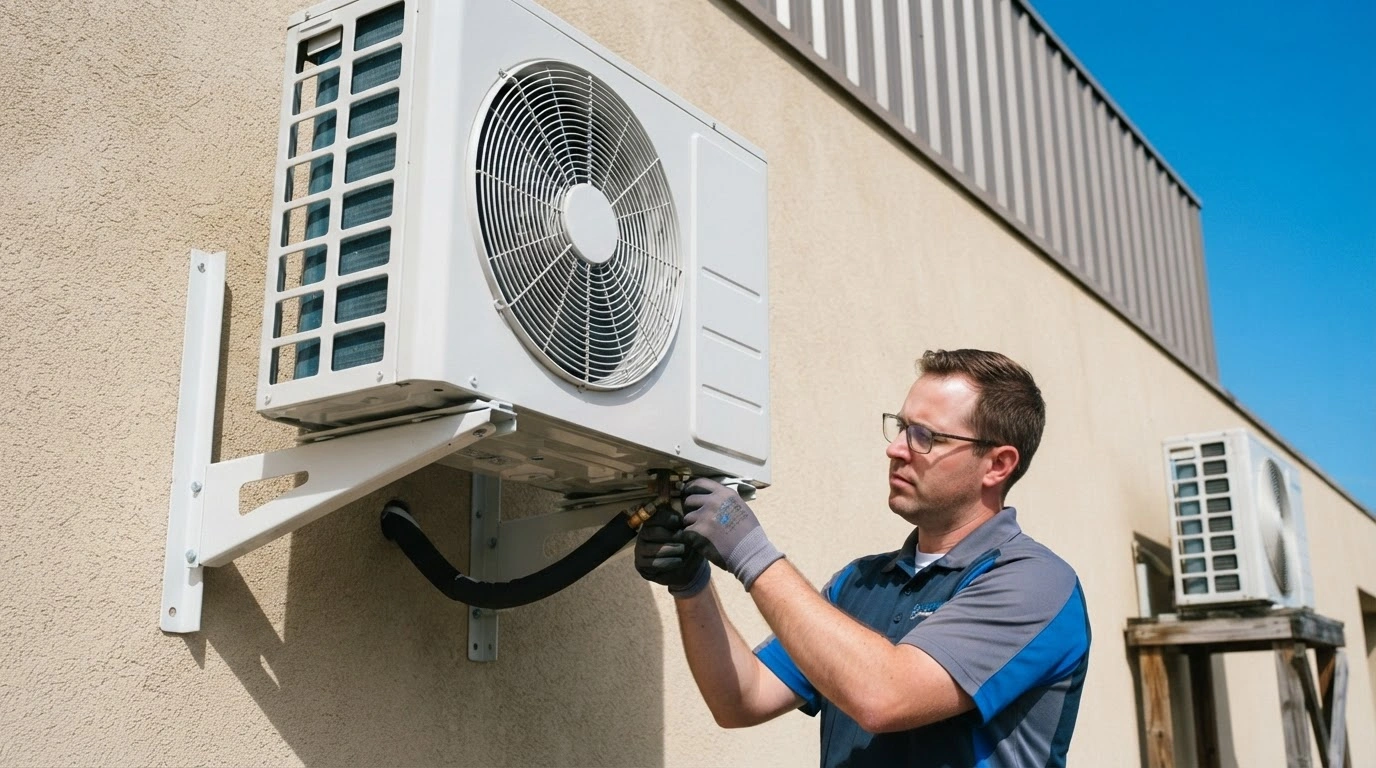
It has the same story as Frigidaire. It's exactly the same unit from the same manufacturer as Frigidaire, but with a different badge. The Westinghouse name has decades of goodwill from refrigerators and washing machines, and buyers assume that the same goodwill carries over to the air conditioner. Owners who go looking for repair technicians after a breakdown often find that there's no dedicated Westinghouse HVAC dealer nearby, unlike the network that exists for the appliances.
3. Maytag (HVAC line)
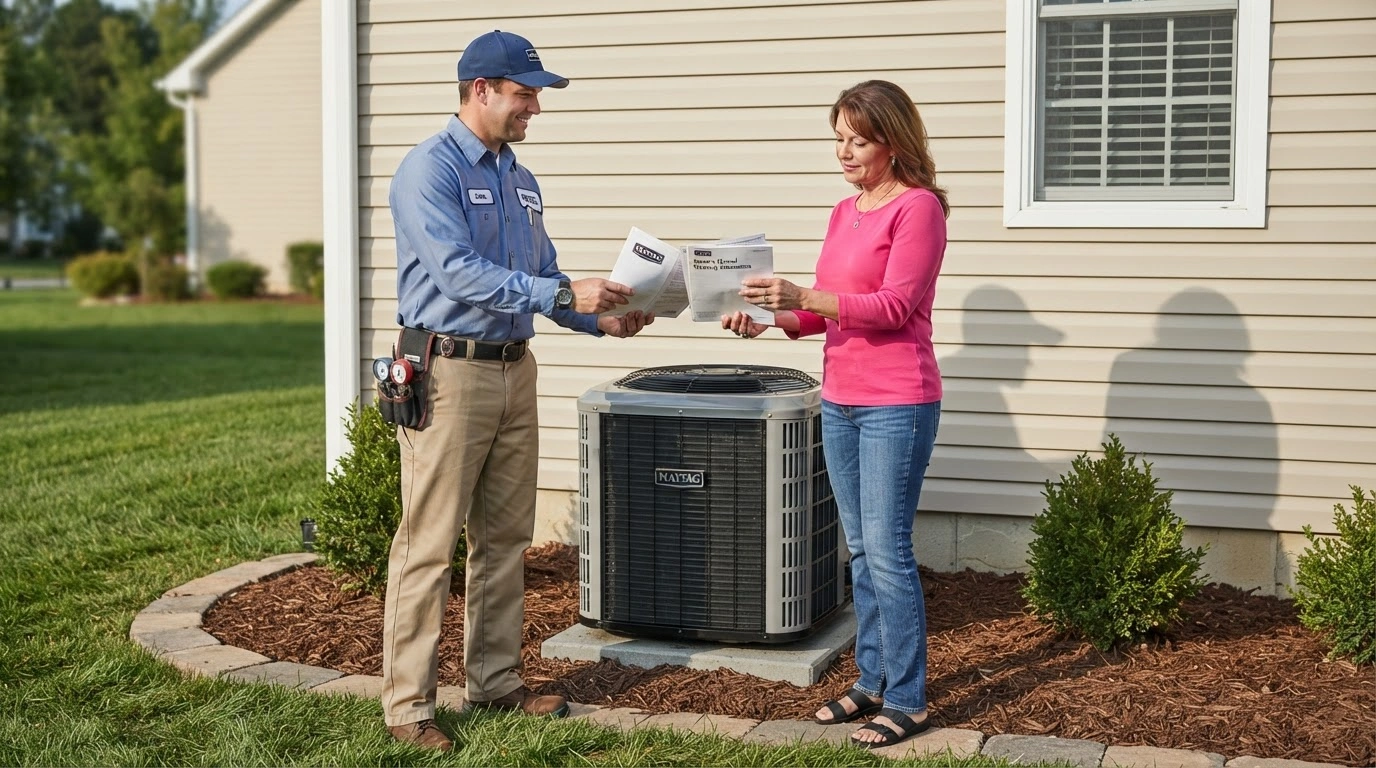
A third badge on that same outside-built unit, and the one that trips up the most buyers. Maytag's washers and dryers have a genuine reputation for lasting forever, so it's easy for buyers to assume that the air conditioner too will last. It won't, because Maytag didn't build it. It's just a licensed name on the same budget hardware as the two brands above (Frigidaire and Westinghouse).
4. Luxaire
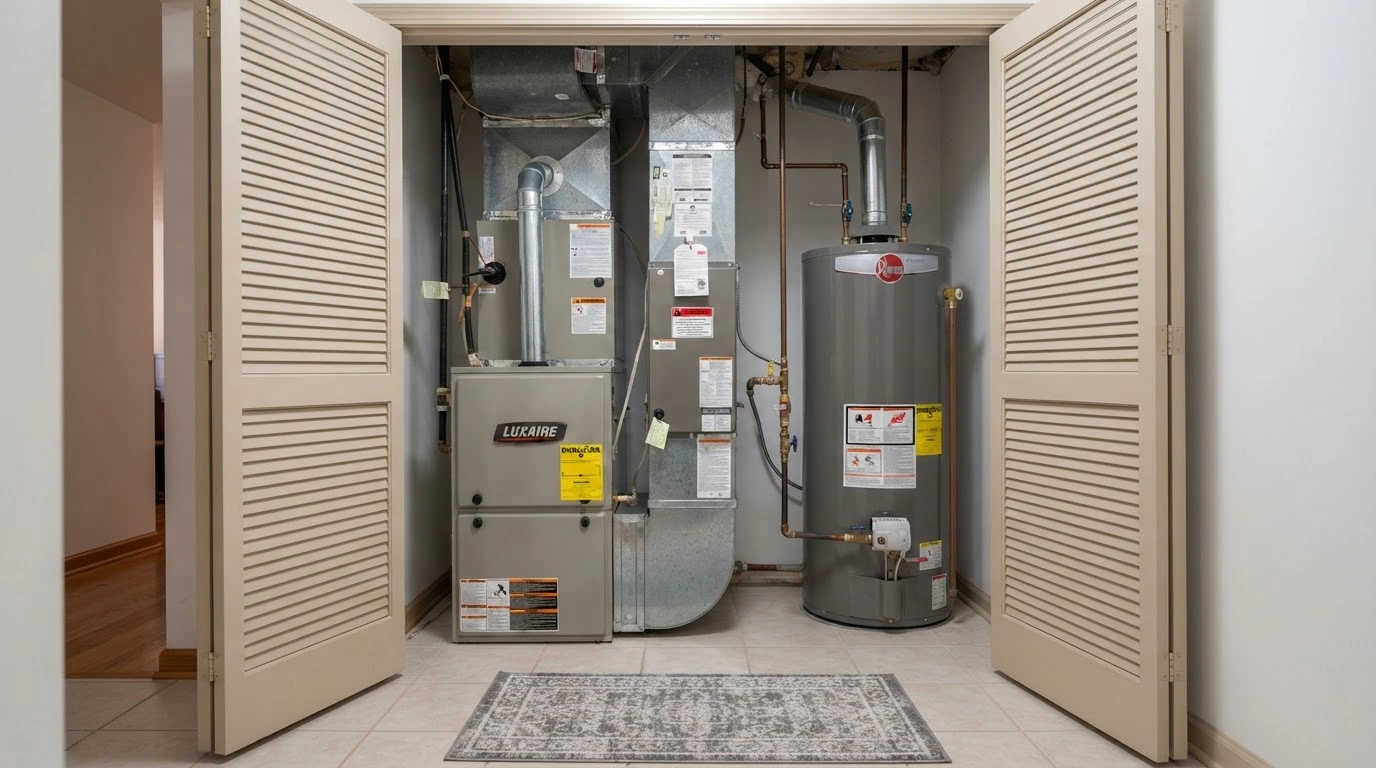
Luxaire owners on HVAC-Talk and DoItYourself forums describe leaks developing usually within the first three to five years, where the refrigerant lines connect, well before you'd expect trouble on a newer system. One forum thread comparing budget brands flatly grouped Luxaire in with two other names on this list, with a poster noting the units are "essentially the same" under the skin. A slow leak is one of the more annoying issues, since a technician has to track down exactly where it's leaking before refilling the system, and that diagnostic time rarely falls under warranty. The EPA's own guidance for homeowners is blunt about this: insist the leak gets found and fixed, not just topped off, or you'll be paying for the same repair again next summer.
5. Coleman
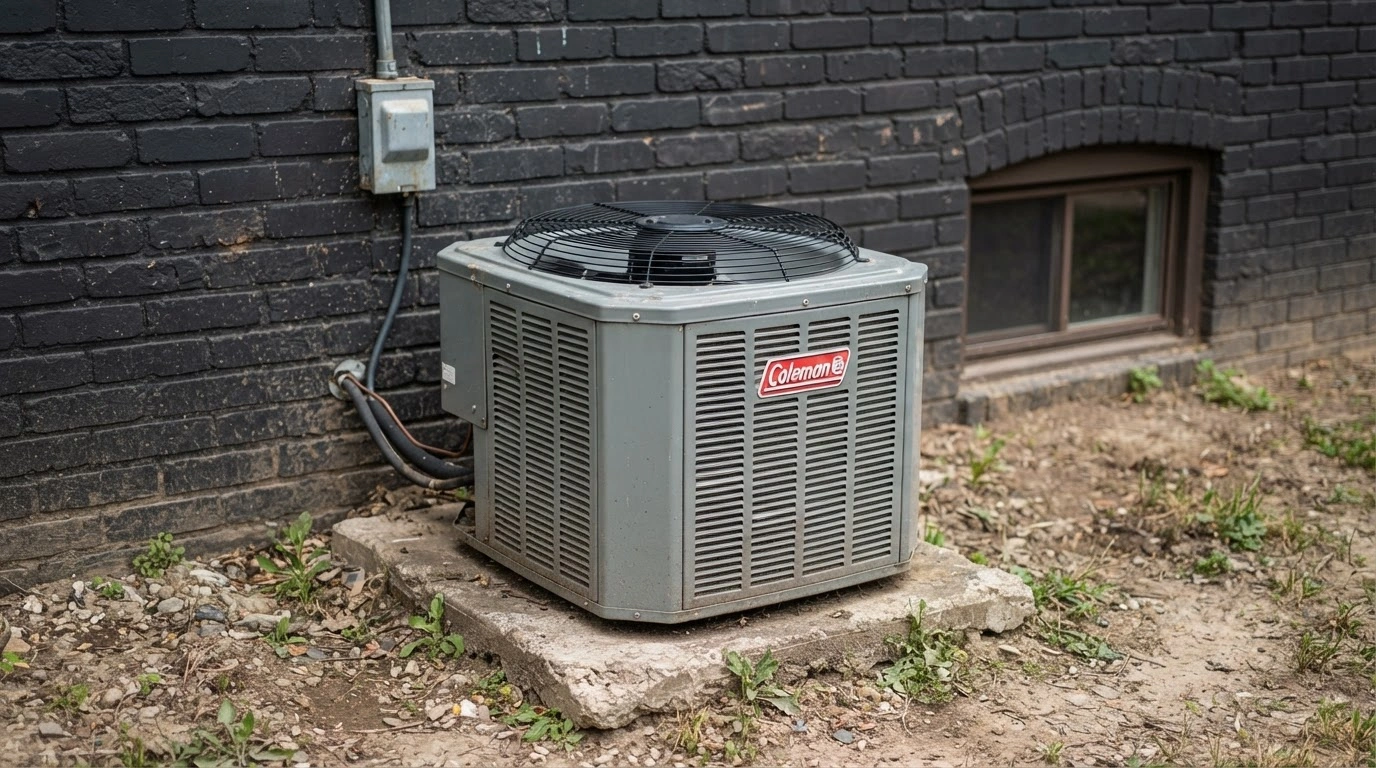
One Houzz forum poster's story sums up Coleman well: they installed a Coleman LX-series system, then came back nine years later to update their post. The circuit board in the air handler, they wrote, "would break down and require replacement" almost every year, and it had "been replaced at least 4 times." When they pushed back, Coleman "was unwilling to pay any of the labor," leaving the homeowner covering repeated service calls out of pocket. Coleman shares a parent company with York, and pricing sits at the bottom of that family, with thinner dealer coverage in rural areas.
6. York (Entry-level Models)
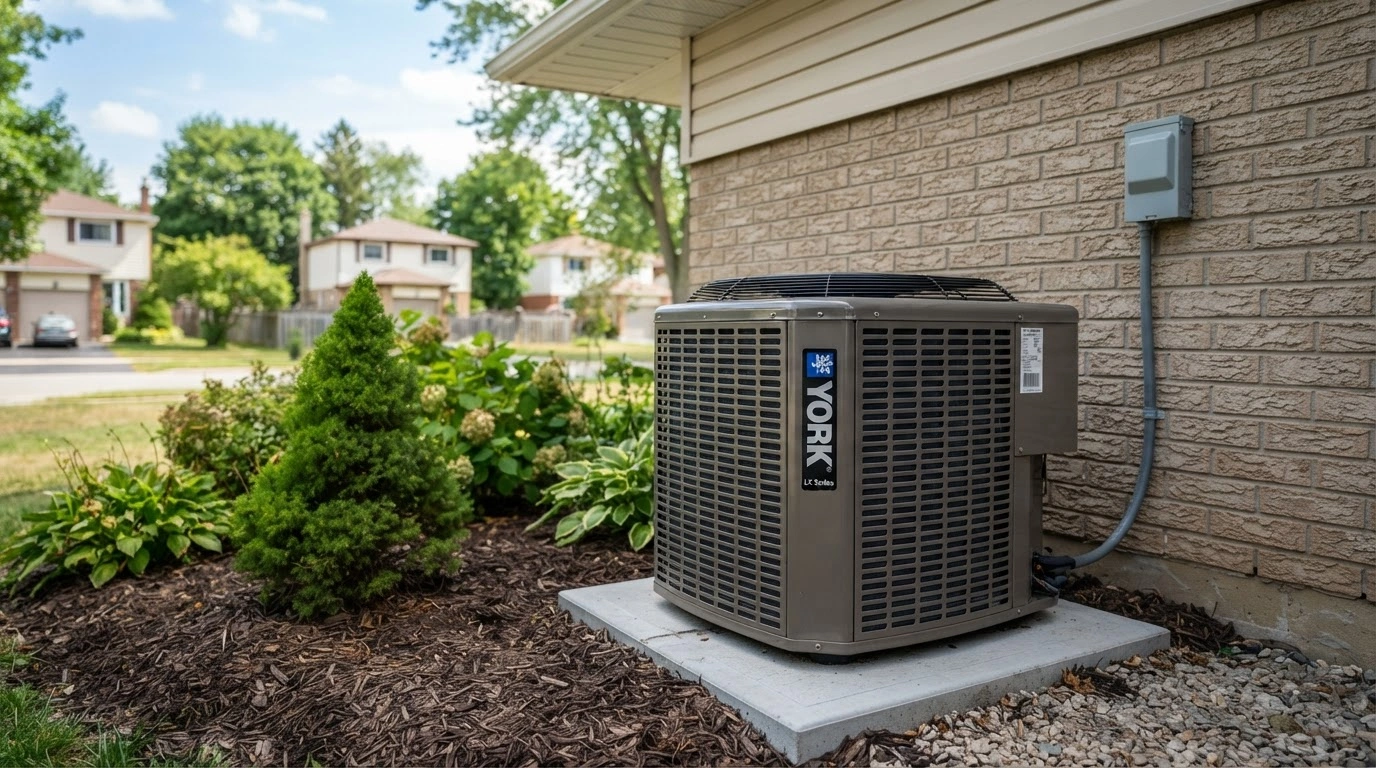
We covered York's quality control and slow warranty response in our AC brands to avoid pieces, so we won't repeat all of it here. Worth adding that reviewers consistently mention that York's warranty pays for the replacement part but not the labor to install it, a detail that catches owners off guard when the bill arrives. Review sites also note York's entry-level coils use a thinner, cheaper design that corrodes and develops leaks sooner than the coils on York's better units.
7. Goodman
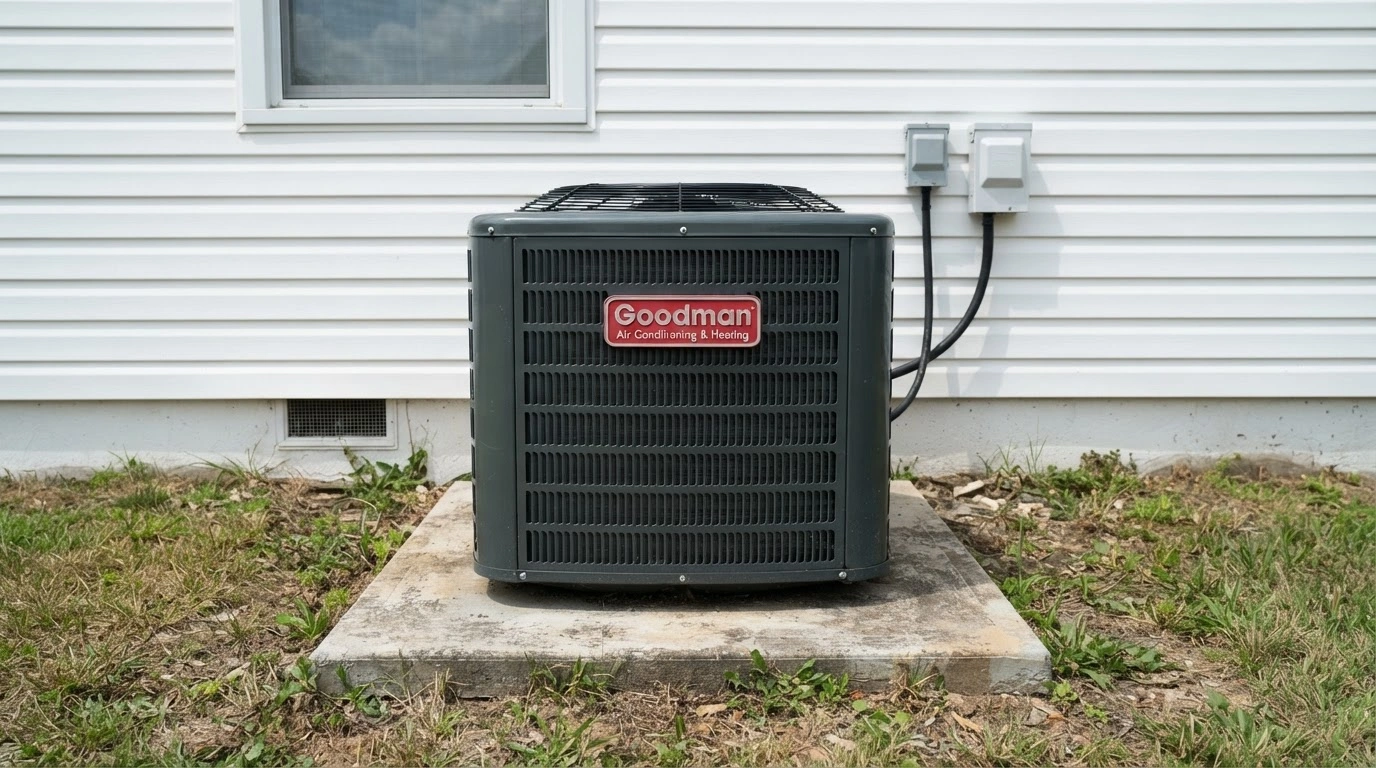
This is the brand that splits opinion the most, and the split is worth showing instead of picking one side. Goodman has the widest parts availability of any brand here, and a genuinely generous lifetime compressor warranty on select models, which is why budget buyers prefer it. But ConsumerAffairs currently shows Goodman at 1.2 out of 5 stars, with 86 percent of reviews at one star. Complaints there include a homeowner who went 42 days without AC after a compressor failure, because even the replacement compressor failed too. Another who owns two units from 2022 has already needed more than one compressor swap a year. A third reviewer spent $2,200 on repairs only to be told the coil was bad too, still not cooling. It's not a scam brand. It’s just that you choose a low price and a high failure rate brand.
8. Concord
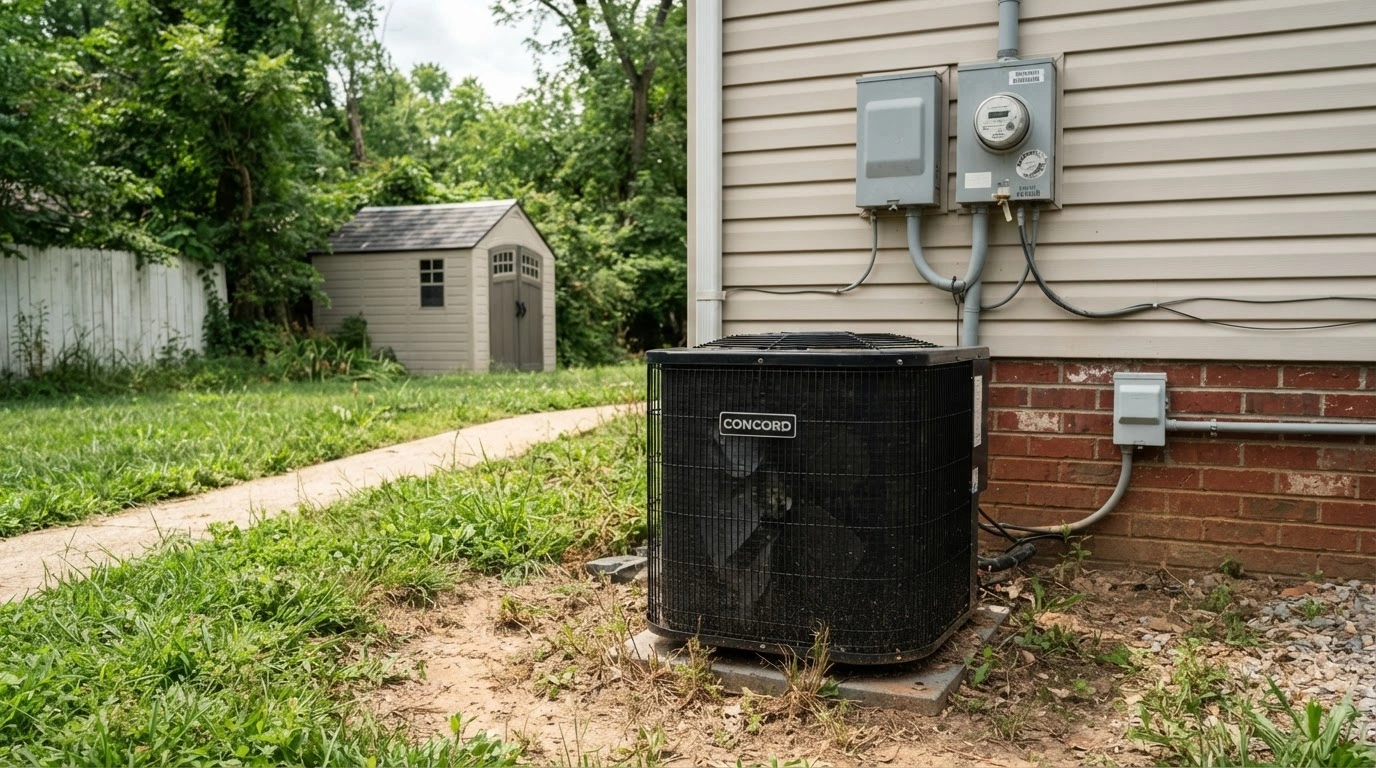
Concord markets itself as the budget option system, and one HVAC-Talk thread dug into what that means: Concord's air conditioners share a design with a Lennox Merit unit, made in Mexico under Lennox's Allied Air division, while the furnace side uses cheaper parts than the AC side does. Owner complaints line up with that positioning: more service calls in the first two years, and a higher repair bill over ten years than a mid-tier Goodman would run.
9. Tempstar, Comfortmaker, and Heil
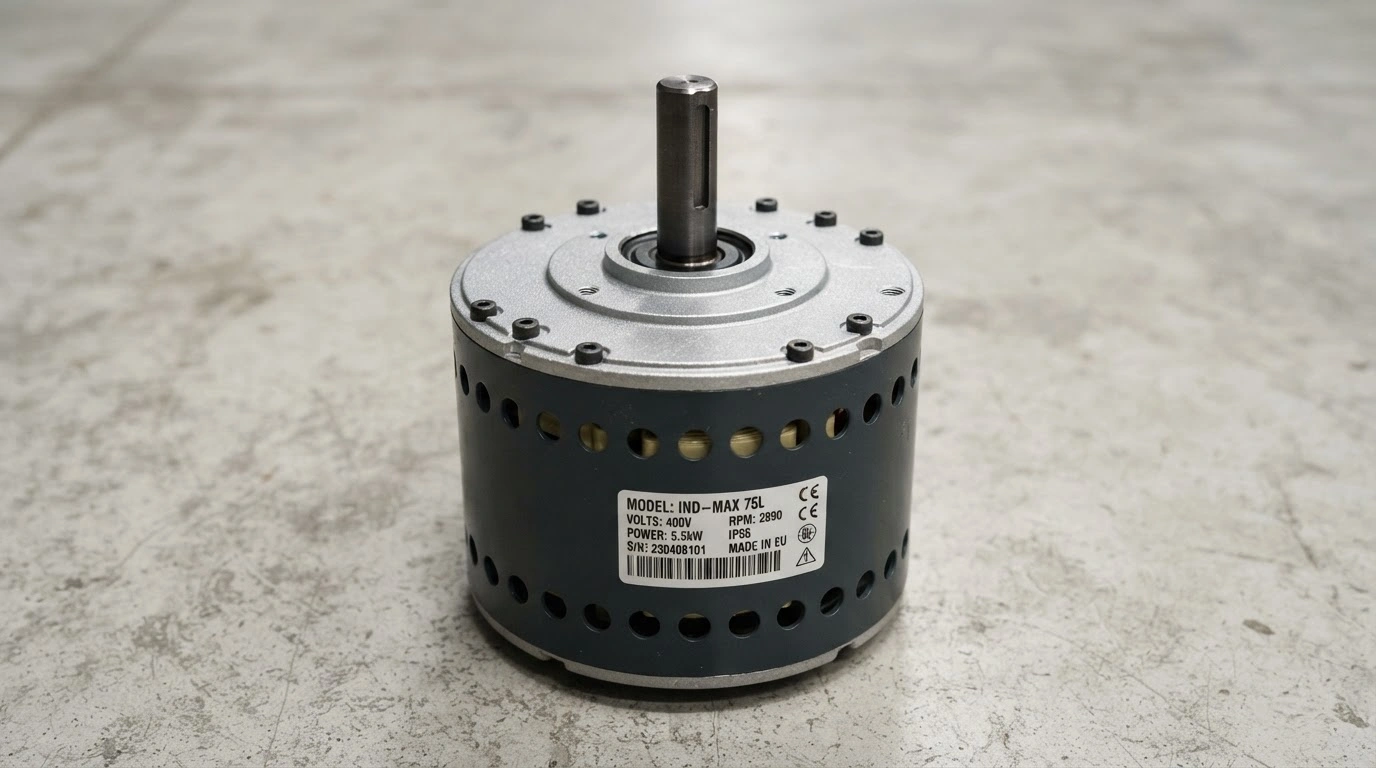
An HVAC technician answering questions on JustAnswer put it simply, “Comfortmaker, Tempstar, and Heil are produced by the same manufacturer," sharing the same furnace model with only the front label changed. That's not necessarily bad, but it explains why the same equipment gets wildly different reviews depending on the name on the box. These are Carrier's budget lineup, sold through independent local dealers whose training and support vary a lot, which owners say matters more than the badge does.
10. Ameristar
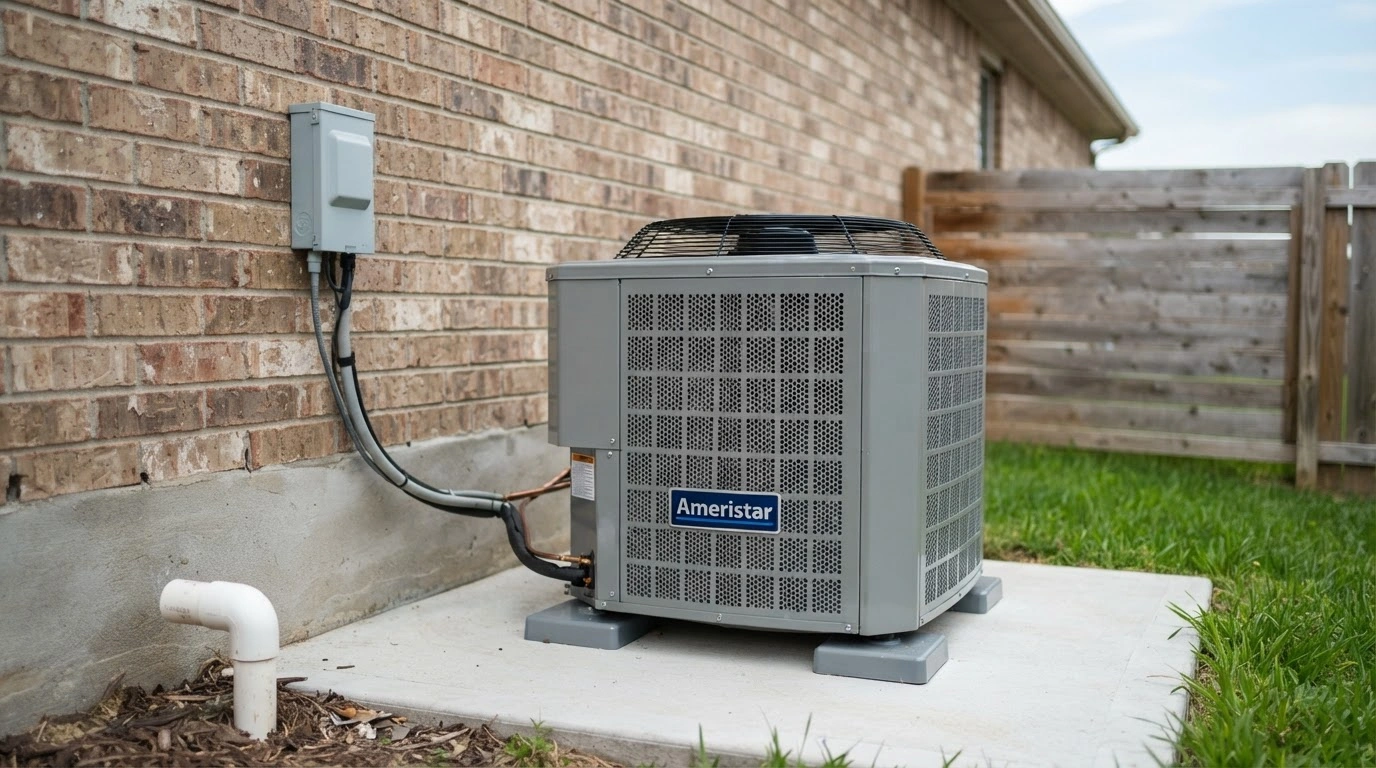
Ameristar is Trane's budget brand, sold mostly online to DIYers rather than through Trane's dealer network. Owner reviews are more mixed here than anywhere else on this list. One person who's owned an Ameristar unit since 2017 said the simpler motors inside "are regular motors" without the expensive variable-speed parts, which keeps repair costs down if something fails. Another called the price for the efficiency "an incredible find." Most complaints trace back to installation quality rather than the equipment, and owners who've had both say the Trane needed zero repairs while the Ameristar needed a couple, for a lot less money upfront.
The Name on the Unit Matters Less Than Who Installed It
Notice how many of these ten trace back to the same handful of manufacturers wearing different names. That's not automatically a scam; a Frigidaire unit installed correctly will still cool a house. What the reviews above show, over and over, is that installation quality and dealer support explain more of the bad experiences than the equipment does. Before you sign anything, ask the installer who actually manufactures the unit behind the badge, get the warranty terms in writing, specifically what's covered on labor and not just parts, and get a second quote before committing. The name on the outside of the unit tells you less than the answer to those three questions does.