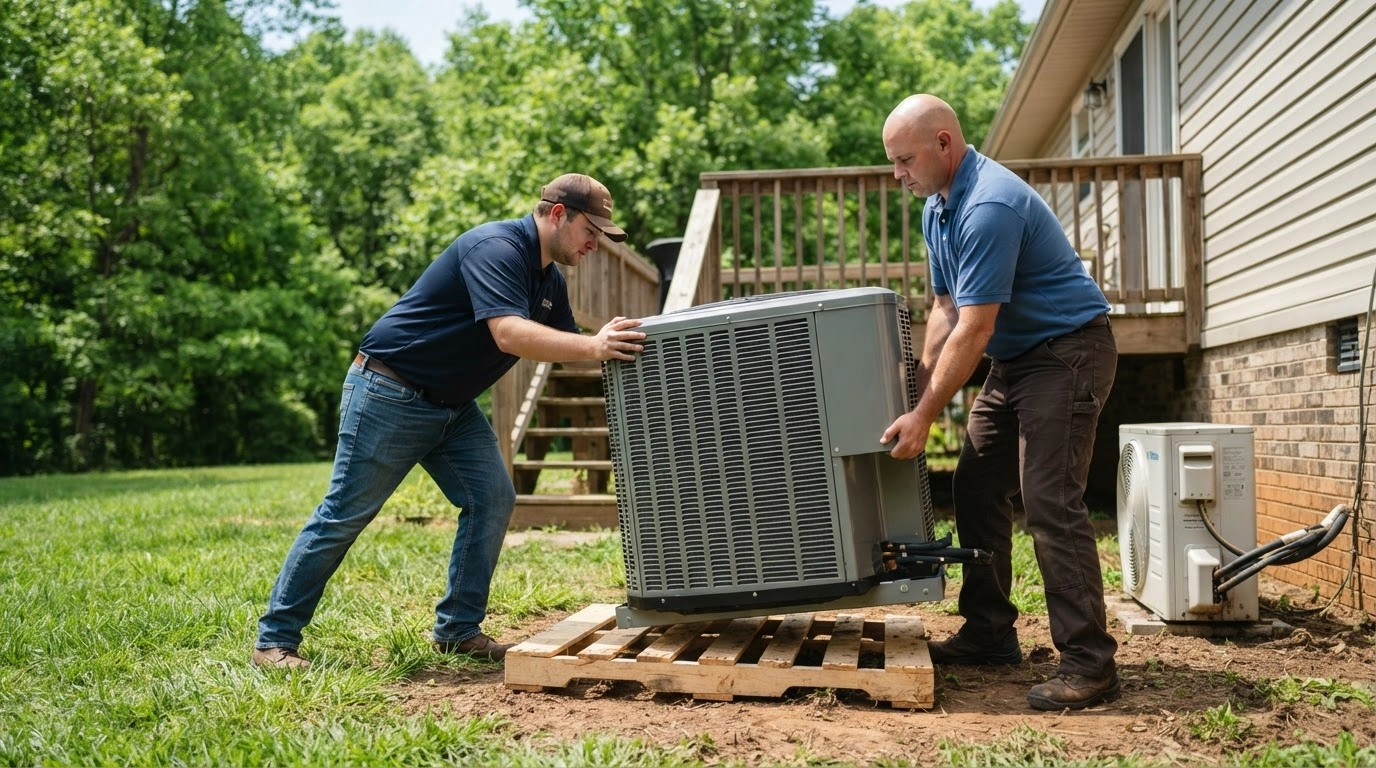
Finding the right HVAC brand is as important as installing the unit. Out of multiple brands, Trane can run for twenty years or fail in two years, not because of the difference in the compressor. The reason is whether the technician charged the refrigerant correctly, sized the ducts, and followed the installation manual thoroughly instead of rushing through it. We checked owner reviews and each manufacturer's dealer-certification program for five brands discussed below to see which back up the install, not just the equipment. Our AC brands to avoid pieces covers the brands whose equipment causes the most callbacks.
1. Mitsubishi Electric
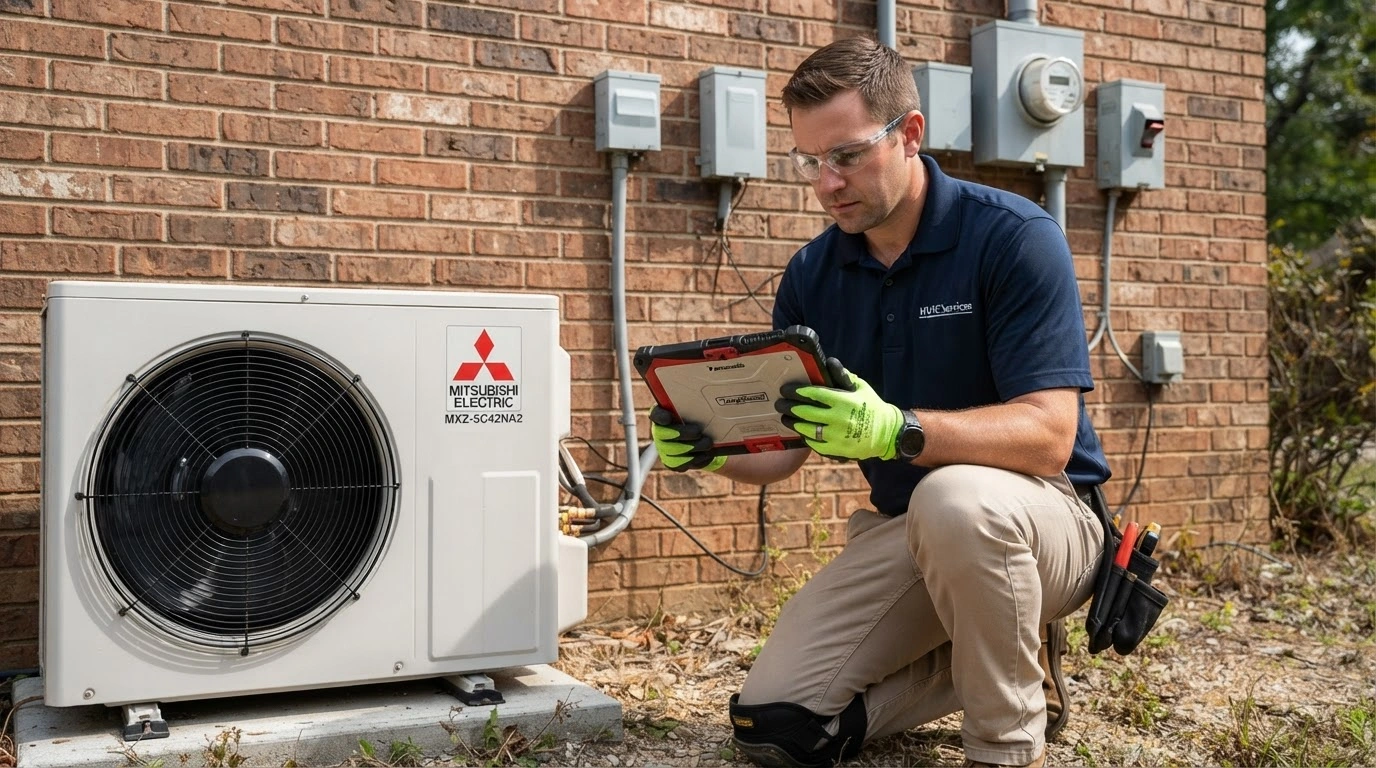
Mitsubishi ties real money to certification: a Diamond Contractor install carries a 12-year warranty instead of the standard 5 and 7 years, but only if registered within 90 days. The gap shows when the install falls short. On the Heating Help forum, homeowner MichaelG documented his installer using flexible linesets with a known pinhole-leak problem, mismatched dip switches that took down half the system, and unshielded wire run outdoors against the manual's own spec. A Mitsubishi dealer in the same thread admitted those linesets had leaked on "six or so jobs" out of hundreds his company installed. MichaelG fixed the dip switch error himself.
2. Trane
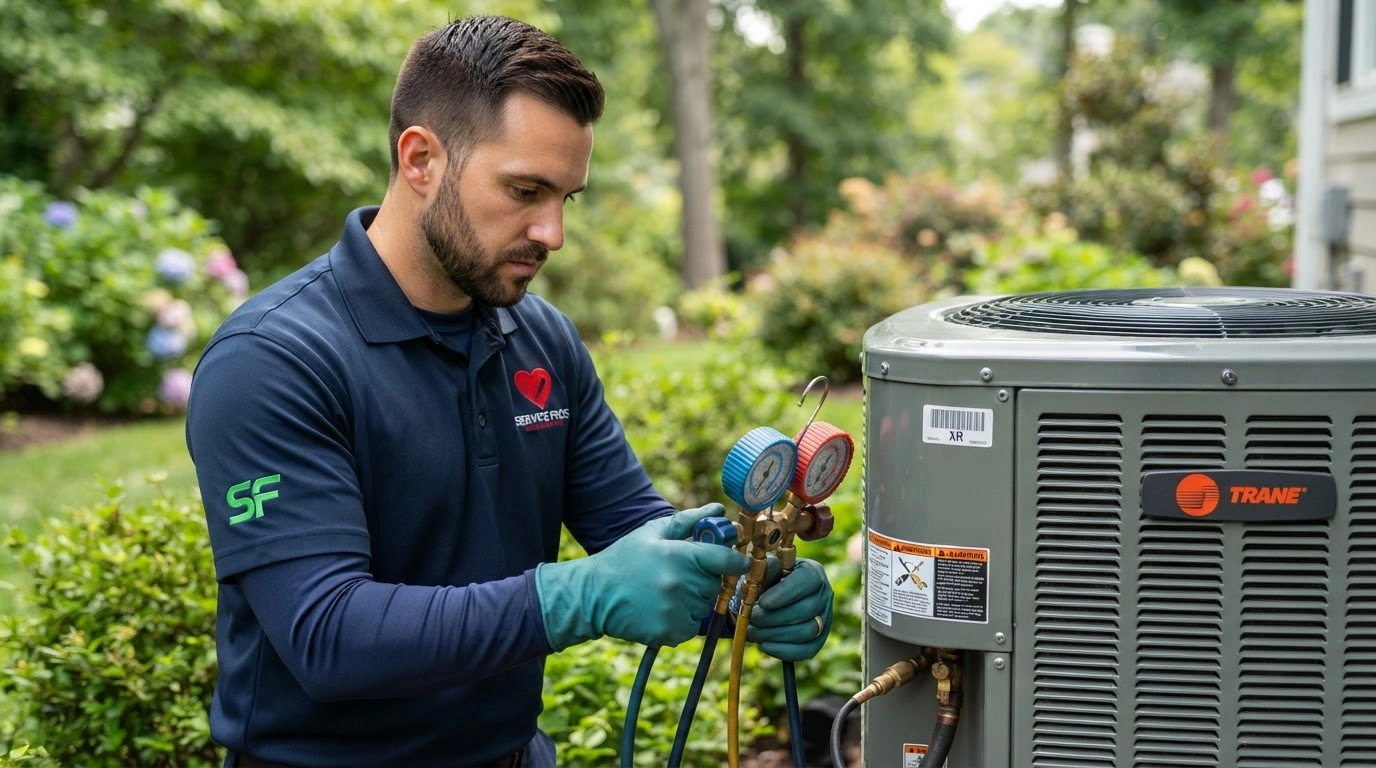
Trane's Comfort Specialist program is the industry's oldest dealer tier, built around extra training and stocked parts, but it doesn't guarantee the install itself. ConsumerAffairs reviewer Ramona found her installer skipped Trane's own guidelines entirely, which put her warranty at risk and cost her extra to repair. Not every Comfort Specialist delivers the same experience: owner Komal, whose compressor failed months after installation, still praised her local dealer for being quick and receptive once she called. Same certification, two outcomes, depending on which crew showed up.
3. Carrier
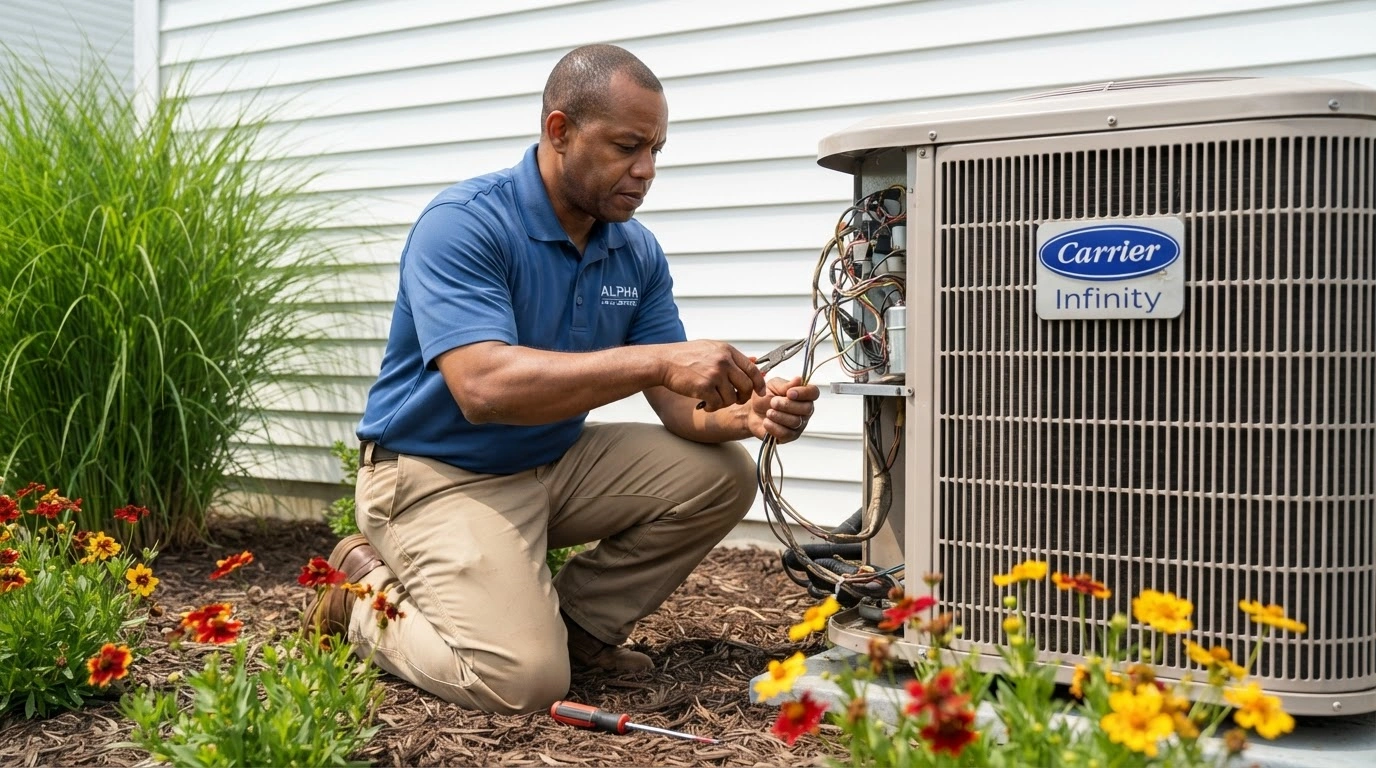
Carrier's Factory Authorized Dealer network is the country's largest, and that scale is also where the cracks show. Reviewer Jeff, in Asheville, said several FAD dealers didn't know how to properly order a gas pack and steered him toward a stand-alone furnace instead. Ron's authorized dealer simply refused to perform warranty labor his contract covered. Jen learned her 26,000-dollar system's warranty was void with any installer besides the original, a detail her closing paperwork never mentioned.
4. Lennox
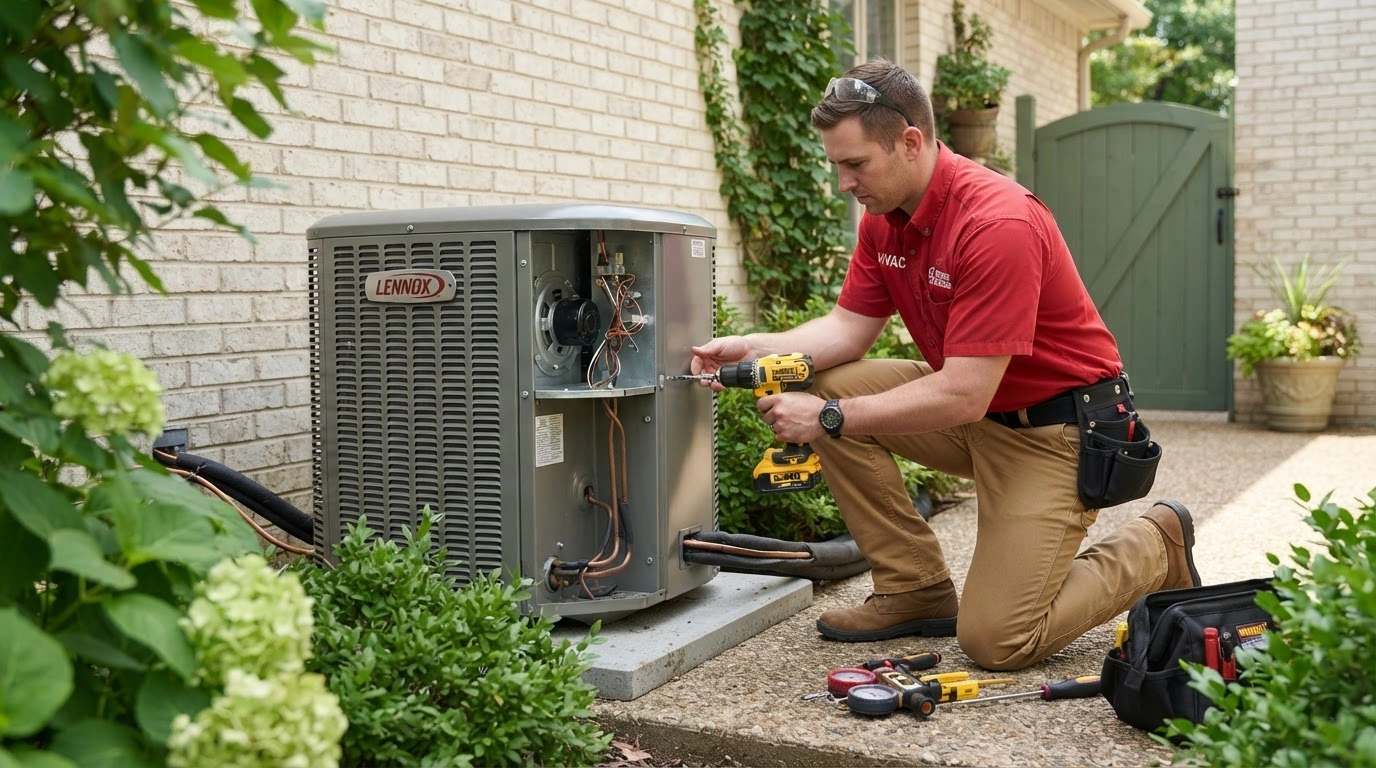
Lennox's Premier Dealer reviews split cleanly, which is the most useful thing about them. Fred in Newport Beach called his install "clean and professional," with one gripe: the redesigned filter housing needs a special tool and ten minutes instead of the ten seconds his old unit took. Jeanette in Henrico had a worse story. Her installer put the filter guides upside down, which sucked the filter into the furnace, then argued with her until she pulled up the documentation herself. It took three visits and an unexplained whistling noise before it was fixed. Same brand, same tier, opposite installs.
5. Amana
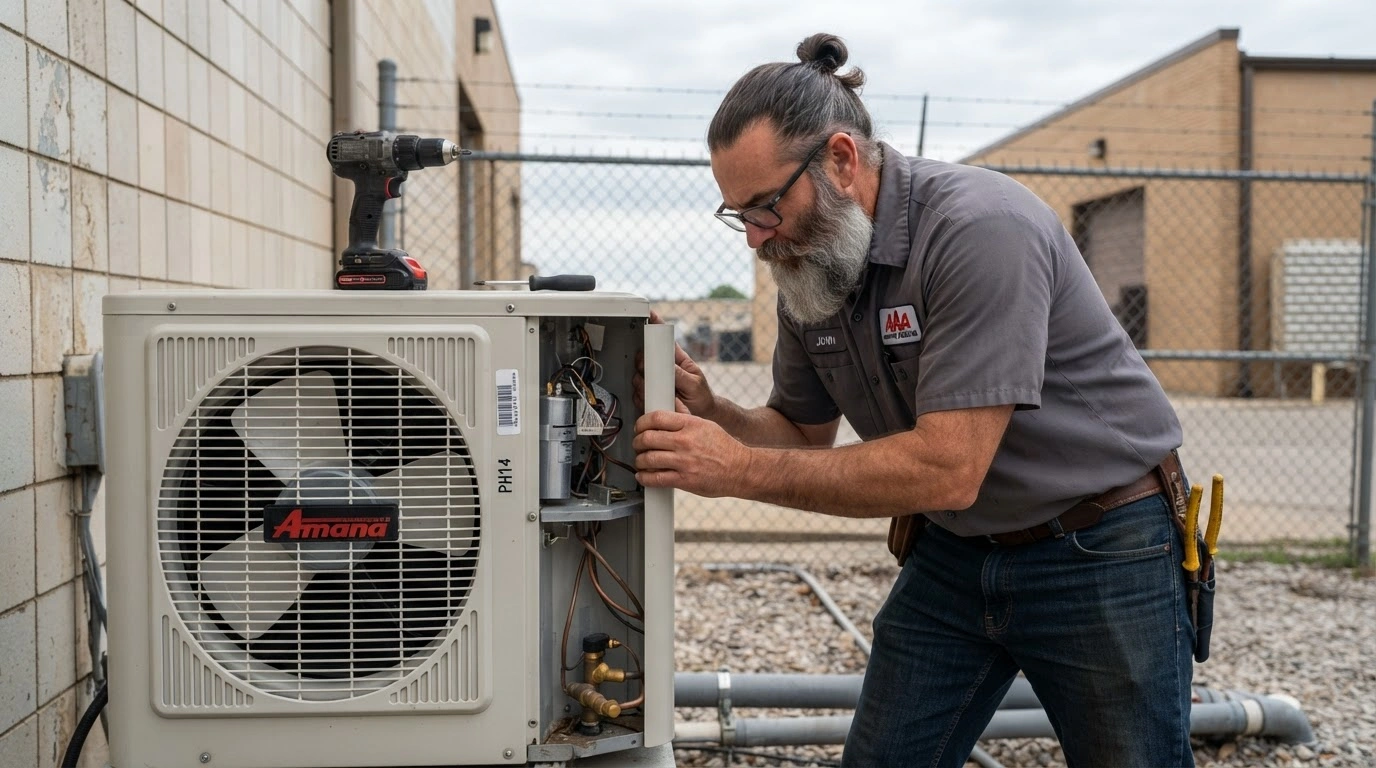
Amana's Elite Dealer program is real, but the reviews expose the reason for its budget pricing. Owner Christopher went through three defective units before being told Goodman, Amana's parent company, typically doesn't pay labor on a brand-new install gone wrong. Another, Dozer, found his original installer had permanently closed within two years, leaving no authorized shop nearby to honor the ten-year warranty. A third user, John, discovered a different company legally can't do Goodman's warranty work unless the original installer does, locking a homeowner into one contractor's pricing regardless of quality.
What Actually Predicts a Good Install?
Across all five brands, the certification tier mattered less than whether the crew got four things right: sizing, refrigerant charge, airflow, and sealed ducts. That's exactly what ENERGY STAR's HVAC quality installation program checks for, and it's why the agency points homeowners toward ACCA-accredited contractors rather than any one manufacturer's badge. Ask any installer, regardless of brand, whether they'll pull a permit and run a load calculation instead of eyeballing the old unit's size. If they won't, the certification stops mattering.