It takes hours or even days to explore the best-performing HVAC brands. Finding the best brand is as important as getting it installed perfectly. You can find the most relevant information in various forums about brands, but don’t expect a short response. Ask someone in a homeowner forum which HVAC brand they'd buy again, and you don’t always get a precise answer.
You sometimes get a story: “a blower fan that failed twice in six years, a mini-split that's run since 2014 without a callback, a unit they overpaid for and would still buy again”. We went through long-running owner and DIY forum threads. We verified customer reviews for the brands that came up unprompted when someone asked, "what would you actually buy." This list leans harder into ductless mini-splits than most brand roundups do, because that's where the dated, first-hand testimony was strongest. For the brands to steer clear of, our AC brands to avoid article has the list.
1. Trane
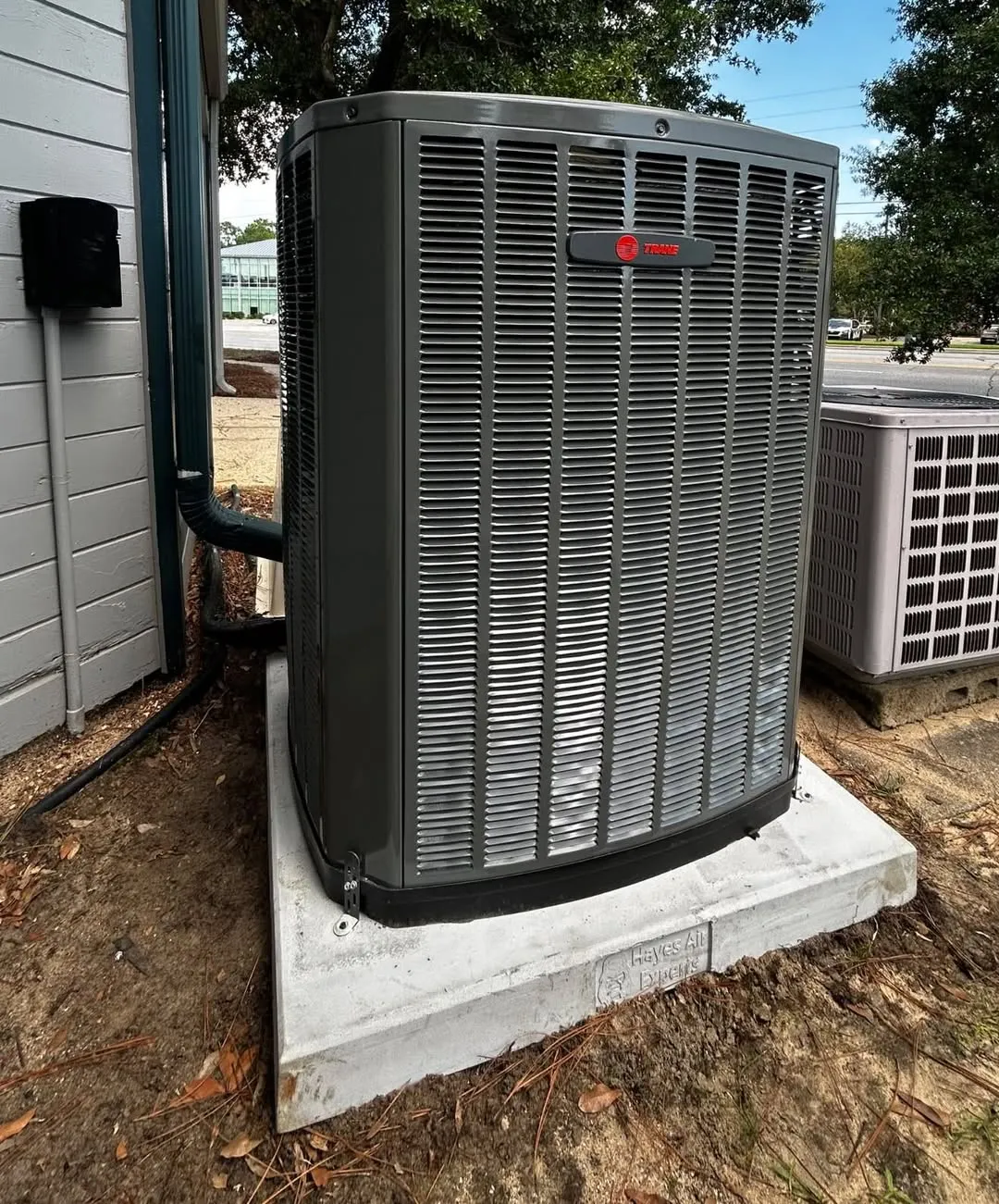
Trane gets a lot of positive reviews in owner threads, especially compared with other brands. One homeowner in Wilmington, North Carolina, still runs the same Trane system after 17 years and nine hurricane seasons, and says it has never let him down through a storm. That matters more in the South than a SEER2 number does because coastal humidity and storms wear down a compressor, which a lab test doesn't capture. The owner shares a consistent review for buying it again: parts are easy to find everywhere, meaning a July breakdown doesn't turn into a two-week wait.
2. American Standard
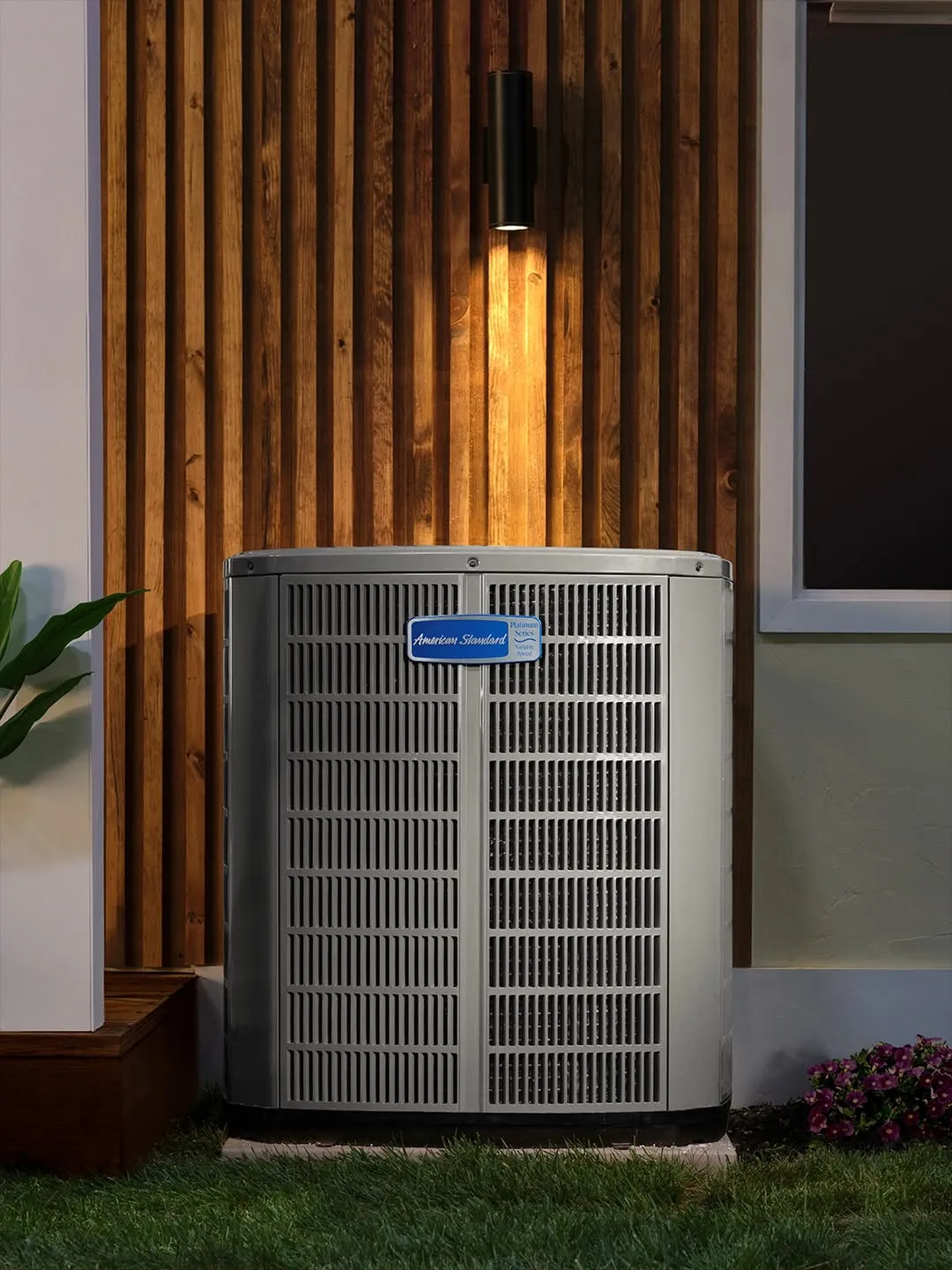
Some forum posts share this almost as a tip, not a recommendation: American Standard is built by the same company as Trane, with the same compressors, for a noticeably lower price. In one thread about buying a new AC unit, a poster explained he picked American Standard specifically because it matched Trane's ratings for less money, rather than using the savings and a few competing quotes to negotiate for a lower installation price. The drawback people often mention is a thinner dealer network in some areas.
3. Bryant
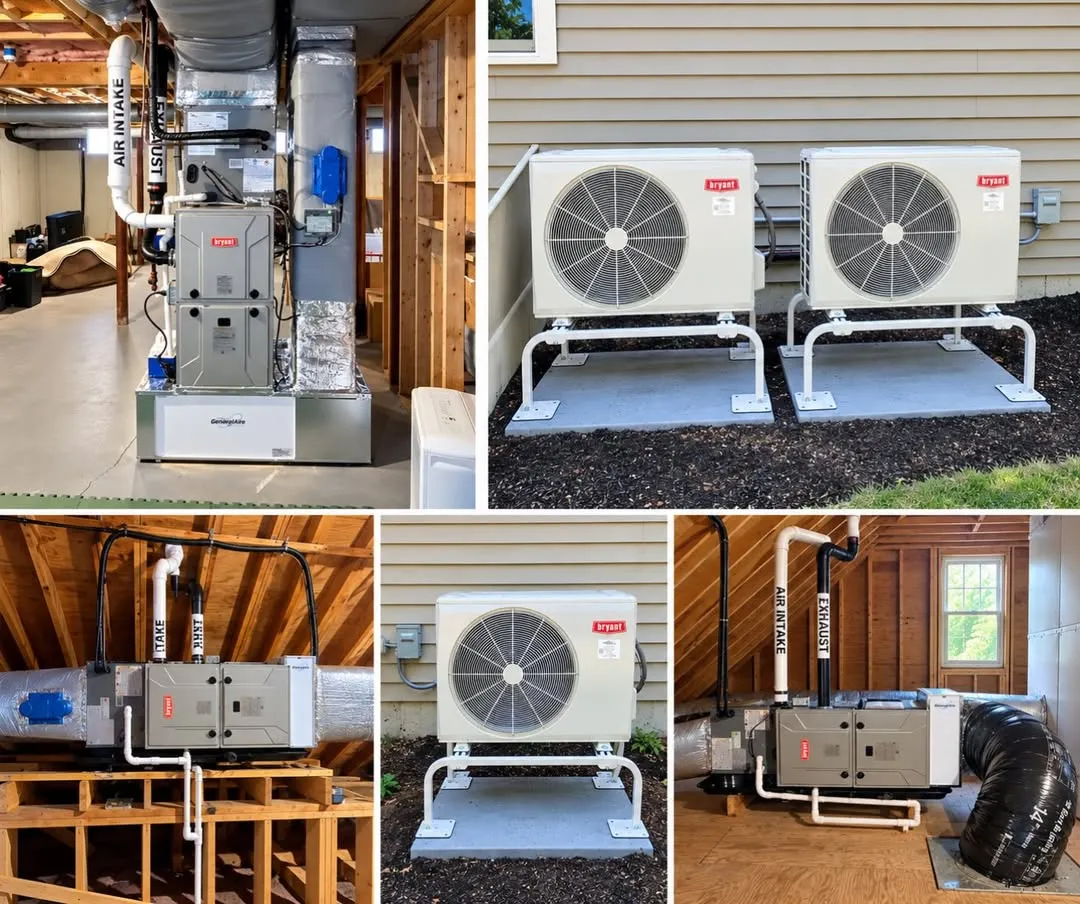
Bryant's online reputation comes down to one repeated idea: the dealer matters more than the badge. One buyer picked Bryant purely because his local contractor had, in his words, "a fantastic rep," not because Bryant beat Carrier on paper. Another owner reported that a Bryant heat pump was still running strong after 20 years, with merely a thermostat swap and a control module update all these years. Bryant and Carrier have the same parent company and much of the same hardware, so most owners say the system's durability depends more on the installers than the name on the unit.
4. Carrier
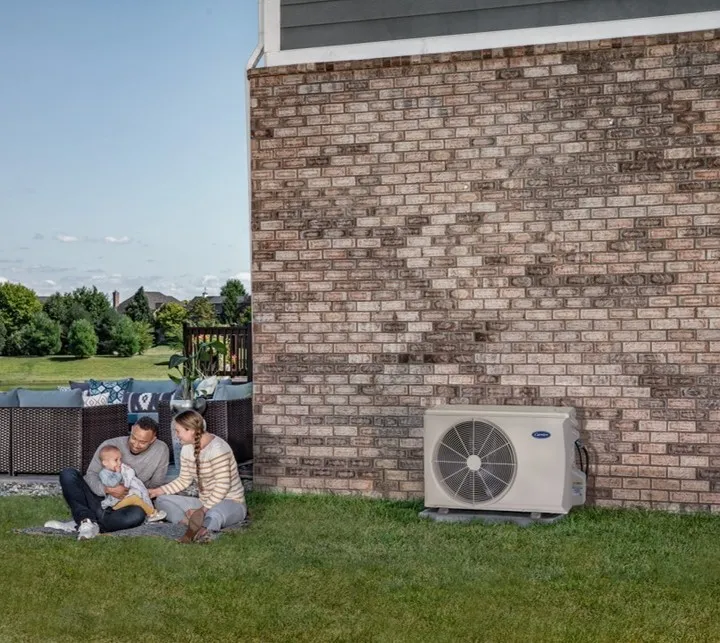
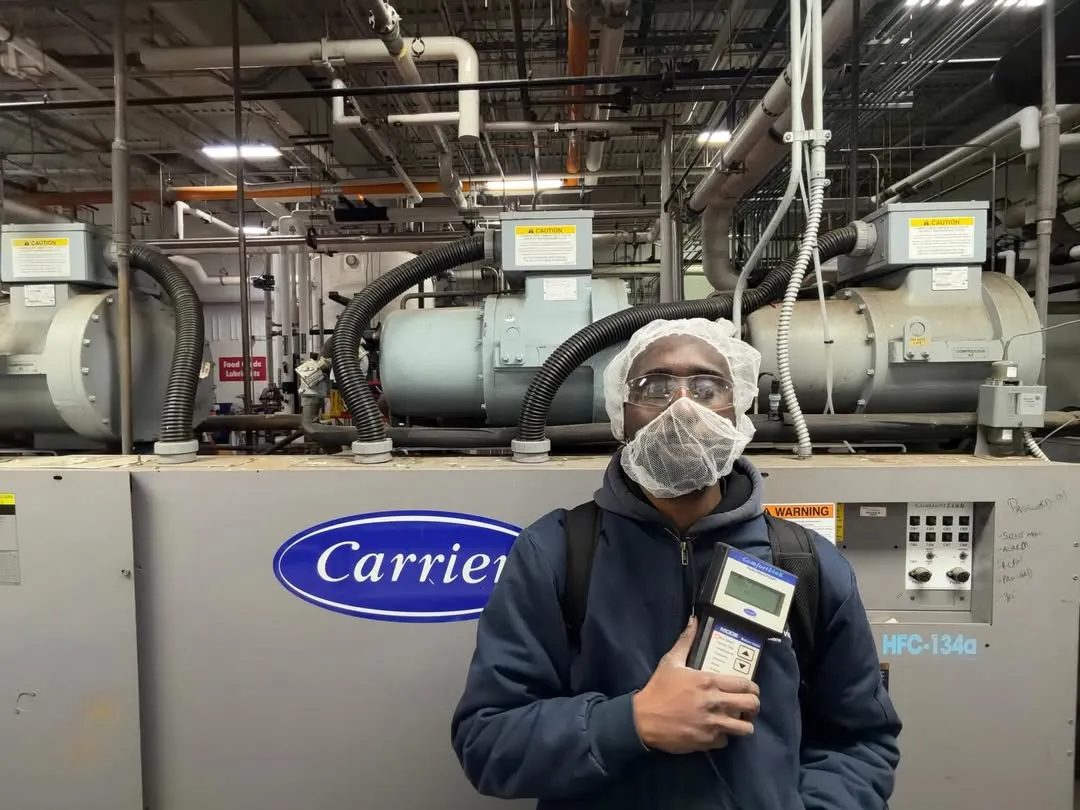
Carrier splits opinion more than any brand on this list, and both sides are worth displaying instead of picking one. Owners who've had Carrier heat pumps for years describe them as "very good overall," and it's still the brand technicians often recommend because of its familiarity and easy access to parts. At the same time, verified owners reviewed the blower fan replacements running over $1,000 in labor, and one owner quoted more than $7,000 for a single inverter replacement on a mid-life Infinity system. Both things are true. The network is hard to beat in an emergency, and the premium parts are too expensive to repair or replace once you're a few years past warranty.
5. Daikin
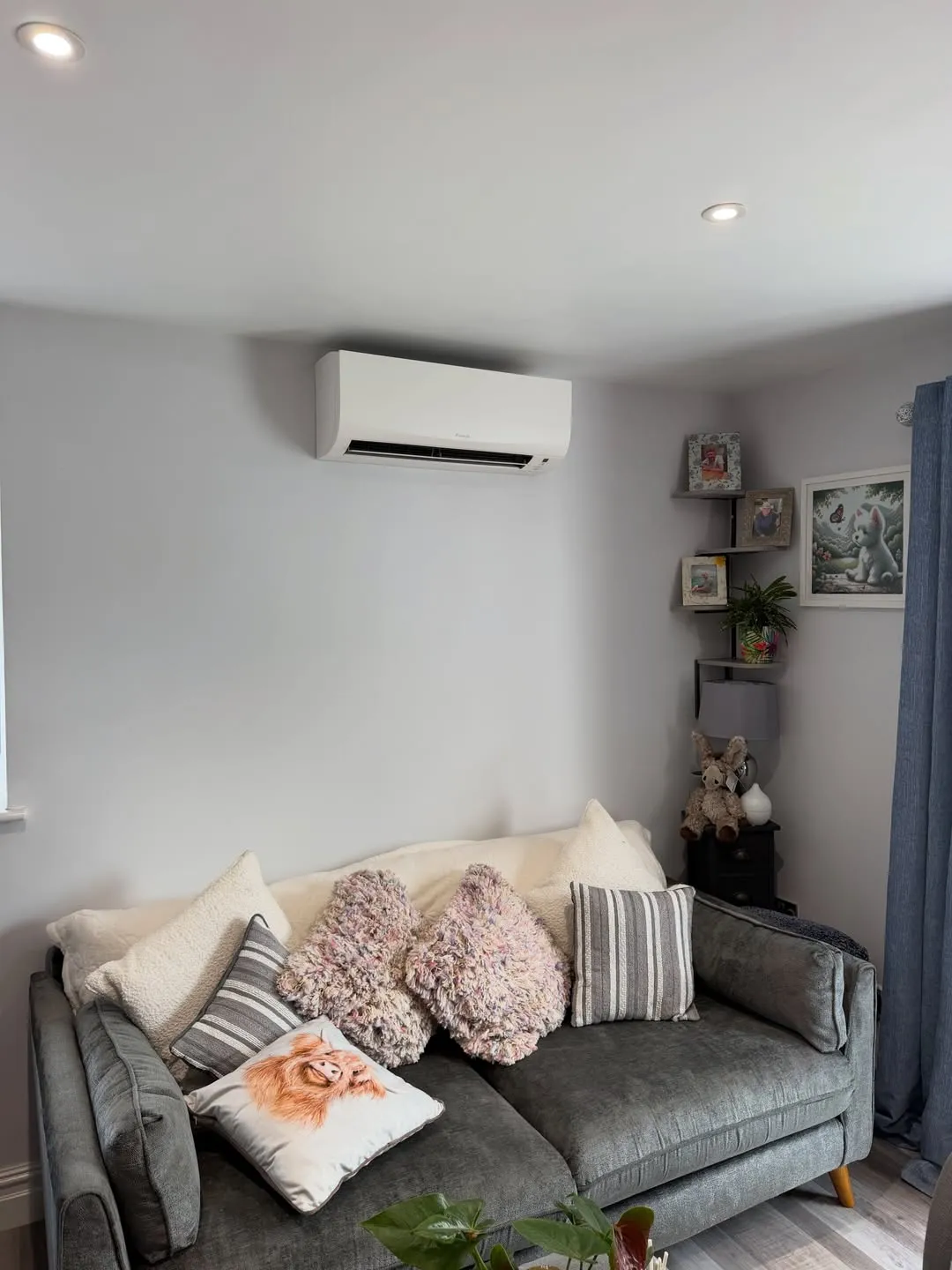
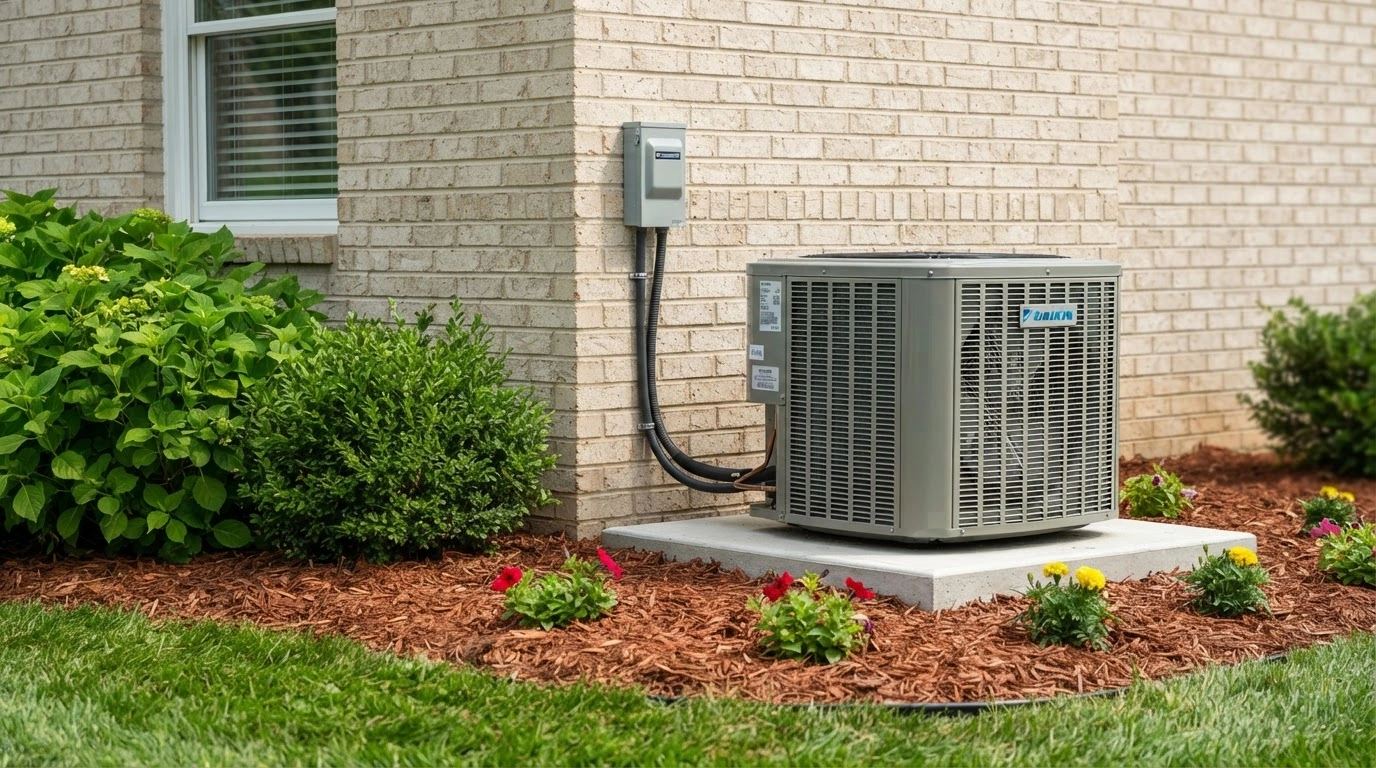
Daikin is the world's largest HVAC manufacturer, and unlike brands that outsource, it builds most of its own components, which keeps the parts pipeline steady during supply crunches. Daikin, along with two other brands, is consistently recommended on the forum when asked: "which brand has the best parts availability?".. It's newer to broad U.S. name recognition than Trane or Carrier, but that's changing as its ductless lineup grows, which is where the next five brands on this list live.
6. Mitsubishi Electric
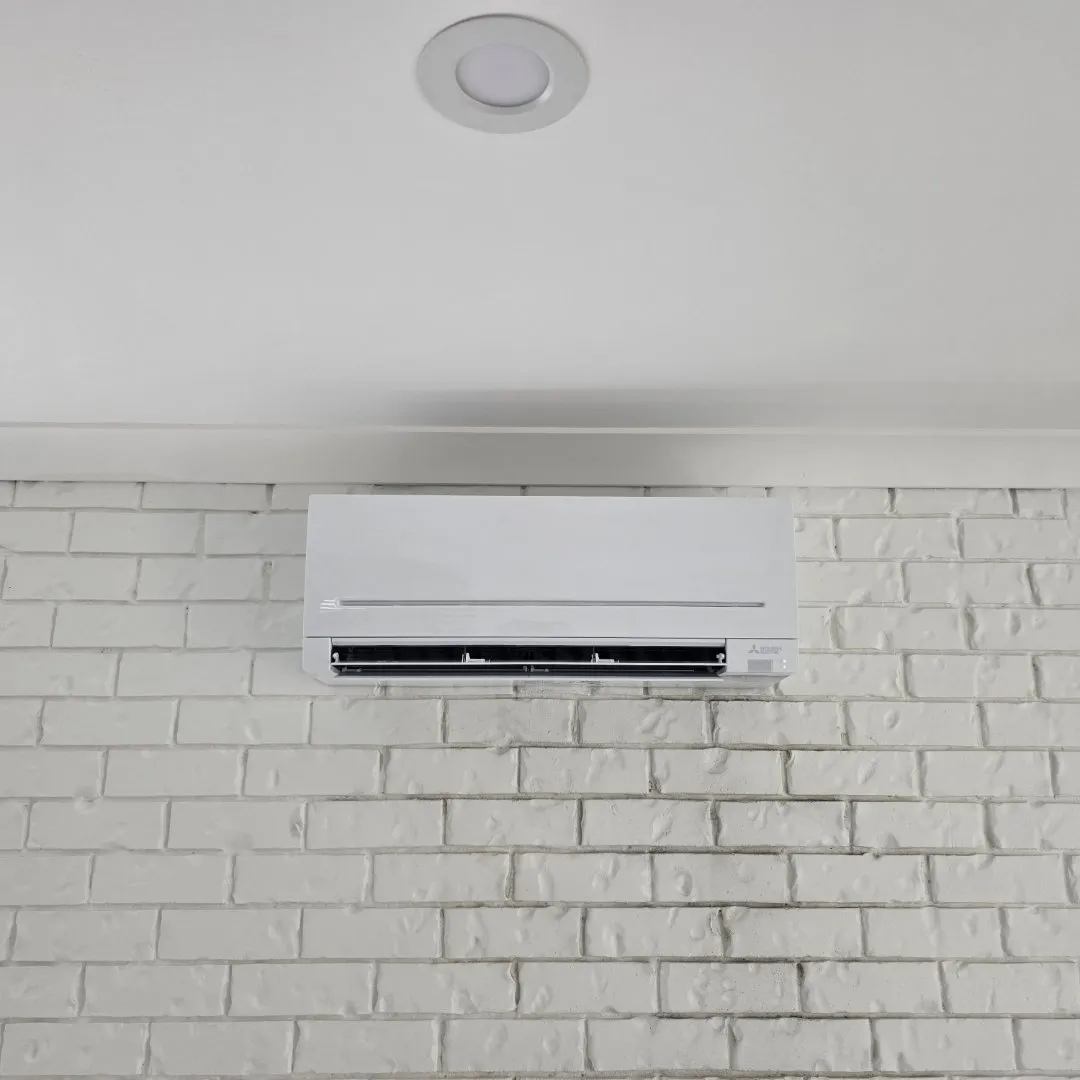
This brand keeps coming up when the question shifts from central air to mini-splits, and the testimony is specific. One owner shared running a Mitsubishi unit in auto mode for more than nine years "without a hiccup." The downside is that Mitsubishi mini-splits sit at the premium end of the ductless market, and installers who are factory-certified on the brand aren't in every town yet.
7. Fujitsu General
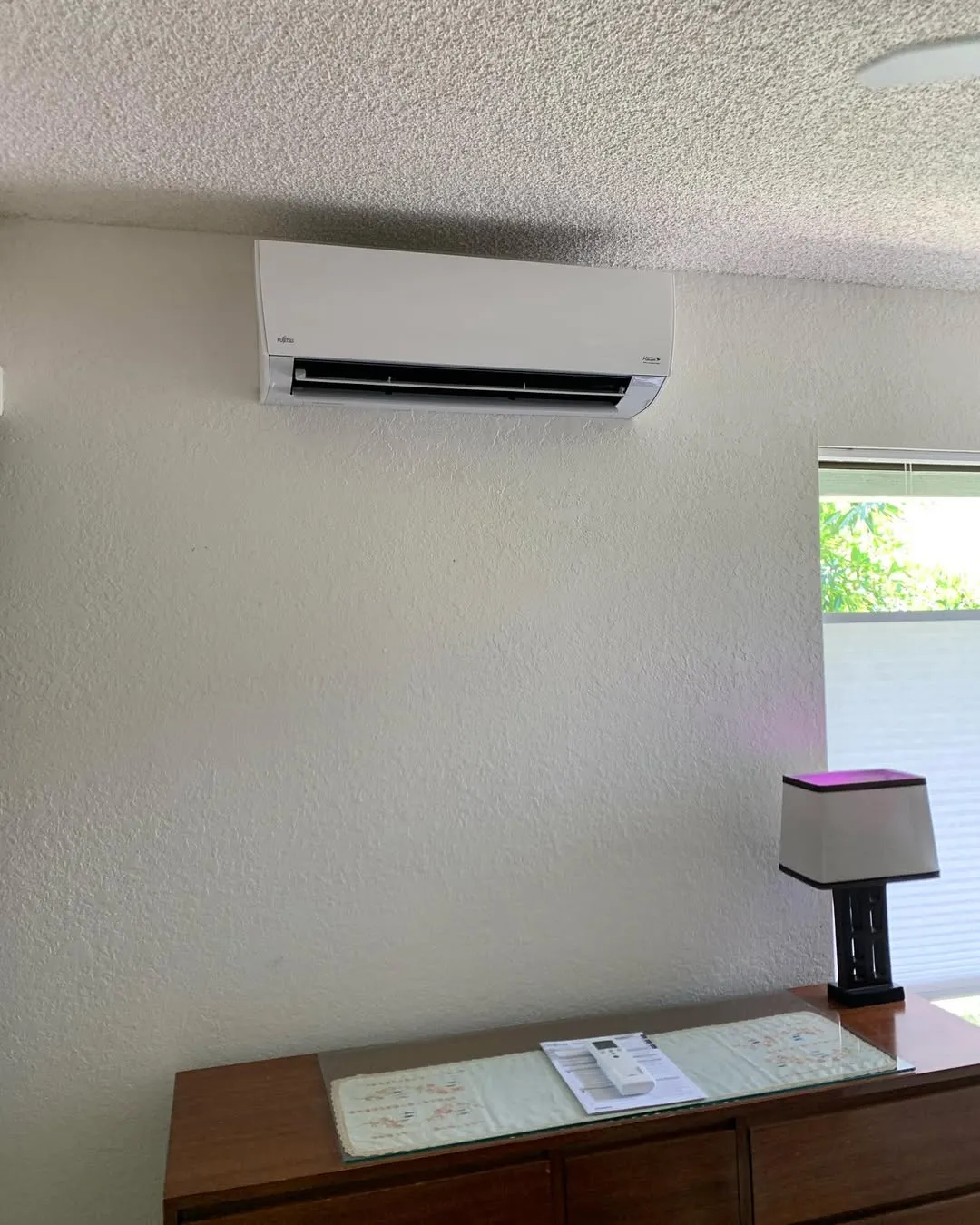
Fujitsu's Halcyon line gets the authentic feedback that's hard to fake. A User ran a 30,000 BTU Halcyon unit for six years with zero issues until a refrigerant leak needed a $1,000 repair, and still called the unit otherwise perfectly reliable. Another user who used the product for ten months reported heating and cooling both "excellent, without any issues so far." A third user whose review we analyzed has run multiple Fujitsu indoor units since 2014 and shared "absolutely no problems." The leak repair is worth including rather than cutting because even a reliable brand isn't immune to a refrigerant line failure. That repair usually isn't covered once you're past the parts warranty.
8. LG
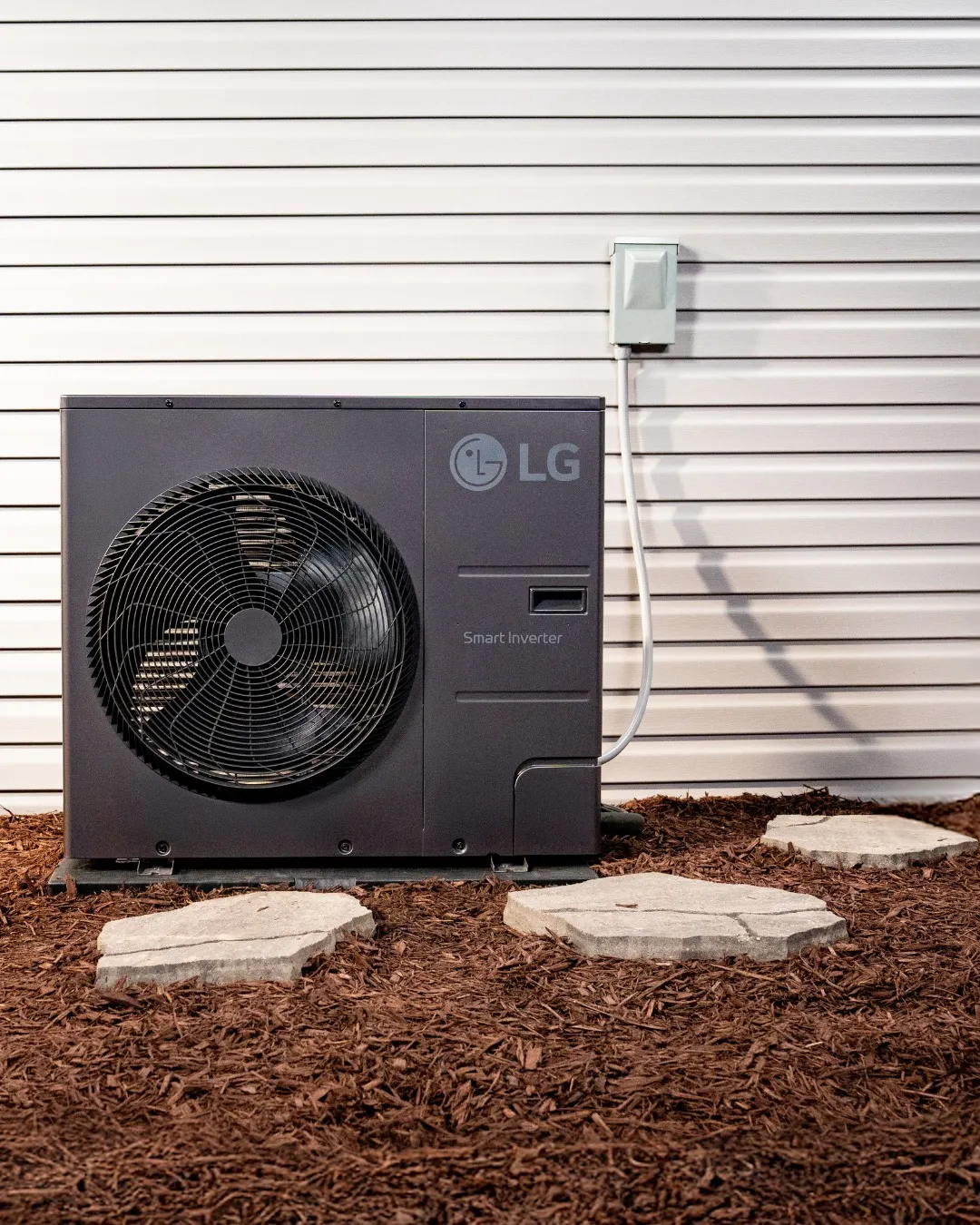
LG doesn't get talked about as an HVAC brand as often as its TVs and phones, which is part of why the owner reports stand out. One post described an LG 18K mini-split system working flawlessly for seven years, with only a $100 interior fan repair, and that too in a home in Texas where the temperature dropped to zero degrees. The same poster's advice for anyone installing one themselves: evacuate the refrigerant lines thoroughly and budget the better part of a day, since a rushed vacuum job is the most common reason a DIY mini-split underperforms.
9. MrCool
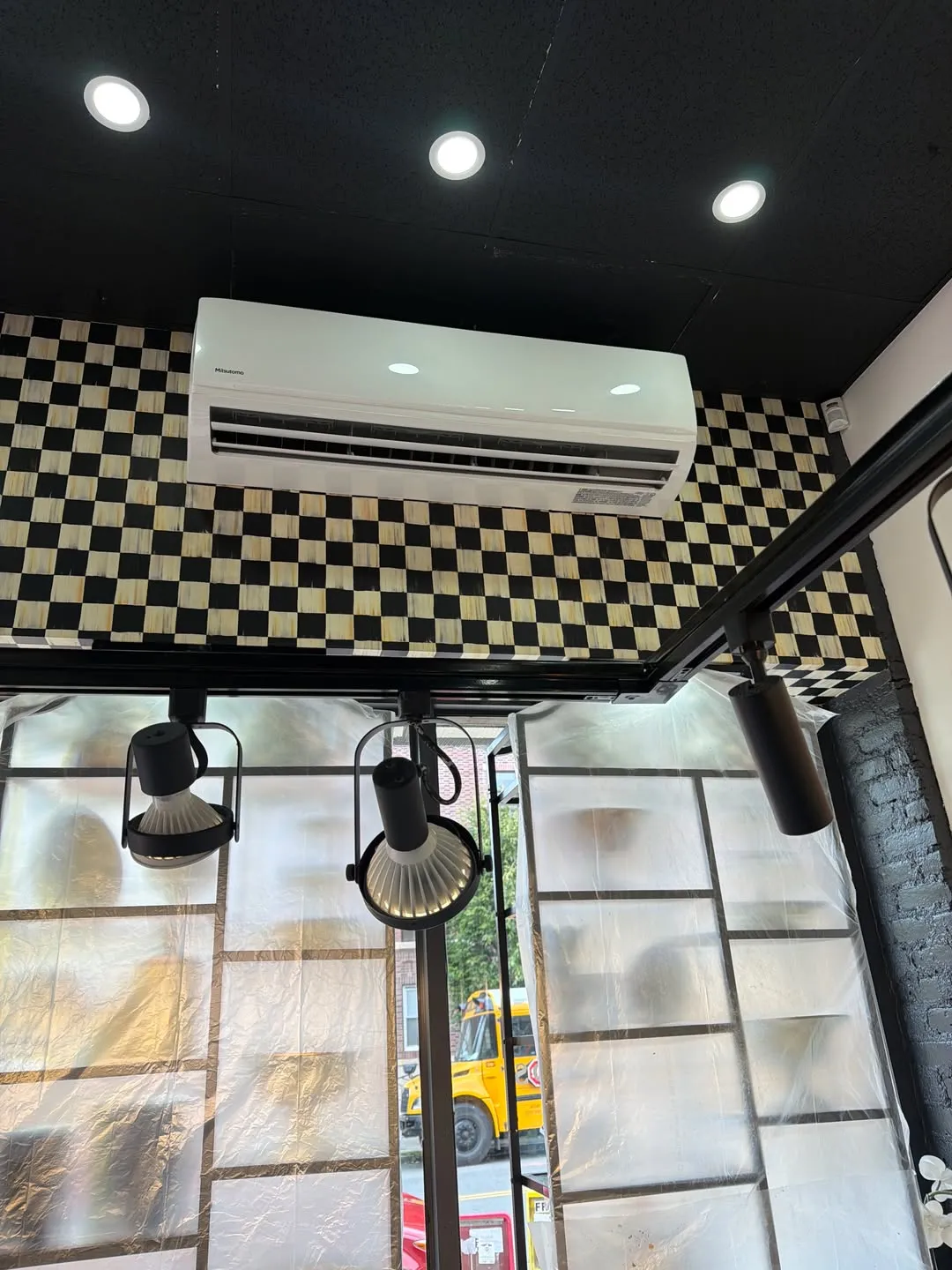
MrCool built its reputation specifically on DIY installs, with pre-charged line sets and quick-connect fittings that skip the vacuum and brazing steps other brands require. One owner with direct experience of DIY installation of two units out of three shares that it was installed for under $2000 total, outdoor and indoor equipment included. The owner described the units as quiet enough that "you have to put your hand in front of them to make sure they're running." He also noted he has no affiliation with the company, worth mentioning since so much mini-split content online is disguised advertising.
10. Senville
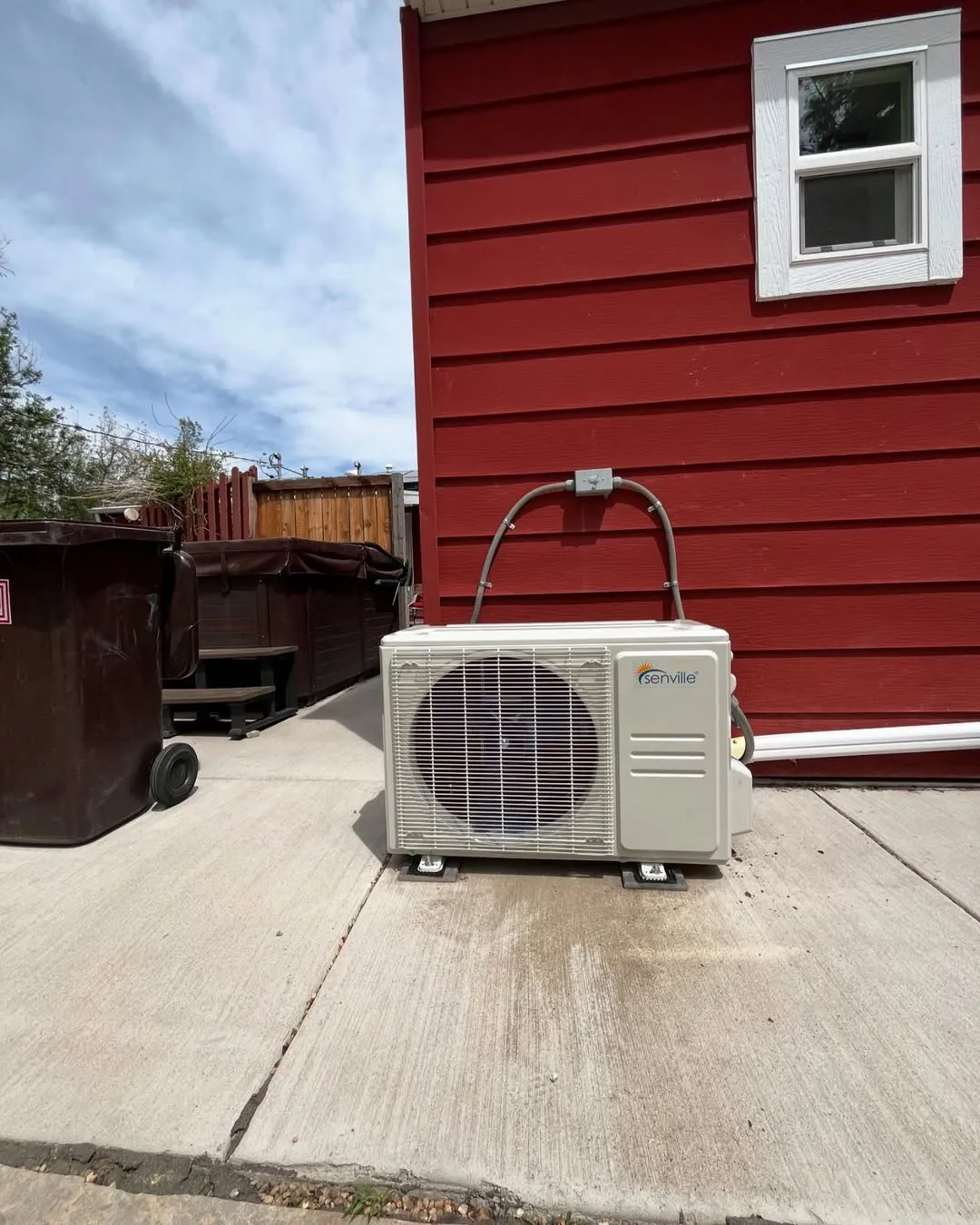
Senville is the brand DIY forums bring up as the one that outperformed their expectations. One poster who self-installed ten Senville units over three years reported only one failure in that span, with the rest running reliably in temperatures from 28 to 118 degrees Fahrenheit. Nobody in these threads calls it a Mitsubishi or Daikin replacement. It's the budget option that didn't turn into a headache, which for a lot of buyers is the actual bar.
What the Owner Threads Agree On, Even When the Brands Don't?
We have read enough of these threads back to back and found a brand name repeatedly: installer quality decides more of the outcome than the brand does. Several owners above picked a brand specifically because of who was installing it, not the other way around, and ENERGY STAR's guidance on ductless heating and cooling systems backs that up from the technical side, noting correct sizing and a reputable installer affect performance as much as the equipment does.