Some homes feel calm the moment you walk inside. The rooms have space to breathe. Daylight reaches the places where you spend time, and each room has a clear purpose. These qualities grow from small design choices that work well together. The approach seen in Vera Iconica luxury architecture offers one example of how home design can draw on light, comfort, and a close bond with nature.
Let Daylight Shape Each Room
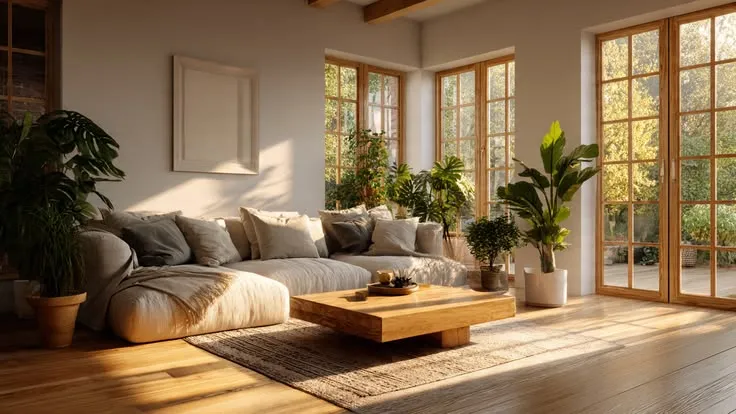
Natural light can change the feel of a room through the day. A kitchen may be bright at breakfast, while a living room may catch the soft light of late afternoon. Watch where the sun falls in your home and think about when you use each space. This can help you decide where to place a desk, dining table, or chair.
If you plan to build or remodel, talk with your design team about window size and placement. A wide window can frame a garden, while a high window may bring light into a room that needs privacy. In a home you already love, light curtains, pale walls, and mirrors can help spread daylight. Add blinds or shades where glare and heat become a problem.
Plan a Layout That Suits Daily Life
Think about the paths you take each day. You may carry food from the kitchen to the table, bring bags in from the car, or walk from a bedroom to a shared living space. Clear paths make these tasks easier. Leave room around chairs and tables, and keep busy routes free of things that get in the way.
Give each space a role that suits your life. A family may want a kitchen with room to talk while food cooks. Someone who works from home may need a quiet desk away from the main living area. Rugs, shelves, and furniture can help mark out smaller zones in a large room. A good layout should feel natural to the people who use it.
Bring Nature Inside Through Materials
Wood, stone, clay, and woven fabrics can add warmth to a home. Their colors and textures pair well with plants and views of the yard. A wood shelf, a wool rug, or a stone tile can make a space feel more grounded. You can add these touches one room at a time.
Choose each material with daily use in mind. A hall may need floors that stand up to mud and wet shoes. A kitchen worktop should suit the way you cook and clean. Ask about care needs before you buy. You can also look at where materials come from and how long they may last. The best choice is one you enjoy and can care for over time.
Make Room for Peace and Privacy
A busy home can still have places for rest. You may enjoy a chair by a window, a nook beside a shelf, or a small room where you can read. Pick a spot away from loud rooms and busy paths when you can. Add a lamp, a soft seat, and a place for a book or cup.
Sound can shape the feel of a space. Rugs, curtains, and soft chairs may help cut down on echoes. A door can give a shared home a bit more privacy. Think about which times of day you need a quiet place and how others use nearby rooms. Even a small change in layout can make a corner feel more calm.
Keep a Link to the Outdoors
Views can make the yard feel like part of your home. A window may frame a tree, a patch of sky, or a small garden. Place a seat where you can enjoy that view. If you have a deck or patio, make the route to it easy to use.
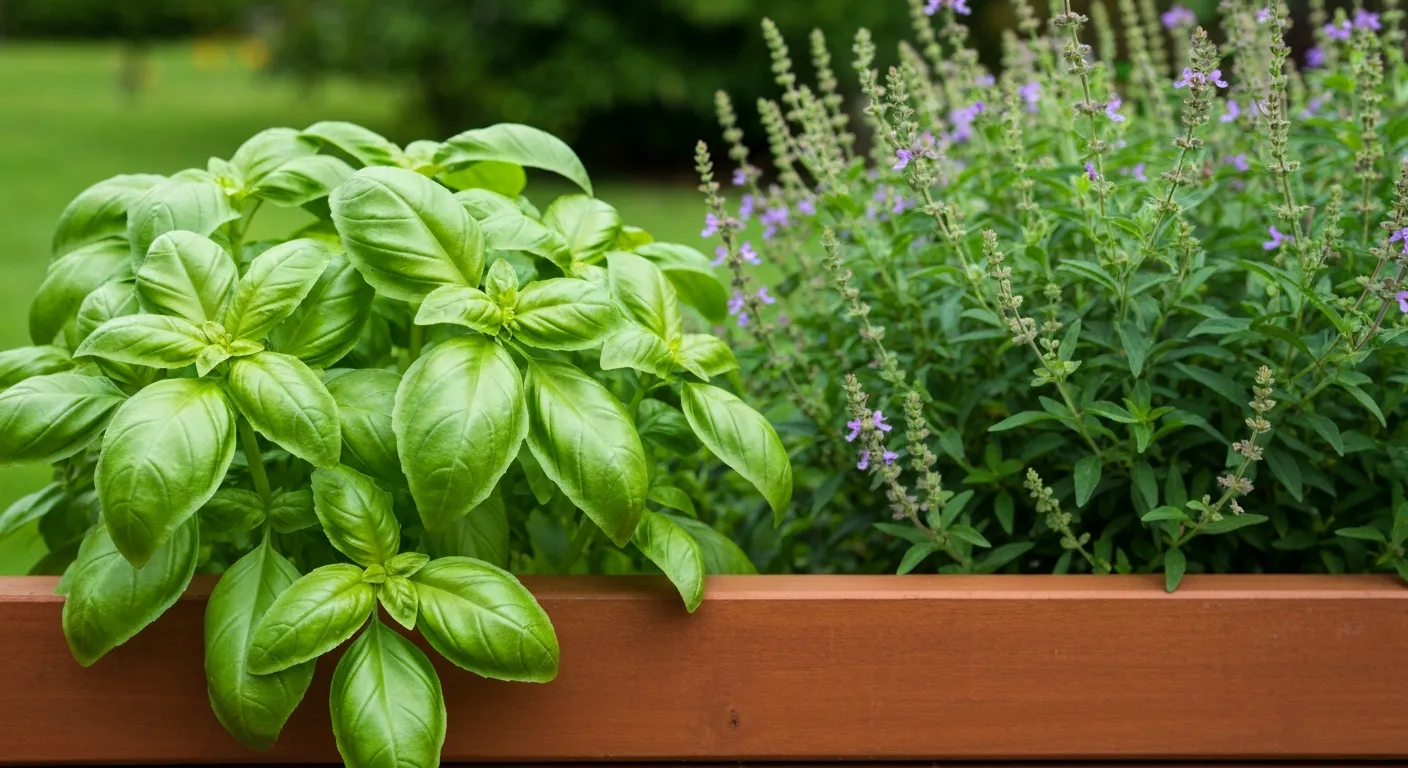
Use a few shared colors or textures to link inside and outside spaces. A wood table near a garden door may echo the deck beyond it. Plants by a window can add a touch of green when outdoor space is scarce. Think about shade and privacy as well as the view. These details help create an outdoor space you want to use.
Choose Colors That Feel Good to You
Soft greens, warm whites, and earth tones can work well with wood and stone. Yet the best colors depend on your taste and the light in your rooms. A pale shade may look warm at noon and cool at dusk. Paint small test areas before you make a final choice.
Think about how you want to use each room. A bedroom may suit a soft color that feels restful to you. A dining space may feel warm with deeper tones. Keep large parts of the room simple if you want to let art, fabrics, and views stand out. Your choices should make the home feel like yours.
Leave Space for Life to Change
Your needs may shift over time. A guest room might become an office. A play area may turn into a place for study or hobbies. Rooms that can change roles give you more ways to use your space. Simple furniture and useful storage can help.
For a larger home project, think about wide paths, good light, and how easy it is to reach the rooms you use most. Share your plans with a design team so they can help you weigh your choices. A home that suits life today and leaves room for change can serve you well for years.
Build a Home That Feels Like Yours
A calm home comes from many choices that fit together. Daylight, clear paths, natural textures, and views of the outdoors can make rooms pleasant to use. A quiet place to read or an easy route to the garden can matter as much as the look of a large living room.
Start with the places where you spend the most time. Notice what feels good and what gets in your way. Then make changes that suit your home, your budget, and the people who share it. With care, you can shape a space that feels warm, useful, and close to nature.