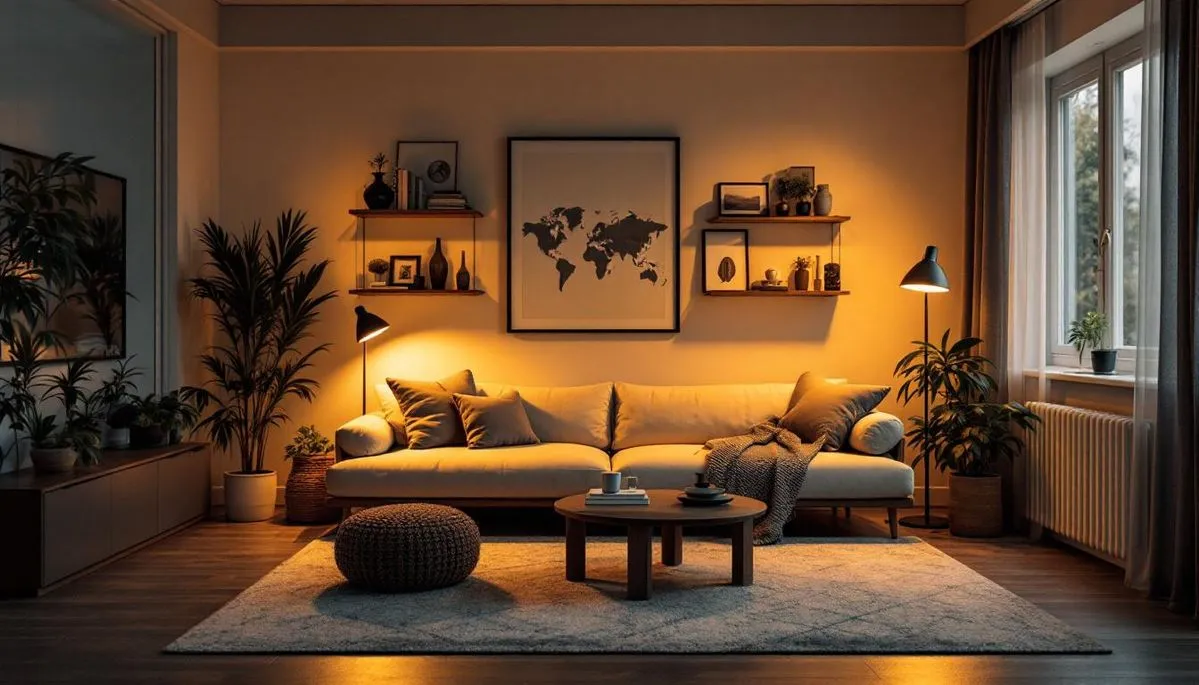
The right lighting can make any room feel warm, calm, and inviting. It can brighten a dark corner, draw the eye to a favorite piece of art, or help a large room feel cozy. A good lighting plan starts with a mix of light sources that work well together. Home decor brands like Arteriors can offer ideas for pairing lamps, ceiling lights, and wall lights to create a space that feels like home.
Start With a Good Source of Light
Every room needs a main source of light that helps people move around, see the space, and enjoy daily tasks. Ceiling lights often fill this role because they spread light across the room and help it feel open. A chandelier can work well in a dining room, while a flush mount light may suit a hallway or a room with a low ceiling. The right choice depends on the size of the room, the height of the ceiling, and how much light the space needs.
Before you choose a fixture, think about how the light will reach each part of the room. A large room may need more than one ceiling light to avoid dark spots. A smaller room may feel bright enough with one well-placed fixture. Aim for light that spreads well and feels soft on the eyes. Once you have a good base, you can add other light sources to make the room feel more welcoming.
Add Table Lamps and Floor Lamps for Warmth
Table lamps and floor lamps are some of the easiest ways to make a room feel cozy. They bring light closer to where you sit, read, or spend time with family. Place a table lamp beside the sofa or on a side table near a chair. A floor lamp can add a soft glow to a reading nook, while a pair of lamps on a console can bring balance to a larger room. These small touches help make each area feel warm and useful.
Think about what you do in each part of the room before you place your lamps. A reading chair may need clear, focused light, while a quiet corner may feel best with a gentle glow. The style of the lamp matters too. A fabric shade can soften bright light, while a base made from wood, glass, or metal can add texture. Choose pieces that work with the colors and materials already in your home.
Use Accent Lighting to Show Off Your Decor
Accent lighting helps draw attention to the details that make your home feel personal. It can bring out the colors in a painting, add depth to a shelf, or make a plain wall feel more inviting. Wall sconces work well beside mirrors, along hallways, or near artwork. They also help save space on tables and floors, which makes them useful in smaller rooms. A well-placed accent light can help a favorite piece of decor stand out.
You can also use small lights on shelves to show the shape of books, vases, and other items. A soft light near a plant or a textured wall can add warmth to the room. Try to choose a few spots that deserve more attention, then keep the rest of the lighting simple. This helps the room feel calm and gives each feature room to shine without making the space feel too bright or busy.
Choose Warm Light for a Cozy Feel
The color of your light can change how a room looks and feels. Warm white light often works well in living rooms, bedrooms, and dining areas because it creates a soft glow. It can help a room feel calm at the end of the day and make time spent with family more pleasant. Cooler white light may suit a home office or work area where you need to see small details. Try to use bulbs with a similar light color in the same room so the space feels balanced.
Dimmer switches can also help you change the mood during the day. Brighter light is useful when you clean, read, or host guests. Lower light can create a more relaxed feel when you watch a film or settle down for the evening. Make sure your bulbs and fixtures work with dimmers before you install them. With the right light color and level, one room can suit many parts of your daily routine.
Think About the Height and Placement of Lights
A room can feel more inviting when light comes from different heights. Ceiling lights spread light from above, table lamps bring it closer to where you sit, and floor lamps or wall sconces help fill the space between. This mix gives the room more depth and helps reduce dark areas. For example, a floor lamp beside a sofa can make a seating area feel cozy, while a table lamp across the room can help keep the light balanced.
Take a look at your room in the evening to see where it needs more light. If a corner feels dark, try adding a lamp. If one area feels too bright, move the light or choose a softer bulb. Keep lamps away from busy walkways and make sure cords are safe and tidy. Small changes in placement can make a big difference in how the whole room feels.
Let Each Room Guide Your Lighting Choices
Each room has its own purpose, so your lighting should match the way you use it. In the living room, a ceiling light paired with table lamps can give you enough light for daily tasks and quiet evenings. In the bedroom, bedside lamps can create a soft glow that helps you wind down before sleep. A ceiling fixture can provide more light when you get dressed or clean. Think about where you spend the most time and place your lights where they will be most useful.
The dining room may need a pendant or chandelier over the table to help bring people together during meals. A nearby wall light or lamp can add a gentle glow around the room. In a hallway, ceiling lights or sconces can help people move with ease while adding a welcoming touch. Test your lighting at different times of day and make small changes as needed. The best setup is one that feels right for your home and daily life.
Bring Your Lighting Plan Together
Good lighting helps your home feel warm, useful, and full of life. Start with a main source of light, add lamps where you spend time, and use accent lights to draw the eye to details you love. Think about the color, height, and placement of each light as you build your plan.
You do not need to change every fixture at once. Start with the room you use most and see how a few small updates affect the space. With a thoughtful mix of lighting, you can create a home that feels calm, comfortable, and welcoming throughout the day.