If your furnace faces trouble staying on after you fire it up or if it shuts off quickly, there's nothing to worry about. This is a common problem faced by many homeowners, and the most common reason is a dirty flame sensor. Although heating, ventilation, and air conditioning are complex, it is possible to fix such simple problems yourself. In this guide, we'll look at some easy steps to clean a furnace flame sensor and some common indications that indicate if your furnace flame sensor needs cleaning or not. Keeping the furnace in good condition is only one part of maintaining a warm home. Homeowners can also improve indoor comfort by learning how to stop draft from window during colder months. For other home maintenance and improvement projects, it can also be helpful to understand how long does caulk take to dry and does homeowners insurance cover home renovation before starting a repair or upgrade.
What is a Flame Sensor?
A flame sensor is the safety device in a furnace that detects the presence of fire inside the furnace burner. If the sensor doesn't detect a flame, it turns off the gas supply to prevent dangerous fire hazards. With prolonged usage, dirt or other residues can build up on the sensor, which may affect its functionality and prevent the furnace from heating the home effectively.
Indications That Your Flame Sensor is Dirty
Here are a few common indications that you might notice if your flame sensor is dirty:
1. Fitful or No Heat
The furnace may turn on for a while and then shut off soon after. This happens because the sensor is unable to detect the flame. This may result in irregular heating or no heating at all.
2. Repeated Short Cycling
When the flame sensor doesn't detect the flame properly, the furnace might turn on and off frequently. This may cause the system to shut down for safety reasons.
3. Error Codes
When there are issues detecting the flame, the furnace may display error codes. Consider checking the furnace manual to understand the particular codes.
4. Yellow or Yellow-Tipped Flame
The furnace usually burns with a blue flame when the flame sensor is clean. However, if you notice a yellow or orange flame, it may indicate a problem in the flame sensor or other problems with the furnace.
5. Dirt Buildup
If your flame sensor looks black, it might be due to accumulated dirt and debris. You can check the flame sensor for any visible debris or dirt.
If you notice such indications, clean your flame sensor to help the furnace correct the problem.
However, if you're not comfortable cleaning the flame sensor or the problem isn't resolved by yourself, consider calling a professional.
Steps to Clean a Furnace Flame Sensor
Step 1: Locate the flame sensor
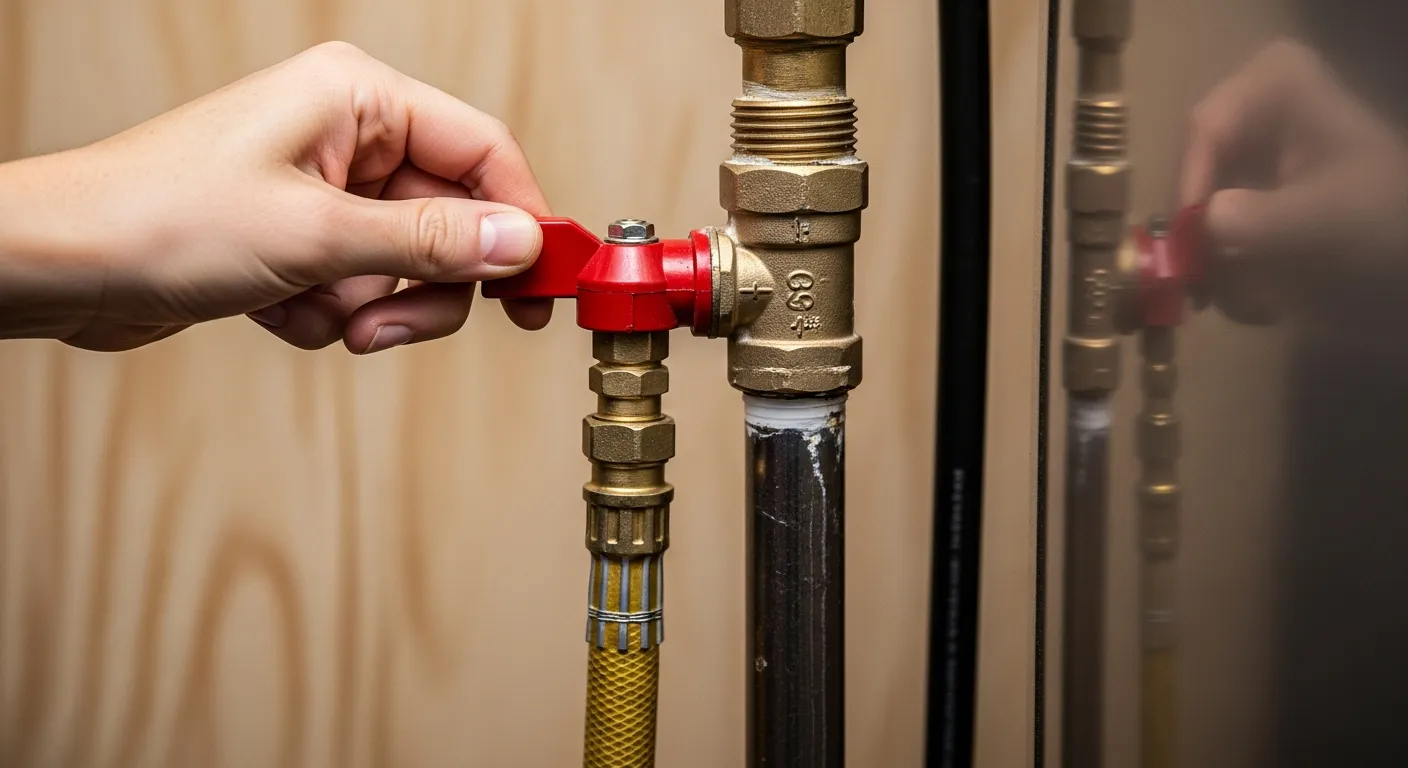
Make sure to turn off the furnace's power supply to avoid potential hazards while operating the system. After turning off the power and gas, locate the flame sensor near the burner assembly. To see the flame sensor, remove the access panel. Based on the furnace's make and model, you can detach the panel by sliding it out or loosening the screws that hold it in place with a screwdriver.
Step 2: Remove the flame sensor
The flame sensor is a thin metallic rod. You should have found the flame sensor after removing the access panel. The rod is fixed with a hex-head screw approximately ¼ of an inch. Loosen the screw with a screwdriver, then slide the sensor out of the furnace. Sometimes, for easier cleaning, you might have to disconnect the wire from the sensor.
Step 3: Clean the Flame Sensor
Carefully rub off the sensor using an emery cloth or soft bristle brush and some electrical contact cleaner. It is advised not to scrub too hard to make the flame sensor shine. All you need to do is just remove any built-up carbon, dust, or debris. Over-scrubbing can worsen the condition of the flame sensor, which can cause the replacement of the part.
Step 4: Reinstall the Flame Sensor
Reinstall the flame sensor in the same way you removed it. If you have disconnected the wire for easy access, then reconnect the wire first and slide the flame sensor back into the furnace. Use a ¼ inch hex head screw to secure the flame sensor, then reinstall the access panel.
Step 5: Test the Furnace
Turn the gas and power on and make sure to follow the directions provided by the manufacturer to reignite the pilot light, if needed. The furnace may take a few extra seconds to start, or the fan may turn on immediately and run for a very short time.
This is normal because the furnace resets when turned off and performs safety checks before starting again. Once the checks are completed, ensure that the units start properly as per the temperature set on the thermostat. This ensures that the furnace is cleaned and the problem is fixed.
How Often Should You Clean a Flame Sensor?
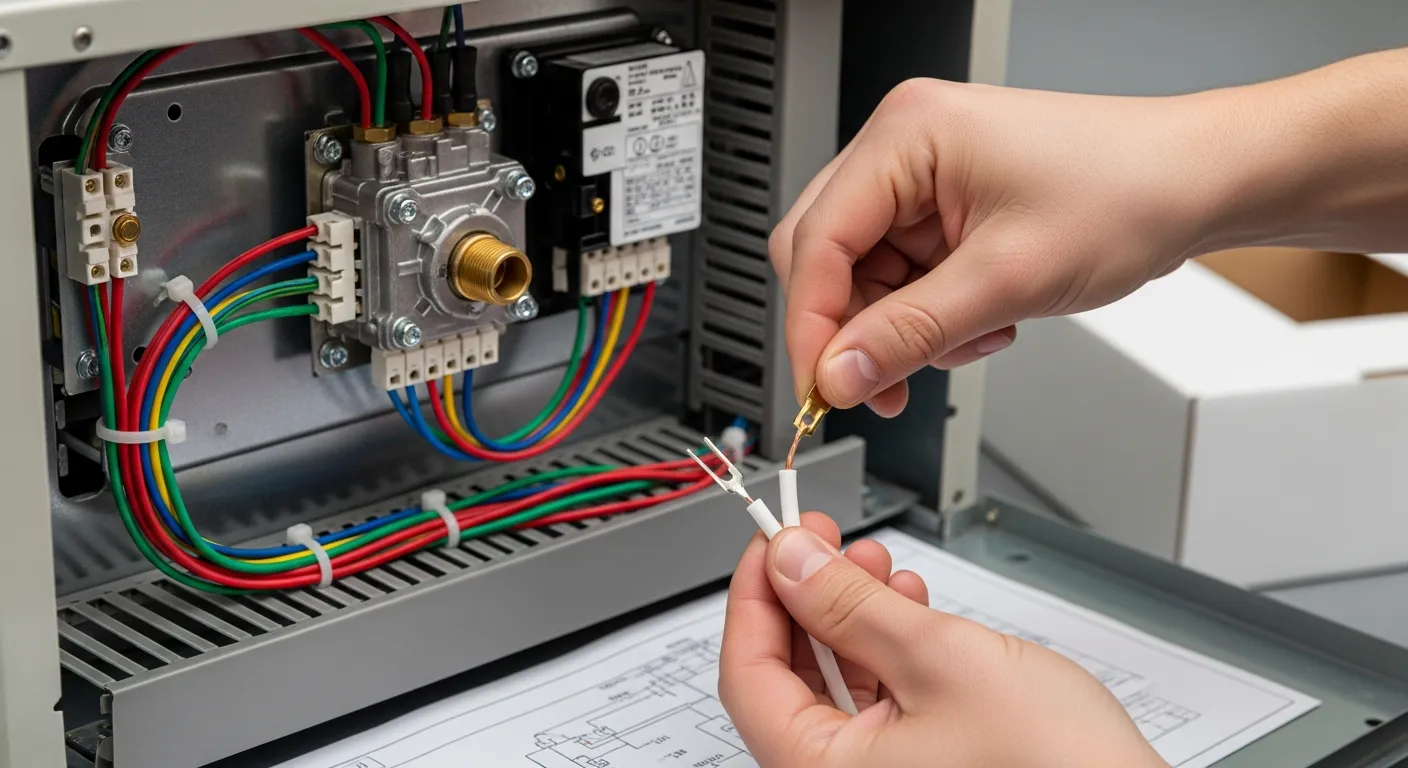
As per experts, regular mild cleaning of the flame sensor will help it work efficiently, but it is advised to thoroughly clean the flame sensor at least once a year. Additionally, make sure to replace the flame sensor at least once every three to five years because replacing the sensor at the right intervals will help it to function efficiently.
Conclusion
The reason for non-functional flame sensors could be many, including dirt buildup. However, cleaning a flame sensor isn't a complex task. You can easily clean the flame sensor with the simple steps discussed in this blog. Consider checking and maintaining the sensor regularly so that it can work efficiently for longer. If the problem continues, you can always call for professional help. Home maintenance also extends to other essential appliances, so homeowners planning an upgrade can compare options such as ge vs whirlpool refrigerators or read a haier fridge double door review before choosing a new refrigerator.