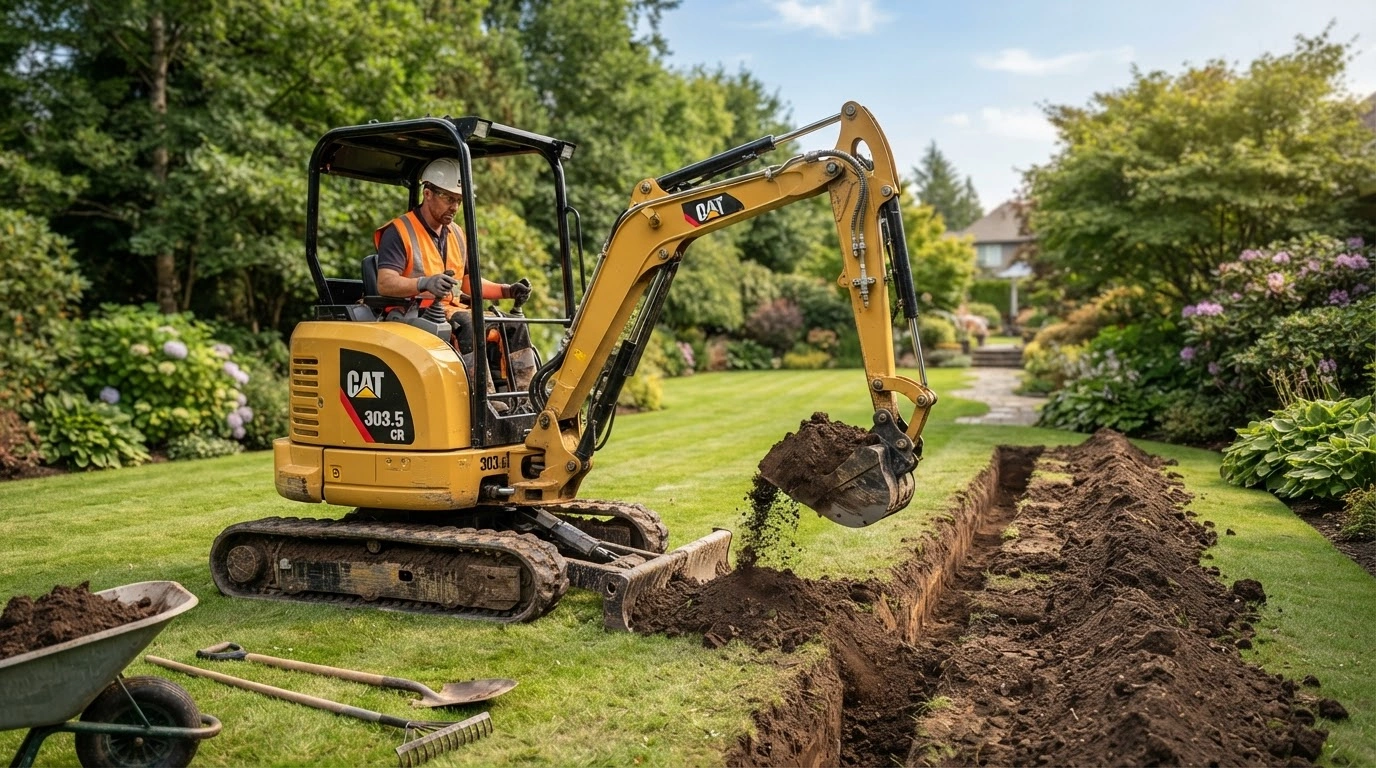
Outdoor work has a way of turning a simple weekend project into an all-day job. Whether you are maintaining a property in Texas, preparing a field, moving materials, or clearing overgrown areas, the difference often comes down to having the right equipment for the task. What could take hours of manual effort can become much more manageable when your tools and machinery are properly matched to the job.
So, how can the right equipment make everyday outdoor work easier without adding unnecessary complexity?
The answer is not always buying the biggest or most powerful machine. It is about choosing equipment that improves efficiency, handles the workload safely, and works well with the tools you already have.
Match Equipment to the Work
Every outdoor task has different demands. Moving soil requires different equipment from lifting heavy materials, while mowing, grading, digging, and hauling each require their own attachments and capabilities.
Before investing in equipment, consider:
- The type of work: Identify the jobs you perform most often.
- Workload: Consider how much material you need to move, lift, or process.
- Frequency: Equipment used regularly may justify a larger investment.
- Available space: Make sure the machinery can operate comfortably on your property.
- Compatibility: Check that attachments and replacement components work with your existing equipment.
Choosing based on actual needs rather than simply selecting the most powerful option can make outdoor work more efficient and easier to manage.
Hydraulic Components Can Make a Difference
Hydraulic systems are found in many types of agricultural, landscaping, construction, and utility equipment because they allow machinery to generate controlled movement and lifting force. Components such as hydraulic cylinders help convert hydraulic pressure into mechanical movement, allowing equipment to raise, lower, push, tilt, or position loads.
For someone maintaining equipment regularly, a dependable hydraulic system can make everyday jobs considerably smoother. A cylinder that is worn, leaking, or no longer operating correctly can affect how efficiently an attachment or machine performs.
When replacement parts are needed, hydraulic cylinders can be an important component to evaluate carefully rather than simply choosing the first option available. Farm & Ranch Depot offers hydraulic cylinders and other equipment components for agricultural and outdoor applications. The right replacement should match the equipment's specifications, including dimensions, mounting style, stroke, and operating requirements.
Reduce the Amount of Manual Labor
One of the biggest advantages of suitable equipment is the ability to reduce repetitive physical work. Tasks such as moving heavy materials, lifting loads, digging, and clearing debris can quickly become tiring when handled manually.
Equipment can help take on some of that workload, allowing you to spend more time managing the overall project instead of repeatedly performing the most demanding parts by hand.
This does not mean every job requires heavy machinery. Even smaller equipment and the right attachments can make a noticeable difference when they are used for tasks they are designed to handle.
Keep Maintenance in the Picture
The equipment itself is only part of the equation. Regular maintenance can help you avoid small problems turning into larger interruptions. A simple maintenance routine may include:
- Checking hydraulic components for visible leaks or damage
- Inspecting hoses, fittings, and connections
- Keeping moving parts properly lubricated
- Checking tires, belts, and attachment points
- Cleaning equipment after particularly dirty jobs
- Following the manufacturer's recommended service intervals
Taking a few minutes to inspect equipment before and after use can help identify problems before they interfere with an important project.
The U.S. Department of Agriculture's Economic Research Service regularly tracks farm-sector assets and financial conditions, including machinery and vehicles, showing how significant equipment is within agricultural operations. Its latest farm-income and wealth data were updated in September 2026.
Think About Attachments, Not Just Machines
Sometimes the most useful upgrade is not an entirely new machine. The right attachment can expand what existing equipment can accomplish. Depending on the equipment you own, attachments can help with:
- Moving or spreading materials
- Digging and grading
- Clearing brush
- Handling heavy loads
- Maintaining fields and driveways
- Completing seasonal property work
This approach can make equipment more versatile without requiring a separate machine for every task. Before purchasing an attachment, however, confirm its weight, connection type, hydraulic requirements, and compatibility with your equipment.
Choose Reliability Over Convenience Alone
Outdoor equipment often operates in demanding conditions. Dust, dirt, moisture, heavy loads, and long working hours can all place stress on machinery and its components.
That makes reliability an important consideration when replacing a part or upgrading equipment. A component that fits but does not meet the equipment's operating requirements may create additional problems later. Look at specifications carefully and consider the conditions in which the equipment will actually be used. A little research before purchasing can help prevent unnecessary downtime and repeat repairs.
Make Outdoor Work More Efficient
The goal of better equipment is not simply to make machinery more powerful. It is to make everyday work more manageable. When equipment is properly matched to the task, maintained consistently, and supported by compatible components, you can spend less time struggling with basic jobs and more time getting them finished.
Whether you are maintaining a large property, working around a farm, or handling regular outdoor projects in Texas, thoughtful equipment choices can make a noticeable difference. Start with the tasks you perform most often, identify where time and effort are being lost, and then look for equipment or components that address those specific challenges.
Conclusion
The right equipment can turn demanding outdoor work into a more organized and manageable part of your routine. From choosing compatible attachments to maintaining hydraulic systems and replacing worn components, small decisions can have a meaningful effect on how efficiently machinery performs. Instead of focusing only on size or power, consider what your property and workload actually require. With the right combination of equipment, maintenance, and planning, everyday outdoor tasks can become easier, more efficient, and less physically demanding.