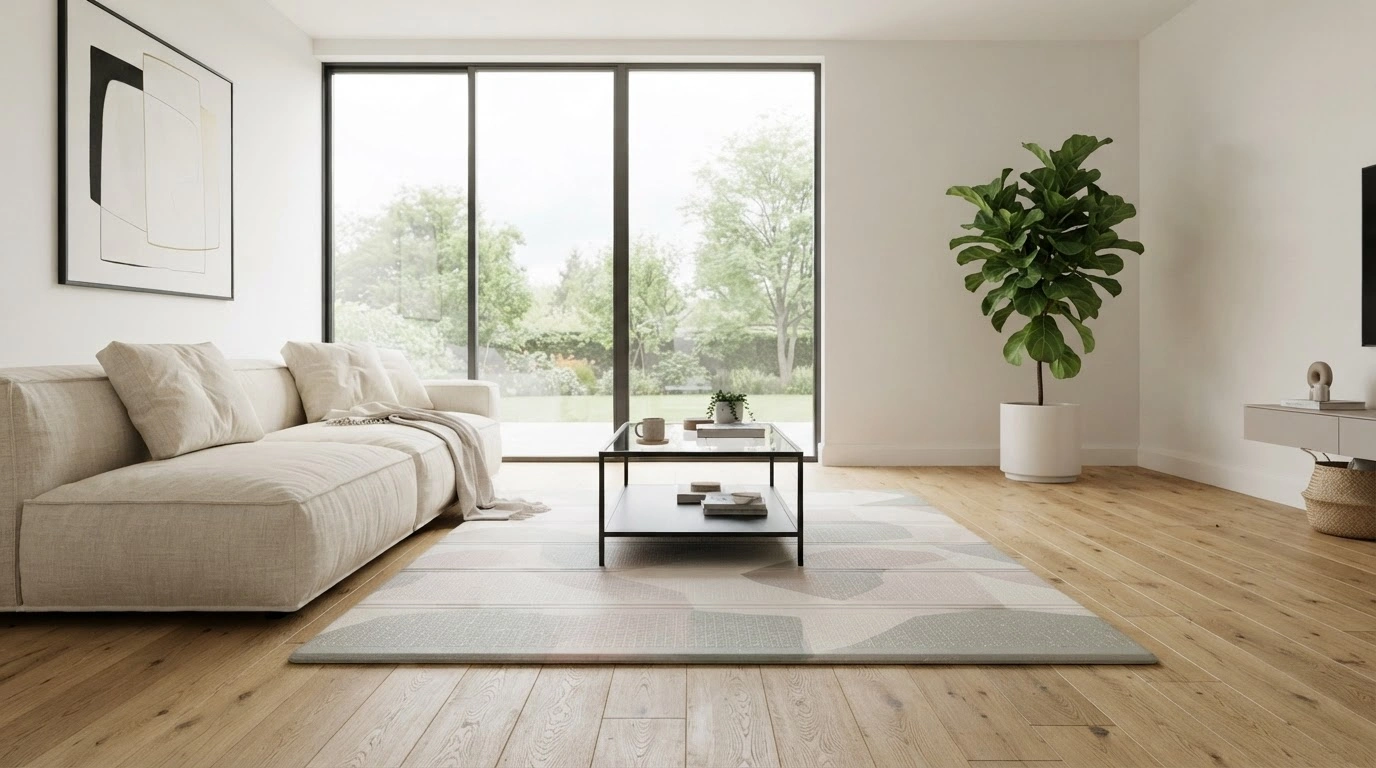
Modern homes often focus on simplicity, functionality, and carefully selected details. From neutral furniture and open layouts to minimalist décor, every element can contribute to the overall appearance of a living space. When children are part of the household, however, creating a dedicated area for play without disrupting the home's style can sometimes be challenging.
A thoughtfully selected playmat can solve this problem by combining everyday practicality with contemporary design. Instead of looking out of place, the right mat can blend naturally with furniture, flooring, colors, and décor. With thoughtful placement and design choices, Playmats for modern play spaces can become an attractive and functional part of the home.
Choose Colors That Complement Your Décor
Color is one of the easiest ways to integrate a playmat into a modern interior. Instead of selecting a design with overly bright or contrasting colors, consider shades that complement the existing room. Neutral tones such as beige, cream, grey, muted green, or soft brown can work well with contemporary interiors. If your home already features colorful furniture or artwork, a simpler mat can create visual balance. For homes with minimalist décor, subtle patterns can add interest without making the room feel crowded.
Think About the Overall Interior Style
Every home has its own personality. Some interiors use Scandinavian-inspired simplicity, while others feature industrial finishes, natural materials, contemporary furniture, or warm minimalist décor. A playmat should ideally fit into the existing visual language of the room.
For example, a simple geometric pattern can work well in a contemporary setting, while muted earthy tones may complement interiors that use wood and natural textures. Choosing a design that feels connected to the surrounding décor can make the play area appear intentional rather than temporary.
Use Playmats to Define Activity Zones
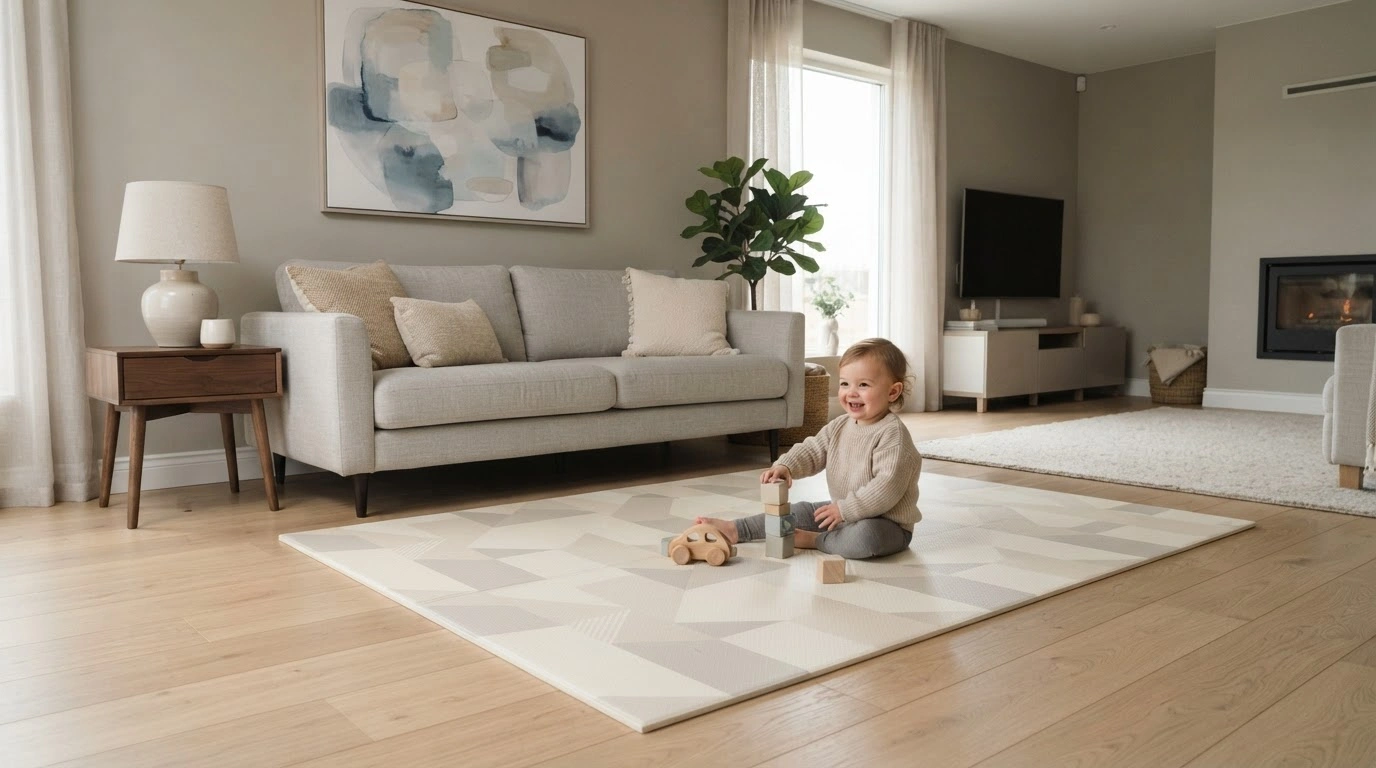
Open-plan homes can benefit from clearly defined activity areas. A playmat can visually separate a child's play zone from other parts of the room without requiring permanent partitions. Positioning a mat in a specific corner of the living room, bedroom, or family area creates a recognizable place for toys and activities. This approach can help maintain organization while allowing children to remain close to adults. The mat itself can act as a subtle boundary between different functions within a shared space.
Consider Shape and Proportion
The shape and size of a playmat can influence how balanced a room feels. A large rectangular mat may work well in an open family room, while a smaller round design could fit naturally into a compact corner. Before purchasing, measure the available floor space and consider how much room should remain around the mat. A properly proportioned mat can make the room feel organized rather than overcrowded.
Coordinate With Furniture
Furniture placement is another important consideration. A playmat can sit near a sofa, low storage unit, or children's shelf to create a complete activity area. Try to maintain comfortable pathways around the mat. Avoid placing it where doors, drawers, or frequently used walkways could become difficult to access. When the mat, furniture, and storage work together, the play area becomes part of the interior rather than an isolated addition.
Keep Patterns Simple
Modern interiors often rely on visual simplicity. A playmat with an overly complicated pattern can compete with artwork, furniture, or decorative accessories. Simple lines, understated shapes, small illustrations, or subtle textures can provide visual interest while maintaining a clean appearance. This does not mean a playmat needs to be plain. The key is choosing a design that complements rather than dominates the room.
Consider Practical Maintenance
Interior design is important, but a family home also needs products that are easy to maintain. Children may spill drinks, drop food, or bring dirt onto the play area. Playmats for modern play spaces that can be cleaned according to their care instructions can make everyday life easier. Consider surfaces that are practical for regular use and suitable for the environment where the mat will be placed. Easy maintenance also helps the play area remain visually fresh and organized.
Make Storage Part of the Design
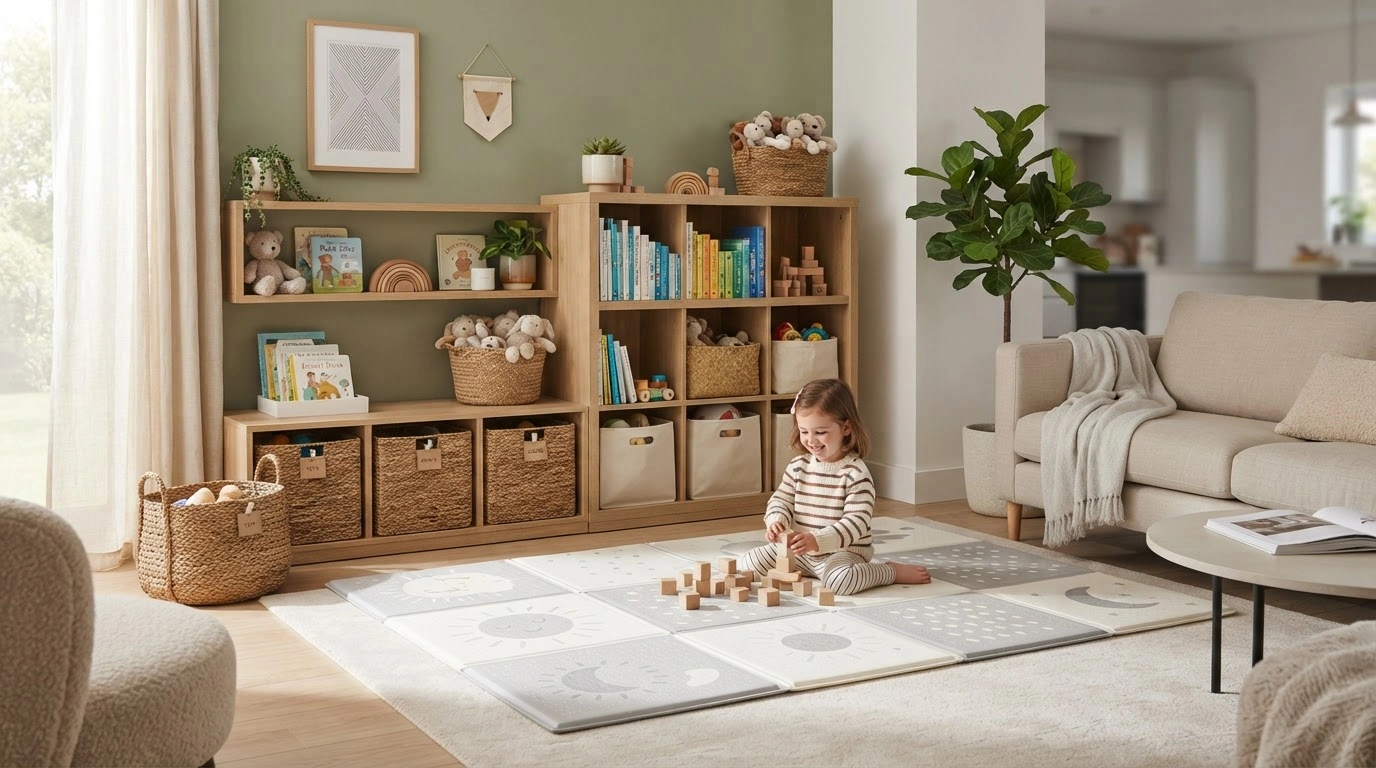
A modern interior benefits from good organization. Toys scattered across the floor can quickly make even the most carefully designed room look untidy. Place baskets, storage boxes, or shelves near the playmat so toys can be returned to their designated place after playtime. A coordinated storage system can complement the mat and create a complete, organized corner. Foldable mats can also be useful when the floor needs to be cleared for other activities.
Choose a Design That Can Grow With the Child
A good playmate does not necessarily need to be replaced as children grow. Choosing a versatile design can allow the same area to support different activities over time. The space may begin with floor-based play and gradually become an area for reading, drawing, building blocks, puzzles, or imaginative activities. Selecting a timeless design can make the mat useful through multiple stages of childhood.
Conclusion
A child-friendly home does not have to sacrifice modern style. With careful consideration of color, pattern, size, placement, maintenance, and storage, a playmat can blend naturally into contemporary interiors.
Playmats for modern play spaces can provide children with a comfortable area for everyday activities while helping parents maintain a visually balanced and organized home. The most successful approach is to treat the play area as part of the overall interior design, creating a space that works beautifully for both children and adults.