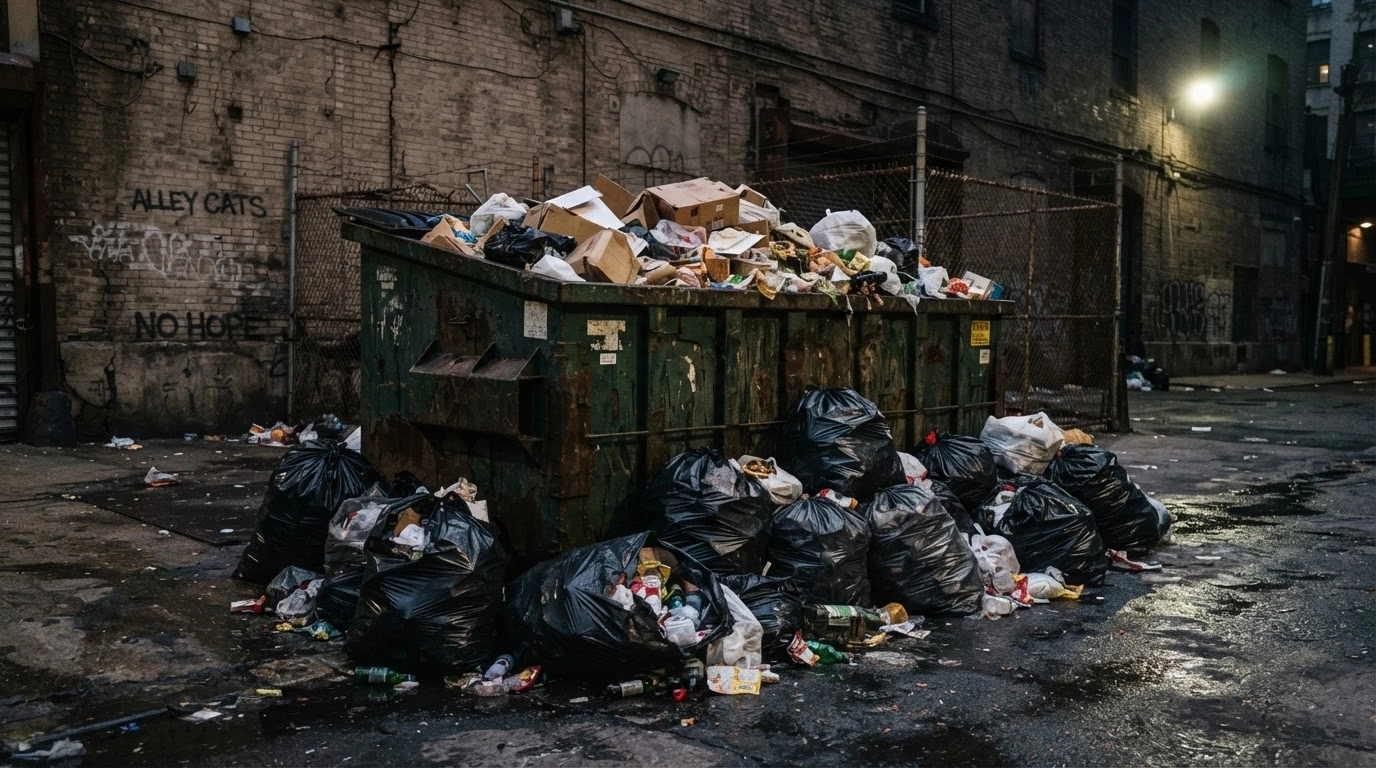
No, you should not leave trash bags outside a full dumpster unless the rental company has specifically approved it. Extra bags may be treated as unauthorized overflow, create safety hazards, and prevent scheduled waste collection.
This is especially important for Chatsworth, in the northwestern San Fernando Valley region of Los Angeles, California, where residential cleanouts, home renovations, and commercial projects can generate more waste than expected. Planning for the right container capacity helps avoid overflowing dumpsters and disposal delays.
If your project involves more waste than expected, arranging dumpster rental in Chatsworth with the appropriate container size can help keep waste contained and make collection easier.
This article covers details that you should know.
Why Trash Bags Should Not Be Left Outside a Full Dumpster
A dumpster is designed to contain waste securely during storage and transportation. When bags are placed outside it, they can attract pests, spread unpleasant odors, and create litter around the property.
Loose bags can also tear when exposed to rain, wind, or animals. Food waste and other household garbage may spill onto driveways, sidewalks, or nearby areas, creating additional cleanup work.
There are also collection concerns. Drivers may be unable to remove outside waste because it is not included in the original rental agreement. Even if the dumpster itself is ready for pickup, extra bags may require a separate service.
Problems Caused by Overflowing a Dumpster
Additional Charges
Rental agreements commonly specify the permitted container capacity and accepted materials. Waste placed outside the dumpster may require an additional collection or separate disposal arrangement. Some providers may charge extra fees for overflow or additional service.
Safety Hazards
Trash bags around a dumpster can obstruct walkways, driveways, and access points. Heavy or poorly secured bags may also create tripping hazards for workers and visitors.
Delayed Pickup
A driver may refuse to collect an overloaded container or waste that has not been approved for removal. This can delay the project and affect the availability of the rental equipment.
What to Do When Your Dumpster Is Full
If your dumpster reaches capacity before your project is complete, take these steps:
- Stop loading immediately: Do not force additional bags into the container or stack waste above its permitted fill line.
- Contact the rental company: Explain that the dumpster is full and ask about the available options.
- Request an additional pickup: The provider may be able to remove the full container and deliver an empty replacement.
- Ask about a second dumpster: A separate container may be more practical if your project will continue generating substantial waste.
- Keep extra bags secured: Store remaining waste in an appropriate covered area until the company confirms an approved disposal arrangement.
Choosing the Right Dumpster Size
Selecting a suitable dumpster size before starting a project can reduce overflow problems. Consider the type of work, expected waste volume, and materials being discarded.
A small container may work for a limited garage cleanout, while a larger renovation or construction project may require a higher-capacity option. Remember that weight limits matter too. Heavy materials such as concrete, dirt, and roofing debris can reach a container's weight allowance before it appears full.
Keeping Your Property Clean and Compliant
Avoid placing unwanted bags on sidewalks, streets, or other areas without permission. Los Angeles has rules addressing unauthorized waste disposal, and leaving garbage in an undesignated location can create legal and environmental concerns.
When arranging dumpster rental in Chatsworth, check the provider's overflow and collection policies to understand how to handle waste that exceeds the container's capacity.
Keep the area around the dumpster clear, secure loose waste, and follow the rental company's loading instructions. If you regularly generate more waste than expected, arrange additional collection rather than allowing it to accumulate outside the container.