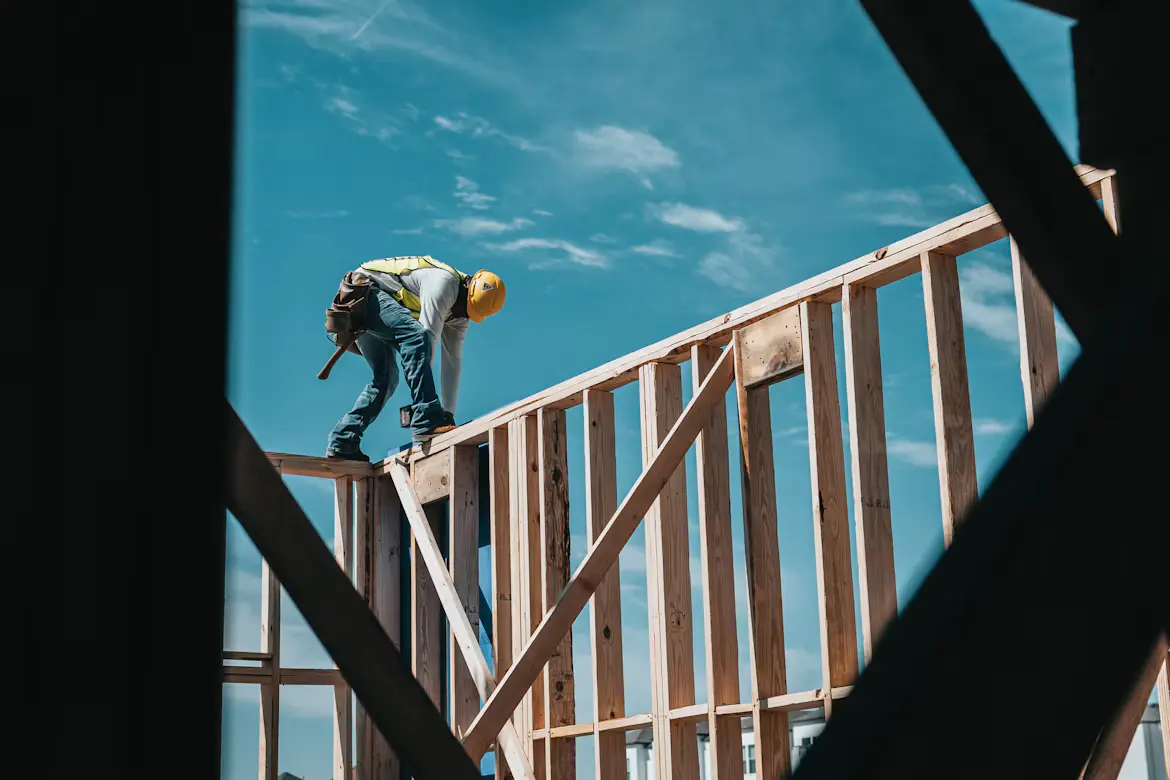
A new construction lot affects far more than the view from your future front porch. Soil conditions, access points and local building rules can change the design, schedule and total cost of a home. Before signing a purchase agreement, review the physical site and confirm what you're legally allowed to build. A survey, soil evaluation and written utility estimates may require an upfront investment, but they can reveal expenses that aren't obvious during a quick property tour.
Assessing Soil Quality and Topography
Start with a professional soil evaluation to learn how well the ground can support a foundation and manage wastewater. Expansive clay, loose fill and a high water table may call for special engineering. If the property won't connect to a public sewer, confirm that it can pass the required tests for a septic system.
A thorough land assessment before purchase should also consider drainage, slope, access and other physical conditions that could affect construction.
Walk the entire site after rainfall and look for standing water, erosion or unusually soft ground. Notice slopes too. A steep lot can add excavation, retaining wall and driveway costs.
Understanding Utility and Road Access
Confirm the availability and location of electricity, water, sewer, natural gas and internet service. A listing that says utilities are "available" may only mean that service exists somewhere along the road. Extending a line several hundred feet to the building site can cost thousands of dollars, so request written estimates from each provider.
Access deserves the same scrutiny. Check whether the road is public or private, who maintains it and what rights are recorded for the driveway. The property may also need an easement across neighboring land.
When buying land to build a house, surveys, financing terms and site-development costs should all be reviewed before closing. Ask your builder to check whether delivery trucks and construction equipment can enter and turn safely.
Checking Zoning Rules and Setback Lines
Contact the local planning or building office before relying on a seller's description of the lot. Verify the zoning classification, allowed home type, maximum building height and any limits on accessory structures. Rules can also affect driveway placement, fences and the percentage of land that may be covered by buildings or pavement.
When considering a lot in a planned development, ask the land development company how buildable areas, grading, drainage and community restrictions have been addressed. This can help clarify which parts of the lot are actually suitable for the home, driveway and outdoor spaces you have in mind.
Next, obtain a current boundary survey showing easements and setback lines. A 10-foot side setback on each boundary can sharply reduce the usable width of a narrow parcel. Utility easements may create further restrictions even though you own the land.
If the lot belongs to a homeowners association, read its design standards and fee schedule as well. Bring the survey and restrictions to your builder so the proposed floor plan, garage and outdoor areas fit inside the permitted building envelope.
Evaluating Sunlight and Natural Drainage
Visit the lot at different times of day to see where sunlight falls. Morning and afternoon exposure can influence room placement, outdoor comfort and energy use. Large trees may provide useful shade, but their roots, condition and distance from the planned foundation need professional review. Also check whether nearby vacant parcels could eventually hold structures that change the light or view.
Follow the direction water naturally travels across the site. Runoff should move away from the proposed foundation without being redirected onto neighboring property. Swales, culverts and low areas can reveal where stormwater collects.
Common yard drainage solutions can help manage excess water, but the right option depends on the site's grading, soil and local requirements. Your builder or civil engineer can then determine which approach suits the property.
Before closing, organize the survey, soil results, utility quotes and zoning confirmation in one file. Compare those findings with the proposed home plan and construction budget. If an unresolved easement, failed soil test or drainage problem could prevent the intended build, make the purchase contingent on further review or step away before the lot creates a costly obligation.