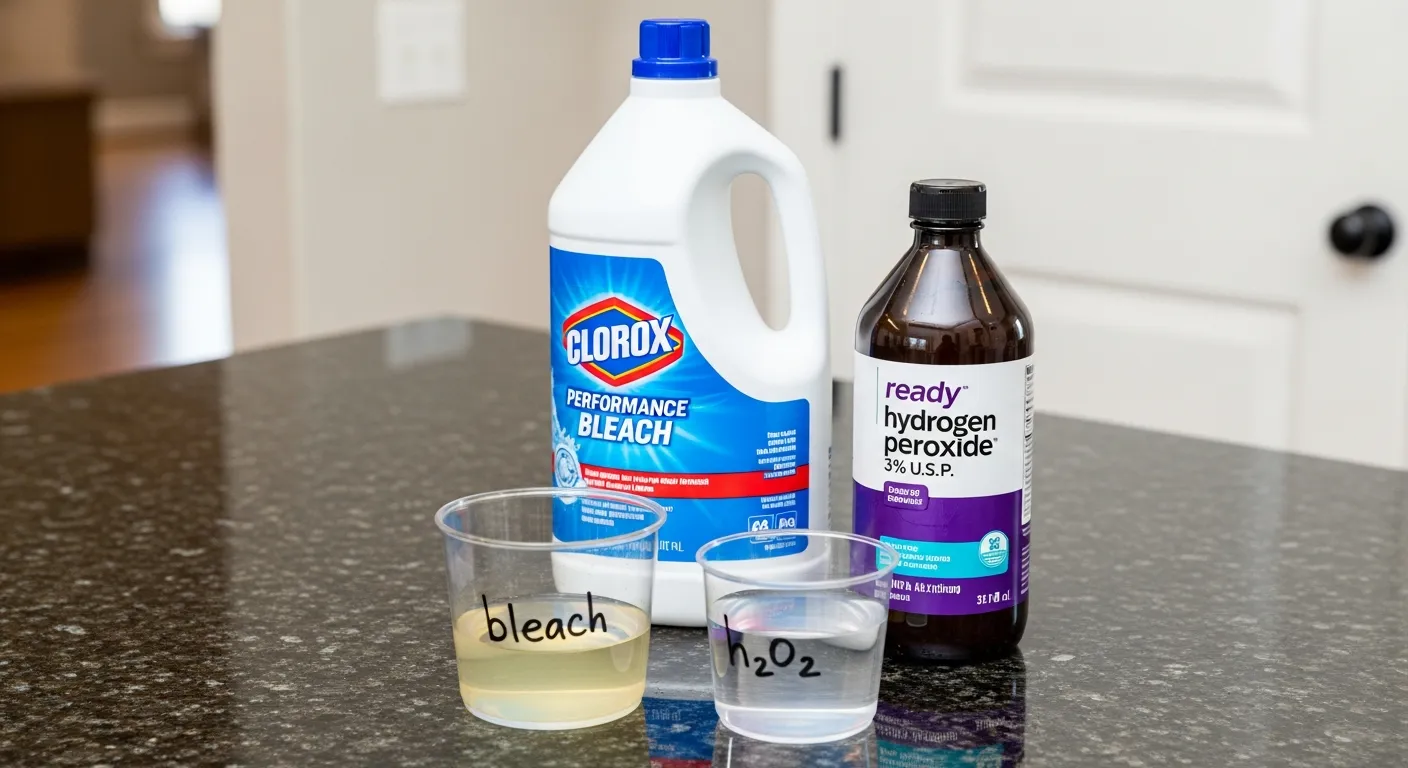
Cleaning is undoubtedly a tedious task, but it gives a sense of contentment because a clean home is what all of us want. However, the real challenge lies in identifying the right cleaning solution because the wrong combination of cleaning solutions may be hazardous. For example, if you use bleach for cleaning and want to mix other chemicals like vinegar or hydrogen peroxide, consider all the pros and cons before using it. This is because one chemical reacts distinctively with another chemical. In this blog, we mainly focus on the pros and cons of mixing bleach and hydrogen peroxide.
Know More About Mixing Cleaning Products
In order to maintain a clean and safe home, many homeowners disinfect surfaces to keep germs and viruses away. However, the confusion arises when it comes to finding the right cleaner or disinfectant. Many homeowners, based on their experience, suggest mixing household cleaners to make an effective disinfectant.
However, the challenge is that some of the cleaning products, when mixed, can be dangerous and may emit harmful chemicals. One such combination is bleach and hydrogen peroxide, which can cause more harm than good.
Is It Safe to Mix Bleach and Hydrogen Peroxide for Cleaning?
Different people have different opinions and experiences on mixing bleach and hydrogen peroxide for cleaning floors and surfaces. However, the fact is that mixing both is harmful. Here are the disadvantages:
Disadvantages
Mixing bleach with hydrogen peroxide is not recommended due to the following reasons:
Releases Toxic Gas- When bleach and hydrogen peroxide are mixed together, they can violently release oxygen, resulting in a sort of explosion. This reaction produces a significant amount of heat and gas as it’s an exothermic reaction.
Harmful for Health- When bleach and hydrogen peroxide are mixed, toxic gases are produced, which could be harmful when inhaled. It can cause coughing, shortness of breath, respiratory irritation, chest pain, pneumonia, and even fluid in the lungs.
Risk of Chemical Burn- There’s a high risk of chemical burn when mixing bleach and hydrogen peroxide. The reaction can cause skin and eye irritation.
| Some Tips | It is highly recommended not to mix bleach and hydrogen peroxide, but to use them separately. |
You may notice that hydrogen peroxide cleaner bottles say “DO NOT MIX WITH BLEACH”.
What Happens When Bleach is Mixed With Other Common Products?
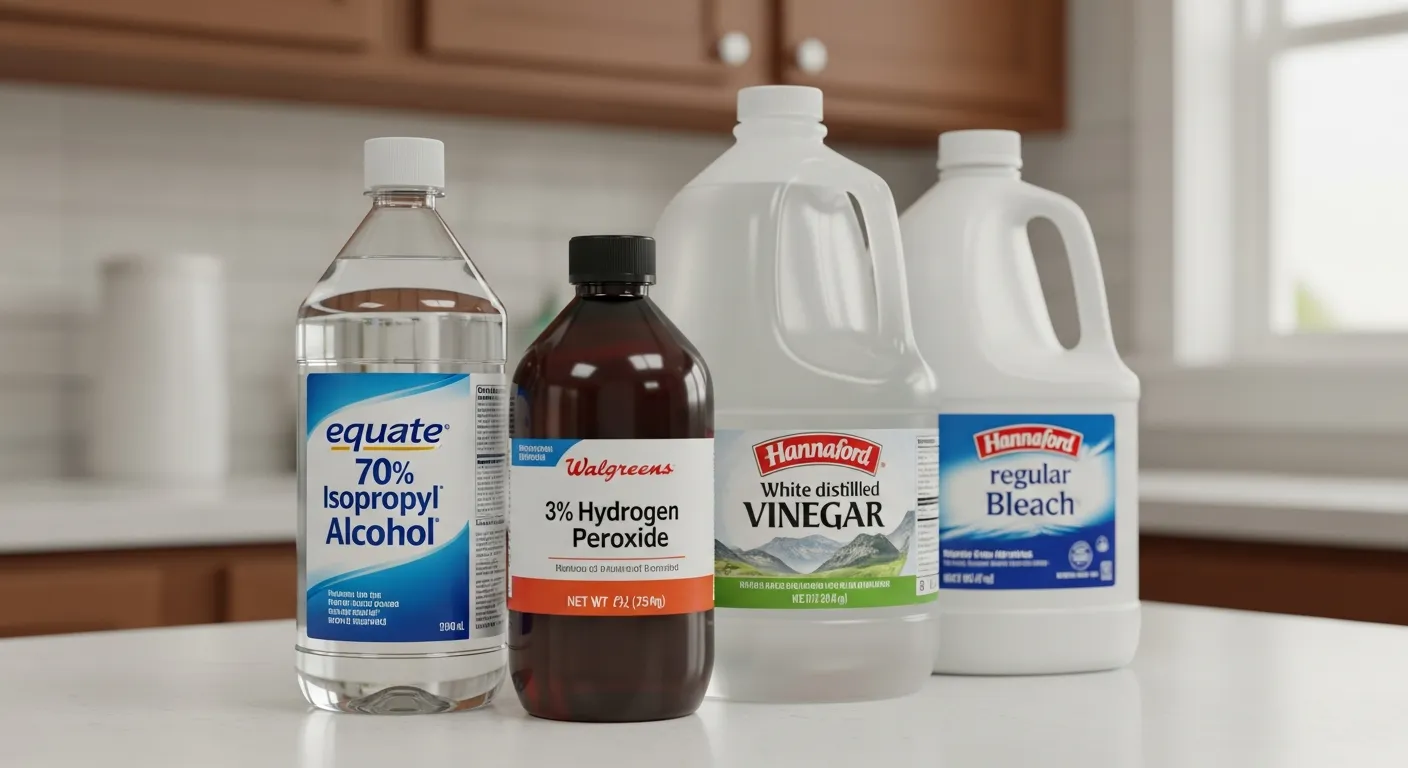
Bleach is harmful when mixed with hydrogen peroxide, but bleach can be equally dangerous when mixed with other cleaners. Here is the list of other products that are also harmful when mixed with bleach:
Ammonia- Mixing bleach and ammonia releases toxic gases that can damage lungs and burn the throat.
Vinegar- The mixture releases harmful vapors that can burn eyes and lungs.
Isopropyl Alcohol(Rubbing Alcohol)- The combination of bleach and rubbing alcohol forms chloroform, which can cause dizziness, nausea, headache, and even unconsciousness.
Mildew Stain Remover- It releases chlorine gas that can cause irritation in the eyes, nose, throat, and lungs.
Toilet Bowl Cleaner- Bleach, when used with toilet bowl cleaner, can give off toxic fumes, a burning throat, and lungs.
Oven Cleaner- Oven cleaner, when mixed with bleach, can release chlorine gas, resulting in irritation to the eyes, nose, and respiratory system.
Lemon Juice- Lemon juice has a natural acid, so when it is mixed with bleach, it releases chlorine gas.
Drain Cleaner- The chlorine gas released when bleach is mixed with drain cleaner is harmful and can cause prolonged health issues.
Things You Should Never Clean Using Hydrogen Peroxide
- Hardwood Floors- When hardwood floors are cleaned with hydrogen peroxide, it leaves behind a mark on the floor that can’t be removed.
- Colored Fabrics- Hydrogen peroxide contains mild bleach, so it should not be used on colored fabrics or even on upholstery. This is to avoid fading and discoloration.
- Natural Stone Surfaces- Due to the porous nature of the natural stone surfaces like granite, marble, and quartz, hydrogen peroxide will react with the stone and leave behind blemished and burn marks.
- Wooden Furniture- It’s recommended to avoid the use of hydrogen peroxide on wood furniture because it can discolor the surface and can leave light pale marks. In fact, the surface gets more prone to scratches after using hydrogen peroxide.
- Stainless Steel Surfaces- Hydrogen peroxide, when used on stainless steel appliances, breaks down the protective coat from the surface, leading to rust.
- Electronic Devices- The metal and plastic components of the electronic devices, like keyboards and screens, can get damaged when cleaned with hydrogen peroxide. It can also cause rust and cracks.
Conclusion
Mixing bleach and hydrogen peroxide is not recommended because it poses a risk of chemical burn to the eyes and skin and releases harmful gases that could be dangerous for human health. However, both can be used separately.