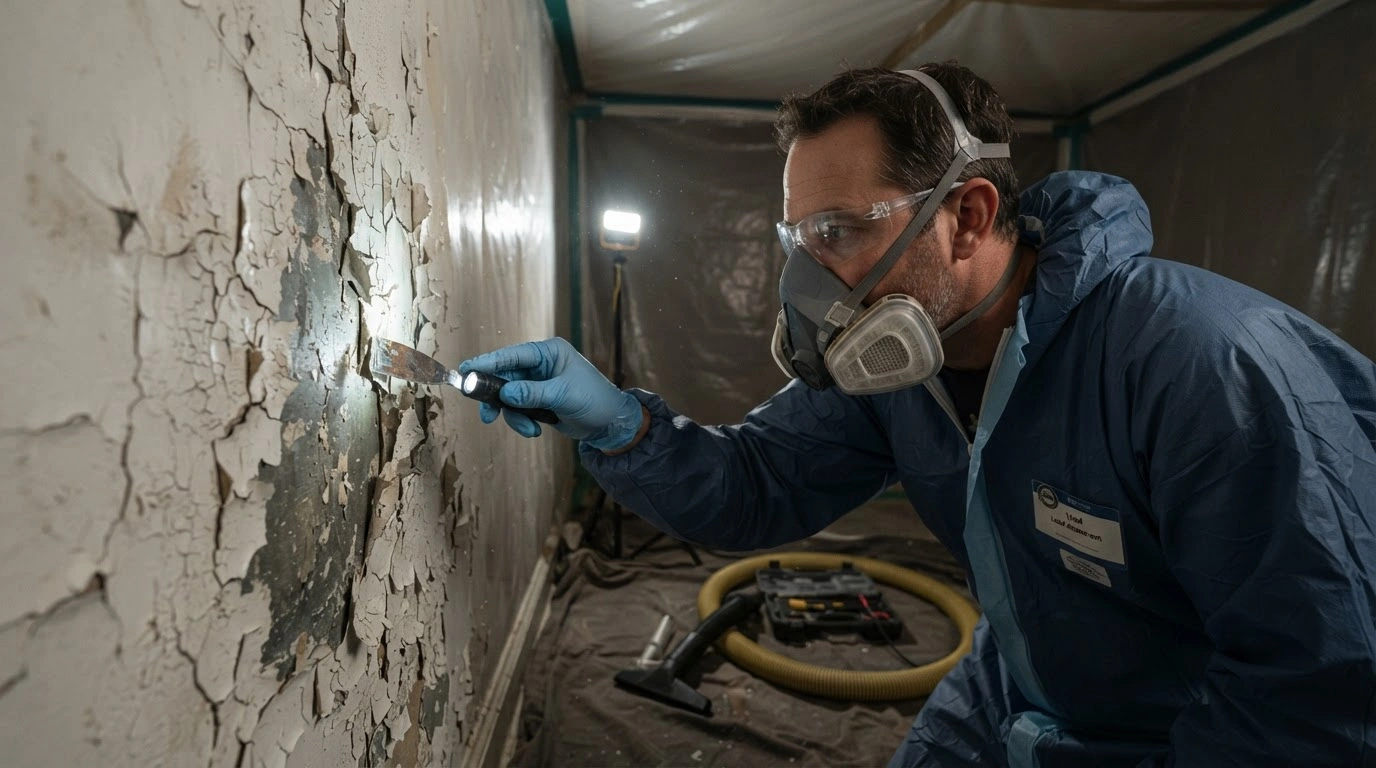
Lead paint remains a serious concern in older residential and commercial properties, particularly buildings constructed before 1978. For contractors working on renovations, repairs, or remodeling projects, understanding lead paint safety is essential for protecting workers, occupants, and surrounding communities. Even experienced professionals can make mistakes that increase project costs, create health hazards, and cause unnecessary delays. Recognizing these common errors can help contractors maintain safer worksites and improve project efficiency.A
Failing to Identify Lead Paint Before Starting Work
One of the most common mistakes contractors make is beginning renovations without determining whether lead paint may be present. Older buildings can contain layers of lead-based paint beneath newer coatings, making visual identification unreliable. Disturbing these surfaces without appropriate precautions can release hazardous dust. Contractors should evaluate the property's age, arrange testing when appropriate, and follow applicable lead paint regulations before beginning work. Early identification supports better planning and reduces unexpected complications.
Overlooking Proper Lead Safety Training
Contractors sometimes underestimate the importance of specialized training when handling potentially hazardous materials. Without adequate knowledge, workers may unknowingly use unsafe renovation techniques or overlook important containment procedures. Lead safety training helps professionals understand exposure risks, protective practices, and applicable regulatory requirements. Maintaining appropriate certifications and keeping workers informed about safe procedures can improve workplace safety and help businesses meet compliance responsibilities.
Using Improper Dust Containment Methods
Renovation activities such as sanding, scraping, and demolition can generate contaminated dust that spreads beyond the immediate work area. Inadequate containment may expose occupants and workers while increasing cleanup expenses. Contractors should set up appropriate barriers, protect nearby surfaces, and use suitable dust-control equipment. Proper containment helps prevent contamination from spreading throughout the property and supports a more controlled renovation environment.
Neglecting Personal Protective Equipment
Another costly mistake involves failing to provide or properly use personal protective equipment. Depending on the work and exposure assessment, appropriate protection may include respirators, protective clothing, and gloves. Equipment must be selected, maintained, and used according to applicable safety requirements. Contractors should also establish hygiene procedures that reduce the possibility of carrying contaminated dust into vehicles, homes, or other work areas.
Choosing Unsafe Paint Removal Techniques
Certain paint removal methods can generate substantial amounts of hazardous dust or fumes. Contractors who prioritize speed over safety may create unnecessary exposure risks. Selecting appropriate removal techniques and using equipment designed to control dust can significantly improve worksite conditions. Understanding which practices are restricted or prohibited under applicable regulations is especially important when renovating older properties.
Skipping Thorough Cleanup Procedures
Incomplete cleanup can leave contaminated dust on floors, windowsills, and surrounding surfaces. Even when renovation work appears finished, residual particles may remain. Contractors should follow appropriate cleaning procedures, use suitable HEPA vacuum equipment, and complete required cleaning verification or clearance activities. Effective lead dust cleanup helps protect occupants and reduces the likelihood of additional corrective work.
Ignoring Documentation and Compliance Requirements
Poor recordkeeping can complicate inspections, property transactions, or regulatory reviews. Contractors should maintain relevant training records, testing documentation, project information, and required compliance materials. Organized records demonstrate responsible work practices and help businesses manage future projects more efficiently.
Avoiding costly lead paint mistakes requires proper preparation, professional training, effective containment, and consistent attention to safety. Contractors who prioritize lead-safe renovation practices can reduce unnecessary expenses while protecting workers and property occupants. For professionals looking to strengthen their knowledge of lead paint safety and compliance requirements, visit Lead Classes to explore training opportunities designed to support safer renovation practices. By identifying potential hazards early, maintaining appropriate certifications, and following established safety procedures, contractors can improve project efficiency, build customer trust, and create safer working environments.