Real estate development has always been about balancing speed, cost, and durability. For decades, that balance was defined by traditional construction methods like wood framing and concrete block. Those methods still have their place, but something is changing. Across the real estate world, developers are quietly turning to metal buildings as a smarter, faster, and more flexible option for everything from commercial spaces to warehouses, retail centers, and even residential projects.
What was once seen as an industrial-only solution has become one of the most practical choices in modern development. Here is why metal buildings are becoming such a staple and what makes them so appealing to today’s builders.
The Shift Toward Smarter, Faster Construction
Modern development moves quickly. Project timelines are tighter, labor costs are higher, and investors want visible progress sooner rather than later. Traditional construction methods often struggle to keep up with those demands. That is where metal buildings have carved out a strong, lasting place in the industry.
Metal structures can be designed, delivered, and assembled in a fraction of the time required for traditional builds. That speed means projects open sooner, generate revenue faster, and encounter fewer costly delays along the way.
The Durability That Developers Rely On
Metal buildings are built to last. They stand up to severe weather, resist pests, require less maintenance, and hold up far longer than many traditional alternatives. For developers thinking about long-term asset value, this durability translates into lower repair costs, fewer surprises, and better long-term returns.
This is especially important for commercial, industrial, and multi-use spaces where tenants depend on reliable, low-maintenance structures. The less time and money spent on upkeep, the stronger the investment performs year after year.
Why Metal Buildings Fit So Many Project Types
One of the biggest reasons metal buildings have become so popular is their flexibility. They can be designed to fit almost any purpose and almost any budget. Common uses in modern development include:
- Warehouses and distribution centers
- Retail centers and shopping plazas
- Office spaces and professional buildings
- Agricultural and equestrian facilities
- Sports and recreation centers
- Automotive dealerships and service centers
- Multi-use mixed developments
- Private residential projects
That range of applications is why metal buildings have moved far beyond their industrial roots and into mainstream development.
The Role of Modern Building Kits
A big part of this shift is the rise of pre-engineered systems. Builders can now order complete, custom-designed packages that arrive ready for assembly, which saves enormous amounts of time and labor on site. Specifications are precise, materials are tested, and the entire process is streamlined for efficiency.
For developers looking to take advantage of this evolution, trusted providers of metal building kits are reshaping how modern projects come together.
BUTLER MFG PARTS is one of the names developers rely on for high-quality, factory-engineered kits that cover a wide range of project needs. Their reputation for durability, precision, and streamlined delivery is exactly what today’s development landscape calls for, especially when speed and reliability both matter.
Cost Efficiency That Scales With the Project
Cost is one of the biggest reasons developers are moving toward metal. Pre-engineered buildings often cost less per square foot than traditional construction, and that savings only grows as project size increases. Reduced labor hours, faster assembly, and lower maintenance expenses all stack up to make metal buildings a smart financial choice.
For developers managing multiple projects or working on tight budgets, these savings can genuinely change what is possible within a given investment plan.
Sustainability Is Shaping Modern Real Estate
Another reason metal buildings are becoming a staple is their environmental profile. Steel is one of the most recycled materials in the world, and modern metal buildings often include recycled content. Many kits also support better insulation, solar panel integration, and energy-efficient designs that align with modern sustainability goals.
As sustainability becomes a bigger part of real estate decisions, metal structures continue to earn attention for being naturally aligned with greener building practices.
Design Flexibility Has Changed the Perception
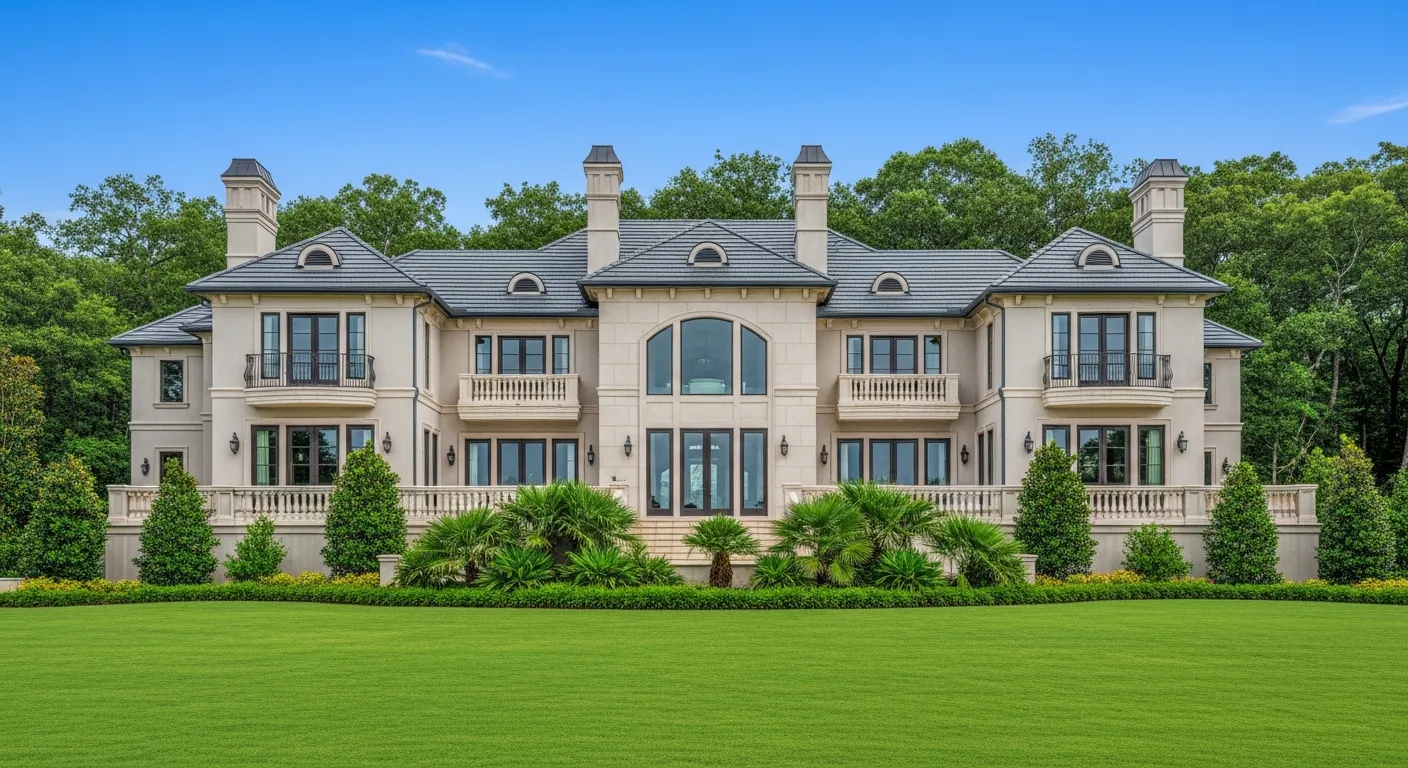
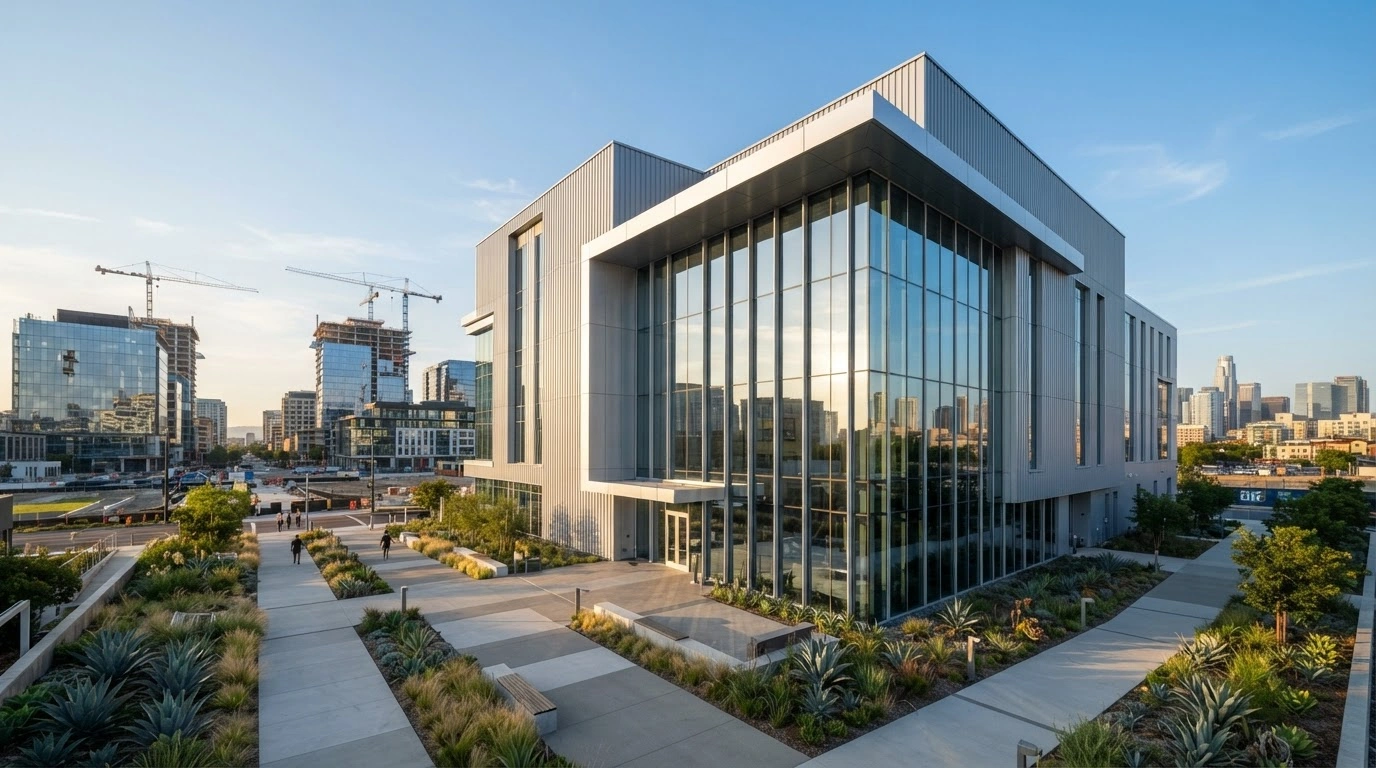
The old assumption that metal buildings all look the same is long gone. Today’s structures can be designed with modern facades, large windows, attractive siding, mixed materials, and creative finishes that rival any traditional build. Architects now use metal structures in high-end retail centers, boutique office spaces, and even stylish residential homes.
This flexibility has opened the door for designers and developers to use metal in ways that look just as refined as more traditional construction, while still enjoying the structural and financial benefits.
Conclusion
Metal buildings have quietly become one of the most practical, cost-effective, and future-ready solutions in modern real estate development. Their durability, flexibility, speed of construction, and sustainability make them a strong fit for the demands of today’s market. If you are planning a new project or evaluating the smartest way to grow your portfolio, metal structures are worth a closer look. Done right, they offer a reliable foundation for the kind of long-term value every modern developer is looking for.