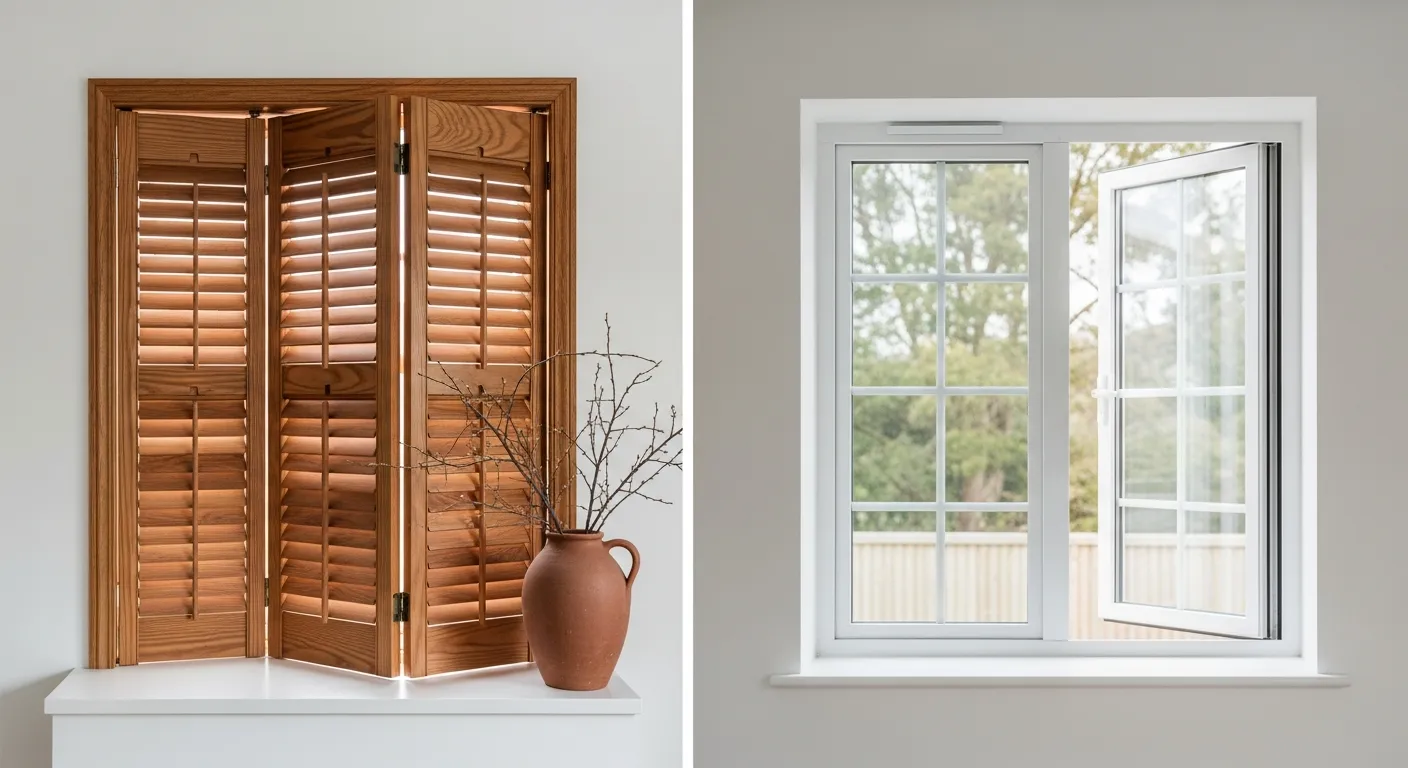
Whether you are upgrading an old window or installing a new window in a newly constructed home, the choice of window material is highly important. This is because windows affect the home’s efficiency, which, in turn, affects energy bills. Among the various window materials on the market, vinyl and wood are among the most preferred due to their distinct features. This blog discusses vinyl and wood windows in detail, including their pros and cons, to help you choose the best window material for your home.
What Are Vinyl Windows?
A vinyl window refers to a window frame made of a man-made material known as PVC (polyvinyl chloride), commonly called vinyl. In the past, vinyl windows had limited colors and finishes, but now there are ample color options, giving you more to choose from.
Pros and Cons of Vinyl Windows
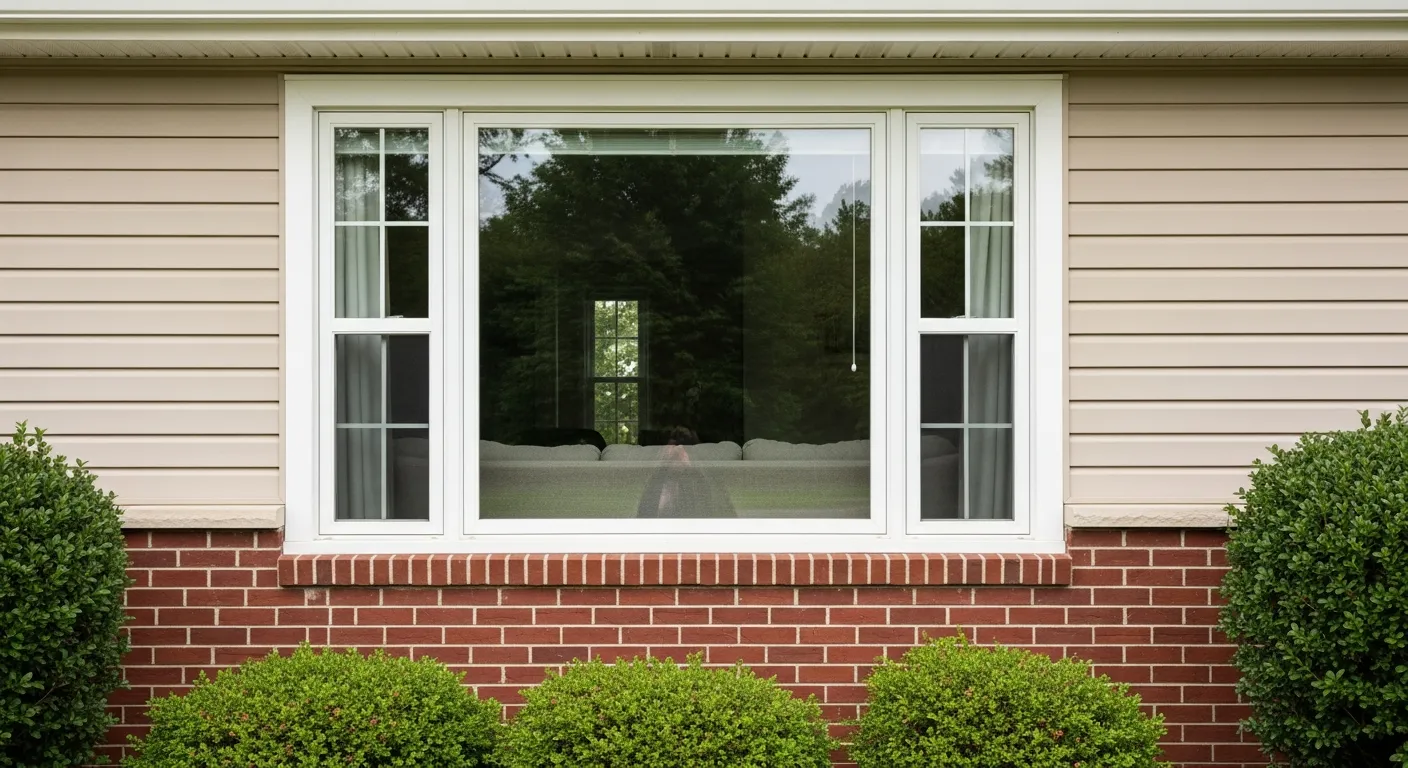
Though vinyl is durable, affordable, low-maintenance, and made of high-quality PVC, it has some shortcomings, as discussed below.
Pros of Vinyl Windows
Resistant to Water and Rot: Vinyl windows are resistant to water and rot, and it’s durable and low-maintenance, which makes them a popular choice among homeowners.
Less Expensive: It is 15% less expensive than wood windows.
Available in Various Colors and Styles: One of the interesting advantages of vinyl windows is that it is available in different colors and styles and can even mimic the appearance of wood windows.
No Repainting or Staining Needed: Vinyl windows don’t need repainting to retain their look and even function.
High Energy Efficiency: If you prefer high-quality material for your home, vinyl is the best material for windows.
Add Value to Your Home: The biggest advantage of vinyl windows is their high ROI (return on investment) of around 68%, which is much higher than that of wood windows.
Cons of Vinyl Windows
Though there are no significant cons of vinyl windows, low-quality manufacturing can be an issue; therefore, it’s recommended to choose a high-quality home improvement company.
What Are Wood Windows?
Wood windows are frames made from wood like pine, mahogany, and Douglas Fir. The wooden frames are painted or stained, while the outside part is sealed with aluminum, PVC, or fiberglass.
Pros and Cons of Wood Windows
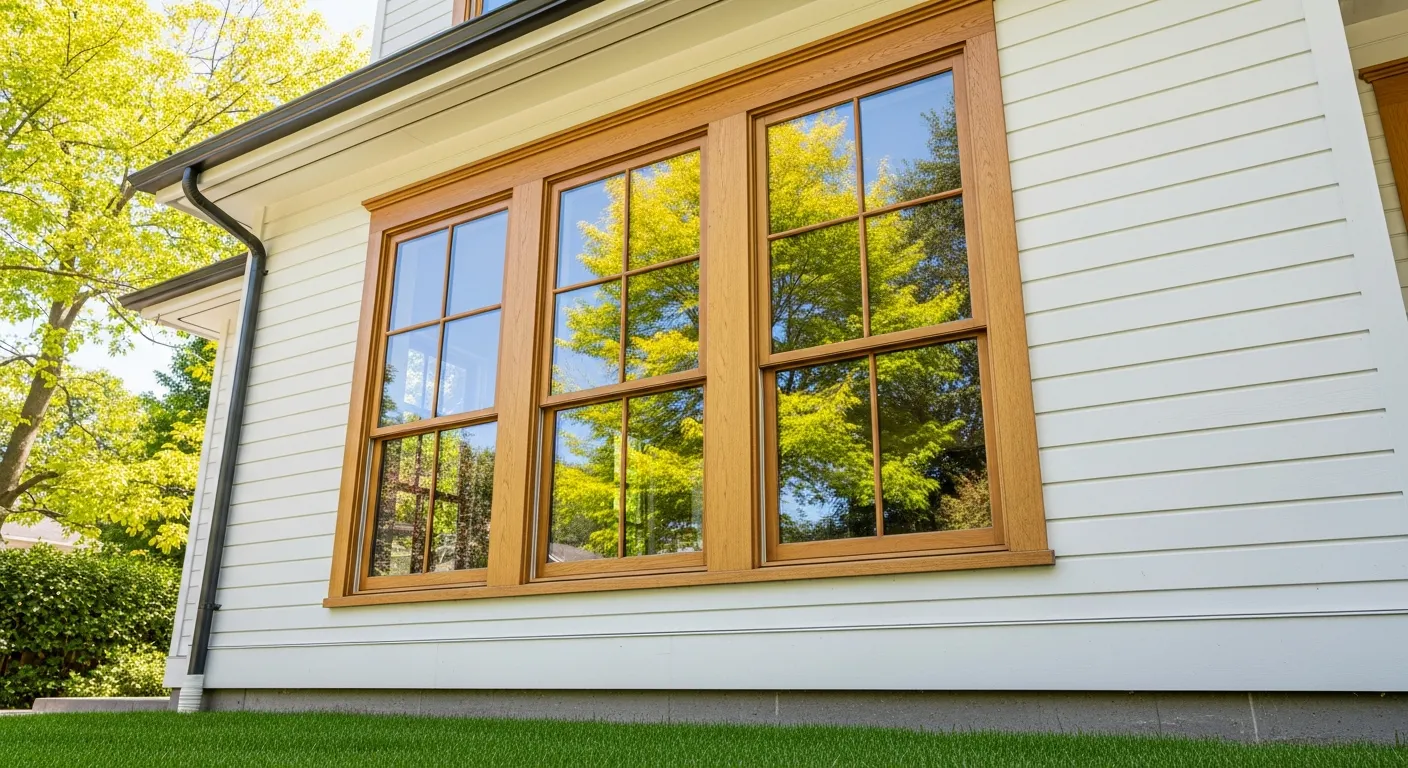
Just like any other material, wood has some pros and cons. Here is the list of pros and cons.
Pros of Wood Windows
Excellent Insulation: Wood is a natural insulator, so it protects the interior space from extreme cold and warm weather, maintaining a comfortable temperature. As a result, the energy cost also goes down.
Aesthetics: The natural, beautiful appearance of wood attracts many homeowners. Even if other materials try to mimic the look of wood, its natural look is unmatched.
Improves the Home’s Sale Value: Upgrading your windows to wood can add more value to the home, helping you fetch the best sale price in the market.
Reduces Noise: Wood acts as a barrier, keeping noise away from the home. Even in a busy area, wood windows can be highly effective at reducing noise.
Sustainable Material: Wood is a renewable resource; hence, it’s good for the environment and considered a sustainable material.
Cons of Wood Windows
Higher Upfront Cost: purchasing wood frames costs more than vinyl. However, the value it adds offsets the upfront cost in the future.
High Maintenance: Wood is prone to rot, so regular painting and sealing are essential.
What is the Cost of Vinyl and Wood Windows?
The material cost of a 48-inch vinyl sash window ranges from $520 to $730 per window, and when the $250 installation cost is added, the total cost ranges from $770 to $980. On the other hand, the material cost of a 48-inch wood sash window ranges between $750 to $900 per window. When the installation cost of around $300 is added to the material cost, the total cost ranges between $1050 to $1200.
Vinyl vs Wood Windows in a Nutshell
| Criteria | Wood | Vinyl |
| Resistance to water and rot. | It is prone to rot. | It is resistant to rot. |
| Upfront cost. | It cost more than vinyl. | It is less expensive and costs 15% less than wood. |
| Repainting or staining requirement. | It need regular repainting and staining to avoid rot. | It don’t require repainting and staining. |
| Sustainability | Wood is a sustainable material. | Vinyl is not a sustainable window material. |
| Maintenance | It need high maintenance. | It is low maintenance. |
Can Vinyl and Wood Windows Be Installed via DIY?
Installing vinyl windows can be a DIY project, as they are lightweight, but only if you have prior experience and are confident you can accomplish the task.
In the case of installing wood windows, DIY can be a little challenging owing to their weight and the precision required. You will need more than one hand to complete the installation. Any flaw in installation may result in a leak and the hassle of heavy repair in the future.
What Type of Window Should You Buy?
The choice of window material depends on your preferences and other factors, such as your budget. If you have a fixed budget, go for vinyl windows. Whereas if budget is not an issue but durability and high resale value are the priorities, go for wood windows. If, despite all your effort, you are still confused about your choice, seek help from a product specialist who can guide you.
Conclusion
Considering the pros and cons of wood and vinyl windows, you can choose either based on your priorities. If you want a budget-friendly option and can compromise on sustainability, go for vinyl. Whereas, if sustainability is your priority and an even higher cost suits you, nothing can beat the appearance of wood. Compare both options on varied parameters and conclude.