Quieter residential areas offer breathing room from traffic, crowded pavements and the constant background hum of busy neighbourhoods. For many households, that calm supports better sleep, more time outdoors and a home life that feels easier to manage. Yet peaceful living still needs to work in practical terms. The right setting combines a slower pace with comfortable rooms, useful local services and realistic travel times for work, school and everyday errands.
The Craving for Slower Living
Slow living encourages people to pay closer attention to ordinary routines, from preparing breakfast without rushing to spending an evening reading. Bringing slow living into the home can make everyday spaces feel calmer and more intentional.
Start by identifying the noise and obligations that drain your energy. A crowded commute, limited outdoor space or constant through-traffic may be shaping your days more than you realise. A quieter location can give those hours back, especially when daily destinations remain within a sensible drive.
Designing Homes for Restful Routines
A restful home needs a layout that supports the way you live. Bedrooms positioned away from busy communal spaces can feel more private, while an open kitchen and dining area makes family meals easier to organise. Natural light, practical storage and a comfortable route to the garden also reduce small daily frustrations.
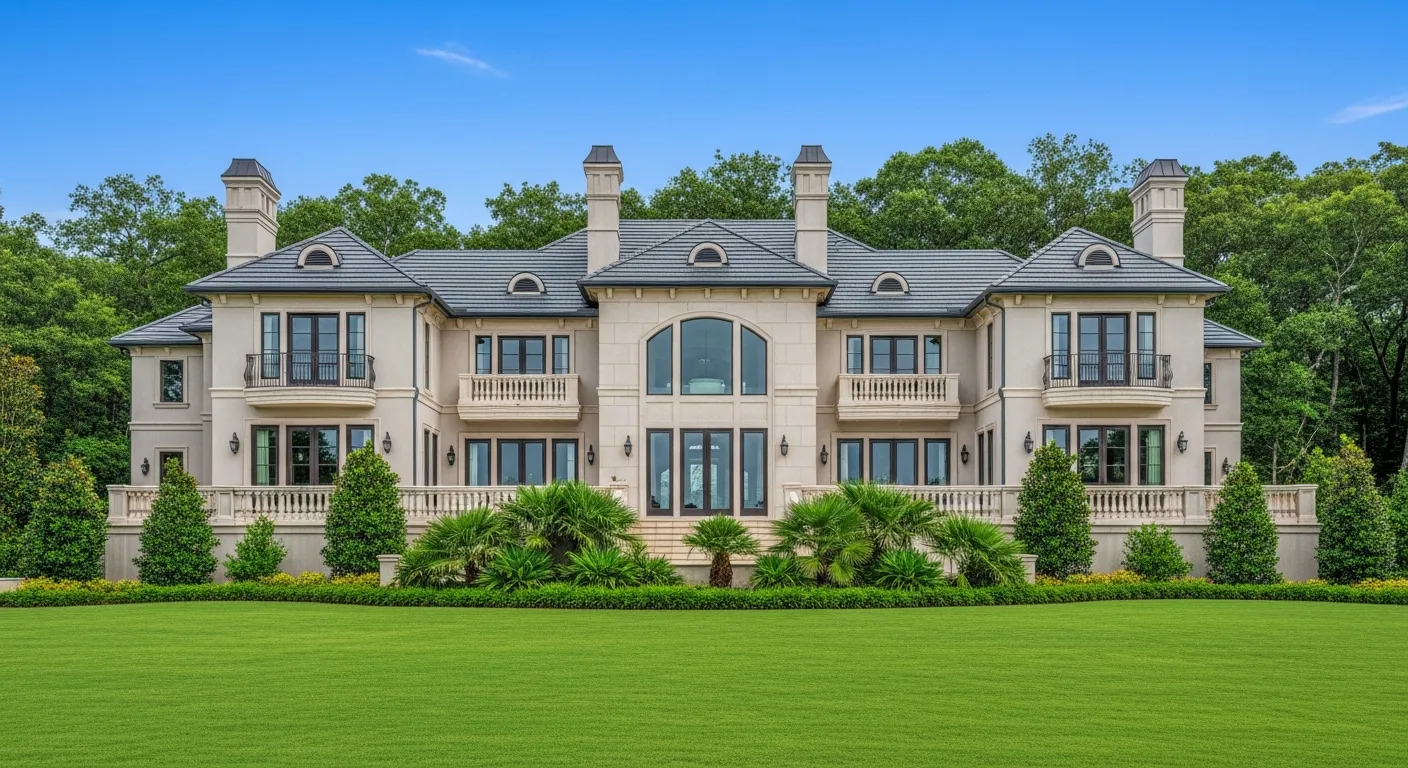
A home that feels calm, comfortable and connected to nature often combines useful layouts with daylight, quiet corners and easy access to outdoor space.
Picture a normal Tuesday morning when comparing properties. Check where coats will go, how groceries travel from the car to the kitchen and whether someone can work quietly while others relax nearby. These details often matter more than decorative trends once you move in.
Balancing Seclusion With Accessibility
Complete isolation rarely suits a busy household. A peaceful address works best when supermarkets, schools, healthcare services and employment centres remain accessible. Before committing to an area, test common routes at the times you would actually use them. A 20-minute drive on Sunday afternoon could take much longer during a weekday rush.
Create a simple travel checklist covering work, school, shopping and social visits. Note the distance to each destination, road conditions and any alternative routes. If you work from home, check broadband options and mobile reception at the property itself. Reliable connections allow you to enjoy rural calm without turning routine appointments or errands into all-day tasks.
Exploring Developments in Scenic Settings
A scenic outlook can shape how a neighbourhood feels, but the wider community deserves equal attention. When comparing new homes available in a quieter setting, look beyond the individual property and consider surrounding roads, shared spaces, future building phases and access to everyday services.
Visit more than once and spend time walking the nearby streets. Listen for traffic, observe how homes are positioned and look at the maintenance of shared areas. Ask what future building phases are planned, as an open field may not remain open indefinitely.
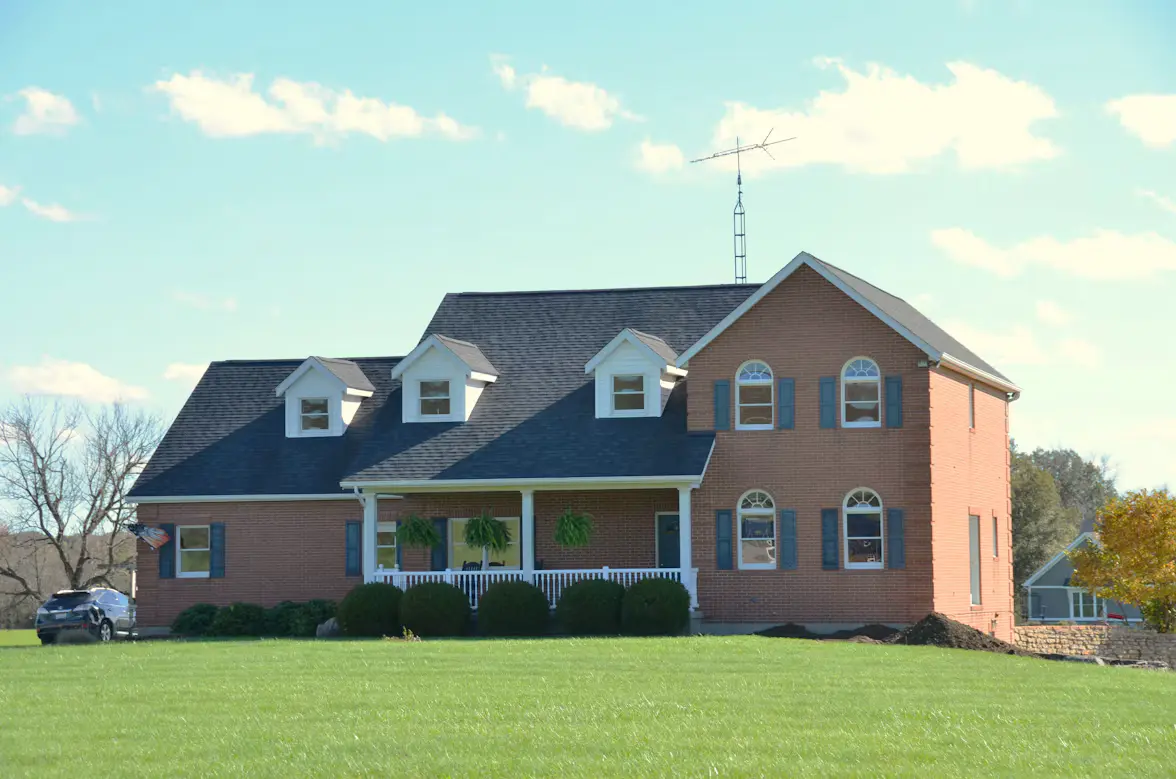
A quiet home life is often shaped by simple routines and everyday comforts rather than dramatic lifestyle changes. When viewing a development, imagine those details in context, such as morning light at the breakfast table or an evening walk close to home.
Prioritise Outdoor Garden Relaxation
A garden adds another living area, even if the plot is compact. Think in practical zones: a shaded chair for reading, a clear patch for children to play and a small table near the kitchen. Native plants suited to local conditions can reduce watering and maintenance, leaving more time to enjoy the space.
Privacy matters too. Check sightlines from neighbouring windows and consider layered planting, fencing or a pergola where local rules permit. Notice where the sun falls at breakfast and in the early evening, since this will influence where seating feels comfortable. A well-placed bench under afternoon shade may become the feature you use most, long after the excitement of moving has settled.