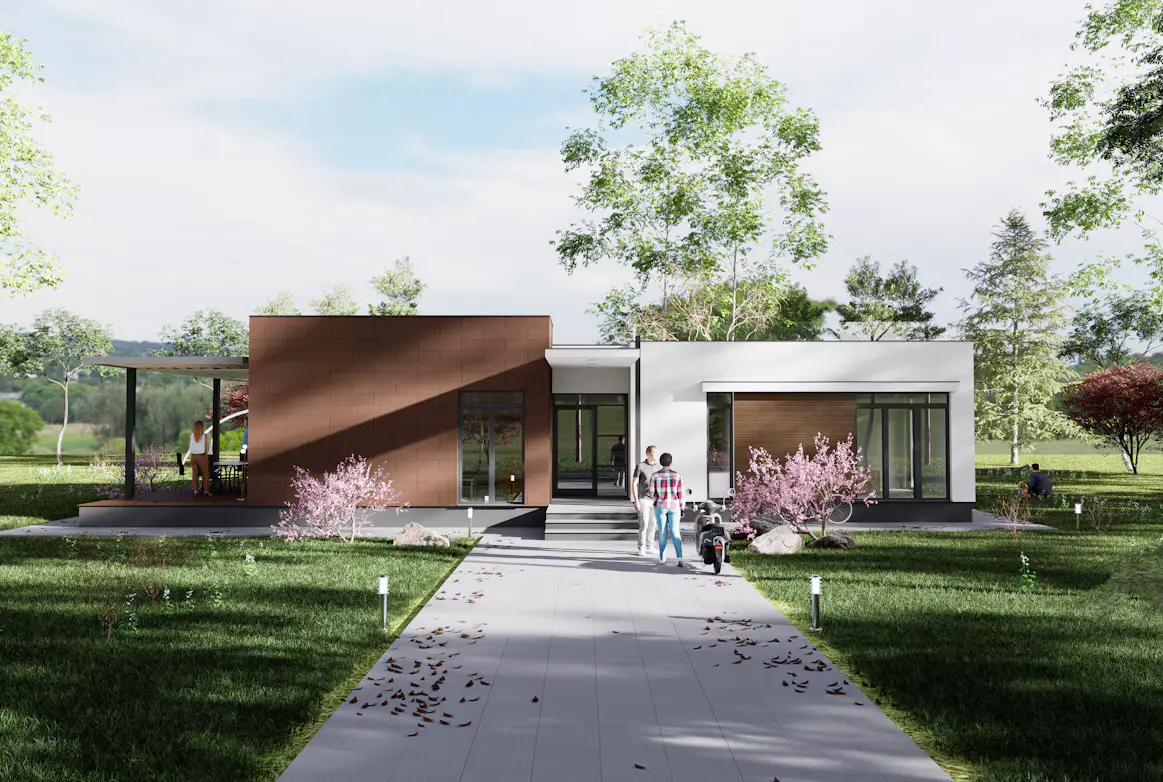
A resilient modern home protects its occupants, reduces disruption and keeps essential systems working when conditions turn difficult. That performance starts long before a storm warning appears. Site design, utility placement, energy systems and durable materials all influence how well a property handles severe weather and everyday wear. If you’re comparing new homes, look beyond finishes and floor plans to examine the features hidden behind the walls, beneath the ground and across the roof.
Building Against Severe Weather
A weather-ready home begins with a connected structural system. The foundation, walls and roof should work together so strong winds and wind-driven rain have fewer opportunities to cause damage. Reinforced roof connections, impact-rated windows, sealed exterior openings and properly installed flashing are practical features to ask about.
The principles of resilient home construction also extend to the lot. Proper grading directs water away from the foundation while stormwater ponds and drainage channels help manage heavy rainfall across a larger development. For more ways to manage runoff and protect your property's foundation, explore southernreside.com. When touring new communities through resources such as babcockranch.com, review both individual home specifications and neighborhood-wide infrastructure. A strong house benefits from roads, drainage systems and shared spaces designed for demanding weather.
Underground Utilities and Storm Safety
Buried electrical and communication lines have less exposure to wind, falling limbs and airborne debris than overhead service lines. They can reduce some common causes of storm-related outages while keeping streets visually uncluttered. Still, underground placement doesn’t guarantee uninterrupted service. Flooding, equipment failures and damage at substations can affect the wider system.
Ask how utility equipment is protected and where transformers, control boxes and drainage structures sit in relation to flood-prone areas. Inside the home, whole-house surge protection can help shield appliances and sensitive electronics when service returns after an interruption.
Storm safety also depends on having a suitable interior space. Identify a room away from windows on the lowest practical floor, then keep flashlights, charging banks, water and basic supplies there. You should be able to reach this location quickly without crossing a garage or exposed outdoor area.
Energy Independence and Backup Systems
Modern resilience often includes several layers of energy support. Rooftop solar panels can produce electricity during daylight hours, but many standard systems shut down when the grid fails. Battery storage and compatible controls are needed if you expect solar power to support the home during an outage.
Before selecting a system, list the circuits that matter most. Refrigeration, lighting, internet equipment, medical devices and a few outlets usually require far less capacity than whole-home cooling. An electrician can calculate the starting and running loads, helping you choose equipment sized for realistic needs.
Energy efficiency stretches backup capacity further. Good insulation, sealed ducts, efficient windows and zoned climate controls slow indoor temperature changes and reduce demand. The residential resiliency guidance from the National Association of Home Builders offers more context on construction practices that help homes withstand hazards and recover faster. Learn more on nahb.org.
Materials That Stand the Test of Time
Durable materials reduce repair needs during ordinary seasons and improve performance during extreme conditions. Fiber-cement siding, masonry exteriors and corrosion-resistant fasteners can handle moisture and sun exposure better than products unsuited to the local climate. Roofing deserves equal attention because installation quality, underlayment and edge protection affect how the entire assembly performs.
Inside, moisture-resistant wall materials and hard-surface flooring can simplify cleanup in utility rooms, entryways and other vulnerable spaces. Closed-cell insulation may offer useful moisture resistance in certain applications, though the correct product depends on the wall or roof assembly.
Request written specifications instead of relying on broad labels such as storm-ready. Check product ratings, warranties and maintenance requirements. A highly rated window can still underperform if it’s installed poorly, while a durable exterior finish may fail early if routine sealing or inspection is ignored.
Resilience becomes easier to judge when you focus on how each feature works as part of the whole property. During a home tour, trace water from the roof to the street, ask which circuits receive backup power and inspect the connections around windows and doors. Those details reveal far more than a polished model home ever could.