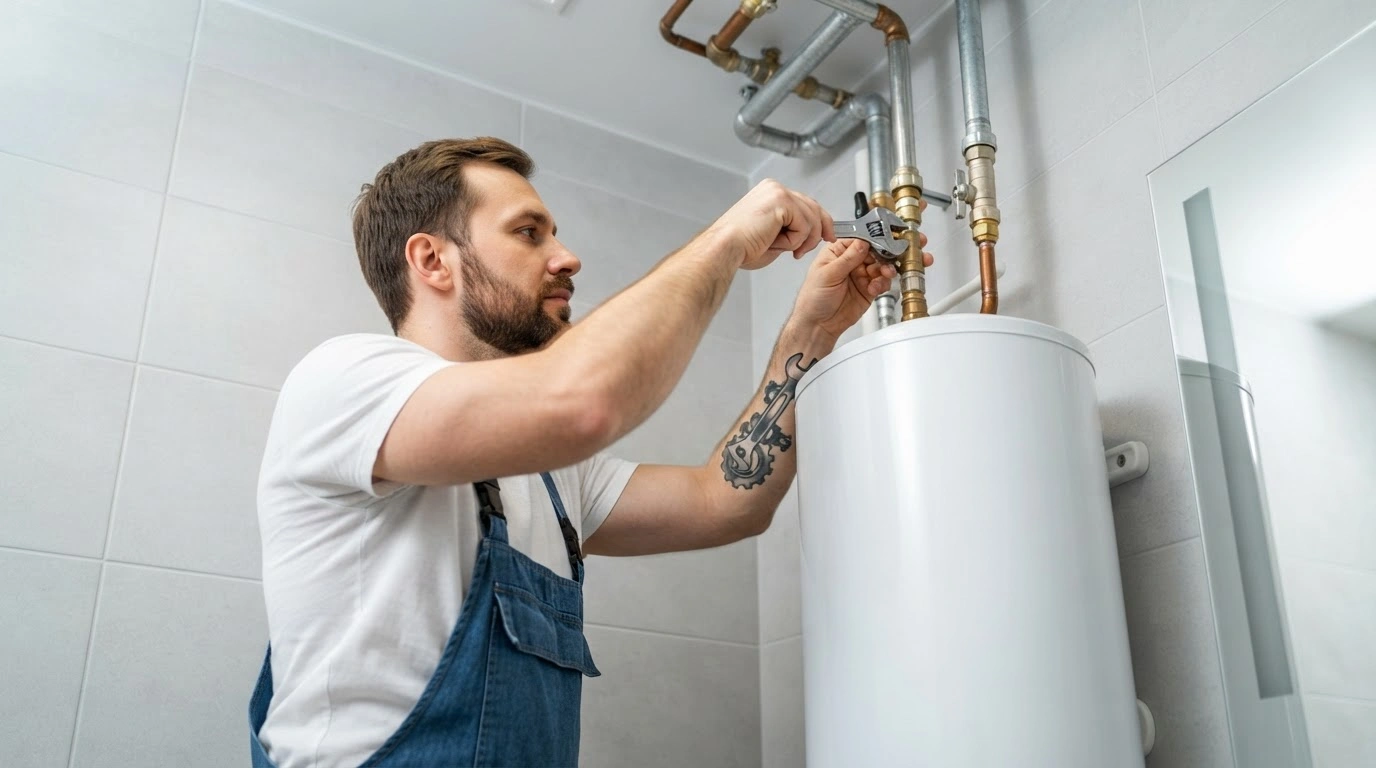
Water pressure can affect how a water heater operates by influencing water flow through the plumbing system and the amount of stress placed on plumbing components. Excessively high pressure can contribute to leaks, damaged fixtures, and premature wear, while unusually low pressure may affect how quickly water reaches faucets and showers.
Understanding the relationship between pressure and the plumbing system can help homeowners identify problems before they become more serious. If you are experiencing water-heating issues or suspect pressure-related plumbing problems, Water Heaters Today LLC provides professional water heater services and can help inspect your system, identify underlying issues, and recommend the right solution for your home.
What Water Pressure Means
Water pressure refers to the force that moves water through a home's plumbing system. Pressure can vary depending on the municipal water supply, elevation, plumbing design, and pressure-regulating equipment. Most residential plumbing systems are designed to operate within a reasonable pressure range. Problems can occur when pressure becomes consistently too high or too low.
High Pressure Can Stress Plumbing Components
Excessive water pressure places additional stress on pipes, valves, faucets, appliances, and connections. A water heater contains several components that must operate safely under pressure. When pressure becomes excessive, it can contribute to leaks or place additional strain on the system.
A pressure-reducing valve may be used in some homes to control incoming water pressure.
The Role of the Temperature and Pressure Relief Valve
Water heaters are equipped with a temperature and pressure relief valve designed to provide protection if temperature or pressure reaches an unsafe level. This valve is an important safety component and should not be blocked, capped, or removed.
If it repeatedly releases water, homeowners should have the system evaluated rather than simply replacing or disabling the valve.
Low Pressure Can Affect Water Flow
Low water pressure may make showers and faucets feel weak. It can also make it harder to use multiple fixtures at the same time. Although low pressure does not necessarily mean the water heater itself is defective, it can affect the overall experience of using hot water.
A plumbing inspection can help determine whether the problem originates with the incoming water supply, piping, valves, or another component.
Sediment and Plumbing Restrictions
Water pressure problems can sometimes exist alongside other plumbing issues. Mineral buildup, sediment, partially closed valves, clogged aerators, or restricted pipes can reduce water flow. In areas with hard water, mineral accumulation may also affect water-heating equipment over time.
Pressure and Water Heater Longevity
Maintaining appropriate water pressure can help reduce unnecessary stress on the home's plumbing system. However, pressure is only one factor affecting water heater performance. Installation quality, water quality, temperature settings, maintenance, age, and the type of water heater can also influence service life.
Signs of a Pressure Problem
Homeowners may notice several warning signs, including:
- Water hammer or banging pipes
- Dripping faucets
- Leaking plumbing connections
- Fluctuating water pressure
- Weak shower flow
- Repeated discharge from the relief valve
- Unusual changes in hot-water performance
These symptoms can have multiple causes, so professional diagnosis may be necessary.
Maintaining the System
Regular plumbing inspections can help identify pressure-related problems before they cause significant damage.
Homeowners should never attempt to disable safety components on a water heater. If pressure appears abnormal or a relief valve repeatedly opens, the system should be inspected by a qualified professional.
Key Takeaways
- Water pressure affects the overall performance of a home's plumbing system.
- Excessive pressure can place additional stress on pipes and water-heating components.
- Low pressure can reduce water flow at faucets and showers.
- The temperature and pressure relief valve is an important water-heater safety device.
- Mineral buildup and plumbing restrictions can also affect water flow.
- Water pressure is only one factor affecting water heater performance and longevity.
- Unusual pressure or repeated relief-valve discharge should be professionally evaluated.