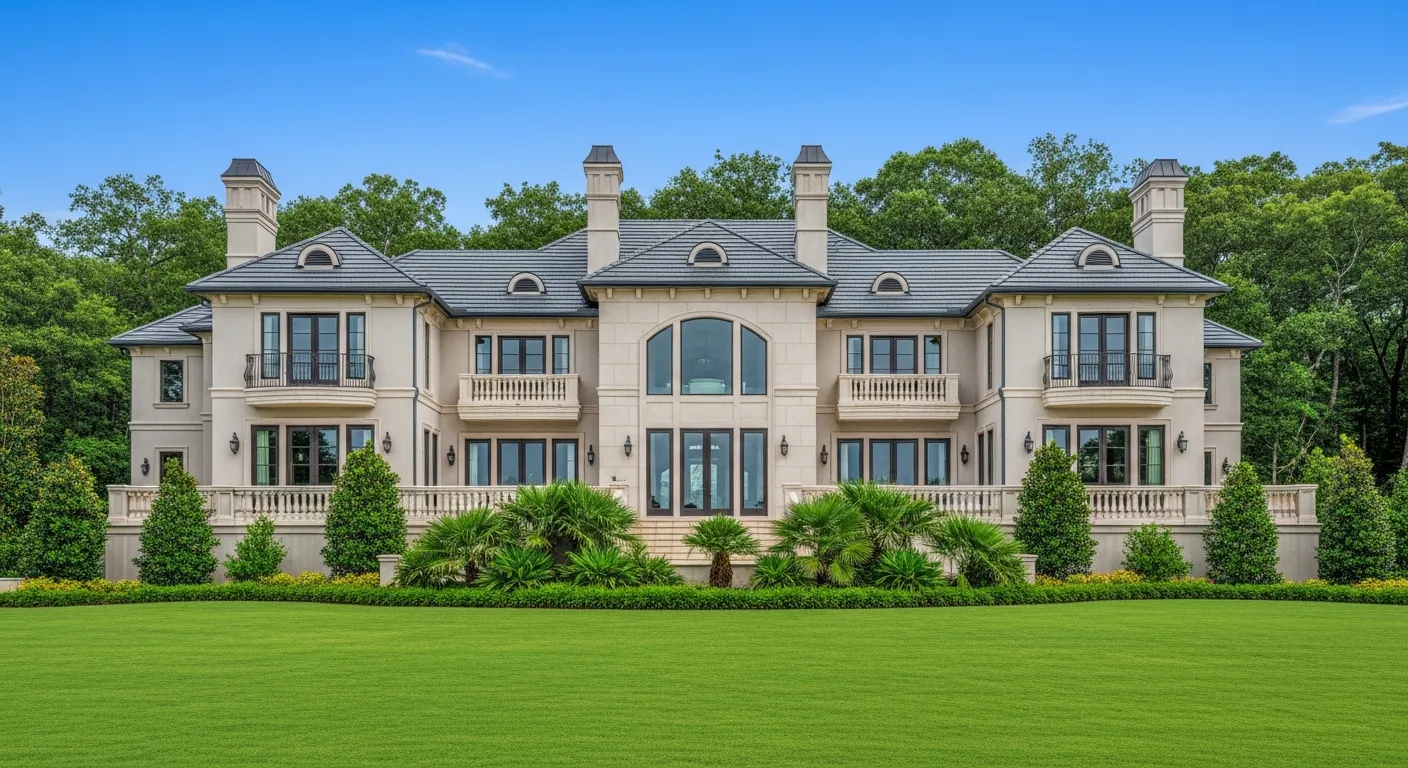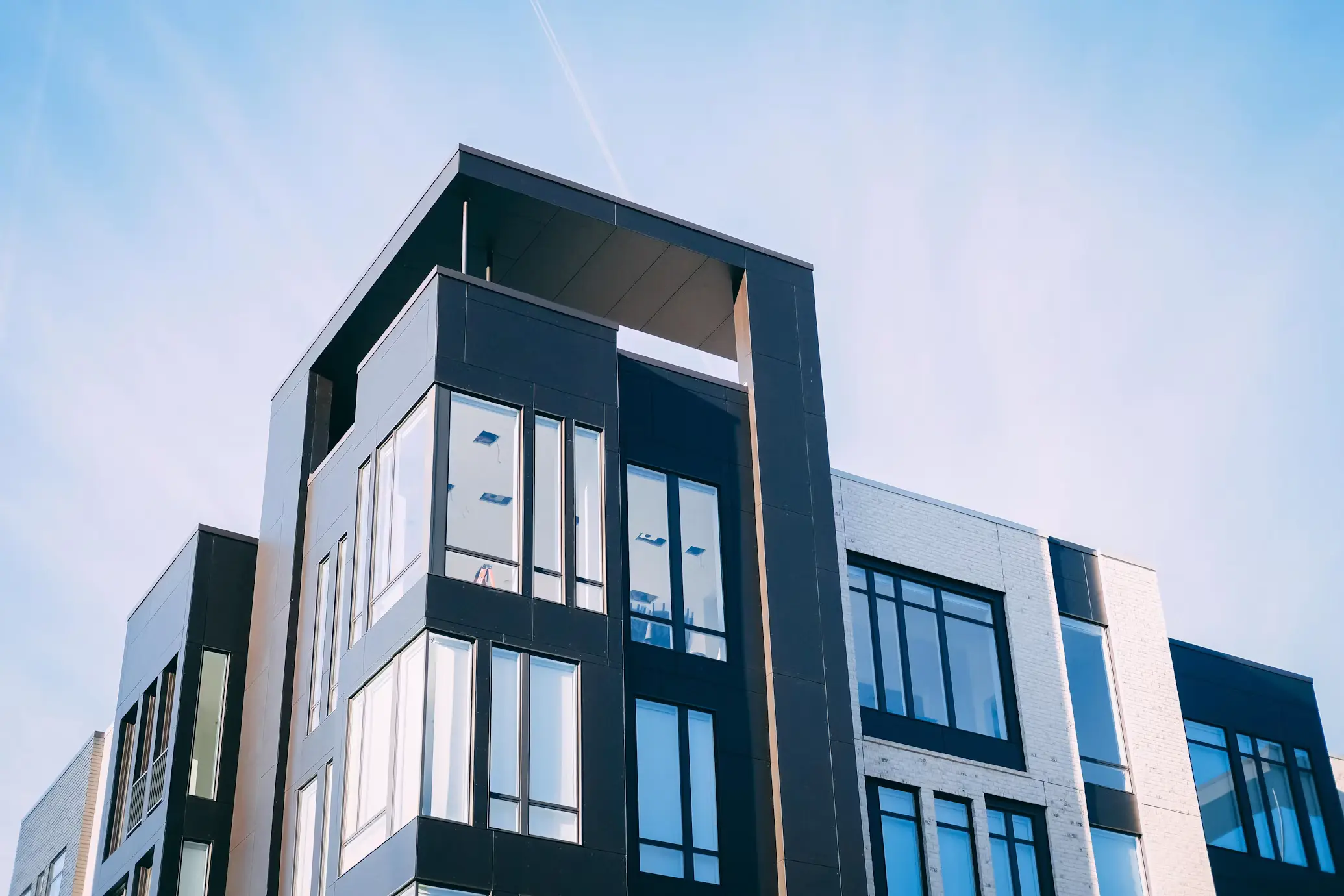
Real estate holds its value when buildings can respond to changing expectations without requiring costly renovations every few years. Location and square footage still matter, but occupants also look closely at connectivity, convenience, energy performance, and the ability to use space in different ways. This shift towards more adaptable and efficient environments highlights the growing importance of intentional design in creating spaces that truly serve modern needs.
Owners and developers can prepare for these demands through practical upgrades that support daily life and reduce operating friction. The greatest improvements solve clear problems, work reliably, and remain useful as technology and occupant preferences evolve.
Evolving Demands of Occupants
Occupants increasingly judge properties by the quality of the full experience. Reliable internet, secure package handling, and comfortable shared areas can influence a leasing decision as much as finishes inside an individual unit. In commercial buildings, tenants may also expect reservable meeting rooms, bicycle facilities, and access systems that accommodate hybrid schedules.
Start by examining recurring requests and complaints. A package room may be a higher priority than an elaborate lounge if deliveries regularly crowd the lobby. In a residential building near public transportation, secure bicycle storage could have more daily value than additional decorative landscaping. These decisions should reflect how people actually use the property.
Mixed-use developments and properties near major transit hubs can extend that thinking to visitors. A building directory might identify nearby mobility services, public facilities, and short-term storage options. For example, travelers passing through a central station can book Radical Storage Amsterdam through a network of local partners when they need secure bag storage between arrival and check-in. This type of neighborhood information helps a property function as part of a wider service network without requiring the owner to operate every amenity directly.
Survey occupants at least once a year and review service data every quarter. Lease renewal comments, maintenance records, and amenity reservations provide a clearer picture than trend reports alone. A heavily used feature deserves continued investment, while an empty room may need a new purpose.
Technology Integration for Value
Property technology should make a building easier to manage and simpler to occupy. Connected thermostats, smart access controls, and water sensors can reduce repetitive work while giving managers earlier notice of developing problems. Coverage of smart home property values also shows why buyers increasingly consider connected features when comparing homes.
Choose systems with a measurable purpose. A water sensor below a washing machine or mechanical connection can flag moisture before it damages flooring and neighboring units. Digital access credentials can remove the expense and delay of replacing physical keys. Occupancy sensors can help managers understand which common areas need cleaning, lighting, or a different layout.
Integration deserves as much attention as the individual devices. Proptech innovation trends span building operations, transaction systems, and occupant services, which creates a risk of fragmented platforms. If each feature requires a separate dashboard, login, and service contract, the building team may spend more time managing technology than benefiting from it.
Before signing a contract, ask who owns the collected data, how software updates are handled, and what happens if the vendor closes. Buildings should also retain manual controls for essential functions. A resident must still be able to enter the property during a network outage, and maintenance staff should be able to operate heating or ventilation without relying on a mobile app.
Flexible Solutions for Urban Living
Urban properties often need to serve several activities within a limited footprint. A compact apartment may function as a home, workplace, and social space during the same day. Common areas face similar pressure as residents look for quiet work areas, casual gathering places, and room for private events.
Flexible design can meet those needs without making every space generic. Movable partitions allow one large room to become two smaller areas. Furniture with built-in storage helps clear equipment between uses, while folding tables can turn a weekday workroom into a weekend dining area. Outlets, strong wireless coverage, and suitable lighting should support each intended arrangement.
Emerging multifamily design trends include adaptable spaces and shared amenities that reflect new patterns of work and community life. Owners considering these features should test them against realistic schedules. If residents frequently work from home, a reservable room with acoustic separation may produce more value than an open coworking table beside a busy lobby.
Flexibility also affects leasing strategy. A small retail suite with accessible power, water connections, and modular walls can accommodate a wider range of future tenants. In an office, demountable partitions can shorten the turnaround between leases. Document wall systems, utility locations, and load limits so future teams understand what can change without major construction.
Good flexible space still needs rules. Set reservation periods, cleaning responsibilities, and occupancy limits before opening a shared amenity. Clear operating standards prevent one group from dominating a resource intended for the entire building.
Sustainability and Smart Design
Energy-efficient windows improve insulation, indoor comfort, and energy performance. Combined with air sealing, efficient HVAC systems, and better lighting, they can help reduce operating costs.
Review at least 12 months of utility records to identify leaks, inefficient equipment, and excessive energy use. Smart city technologies also show how data-driven systems can support sustainability through submetering, demand-based ventilation, and smart irrigation.
Choose durable materials and accessible fixtures to simplify repairs and reduce waste. Set measurable energy targets, track monthly consumption, and share progress with occupants to keep sustainability efforts practical and transparent.
Attracting the Next Generation
Renters, buyers, and business owners often research properties online before visiting. Accurate listings, updated floor plans, and clear amenity details create a strong first impression, while outdated information and slow responses can undermine confidence.
Digital convenience also matters after move-in. Simple mobile systems for maintenance requests, room reservations, and building notices can improve the occupant experience. Provide confirmations, request updates, and alternative contact methods for those who prefer not to use apps.
Choose amenities that suit the building’s occupants, from shared terraces to play areas and flexible community rooms. Prioritize accessibility through step-free routes, clear signage, suitable lighting, and assistive technology compatibility.
Reliable upkeep is essential. Budget for inspections, software updates, and repairs before installing smart locks or shared workspaces. Poorly maintained features can damage trust and increase costs.
Future-ready properties combine adaptable spaces, compatible systems, and useful operating data. These features help owners respond to changing needs without major renovations, while keeping buildings practical, efficient, and affordable to maintain.