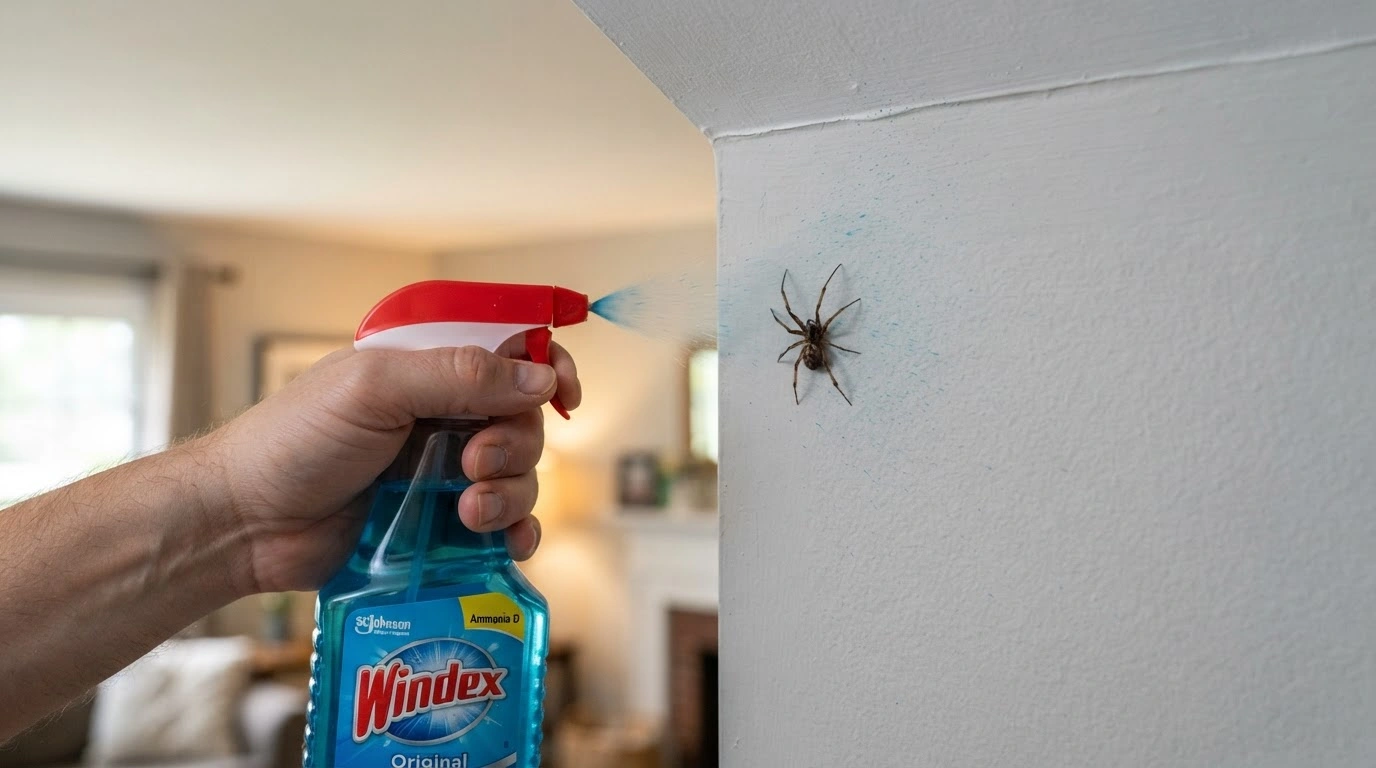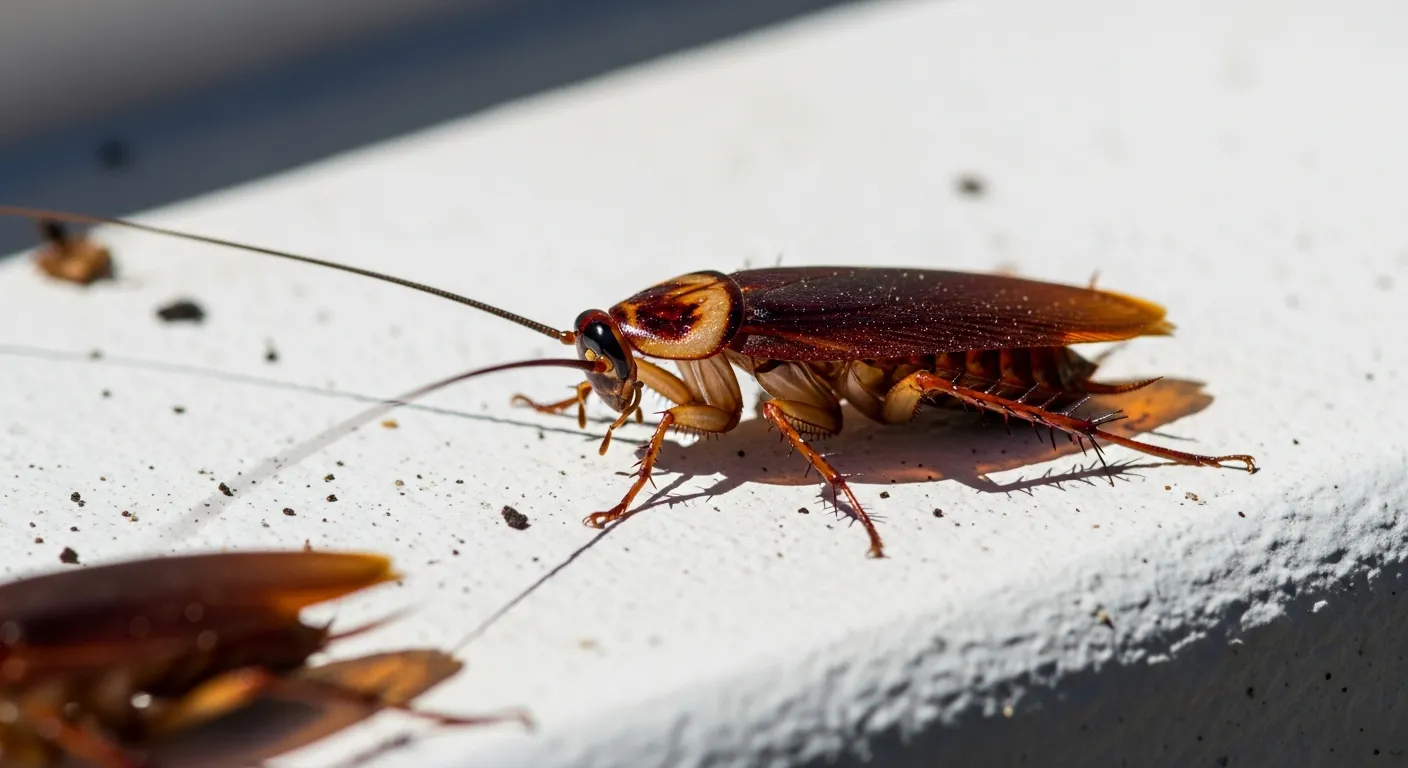
You notice a few ants in the kitchen, a spider near the window, or an occasional roach in the garage. It is easy to deal with each sighting as a one-time problem and assume it will disappear on its own. But pests rarely follow a convenient schedule. Their activity can change with the weather, food availability, moisture, and the condition of your home.
In a warm, humid area like Tulsa, seasonal changes can make pest activity especially noticeable. So, how often should you actually schedule pest control if you want to prevent problems instead of constantly reacting to them?
The answer depends on your home, the pests you are dealing with, and whether you are looking for prevention or treating an active infestation.
There Is No One-Size-Fits-All Schedule
A common mistake is assuming every home needs pest control at exactly the same interval. In reality, the right schedule can vary considerably.
Some properties may benefit from routine preventive treatments, while others may only need professional service when pest activity appears. Factors that can influence the schedule include:
The type of pests common in your area
Previous pest problems
The age and condition of your home
Landscaping and vegetation around the property
Moisture or drainage issues
Gaps, cracks, and other possible entry points
Whether you have pets or children
The time of year
A professional can evaluate these factors and recommend a treatment schedule based on the actual conditions around your property.
Seasonal Pest Activity Can Change the Schedule
Pests do not remain equally active throughout the year. Temperature and weather can influence when different insects and rodents become more noticeable.
Spring often brings increased insect activity as temperatures rise. Summer can create favorable conditions for ants, mosquitoes, wasps, and other outdoor pests. As temperatures change in fall, some pests may begin looking for shelter indoors.
That does not mean every pest requires a separate treatment every season. Instead, seasonal patterns can help homeowners understand when preventive measures may be particularly useful.
When Routine Pest Control Makes Sense
Regular preventive service can be useful for homeowners who have experienced recurring pest problems or live in an area where certain pests are consistently active.
A routine approach may help identify problems before they become larger infestations. It can also provide an opportunity to inspect common entry points and discuss conditions that may be attracting pests. Preventive service may be worth considering if:
- You regularly see pests around your property
- Your home has had recurring infestations
- You live near wooded or heavily landscaped areas
- Your property has moisture problems
- You have multiple potential entry points
- You want to reduce the chance of seasonal infestations
The goal of regular service is not necessarily to eliminate every insect from the environment. Rather, it is to manage pest activity and address conditions that could allow pests to become a larger problem.
When You May Need Service Sooner
Sometimes waiting for your next scheduled treatment does not make sense. A sudden increase in pest activity can indicate that something has changed inside or around your property. Pay attention to signs such as:
- Multiple pests appearing in a short period
- Droppings or other evidence of rodents
- Damage to wood or building materials
- Nests around the home
- Unusual odors
- Ant trails or repeated insect activity
- Pests appearing in several rooms
Seeing one insect does not automatically mean you have an infestation. However, repeated activity is worth investigating, particularly if you cannot determine where the pests are coming from.
Your Home's Condition Matters
The condition of your property can have a major influence on how frequently pest control is needed.
Small openings around doors, windows, pipes, vents, and utility lines can create opportunities for pests to enter. Standing water, leaking pipes, clogged gutters, and excessive vegetation near the structure can also contribute to pest activity. That means pest control should not be viewed only as a treatment applied to the property. Prevention also involves making the home less attractive and accessible to pests.
Simple steps can include:
- Sealing visible cracks and gaps
- Repairing leaks promptly
- Keeping food in sealed containers
- Cleaning up food crumbs and spills
- Maintaining gutters and drainage
- Keeping firewood away from the house
- Trimming vegetation that touches the structure
These measures can complement professional pest management and may help reduce the conditions that encourage recurring problems.
Different Pests May Require Different Approaches
Another reason there is no universal pest-control schedule is that different pests behave differently. Ants may require attention to trails and colonies, while rodents can require a focus on entry points and sanitation. Mosquito management may involve reducing standing water and addressing outdoor breeding areas, while termites require a more specialized inspection and treatment approach.
The Environmental Protection Agency provides guidance on integrated pest management, which focuses on preventing and managing pests while considering environmental and health factors. Its approach emphasizes identifying pests correctly, monitoring activity, and using appropriate control methods rather than automatically relying on repeated pesticide applications.
This is a useful reminder that effective pest management is about more than simply deciding how often a treatment should be applied.
Choosing a Pest Control Schedule
If you are considering professional service, the goal should be to find a schedule that matches your property's actual needs. For homeowners researching pest control Tulsa services, it can be helpful to ask what the recommended treatment frequency is based on and which pests the service is designed to address.
Thrive Pest Control can help homeowners understand their pest-management options and determine an approach based on the conditions affecting their property. Instead of assuming that more frequent treatments are always better, homeowners can focus on identifying the source of the problem and choosing a practical plan for managing it.
A good provider should also be able to explain what each treatment covers, how often service is recommended, and what homeowners can do between visits.
What to Ask Before Scheduling Service
Before committing to a recurring plan, consider asking:
- Which pests does the service target?
- How often do you recommend treatment, and why?
- What happens if pest activity returns between visits?
- Are inspections included?
- What areas of the property will be treated?
- Are there preparation steps I need to follow?
- What preventive measures should I take between treatments?
Clear answers can make it easier to understand what you are paying for and whether the proposed schedule makes sense for your home.
Conclusion
There is no magic number of pest-control visits that works for every property. Some homes may benefit from regular preventive service, while others may only require professional attention when signs of activity appear. The best schedule depends on the pests involved, seasonal conditions, property characteristics, and your history with infestations. By combining professional pest management with simple prevention measures around the home, you can take a more practical approach to keeping unwanted pests under control.