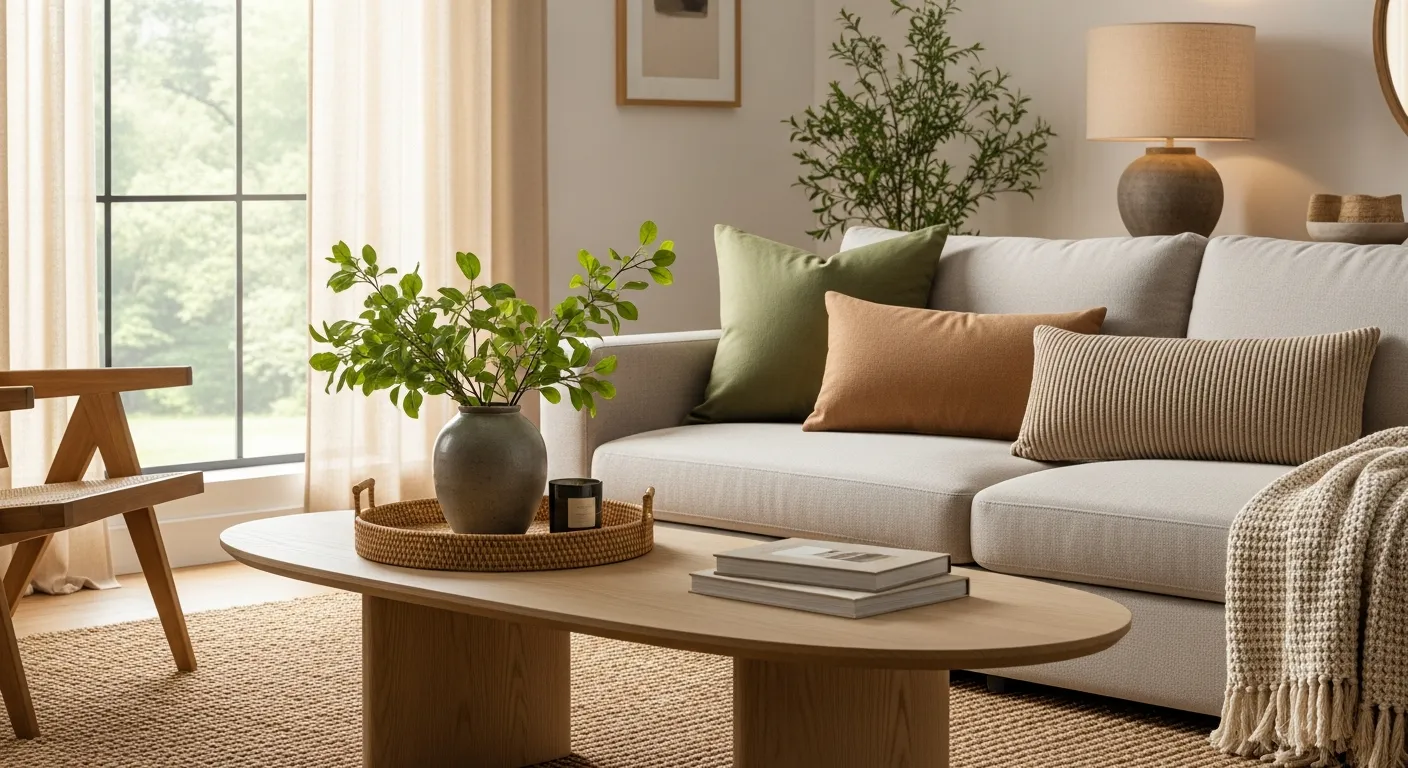
A coffee table may look like a small part of the living room, but it has a major influence on how the entire space feels and functions. It sits at the centre of the seating area, supports everyday activities and often becomes one of the first pieces of furniture visitors notice.
An oval coffee table is a particularly appealing choice because it combines the useful surface area of a rectangular table with the softer appearance of a rounded design. Its curved edges can make a room feel more spacious, welcoming and easier to move around.
Whether you are furnishing a compact flat, updating a family lounge or creating an elegant open-plan living space, an oval design can provide a practical and timeless solution.
Why Choose an Oval Coffee Table?
Square and rectangular coffee tables remain popular, but their sharp corners and rigid shapes do not suit every room. An oval design creates a smoother visual flow and helps soften furniture arrangements dominated by straight lines.
Some of the main benefits include:
- Easier movement: Curved edges create clearer walking routes around sofas and chairs.
- A softer appearance: The rounded shape makes interiors feel less formal and box-like.
- Family-friendly edges: The absence of sharp corners may reduce painful bumps.
- Generous surface space: The long shape provides room for drinks, books and accessories.
- Flexible styling: Oval tables complement contemporary, traditional and rustic interiors.
- Better conversation flow: Guests seated around the table can reach it comfortably from different positions.
These qualities make oval tables suitable for both decorative and everyday use.
Measure Your Living Room Before Buying
Choosing the wrong size is one of the most common furniture-buying mistakes. A table that is too large may block movement, while a small design can look lost beside a substantial sofa.
As a general guide, the table should measure approximately two-thirds of the sofa’s total length. This proportion usually creates a balanced arrangement without overwhelming the seating area.
Before ordering, check the following:
- Leave around 40 to 45 centimetres between the table and sofa.
- Make sure there is enough space to walk around both ends.
- Choose a height level with, or slightly below, the sofa cushions.
- Consider whether drawers or storage compartments need additional opening space.
- Mark the table’s dimensions on the floor using masking tape.
Testing the measurements on the floor makes it easier to understand how the furniture will affect movement and available space.
Which Material Is Best?
The material influences the appearance, durability and maintenance requirements of the table. It should suit the room’s style while also being practical for the household.
Solid Wood
Solid wood adds warmth, texture and natural character. Oak, walnut and mango wood are popular options because they offer durability and attractive grain patterns.
A wooden table works particularly well in:
- Traditional sitting rooms
- Scandinavian-inspired interiors
- Neutral modern lounges
- Rustic and farmhouse-style homes
- Rooms with wooden flooring or shelving
Wood may develop slight colour variations over time, but this often adds to its character rather than reducing its appeal.
Glass
A glass tabletop can help a small room feel lighter because it allows the floor and surrounding furniture to remain visible.
Glass designs look elegant, but they usually require frequent cleaning. Fingerprints, dust and water marks can appear quickly, making them less suitable for people who prefer low-maintenance furniture.
Metal
Metal frames are commonly used in modern, industrial and minimalist interiors. Black metal bases can create a strong contrast against natural wood or light-coloured flooring.
Look for a frame that feels stable and does not wobble when pressure is placed on the tabletop.
Marble and Stone
Marble and stone tables create a luxurious focal point. However, they can be heavy, expensive and more difficult to move.
Some surfaces may also require sealing to protect against staining, so always check the manufacturer’s care advice before purchasing.
Match the Table with Your Sofa
The coffee table and sofa should feel visually connected, even when they are made from different materials.
A curved table can soften the straight shape of a traditional three-seater sofa. It also works naturally with modular seating, corner sofas and armchairs arranged around a central area.
For an L-shaped sofa, place the table inside the main seating zone rather than aligning it with only one section. This helps connect both sides of the sofa and creates a more balanced arrangement.
Useful combinations include:
- Light oak with a grey fabric sofa
- Dark wood with cream or beige seating
- Glass with a compact modern sofa
- Black metal with leather furniture
- Natural timber with green or navy upholstery
- Marble with velvet seating and metallic accessories
The pieces do not need to match exactly. A controlled contrast often produces a more interesting and professionally designed interior.
Consider Storage and Everyday Use
A coffee table should look attractive, but it must also support the way the room is used. Before choosing a design, think about what normally ends up on the table.
Households may use it for:
- Drinks and snacks
- Remote controls
- Magazines and books
- Children’s games
- Laptops or tablets
- Candles and decorative items
- Small storage baskets
A lower shelf can hold magazines, trays and storage boxes without making the table appear bulky. Designs with hidden compartments are useful for keeping chargers, controllers and other small items out of sight.
Nesting oval tables are another flexible option. They can be separated when guests need additional surfaces and placed together afterwards to save space.
Styling an Oval Coffee Table
The curved surface creates an attractive base for decorative accessories, but overcrowding can make the table look untidy and reduce its usefulness.
Begin with a small number of carefully selected items. A simple arrangement could include:
- A tray for remote controls and coasters
- Two or three coffee-table books
- A small vase or indoor plant
- A candle or decorative bowl
- One personal object, such as a travel souvenir
Vary the height and shape of the accessories. For example, combine a low stack of books with a taller vase and a small rounded bowl.
Avoid placing everything in a straight line. Grouping items in two or three areas usually looks more natural and allows part of the tabletop to remain clear.
Ideas for Small Living Rooms
An oval coffee table can work particularly well in a compact room because its lack of corners creates smoother movement around the furniture.
To prevent the space from feeling crowded:
- Choose slim or tapered legs.
- Avoid excessively thick tabletops.
- Select a light wood or glass finish.
- Use a table with an open frame.
- Keep decorative accessories to a minimum.
- Consider nesting or storage designs.
- Avoid positioning the table too close to doorways.
Visible floor space helps a small room feel larger, so designs with raised legs often work better than solid block bases.
Creating a Balanced Open-Plan Layout
In an open-plan property, the coffee table can help define the lounge without separating it completely from the dining or kitchen areas.
Position the table at the centre of the seating arrangement and use a rug to anchor the furniture. Ideally, the rug should extend beneath at least the front legs of the sofa and surrounding chairs.
A rectangular rug can provide contrast against the curved tabletop, while a round or oval rug creates a softer, more coordinated effect.
Other ways to define the seating area include:
- Placing a floor lamp beside the sofa
- Using matching side tables
- Adding cushions in a coordinated colour palette
- Positioning chairs towards the coffee table
- Repeating similar wood tones across the room
The goal is to create a clear relaxation zone without interrupting movement through the larger space.
How to Care for a Wooden Table
Regular care protects the surface from scratches, fading and moisture damage.
Use these simple maintenance steps:
- Wipe spills immediately with a soft cloth.
- Always use coasters for hot and cold drinks.
- Avoid placing hot dishes directly on the surface.
- Dust regularly using a dry or slightly damp cloth.
- Keep the table away from strong, continuous sunlight.
- Do not position solid wood directly beside a radiator.
- Use cleaning products recommended for the specific finish.
For homeowners exploring coordinated wooden interiors, Oak Furniture UK can provide useful inspiration for combining practical storage, natural finishes and long-lasting furniture.
Common Buying Mistakes to Avoid
A beautiful table can still become an inconvenient purchase when practical details are overlooked.
Avoid:
- Buying without measuring the available floor space
- Choosing a table much higher than the sofa cushions
- Ignoring the weight of marble or solid wood
- Selecting a delicate finish for a busy family room
- Overlooking the space needed to open drawers
- Choosing style without considering daily use
- Filling a compact room with a heavy base design
Taking time to compare dimensions, materials and storage options can prevent costly mistakes.
Wrapping it Up
The right coffee table should support the layout of the room, complement the seating and make everyday activities more convenient. Curved edges, practical proportions and versatile styling allow an oval design to suit many different British homes.
By carefully considering size, material, storage and placement, you can choose a table that feels attractive without compromising comfort. A well-made design can become a useful focal point that continues to serve the living room for many years.