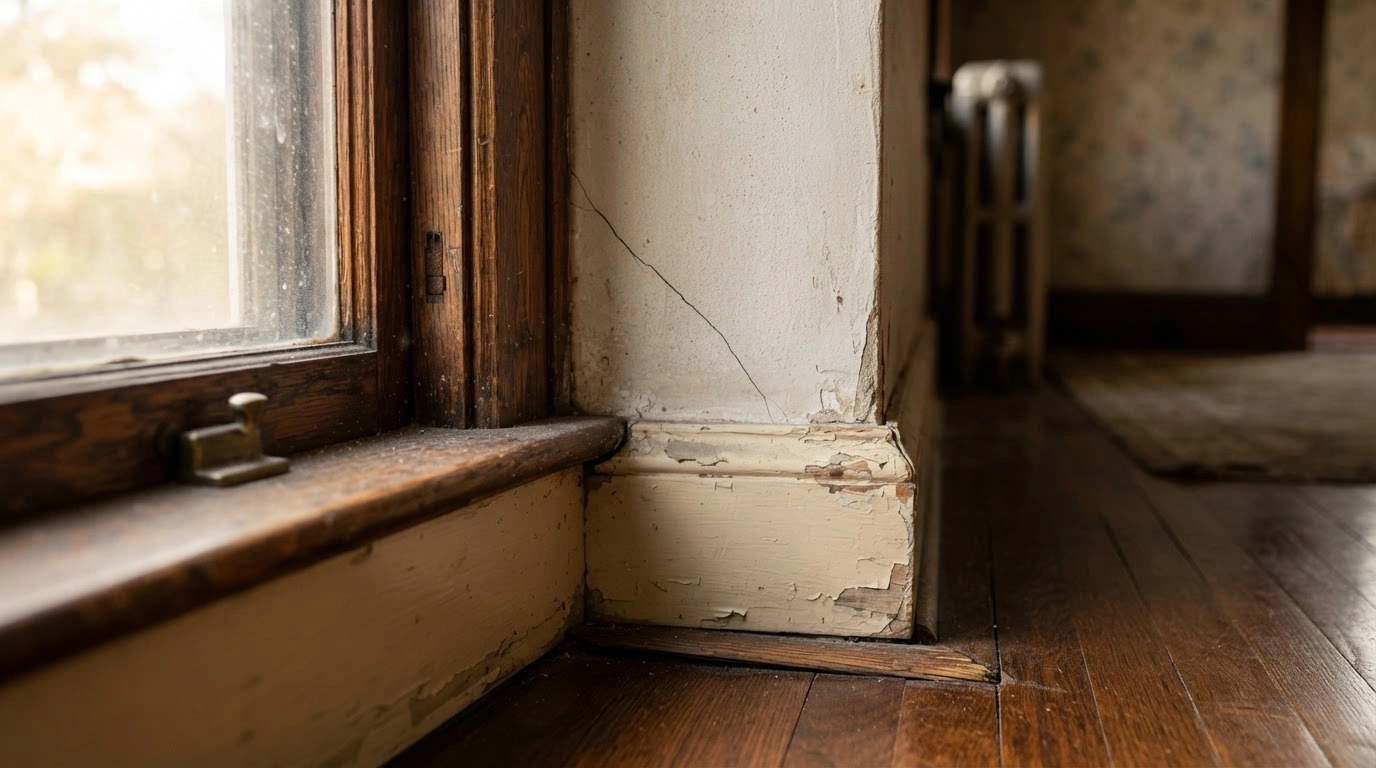
The house has everything. Original hardwood, a porch that wraps around two sides, a kitchen someone clearly loved, and a garden that's been tended for decades. You walk through it once and start arranging furniture in your head. What you don't see on that first walk is the furnace that's past its life, the roof that has two winters left, the knob-and-tube wiring behind the plaster, or the crack in the foundation hidden behind the basement shelving. Six months later, the dream home has a second mortgage's worth of repairs, and the porch looks a lot less charming from under a tarp.
For homebuyers in Ottawa, this scenario is more common than you might think, especially when the charm of an older property overshadows the potential cost of hidden repairs. The way to protect yourself is to look at a property the way an inspector, a contractor, and an accountant would before you look at it the way a buyer does. Here's what to check, inside and out, before you sign
Buyers Are Stretched, and Surprises Hurt More
Most people buy with little room for error. According to the CMHC 2025 Mortgage Consumer Survey, as reported by Canadian Mortgage Professional, 65 percent of first-time buyers paid the maximum they could afford, and 44 percent faced unexpected expenses after the purchase.
When the budget is already at the ceiling, a hidden repair isn't an inconvenience; it's a financial emergency. Finding the problems before the offer is the only reliable protection.
The Big Five: Systems That Cost the Most
Before cosmetics, check the five things that can each run into five figures:
Roof. Ask the age. Look for curling or missing shingles, moss, sagging, and stains in the attic. A roof near the end of its life is a negotiating point or a reason to walk.
Foundation and structure. Look for horizontal cracks, bowing walls, doors and windows that stick, sloping floors, and water staining or efflorescence in the basement. Hairline vertical cracks are usually fine; anything wider than a coin or growing is not.
Electrical. Note the panel size and brand, any aluminum or knob-and-tube wiring, ungrounded outlets, and signs of amateur work. Older systems may need full replacement for insurance and safety.
Plumbing. Check the water heater age, pipe materials (galvanized steel and polybutylene are red flags), water pressure, drainage speed, and any staining under sinks or around fixtures.
Heating and cooling. Ask the age of the furnace, boiler, heat pump, or air conditioner, and when they were last serviced. Equipment past fifteen to twenty years is on borrowed time.
Water: The Quiet Destroyer
Most money-pit stories begin with water. Look for:
- Grading that slopes toward the house
- Downspouts that discharge at the foundation
- Stains, mould, or a musty smell in the basement or crawlspace
- Peeling paint or soft wood around windows and doors
- Evidence of past flooding: new drywall only at the bottom of basement walls, fresh paint in one area, a sump pump that looks recently installed
- Condensation between window panes
A dehumidifier running during a showing is worth asking about.
The Things Sellers Hope You'll Miss
A beautifully staged home can distract you from costly problems hiding beneath the surface, so knowing what to look for during a viewing can help you spot potential red flags before they become your responsibility.
- Fresh paint in one room only, which may cover stains
- Strategically placed rugs, furniture, or storage over floor damage or wall cracks
- Air fresheners or candles covering pet, smoke, or mould odours
- A showing scheduled in dry weather for a house with drainage issues
- Finished basements that hide the foundation and plumbing entirely
- Renovations without permits, which can become your problem after closing
Ask directly, and get answers in writing where you can.
Do the Research Before You Fall in Love
The more homes you've seen, the easier it is to spot the one that's hiding something. Spending time browsing Ottawa real estate across neighbourhoods, ages, and price points builds a sense of what a well-maintained property looks like at each price, and which listings seem too good for their number.
MoveMeTo carries several thousand active listings with filters by property type and bedrooms, map browsing, and alerts for price changes, so it's possible to watch how long a property sits and whether its price drops, which often says more than the description does. Whatever tools you use, read the listing history, look up the property's past sales, and check whether the neighbourhood has known issues such as flooding, soil conditions, or planned construction.
The Inspection Is Not Optional
A professional home inspection is the best money spent in the entire purchase. Make it count:
- Attend in person and follow the inspector
- Ask for a full written report with photos
- Request specialist inspections where warranted: sewer camera, chimney, pool, septic, or a structural engineer for foundation concerns
- Ask the inspector to estimate the remaining life of the big five systems
- Use the findings to negotiate repairs, credits, or price, or to walk away
In a competitive market, a pre-offer inspection or a short inspection window is still better than none.
Run the Real Numbers
Price is the start of the cost, not the end. Before offering, estimate:
- Immediate repairs the inspection identified
- Systems likely to need replacement within five years
- Property taxes, insurance, and utilities, which vary widely by house
- Any condo or association fees
- Closing costs and land transfer tax
- A maintenance reserve of roughly one to two percent of the home's value per year
If the total pushes you past your ceiling, the dream home is a money pit by definition, however it looks.
Questions to Ask the Seller
Asking the right questions before making an offer can reveal potential red flags, uncover hidden costs, and help you decide whether a property is truly worth the investment.
- How old are the roof, furnace, water heater, and windows?
- Has the basement ever taken water?
- What renovations were done, and were they permitted?
- Are there any known issues with neighbours, drainage, or the lot?
- Why are you selling?
- What's included, and what's being removed?
Vague answers are answers.
Trust the Pattern, Not the Porch
A house that's been looked after shows it everywhere: clean mechanical rooms, labelled panels, service stickers on equipment, clear gutters, a dry basement, and paperwork for the work that's been done.
A house that hasn't shows it too, under the staging. The porch is real, but so is the pattern. Buy the pattern.
Conclusion
Whether a property is a dream home or a money pit comes down to what's behind the finishes: the age and condition of the roof, foundation, electrical, plumbing, and heating; how the house handles water; what the seller has covered up; and whether the real monthly cost, repairs included, fits under your ceiling.
Researching the market, reading listing history, inspecting thoroughly, and running honest numbers turn a first-walk-through feeling into a decision you can afford to live with. With most first-time buyers already at the top of their budgets and nearly half facing surprise costs, the house worth buying is the one that has nothing left to surprise you with.