Noticing ants moving across your kitchen counter or around the food can be annoying. Most of us look for something handy to stop them immediately. Windex is often considered an option for getting rid of ants because it is readily available in most homes as a cleaner. Windex is a common household product; it can be considered a quick-fix solution. In this article, we'll find out whether Windex is an effective option for getting rid of ants and how to use it.
Is Windex Glass Cleaner an Effective Ant Killer?
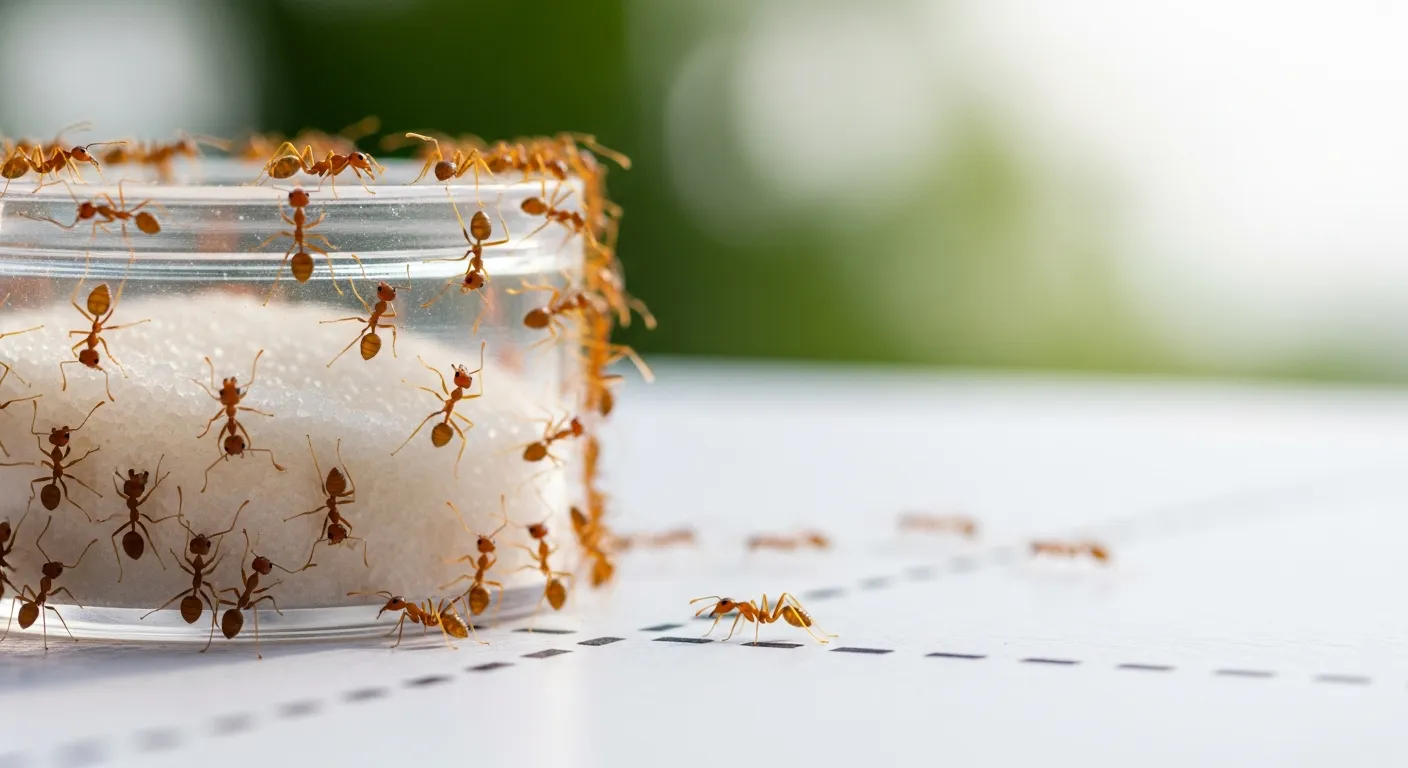
Windex can be a temporary solution because until the queen is killed, the colony can't be wiped out. As a result, the ants can eventually return. But Windex can be used as a quick ant control solution. If you spot an ant invasion or ant swarm in your home, you can spray Windex to kill them instantly and stop ants during visible activity. After spraying Windex, wipe the surface to remove the ants' pheromone trails so that other ants don’t follow the trail again. Rubbing alcohol kills ants instantly and disrupts their scent paths. It is recommended not to squish ants because crushing them releases a chemical called oleic acid, which attracts more ants to the spot. Instead of solving the problems, this can make the infestation worse.
How Windex Works on Ants?

Ants breathe through tiny holes on their bodies called spiracles, and Windex is one method for killing these insects on contact because it can block those openings and cause suffocation. The ammonium in Windex also works like a quick ant killer. Wipe the area where Windex is sprayed to remove the pheromone(oleic acid) trails left behind by ants. These trails act like their road-map, so cleaning them disrupts the path for other ants. Soapy water works in a similar way, since dish soap suffocates ants on contact while washing away scent trails.
This method can eliminate the ants you can see, but the nest or ant colony will remain unless the queen is reached.
How to Use Windex Safely in Homes?
One advantage of Windex is that, although it is not completely non-toxic, it is less harsh than many indoor insect sprays. But be careful when using Windex to kill ants, because it wasn't originally designed as a pest killer.
Threats to Pets and Children
Windex contains ammonia that can be harmful if a pet or child accidentally swallows it. If it gets ingested, it may upset their stomach and cause discomfort. If it comes into contact with skin or eyes, it can cause burning and mild irritation. So, if you are using Windex at home with kids or pets, be careful. Keep the bottle out of the reach of kids and pets, and avoid spraying it anywhere they can directly touch.
Natural Remedies and Household Solutions to Control Ants
Professional pest control is the most effective and reliable way to deal with household pests and an ant problem, but you can try a few easy DIY options first; if your house is infested, professional treatment is often best. Sealing entry points is one of the best long-term ways to deter ants and other pests from getting inside. These natural remedies and natural methods can help with prevention, though sealing entry points also helps block common entry points. Ant bait stations are often more effective than killing visible ants alone because they target the colony.
Baking Soda and Sugar for Sugar Ants

The mixture of baking soda and sugar can act as a bait. The sugar attracts ants, and baking soda kills them.
Diatomaceous Earth (Food Grade)

Sprinkle food-grade diatomaceous earth around places, especially around the entryway. This natural powder damages the ants' exoskeleton, causing dehydration.
Cornmeal

Cornmeal doesn't kill ants immediately, but it acts as a slow-working bait. Ants can't digest cornmeal, so when they eat it, it swells inside eventually "leading” to their death.
Vinegar

Adding water and vinegar in equal quantities creates a glass cleaner-like spray that can repel ants while helping clean hard surfaces where they travel by removing the chemical trails ants follow. White vinegar can disrupt ant pheromone trails, destroying the scent path they use to navigate and repelling ants from those hard surfaces.
Borax

Borax or boric acid is a poison, and when mixed with sugar it forms bait that attracts ants and is carried back to the colony, where it can kill the queen by disrupting their digestive systems if ingested. This can help eradicate ants by reaching the nest instead of only killing the workers drawn to food sources.
Strong smells can disrupt ants' scent trails. Items such as coffee grounds, peppermint oil, and lemon juice emit odours that confuse ants. Since ants depend on scent trails to move around, breaking these trails makes it harder for them to enter your home.
Conclusion
Windex can help you get rid of ants, but it is not a permanent solution. Windex works quickly, but only on the ants you can see, not on those hiding in the colony. Use safer natural methods or call a professional pest control for long-term relief from ants. Natural repellents, including essential oils, can help with repelling ants, but they work best as part of a wider plan. Options like coffee grounds, peppermint essential oil, lemon juice, and neem oil may help; peppermint oil can repel certain species, including sugar ants and fire ants. For outdoor nests, pouring boiling water into the opening can kill ants inside. Use it carefully, especially around children and pets. Additionally, keep your home clean to prevent ants from returning by removing food sources, especially anything sweet, and checking nearby plants if ants keep coming back.