If you have recently spotted small holes popping up in your yard, there is a higher chance you are sharing your space with rabbits! These endearing creatures can also create issues in your yard with their persistent digging activities.
This blog will explore the underlying reasons for rabbit digging behaviour and preventive strategies. Understanding their natural instincts may help homeowners decide how to respond with both care and control.
Why Do Rabbits Dig Holes?
Digging represents a fundamental survival instinct for rabbits. It is deeply embedded in their natural behaviour. Wild rabbits, particularly the European rabbit species, have evolved as accomplished burrowing animals. They often create complex underground tunnel systems called warrens.
These tunnel systems are meant to protect them from predators such as foxes, birds, cats, and dogs. Additionally, digging serves as a temperature regulation system, which provides cool shelter during summer months and insulated warmth during winters.
Female rabbits demonstrate particularly strong digging instincts, especially during nesting periods. They create burrows to house and protect their offspring, lining these spaces with their own fur and grass to provide comfort. Domestic rabbits kept outdoors may also exhibit similar behaviour. It is because they mimic their wild counterparts by digging in yards or gardens.
Recognising a Bunny Hole
Here are a few features you can keep in mind while recognising the bunny hole.
-
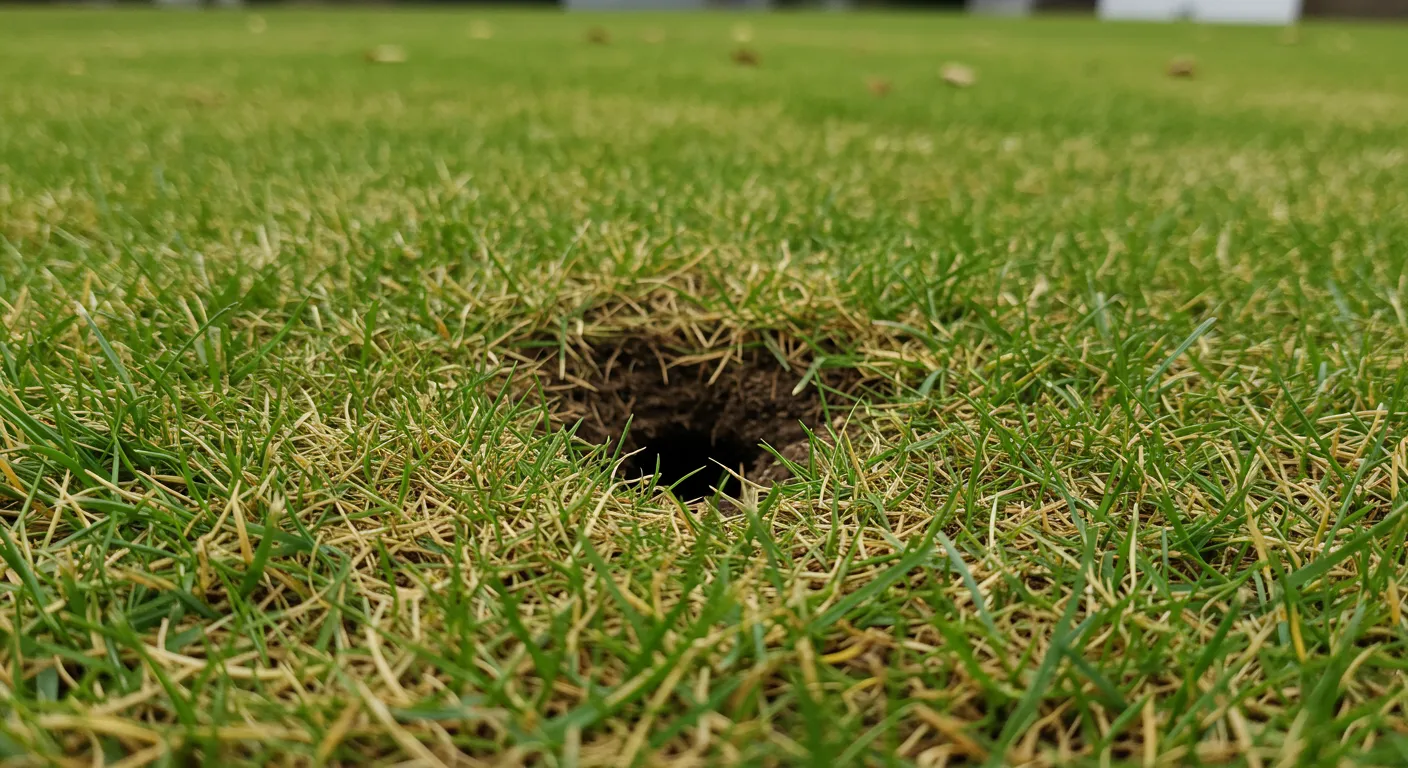
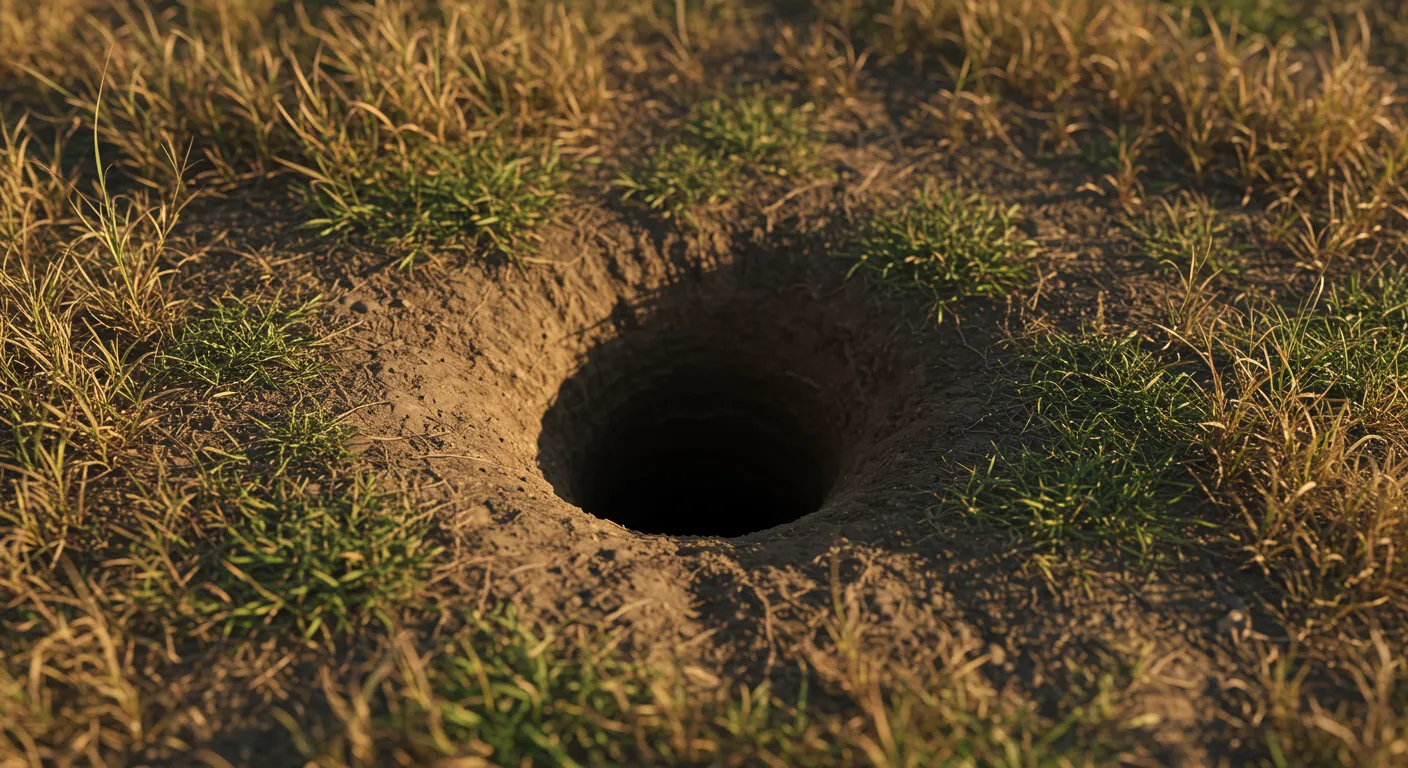
Rabbit burrows measure approximately four to six inches in diameter.
-
They have circular entrances with notably smooth edges.
-
The holes often appear in grassy areas, garden beds, or near bushes. It is also important to differentiate them from the burrows of other animals.
-
It would be a small hole with rounded entrances. The holes are often accompanied by fur or droppings.
Common Issues Caused by Bunny Holes
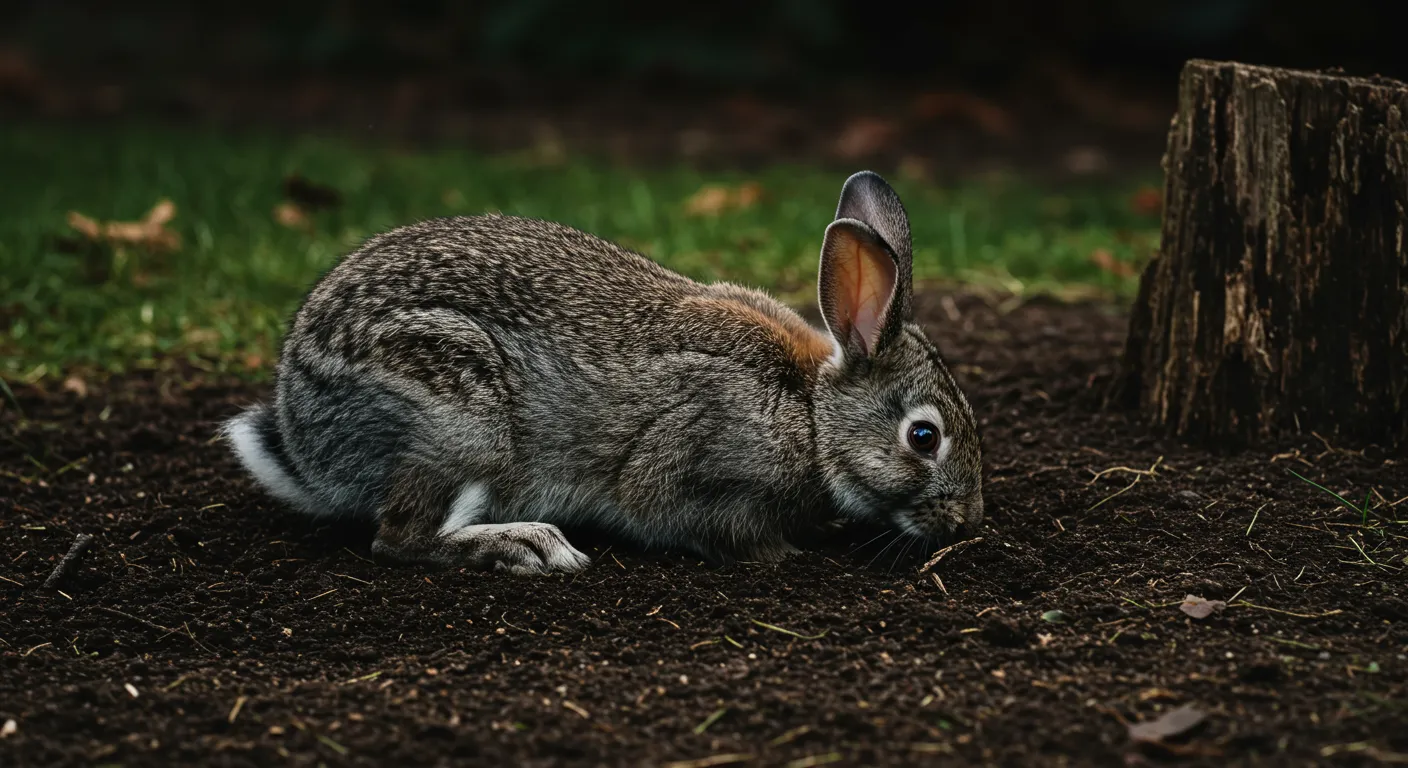
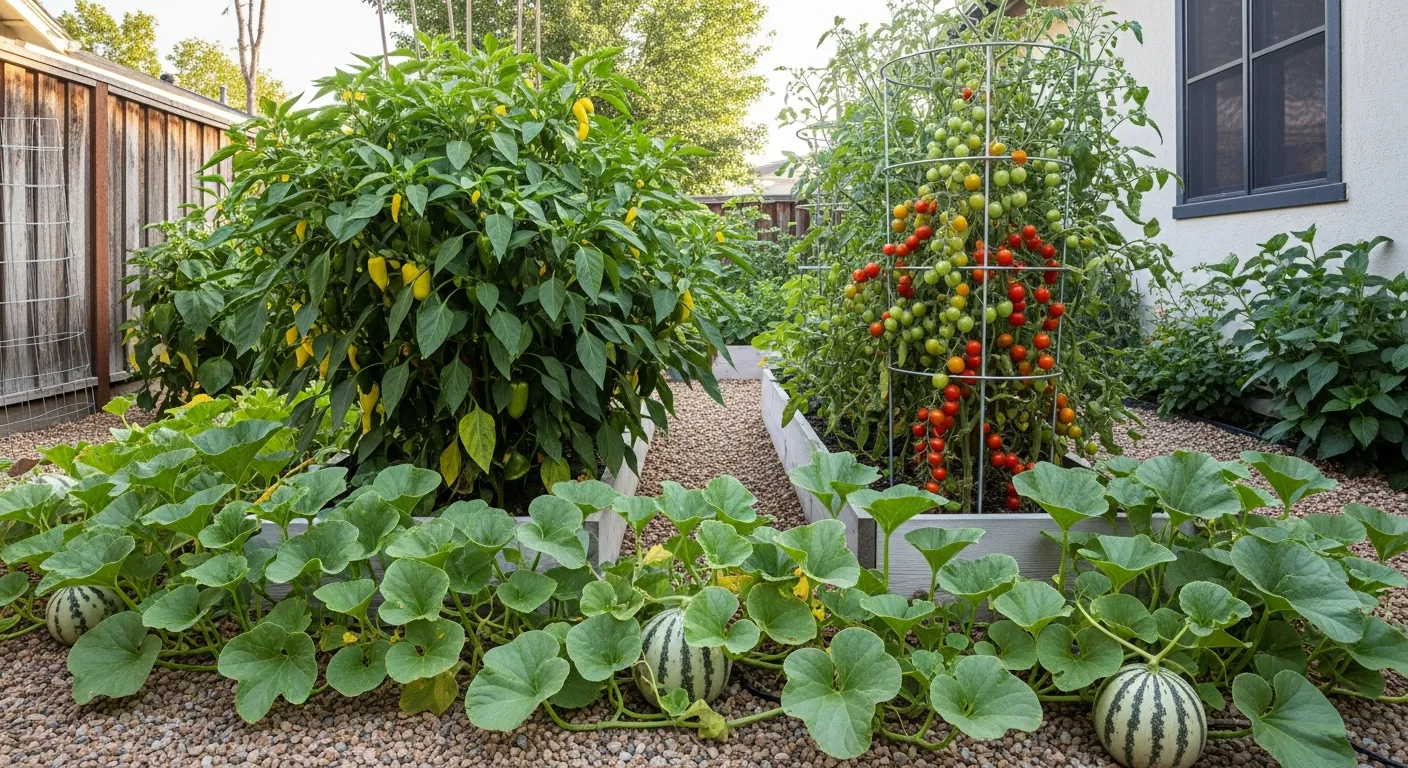
Wild rabbits are known for their constant grazing. This behaviour is similar to that of domestic rabbits. If they get into a garden, they may feed on grass, flowers, and even vegetables, which can lead to significant damage.
Their habits of digging holes may ruin the aesthetics of a well-groomed lawn. They may also chew the bark off the base of trees, which can leave visible damage. Overall, rabbits can quickly become a nuisance to your yard.
Preventive Strategies for Homeowners
Effective rabbit management requires a well-rounded approach. Here are some preventive measures for you to adopt:
Fencing the Garden
Install fencing around the garden or yard. The fencing should be made of 2.5 cm wire mesh and stand 120–140 cm high to effectively keep rabbits out. It should also be buried at least 30 cm below ground level to stop them from tunnelling underneath, with the lower 15 cm (6 in) bent outwards for added protection.
Regularly Mow Your Yard
Another effective approach is to remove everything that attracts them. Rabbits are drawn to overgrown, patchy lawns, as such lawns provide ideal cover for burrowing and protection. Regular mowing, removal of grass, and elimination of overgrown areas reduce the shelter options that attract rabbits to yards.
However, avoid mowing when the lawn is saturated. If rainfall has left the grass wet, knowing can you mow wet grass can help you determine whether conditions are suitable before starting the mower. Waiting for the turf to dry can reduce the risk of creating ruts and damaging the lawn.
Anti-Bunny Plants
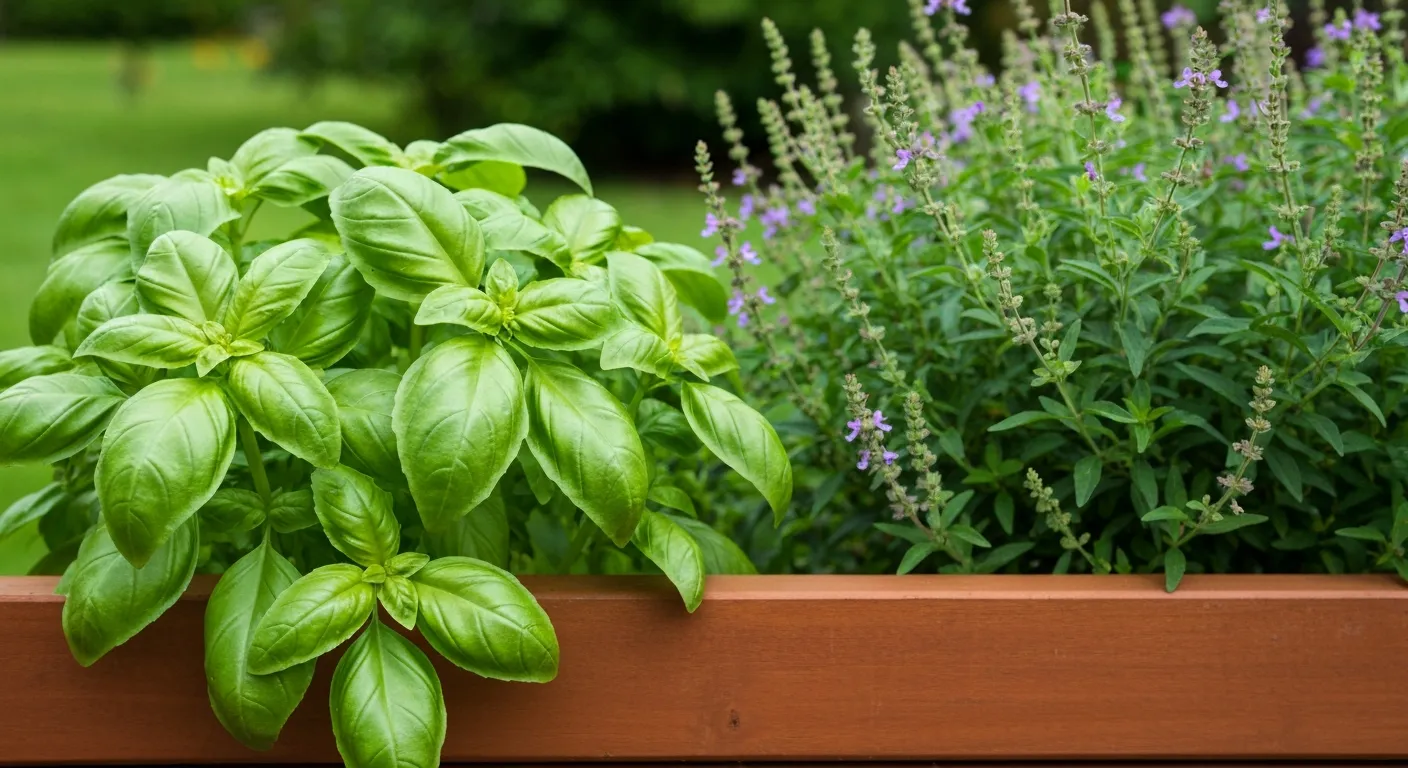
Rabbits tend to avoid certain strong scents, so planting or placing certain anti-bunny plants can help deter them. Plants like rhubarb and garlic are considered unpleasant to rabbits and may keep them from coming near them.
Other Bunny Repellents
Additionally, common household items such as Irish Spring soap, vinegar, and cayenne pepper are also known to repel rabbits due to their strong smell. The strategic placement of dog hair around property perimeters can arouse their instinctive fear of canine predators.
Thoughtful Ways to Handle Bunny Holes
While bunny holes might seem like a nuisance, it is also important to handle them with care. You can take the following steps to protect both your lawn and the animals that live there.
Inspect the Yard
Before you mow your yard, make sure to conduct a thorough inspection. During lawn maintenance, homeowners may come across a patch of dead grass. This area often conceals rabbit nests containing baby rabbits.
It is also useful to inspect the surrounding lawn for weeds and other vegetation that may provide cover. If unwanted plants are becoming established, learning how to get rid of crabgrass naturally can provide ideas for managing specific lawn weeds without unnecessarily disturbing nearby wildlife.
Do Not Disturb the Nest
If you find kits (baby rabbits) inside, do not disturb the nest. Many people often think that the mother rabbit has abandoned her babies, but that is not true. She visits twice a day to nurse them.
Protect the Nest
To protect the nest, place an upside-down laundry basket over it and weigh it down with a brick or other heavy object. Remove the basket in the morning and evening to allow the mother to return and feed her babies.
Conclusion
Bunny holes in the yard may be surprising, but they reflect natural behaviour. With mindful lawn care and humane practices, you can protect your yard while respecting the wildlife. This strikes a mindful balance between maintaining the garden and coexisting with nature.
Regular lawn maintenance can also make it easier to identify burrows, damaged areas, weeds, and other problems before they become more difficult to manage. If you're planning broader lawn maintenance, understanding should you cut grass before aerating can help you coordinate mowing with other important turf-care tasks.
For homeowners who use their yards for gardening, recreation, storage, or other purposes, backyard organization can make routine maintenance easier by keeping tools and outdoor equipment in designated areas.
If you have a swimming pool or are considering placing one on your lawn, you should also consider what to put under pool on grass to help protect the turf and create a more suitable surface for the pool area.
By combining responsible lawn care with practical rabbit-management measures, homeowners can reduce yard damage while giving wildlife the space and consideration it needs.