Gardenia is a popular shrub among gardeners for its heavenly, fragrant white flowers. You feel like breathing in the fragrance for hours and wishing all months could be June. One of the primary factors that leads gardenia to bloom is the availability of essential nutrients. This blog discusses all about the best fertilizer for gardenia plants, along with other factors.
The Golden Rule of Timing: When to Fertilize Gardenias
The right timing of fertilizing is highly important because only then will it ensure the healthy growth of gardenia. Here is the golden rule of timing.
Fertilize in Spring
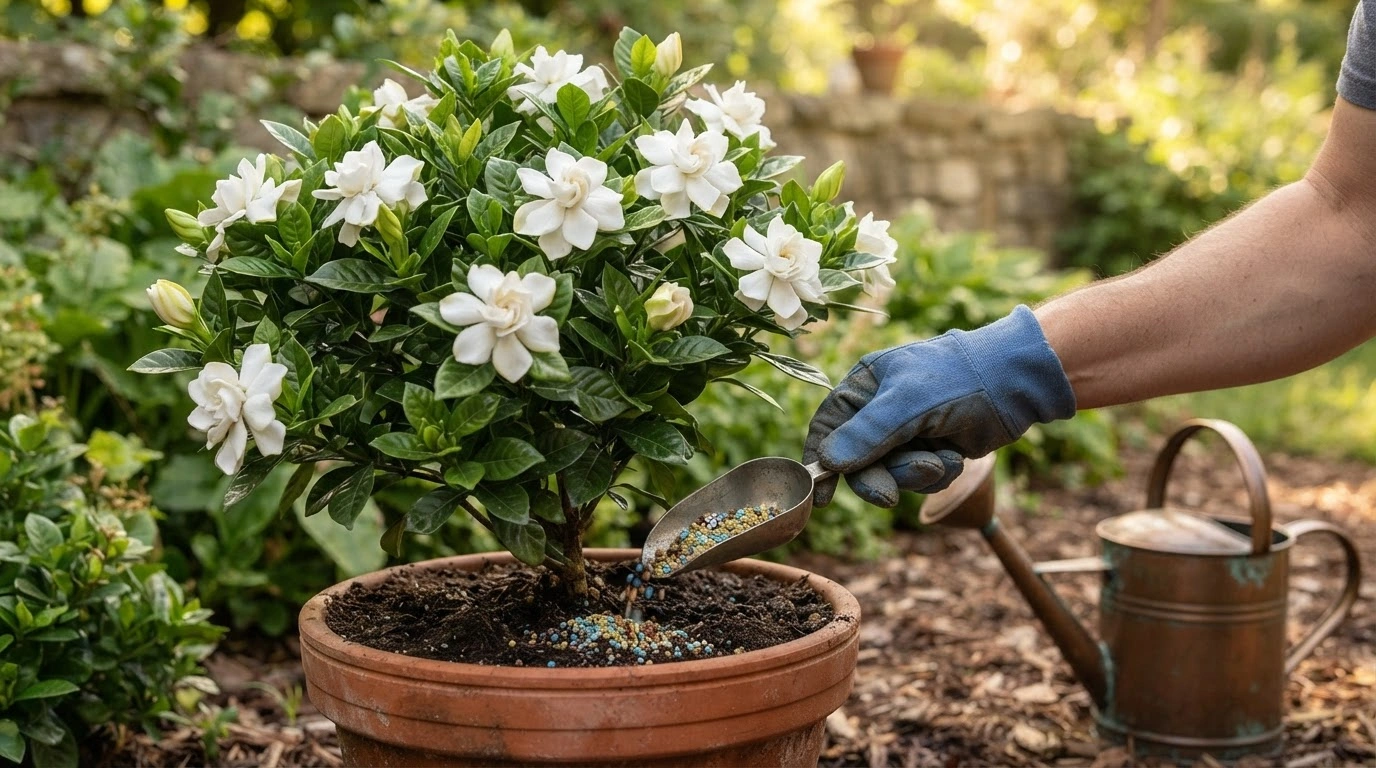
Gardenias require a decent amount of iron and magnesium for blooming, and the best time to fertilize is after the last frost. This is an ideal time because they need nutrients after a dormant winter season. In fact, it’s like breakfast to them. Also, the best fertilizer for them is one with an N-P-K nutrient ratio. Even fertilizers meant for azaleas, camellias, and rhododendrons are ideal for gardenias.
Fertilize Again After 6 Weeks
Fertilize the plant again after 6 weeks of early spring fertilization. In the second round, use fertilizer with low nitrogen content to avoid burning of gardenia roots. Gently mix the fertilizer into the soil around the base of the shrub.
| Some Tips |
Add a layer of mulch around the gardenia plant to retain moisture and to provide nutrients. |
Add Organic Ingredients to the Soil
Add a layer of garden compost or aged cow manure to the plant every alternate month from spring to fall. You can easily get these materials at a local garden center.
Feed the Soil With an Iron Supplement
If you notice yellow leaves, it’s an indication of iron deficiency, causing chlorosis. So, feed the soil with iron supplements such as Iron-Tone, Ironite, or Fertilome Chelated Liquid Iron. Check the soil pH, too, because a pH above 7 can also cause yellow leaves.
Avoid Fertilizing the Plant in Fall or Winter
Fertilizing in fall or winter is a bad idea because the plant is either about to enter dormancy or already in it.
Top Fertilizer Types
The best fertilizer for gardenia shrubs is a liquid fertilizer, as they prefer slightly acidic soil. The other qualities a fertilizer should have are a balanced N-P-K ratio and a micronutrient ratio.
Slow-release
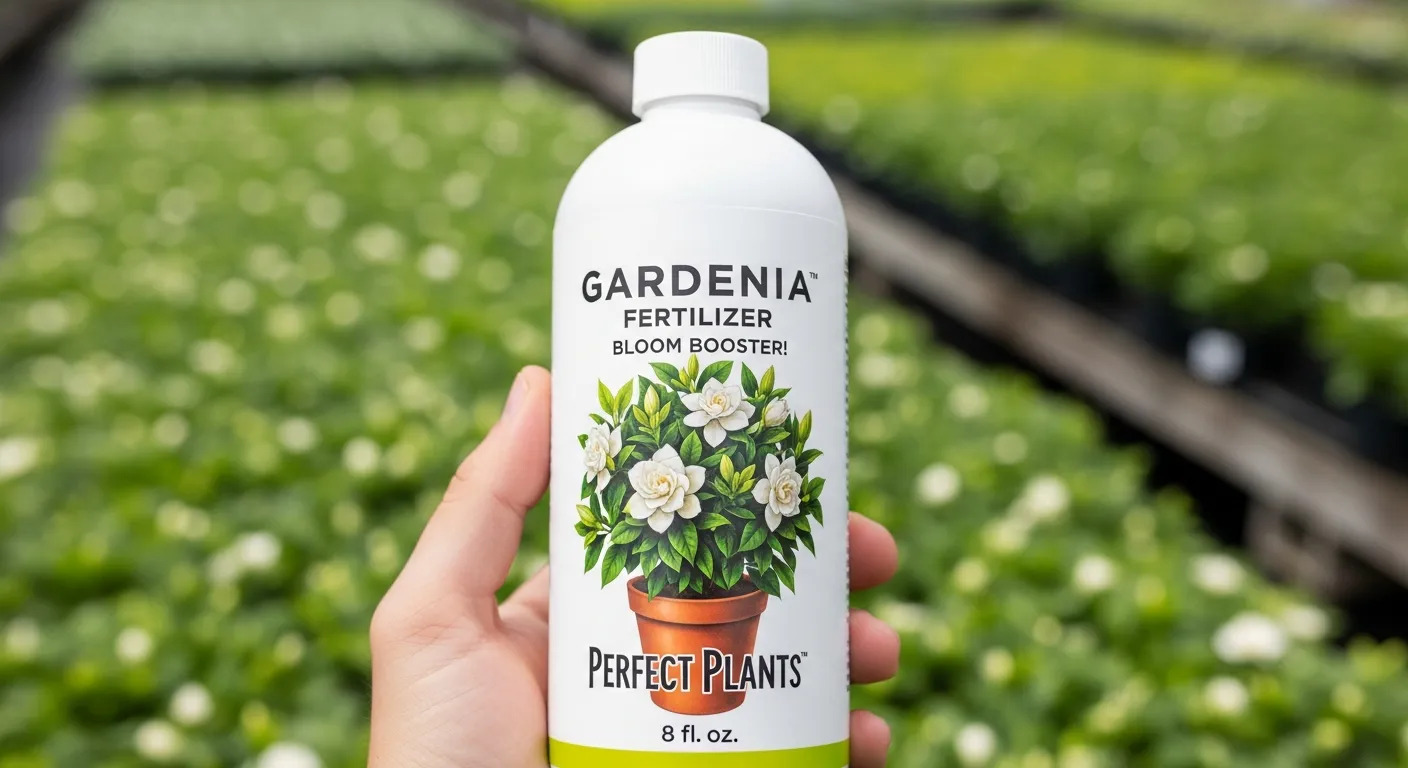
Slow-release fertilizers should be applied to the plant to prevent root burn and provide controlled nutrient release. Read the care label instructions to avoid wrong application. After a few feedings, you can see changes in the leaf color and blooms.
Organic
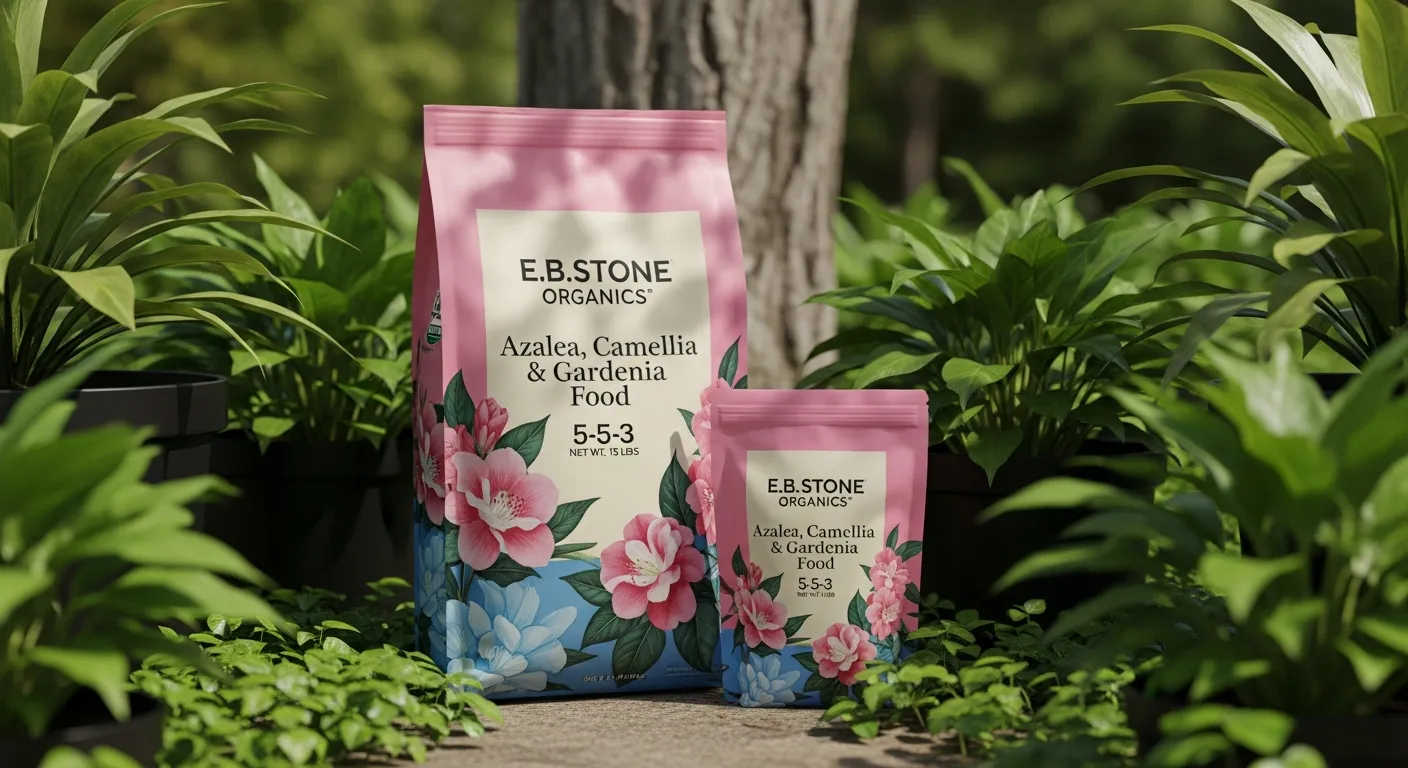
There is organic matter, such as compost, that provides nourishment to gardenia plants and improves soil texture. For example, coffee grounds, when added, alkalize the soil; eggshells add calcium; and fish emulsion and seaweed extract offer an instant nutrient hit. All of these provide organic nutrients for healthy foliage growth in gardenia shrubs.
Liquid
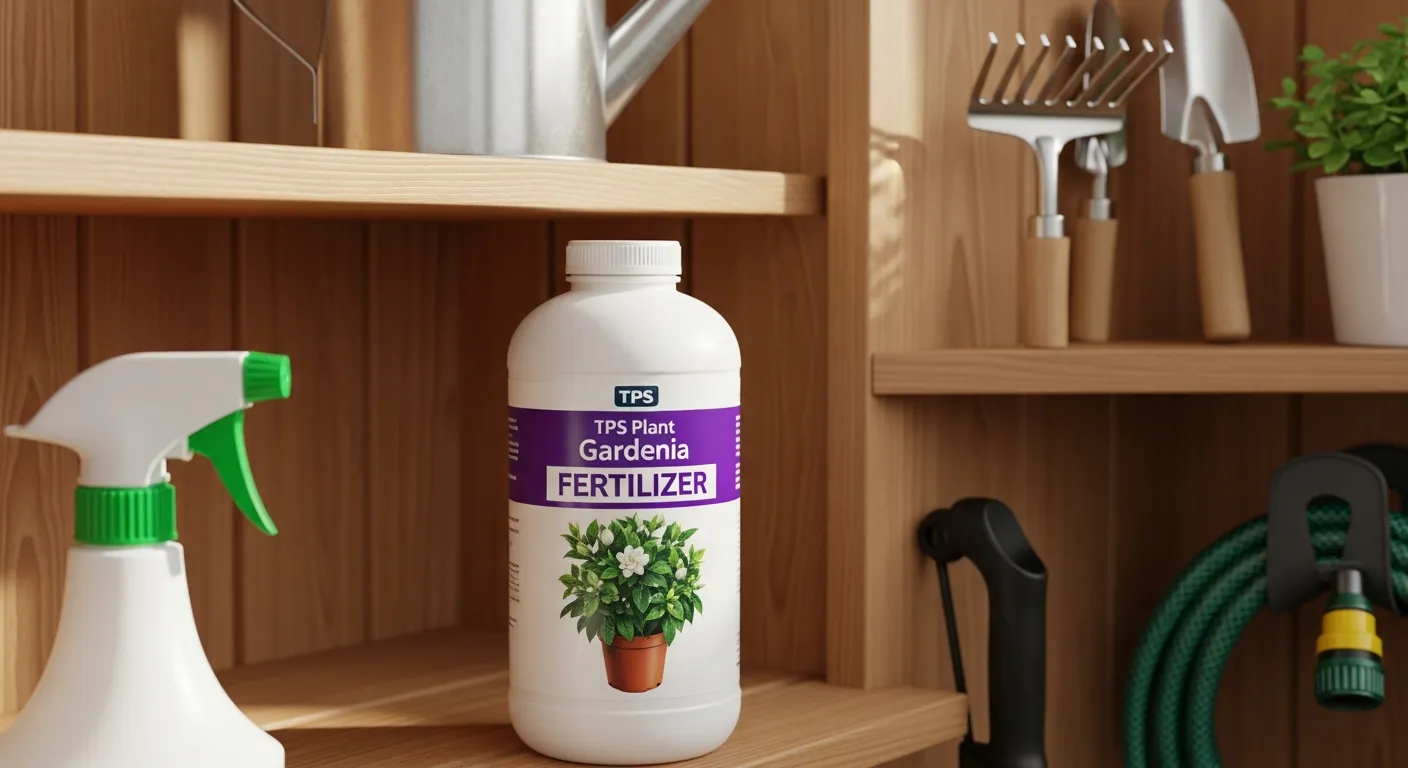
There are two forms of liquid fertilizer: one is a ready-to-use spray applied directly to foliage, and the other is a concentrated form diluted with water and then sprayed on the leaves. Though liquid fertilizer is easily absorbed, it is used for an instant boost. However, it drains quickly from the soil, so use it frequently.
Synthetic Fertilizers
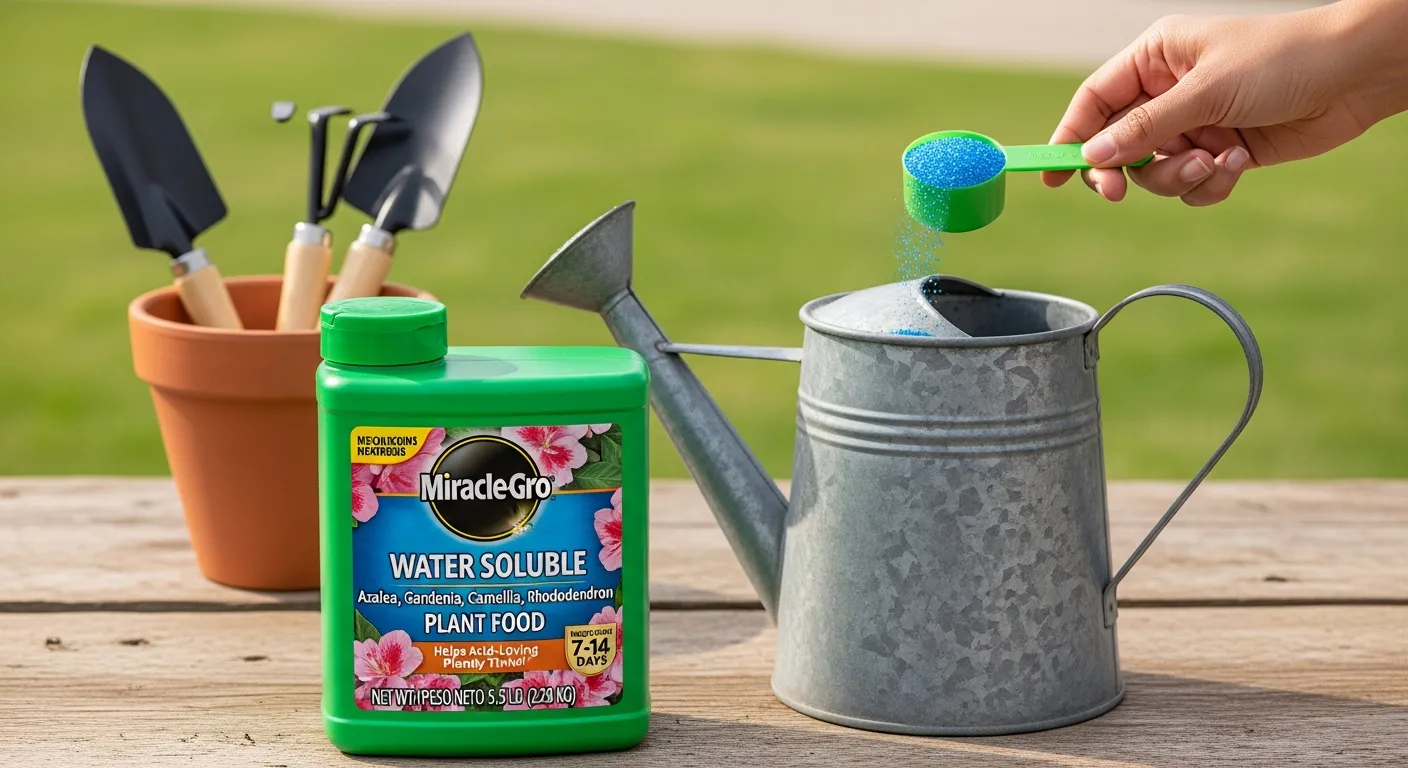
These fertilizers provide fast and direct nutrition to the plant. Choose a slow-release type to avoid root burn; however, use the rates shown for gardenia. Also, sort out the brands tested for acid-loving plants.
The Ideal N-P-K Ratio for Big Gardenia Blooms
The ideal N-P-K ratio for fertilizer is 6-6-6 for healthy growth. N stands for nitrogen, which promotes leaf growth; P stands for phosphorus, which helps in blooming; and K stands for potassium, which reinforces roots. During the initial growing stage, gardenias require fertilization two to three times a month, but don’t feed them in fall and winter as the plant is dormant. Follow the advised rates and apply fertilizer accordingly.
Why Soil Acidity Matters?
The right soil acidity level is essential, as it helps the gardenia plant grow healthily. Soil acidity is measured on a pH scale that ranges from 0 to 14; 7 is neutral, values below 7 are acidic, and those above 7 are alkaline. The best soil for gardenias has a pH between 5 and 6.5, as they prefer slightly acidic soil.
Conclusion
Selecting the best fertilizer for gardenia plants is highly important because the right amount and timing of application ensure robust growth of the shrub. There are a variety of fertilizers, including organic, slow-release, and liquid, so you can choose the type that best suits your needs.