While people think about home renovation, upgrading an electrical panel seldom strikes their minds, until there’s something wrong with it. Since most homes have low-amp panels that may not support modern devices and units. Hence, experts advise upgrading the electrical panel to ensure the home's safety while accommodating newer appliances.
If you are wondering when and why you should upgrade your home's electrical panels, this blog explains the reasons. Also, it discusses the cost involved.
What Are the Pros and Cons of Upgrading an Electrical Panel?
Upgrading panels eventually becomes important, which comes with its own pros and cons. Here are some pointers explaining both -
Pros
More Power for Your Home
A higher-amperage panel allows more power to be distributed throughout the home. This means you can power more devices and appliances at once without overloading the panel. You can also power larger appliances such as EV chargers and large water heaters.
Future-Proofing
Upgrading the electrical panels can help accommodate other electrical appliances in the future. This offers you flexibility if you want to expand your electrical needs and saves you a hefty sum. It is also useful to understand the types of electrical outlets in US homes when planning where new appliances and electrical devices will be connected.
Safety
An outdated electrical panel is a hazard to the home. Old panels were not made to handle heavy loads and multiple devices. This might cause them to overheat and catch fire. Upgrading the electrical panel ensures that your home is safe from electric-related hazards.
Cons
Higher Cost
Upgrading an electrical panel usually involves an added cost, around $2,000 - $4,000. This includes the cost of panels, labor, and other necessary work, such as rewiring. However, the exact cost will depend on the complexity of the work, size of the panel, market rates, etc. If you want to replace the transformer, you may incur additional costs.
Increased Timeline
When upgrading your electrical panel, you must coordinate with your utility company. Depending on the region, scheduling the work can take several months, potentially delaying the project. Also, limited labor availability in some areas can delay the work.
7 Reasons to Upgrade an Electrical Panel
Tripping Circuit Breakers
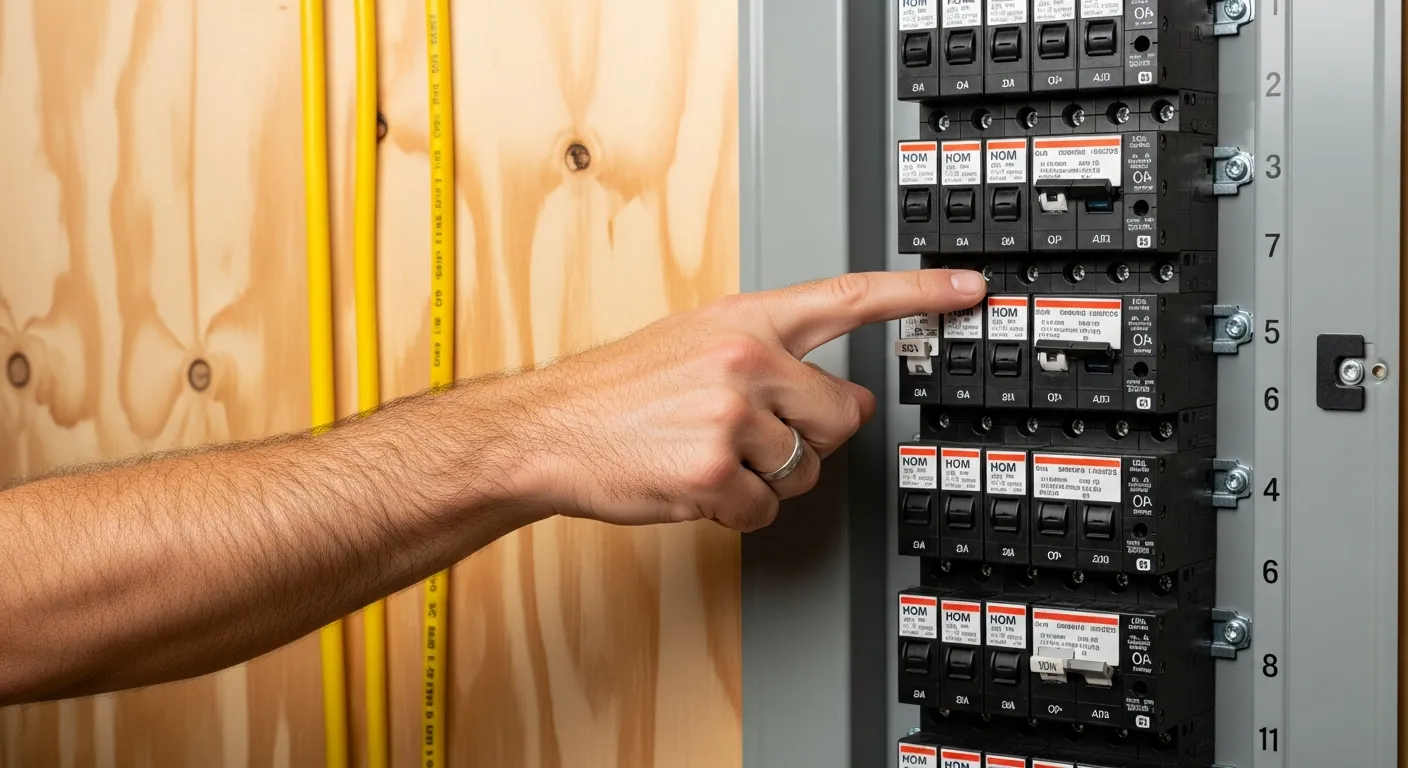
Tripping circuit breakers may seem annoying, but it is also a safety concern. If the circuit breaker trips frequently, it means it struggles hard to handle the load and power demand. The load wears out the breakers, which makes them unsafe for the home. Upgrading the panels can prevent electrical fires that cause accidents.
Flickering or Dimming Lights
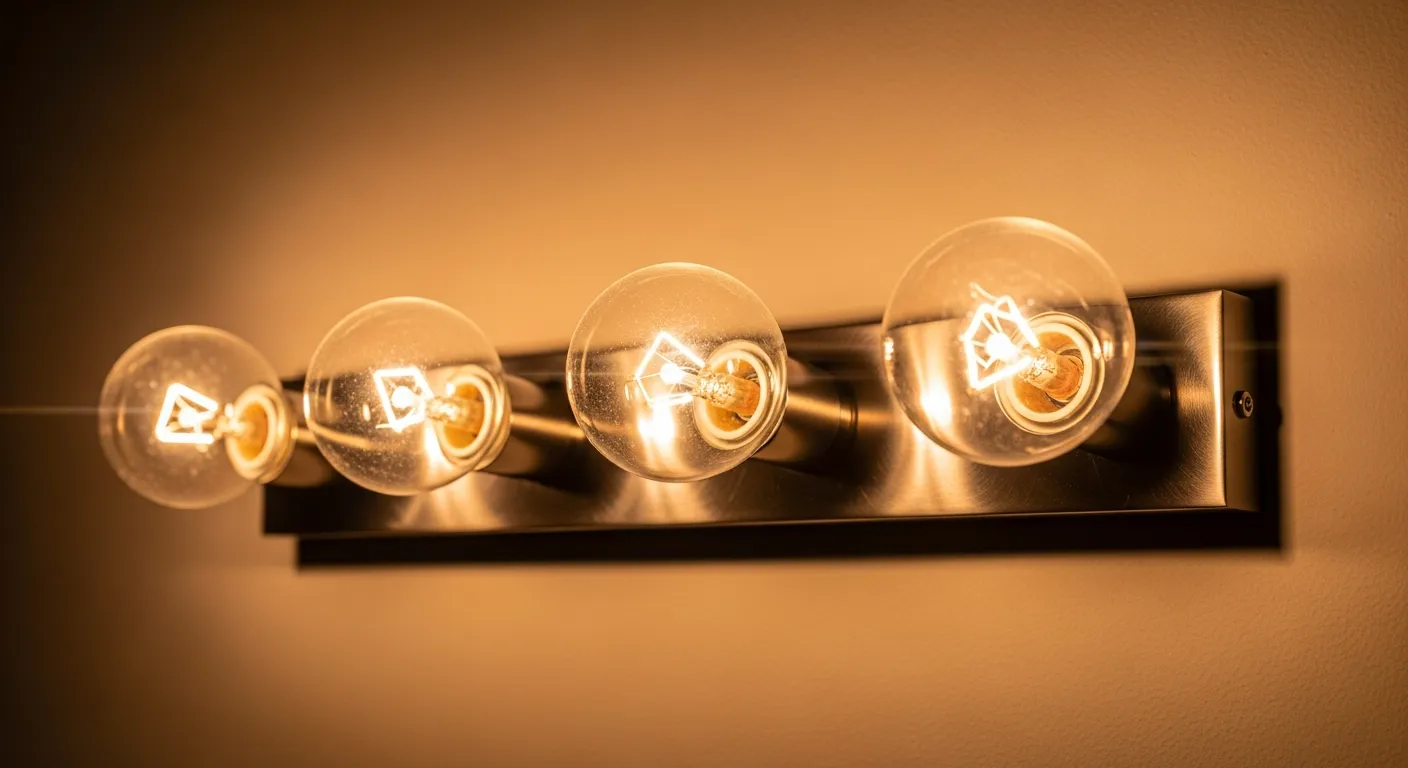
Do you see overhead lights dim when you start a microwave or turn on a vacuum? Or do your lamps constantly flicker even when there isn't a significant power draw? This means there is too much power flowing through a single circuit. You might need to add additional circuits to reduce the problem. However, a professional will also advise replacing the panel.
Small-Sized Panels With No Room for Additional Breakers
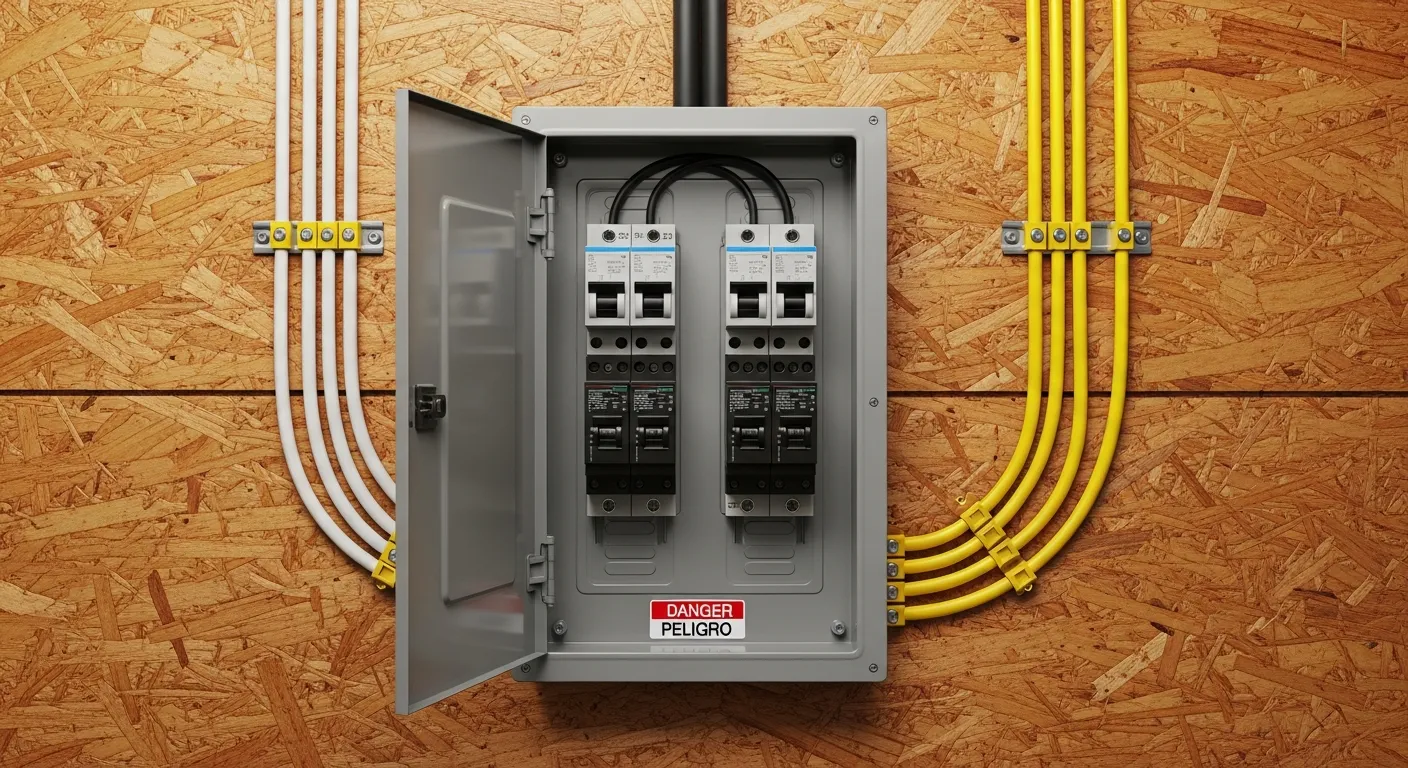
Smaller or older homes might have 100-amp electrical panels, which may not be suitable for additional breakers. Also, in modern homes with air conditioning and water heaters, you may need 200-amp panels. It is important to understand that, no matter what size panel you choose, there should be enough room to make future adjustments or additions.
Corroded or Broken Panels
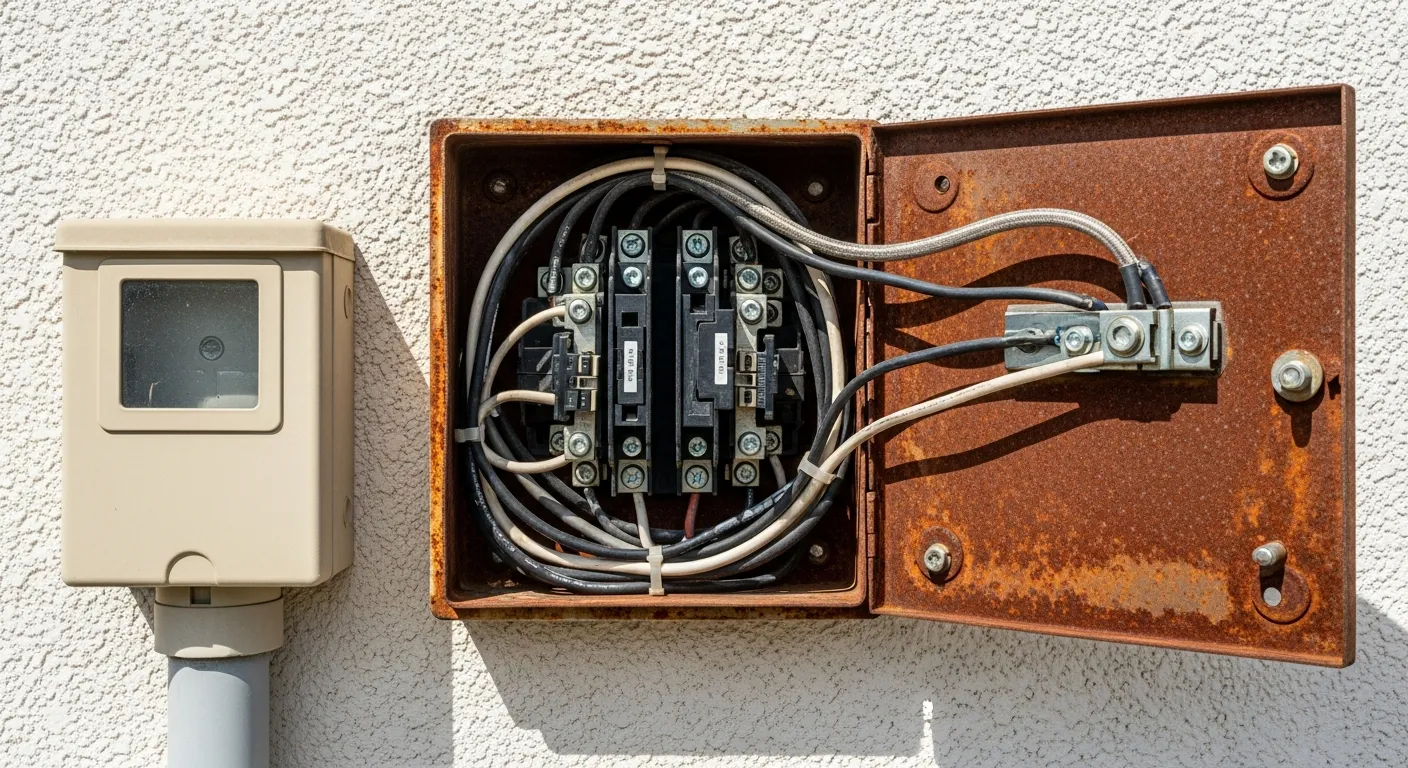
An electrical panel lasts up to 25 to 40 years, and panels over 25 years do not comply with modern safety standards. Thus, making any accidents caused by electricity non-insurable. If your panels become outdated, they may overheat with prolonged use, posing a risk of electrical shock or fire. In this case, you need to upgrade the panels to ensure that the system is up to code. Thus, enhancing safety and functionality.
If You Have an Older Home
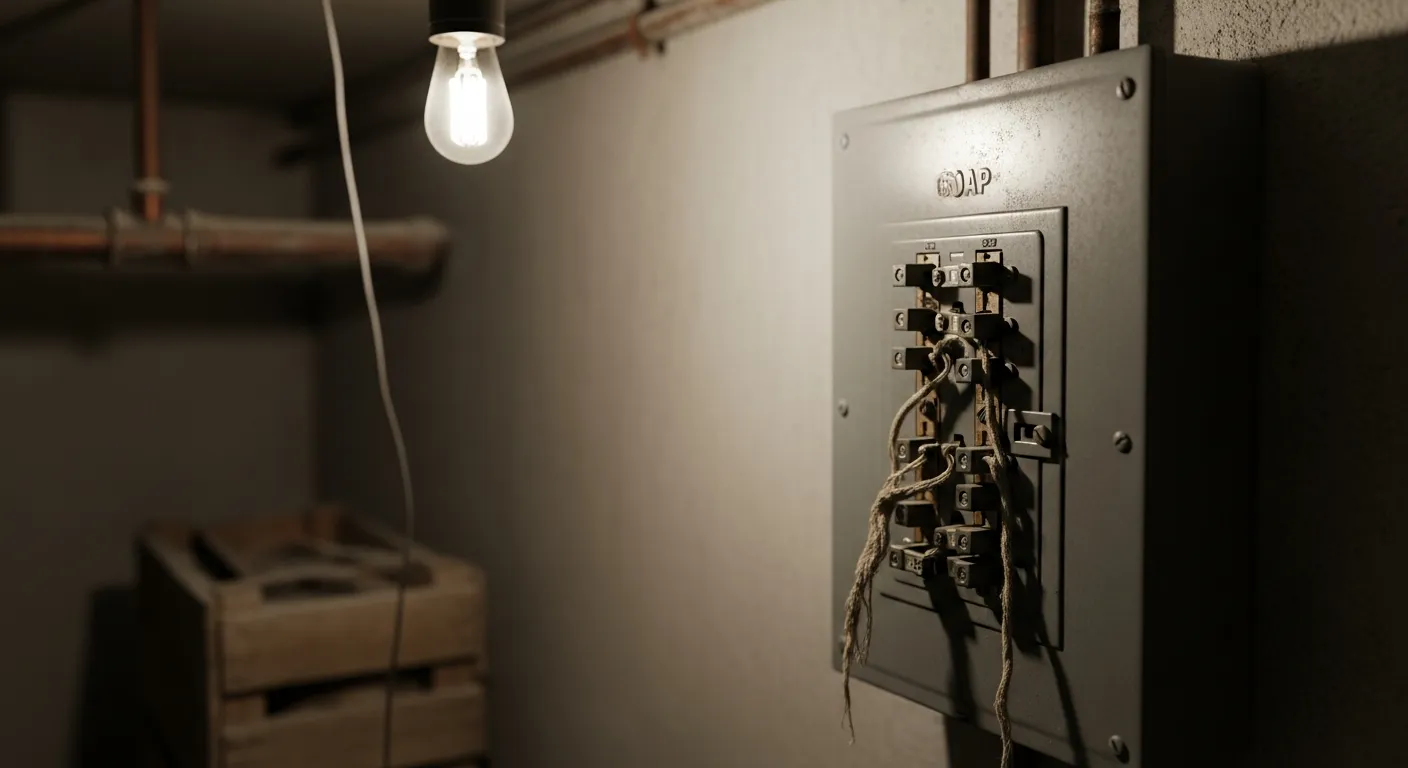
Older homes mostly have outdated electrical panels that cannot handle today’s high electrical appliance load. If your home was built in the 1950s, it may have 60-amp panels, which can only handle a few appliances. Hence, you may need to upgrade your electrical panel to use multiple appliances.
Homes made in the 1980s have 100-amp panels, which can easily accommodate a refrigerator, dishwasher, stove, and other units. However, it cannot handle other units, such as heat pump water heaters and EV chargers.
| Pro Tip | Before you begin any electric project in your old home, be sure to have it assessed by a professional electrician. |
If You’re Adding New Appliances
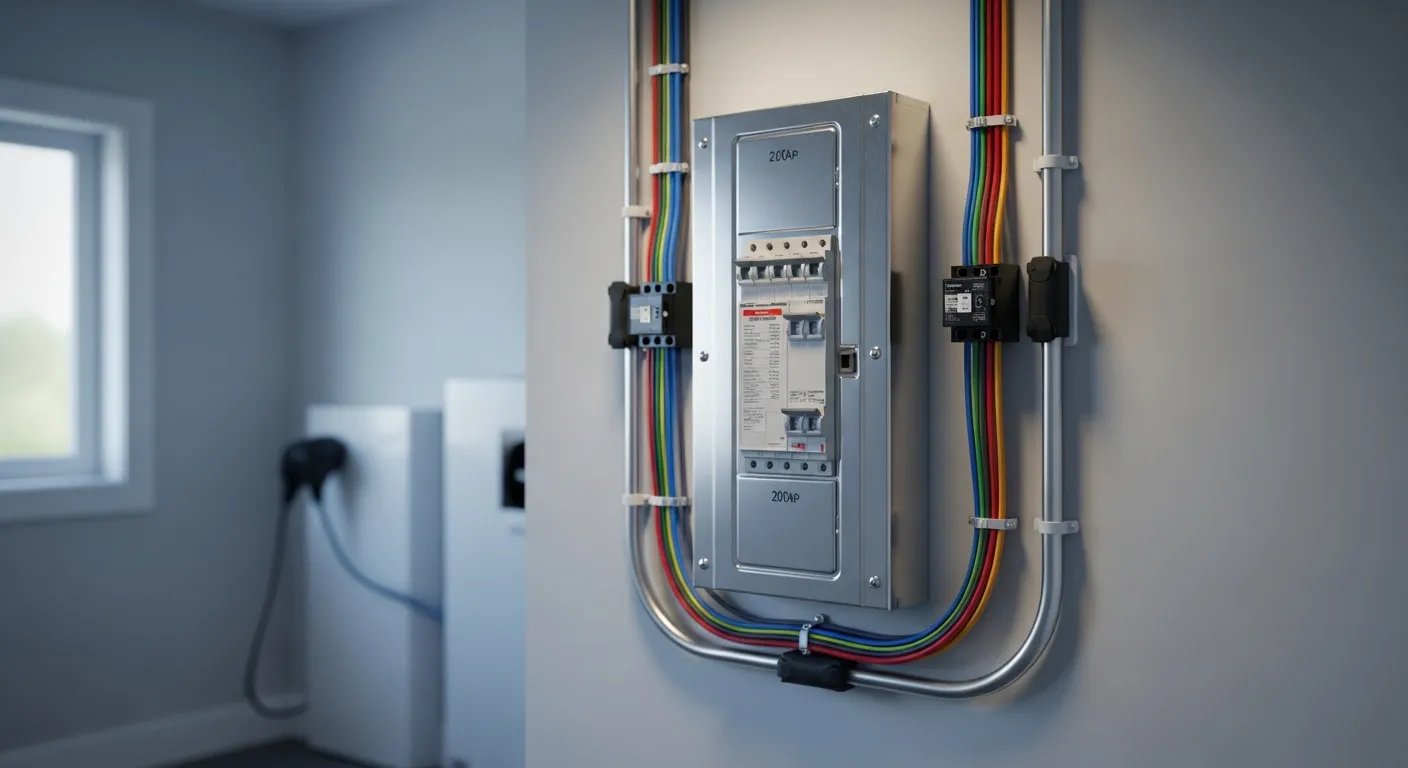
If you are adding a heat pump, electric stove, or an electrical cooling system, then you must consider upgrading your electrical panel. This is because when you incorporate additional machines or units in your home, you need to upgrade the panels to avoid power overload.
It is advised to upgrade to 200-amp panels, as they can support almost all modern appliances and electrification updates. If you are considering any of the following, then you must upgrade the panel -
-
Installing a heat pump water heater or a heat pump clothes dryer.
-
Replacing your stove with an induction model.
-
Installing air conditioners, mini splits, etc.
-
Installing an electric vehicle charger.
-
Installing solar panels.
-
Getting a hot tub.
Upgrading the panels ensures you can use the new appliances without worrying about system overload or electrical hazards.
Outdated Panels
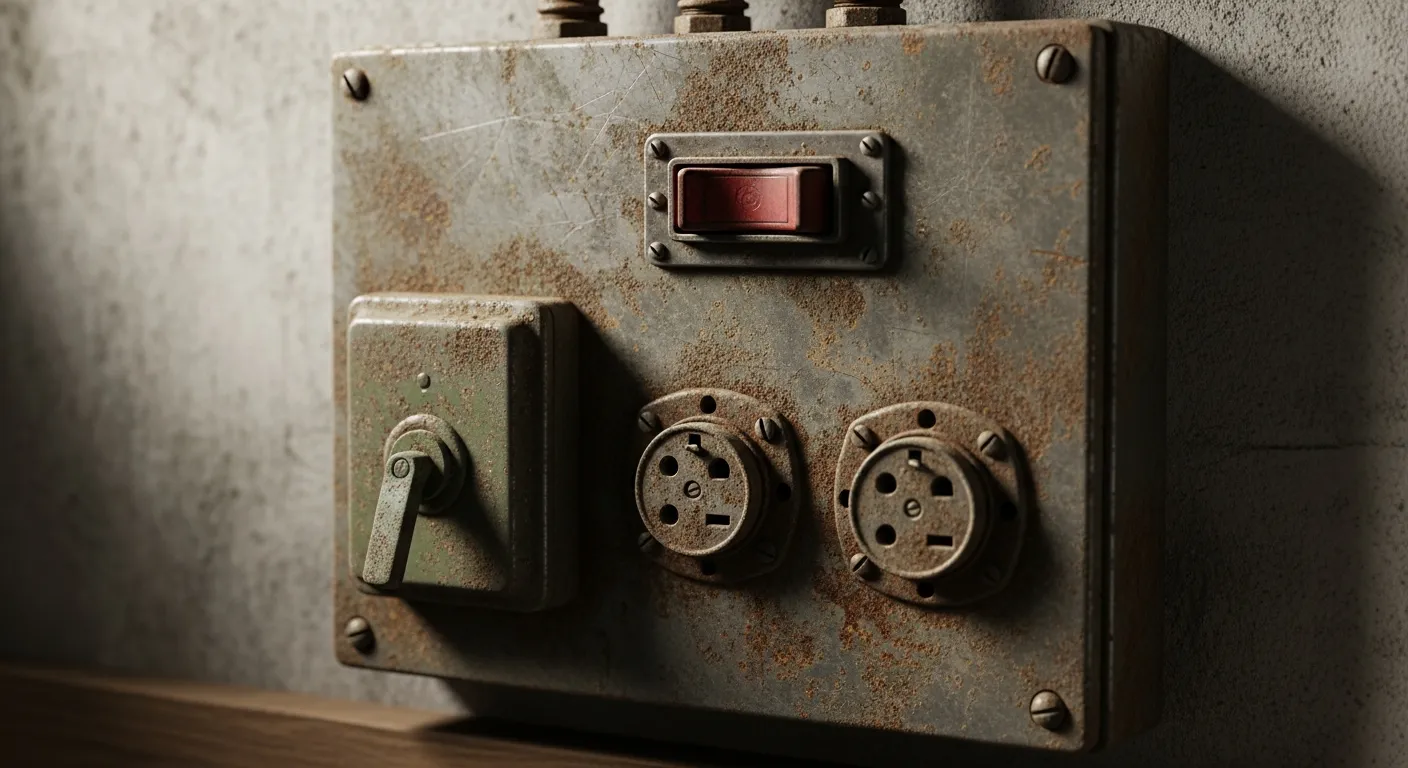
An outdated or overcrowded panel increases fire risk. If you hear crackling or buzzing, see burn marks or signs of heat damage, have breakers that won’t reset, or have multiple wires tangled under a single breaker, you need to replace or upgrade the electrical panels. Get the panels inspected if you see any such signs, and the professional will guide you on the next step.
Does Upgrading the Electric Panel Upgrade the Value of Your Home?
Yes, upgrading electrical panels adds value to your home. However, this should be seen as a long-term benefit, as properly installing the right-sized panel supports future upgrades and improves the home's safety. But if you are not remodeling and installing additional appliances or units, then you might just need to replace it.
Electrical upgrades can also raise questions about renovation coverage and insurance requirements. Homeowners planning electrical work as part of a larger project may want to understand does homeowners insurance cover home renovation before beginning the work.
You can consider calling a professional electrician to assess the situation and recommend whether you need to upgrade or replace. They will also let you know if the panels are old or outdated and pose an electrical fire risk.
How Much Does an Electrical Panel Upgrade Cost?
Now that you know when to upgrade an electrical panel, it is also important to understand the cost involved. There are several factors on which the cost depends, such as -
-
Labor Charges: Electrical panels should be replaced only by a professional, and the labor cost is included in the overall price.
-
Size of the Panel: Electrical panels are available from 60 to 400 amps, and prices vary by size. If you choose a higher-cost panel, the charges will increase as well.
-
Whether you’re installing a New One or Just Upgrading: Installing a new system usually costs more than just upgrading the existing panel.
-
Additional Services: You may incur additional charges for screws, wire, and other items. Also, if you want to relocate the panel, it will also be added to the cost.
Even with variations, you can expect to invest around $7,000 for panels rated 100-400 amps. Always consider talking to your electrician first before finalizing the upgrade.