Pink, mint green, powder blue, harvest gold. If your house was built in the 1950s through the 1980s, there is a decent chance at least one bathroom still has the original colored tile. Some people love it. Most people want it gone.
The usual answer is to tear it out and retile, but that means demolition, new backer board, new tile, new grout and usually several weeks without a working bathroom. Reglazing, also called tile refinishing, is the other option. Instead of removing the tile, you coat it in a new color.
So is it a smart shortcut or a waste of money? It depends on the condition of the tile and what you expect from the result. This guide covers how tile reglazing works, where it makes sense and where you are better off retiling.
What Is Tile Reglazing?
Tile reglazing is a surface treatment. The tile stays on the wall, and a new coating is sprayed over it. The process generally looks like this:
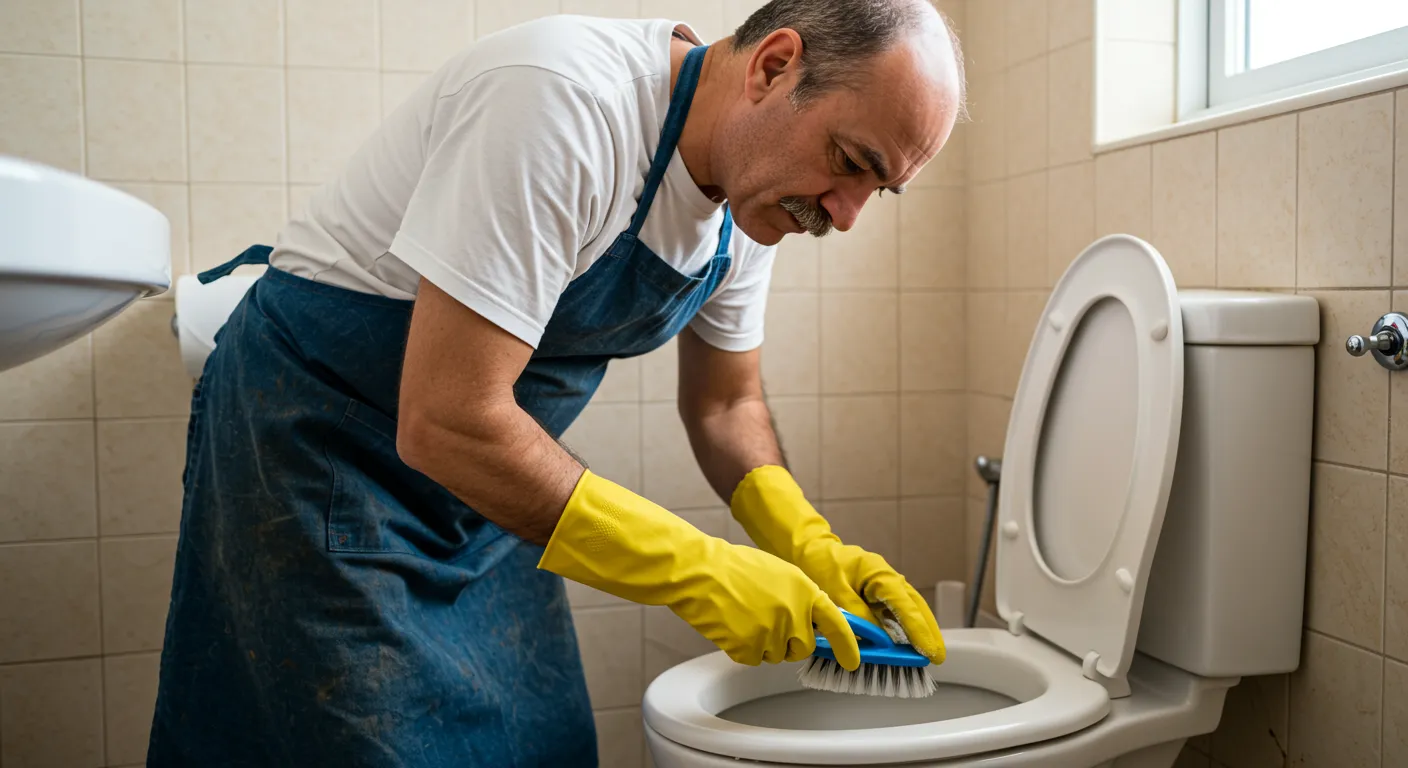
Deep Cleaning
Years of soap scum, body oils and mineral deposits have to come off completely. Any residue left on the surface will stop the new coating from bonding.
Repairs
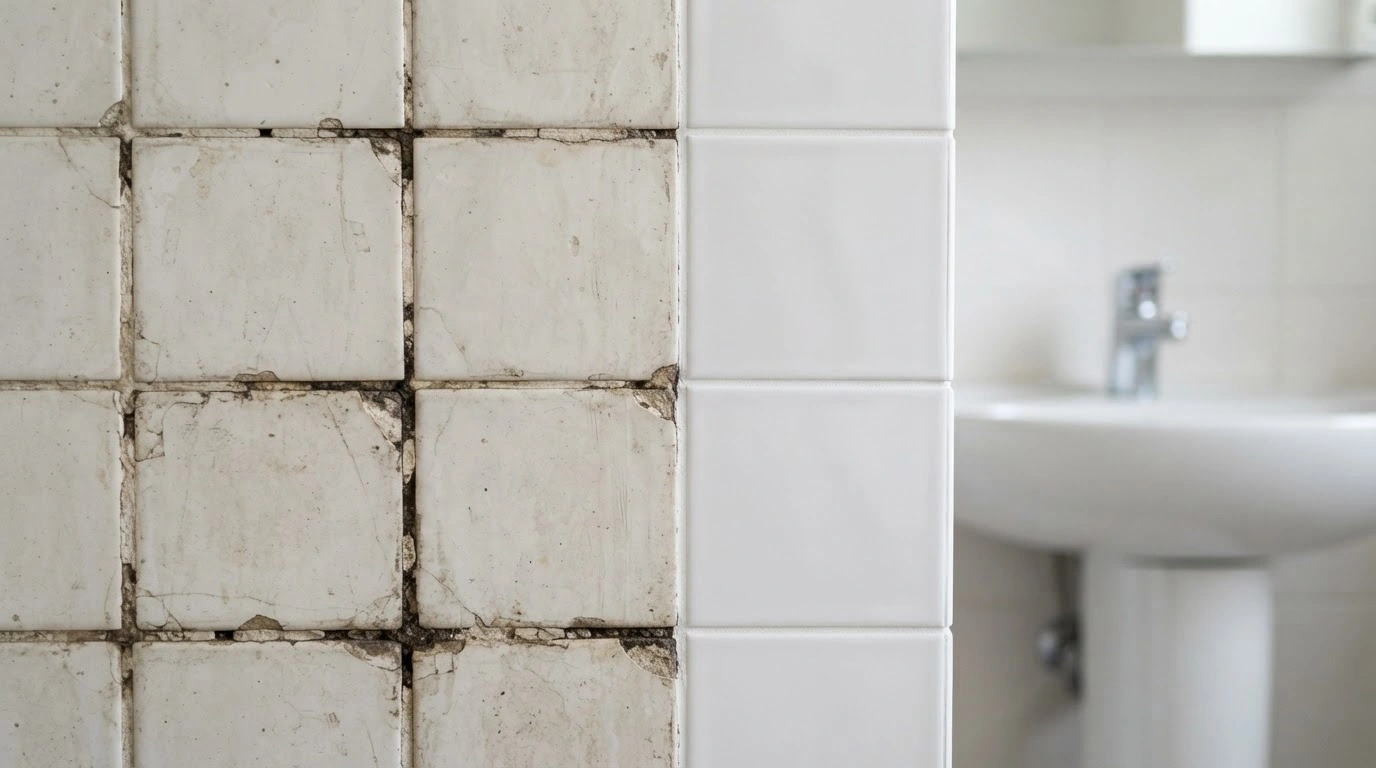
Chipped or cracked tiles are filled, and loose tiles are reset. Old caulk is removed.
Etching and Priming
Glazed tile is slick, so the surface is etched or lightly abraded and then primed. This step does most of the work of making the finish last.
Coating
The new finish is sprayed on in thin coats. Most homeowners choose white or an off-white, but other colors are possible.
Curing
The coating needs time to harden before it gets wet. Expect to keep the shower or tub out of use for a day or two.
The grout lines are usually coated along with the tile, so the wall ends up one uniform color. Some refinishers can mark out the grout lines afterward if you want a more traditional look.
When Does Reglazing Make Sense?
Reglazing works best when the problem is the way the tile looks, not the way it was installed. It is worth considering if:
- The tile is firmly attached and the wall behind it is solid and dry.
- You mostly dislike the color or the dated look.
- The grout is stained but not crumbling.
- You are preparing a house for sale or a rental between tenants and need a quick refresh.
- You want to avoid weeks of demolition and dust.
Because the old tile stays in place, there is also far less construction waste. Nothing goes to the landfill except some old caulk and masking paper.
When Should You Retile Instead?
A new coating cannot fix what is going on behind the tile. Skip reglazing and talk to a tile contractor if you notice:
- tiles that sound hollow when tapped, or that move when pressed
- soft or crumbling drywall around the tub or shower
- persistent musty smells or mold that keeps coming back after cleaning
- water stains on the ceiling below the bathroom
Those are all signs of water getting behind the wall. Covering them up with a fresh coating only hides the problem for a while. The EPA's guide to mold and moisture is clear on this point: the key to mold control is moisture control, and the source of the water has to be fixed first.
You should also retile if you want a different layout, a larger shower, a niche or new tile sizes. Reglazing changes the color and the finish of what you already have, not its shape.
How Long Does Reglazed Tile Last?
This is where expectations matter. A reglazed surface is a coating, not the original fired glaze, and it will never be as hard as new ceramic tile. With good preparation and sensible care, many refinishing companies quote a lifespan of a decade or more and back the work with a multi-year warranty. A rushed job on a poorly cleaned wall can start peeling within the first year.
Floors are a tougher test than walls. Foot traffic, grit and dragged furniture wear a coating faster, so reglazing tends to give its best results on shower walls and tub surrounds.
How to Hire the Right Refinisher
Before you book anyone, ask a few direct questions:
- What does your preparation include, and how do you handle loose tiles or damaged grout?
- What coating will you use, and how will the room be ventilated while you spray?
- How long until we can shower again?
- What does the written warranty cover?
It also helps to compare quotes against a company's own description of the job. A detailed service page on tile reglazing will usually list each step, the color options, the cure time and the warranty, which makes it easier to see whether a cheaper quote is leaving something out.
How to Care for Reglazed Tile
The easiest way to make a reglazed surface last is to clean it gently.
- Use a soft cloth or sponge and a mild liquid cleaner. A bit of dish soap in warm water works well.
- Avoid scouring powders, abrasive pads and strong acid or bleach cleaners.
- Run the exhaust fan during and after every shower so the walls dry quickly.
- Replace caulk when it starts to darken, instead of scrubbing hard next to the finish.
If you would rather buy a cleaner than mix your own, products with the EPA Safer Choice label are a reasonable starting point, as long as they are non-abrasive.